Tulum Tour Bookings Climb as Sargassum Thins and the Turquoise Water Returns
The turquoise has come back to Tulum, a little brighter every morning, as if the sea had spent a long season trying to remember its own color, and the beaches are white again, the old white they used to be, the white that hurts the eyes at noon and makes the fishermen squint at the horizon the way their grandfathers did. Nobody here was surprised because, in Tulum, almost everything, sooner or later, turns out to be about water. Water brings the visitors and sends them home sunburned and in love, and water, patient and unseen, decides where the town is allowed to stand. When the rain comes, the same pothole opens in the same new asphalt, faithful as an old debt, because under the thin black skin of the street lies limestone, and under the limestone runs dark water along paths nobody has ever finished drawing. The bookings are following the turquoise now, the way swallows follow the summer. But the truest things this week are happening below the surface: divers feeling their way through the silt with the slowness of the blind, scientists tracing the secret roads the water takes on its way to the sea, and a petition asking that protection reach past the sand and down into the ground itself. And on one downtown street, families who have always known exactly what lies beneath their houses gather to make a night of it. Here is the week: the shining surface, and everything that holds it up.
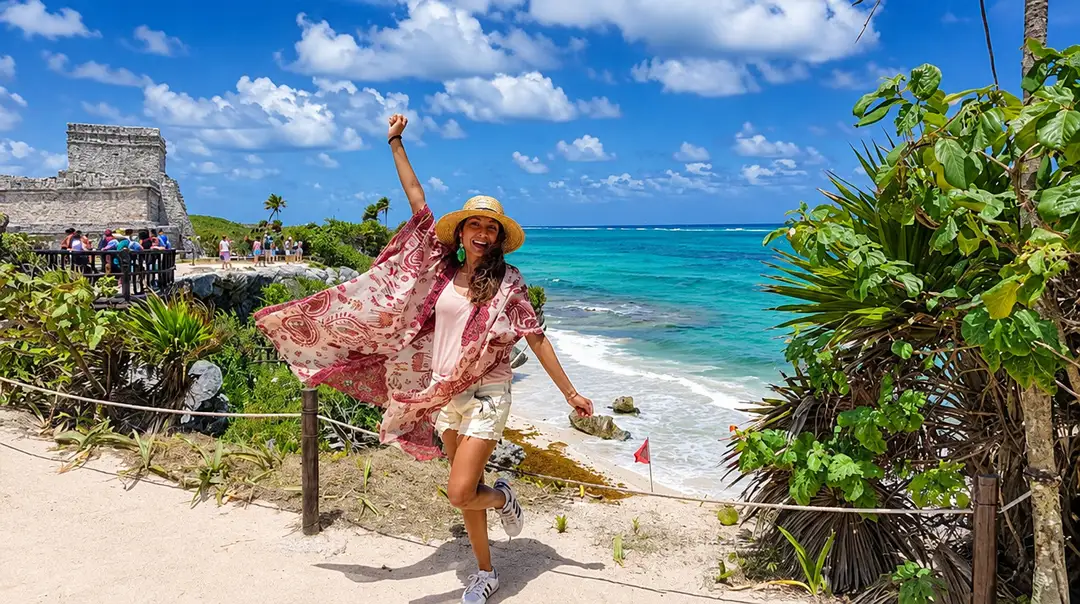
Tulum tour bookings are rising as sargassum thins on the coast. One sales agent expects diving to climb 35 to 40 percent in November and as much as 60 percent in December.
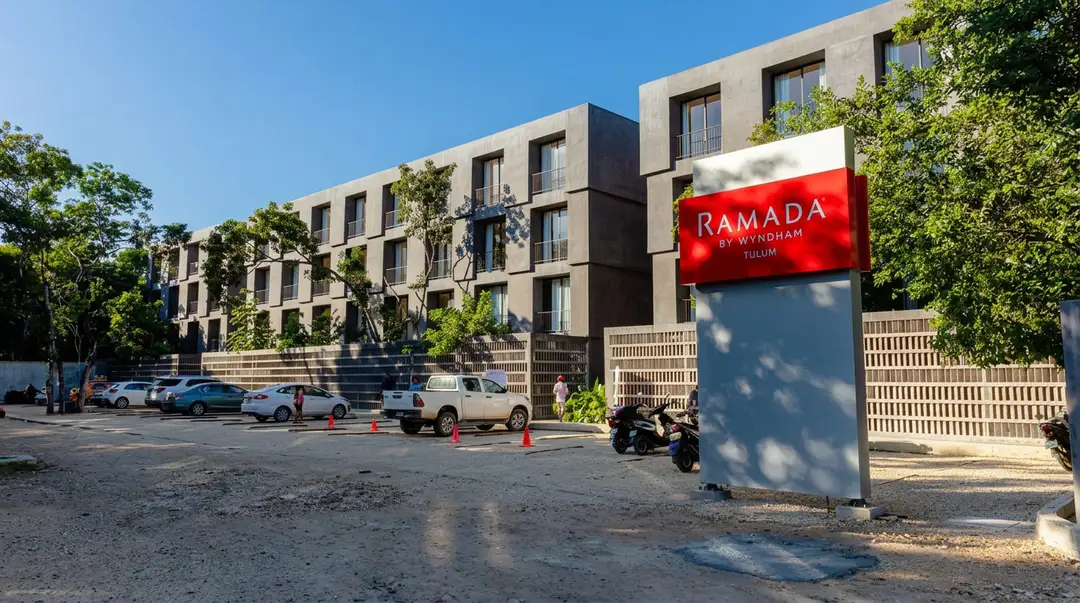
Ramada Residences by Wyndham Tulum opens with 190 rooms in a building first planned as a condo hotel, with occupancy targets already set for December and January.
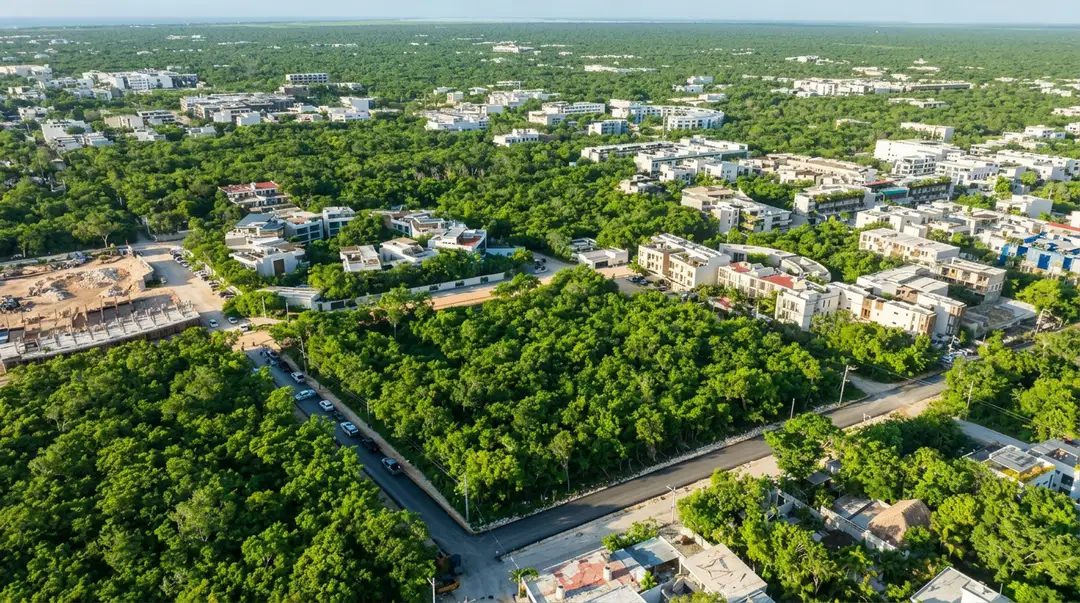
Tulum rents in Villas de Tulum fell from as much as 16,000 pesos a month to 7,000 to 9,000. Vendors and workers say the lower price still does not fit their income.
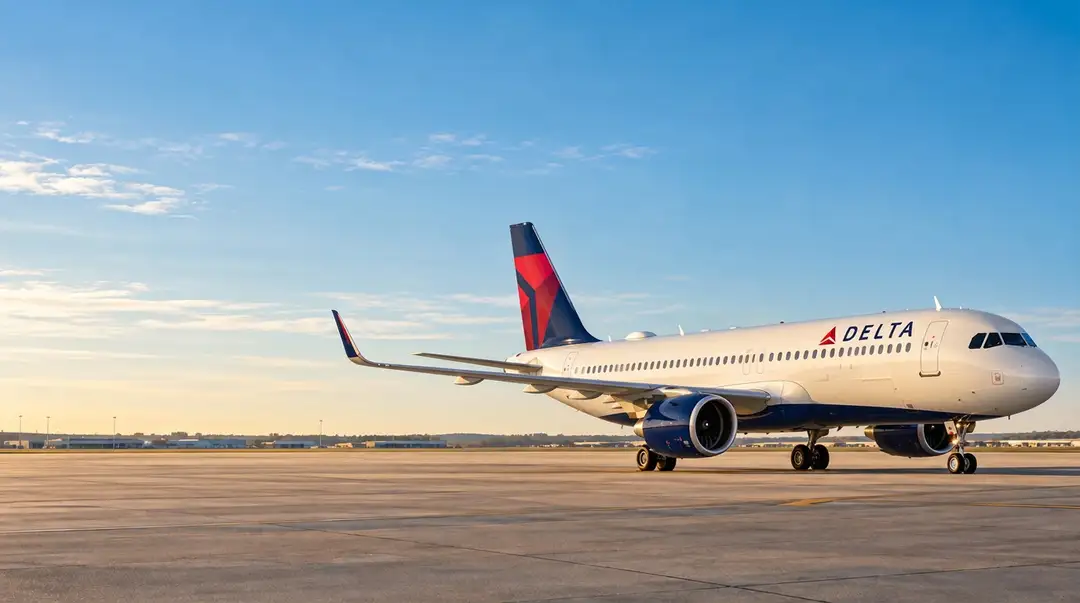
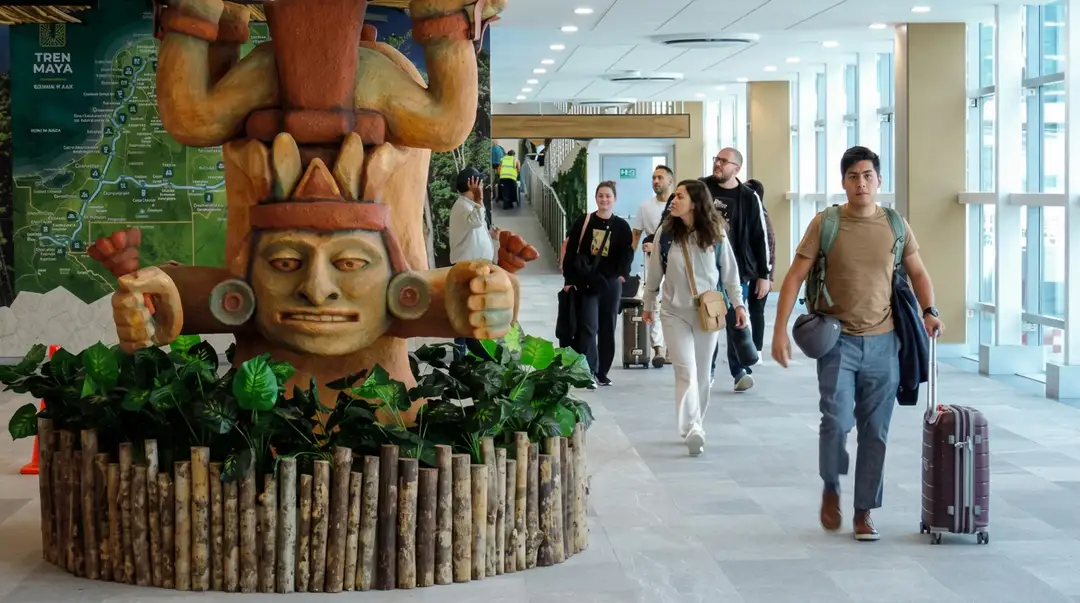
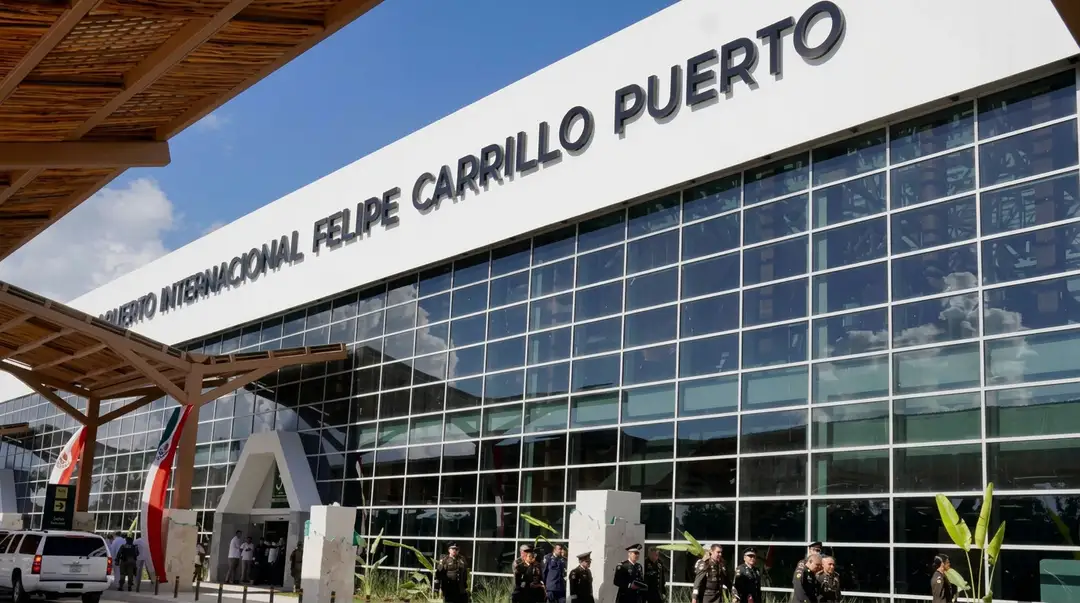
Delta flights to Tulum run daily from Atlanta until May 2, 2027, then pause until a seasonal return in November, as United, American, and Volaris trim service.
With Air Canada, Air Transat, and WestJet bringing winter visitors, officials project Tulum hotel occupancy above 80 percent and a new market for Maya artisans.
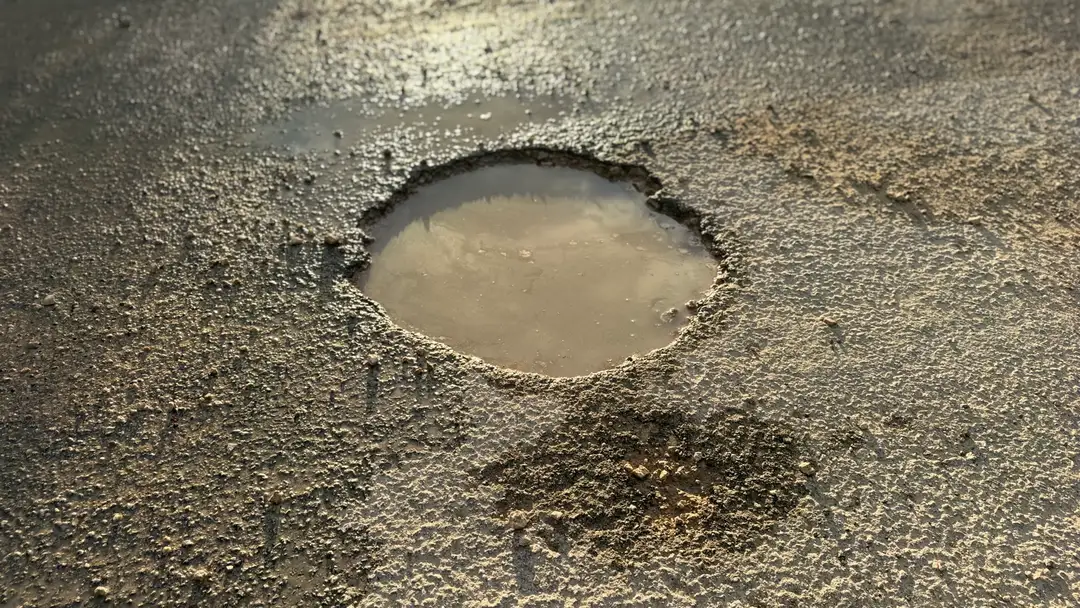
Tulum potholes reopen after every rain. Thin asphalt, waterlogged limestone bases, and cold patches explain why, and why older streets downtown still hold.
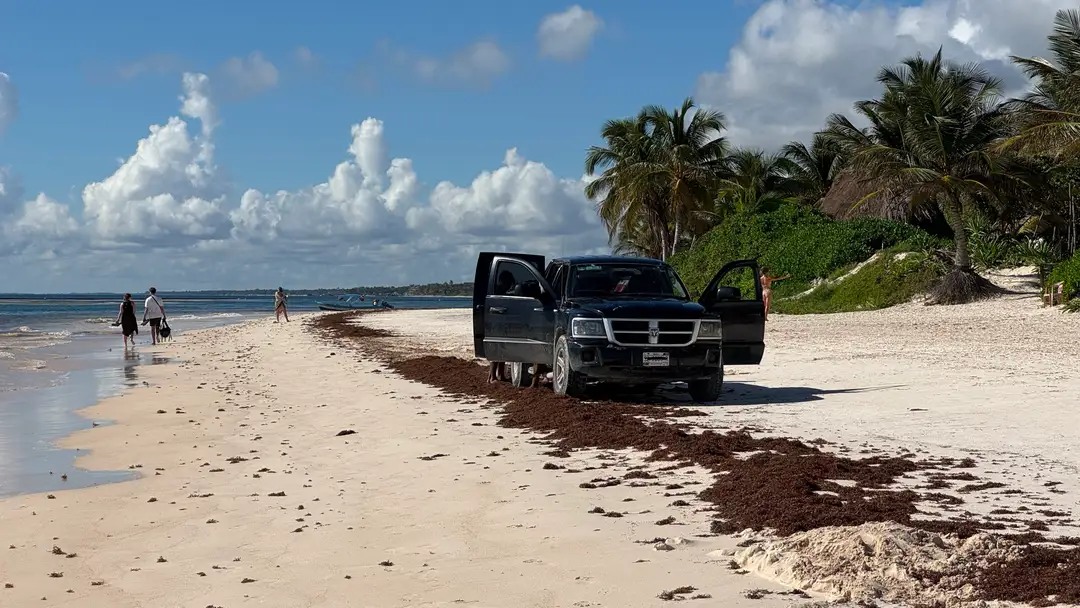
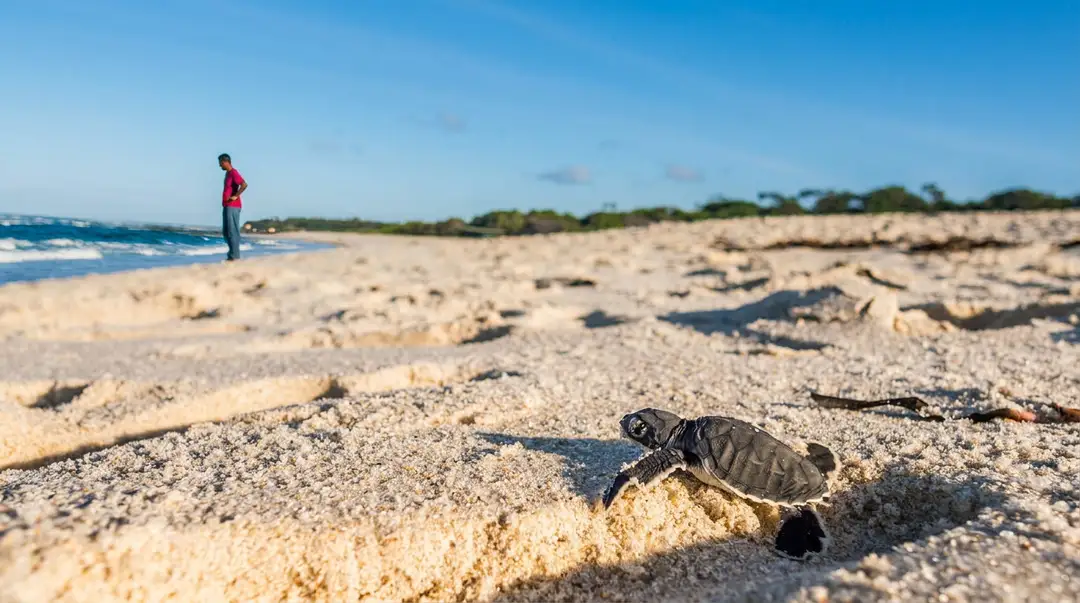
Cars, pickups, and motorcycles crossed Jaguar Park beaches on Sunday, on sand where federal rules allow only turtle-monitoring vehicles, and Tulum’s nest count tops 6,000.
United flights to Tulum end January 4. Delta and American will be the only U.S. carriers left; Canadian airlines return for winter, and Mexico readies a 100% incentive plan.
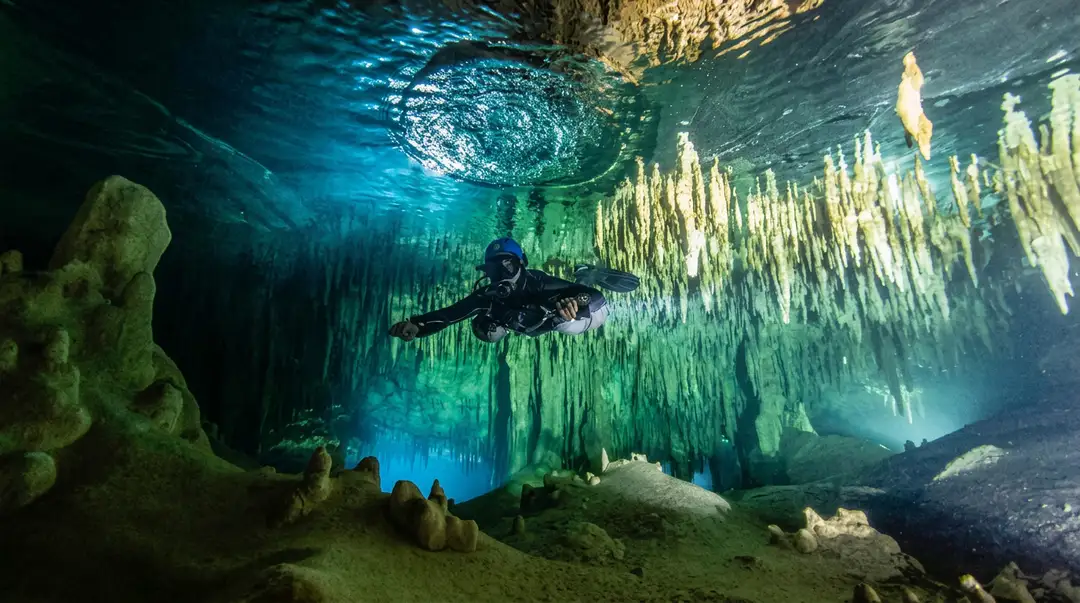
A Tulum cave collapse at Heaven’s Gate, inside the Sac Actun system, sent divers out through a cloud of silt and revived June warnings about road work over the caves.
Advocates seek 30,000 signatures to extend the Xcacel sea turtle sanctuary into the mangroves, cenotes, and jungle as part of Tulum’s ecological zoning update.
Scientists from three countries are mapping how the Yucatan aquifer connects, testing whether the flooded caves near Tulum belong to a far larger underground network.
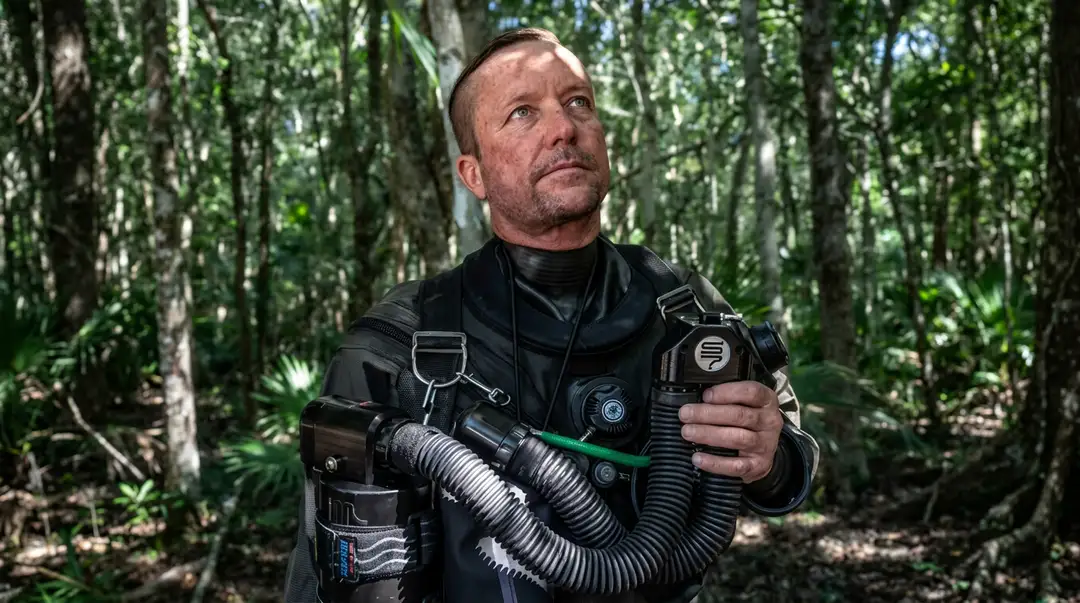
Tulum cenote pollution has made some caves under the city too risky to survey, an instructor warns, stalling work to link Sac Actun and Ox Bel Ha and document Maya remains.
Tulum real estate is feeling the effects of the tourism slowdown, with empty rentals, stalled construction, and owners struggling to pay mortgages as a federal housing plan moves forward.
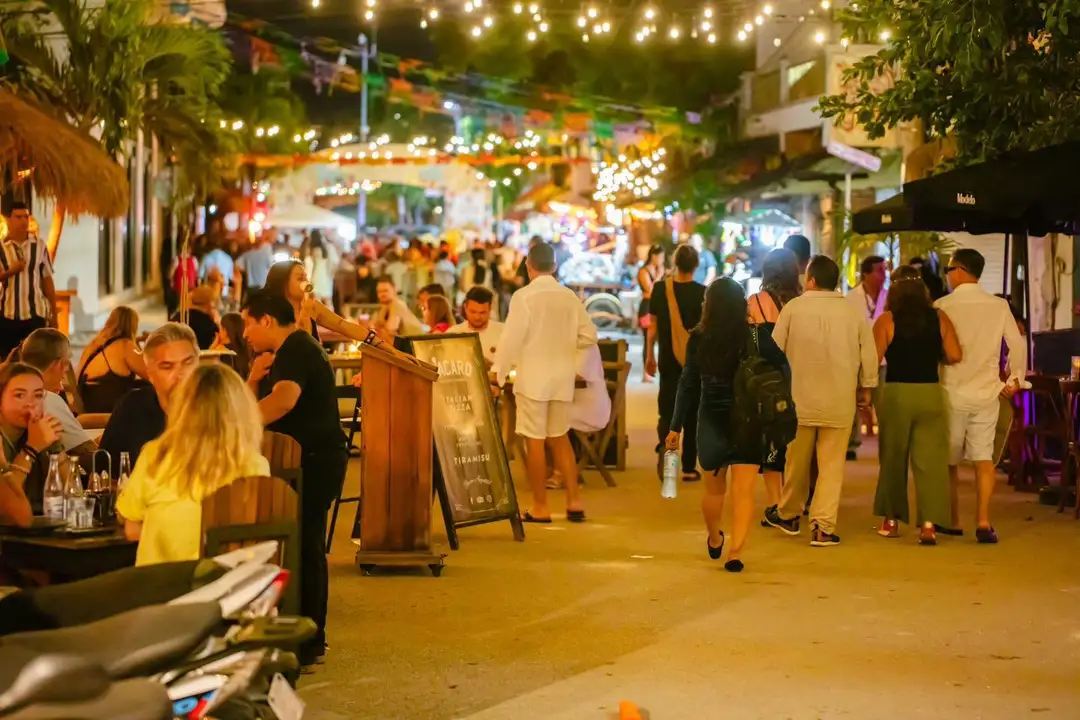
Day of the Dead in Tulum brought families to Calle Centauro, where Paseo Tulum merchants hosted a candy night, a children’s costume parade, and folk dance.
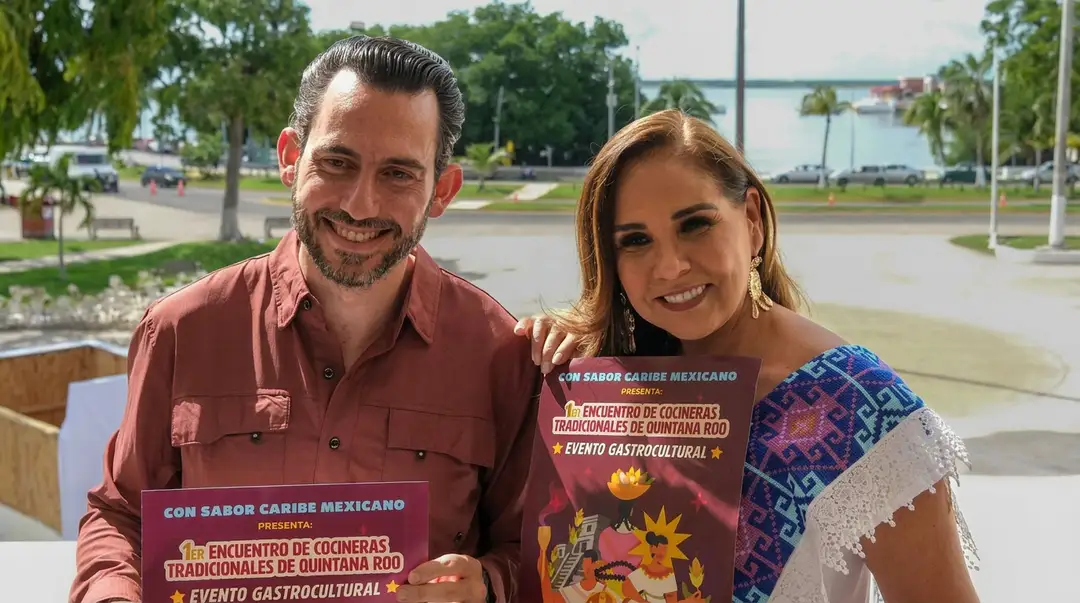
Certified cooks from Chetumal to Lázaro Cárdenas will serve smoke-kitchen dishes at Quintana Roo’s first traditional cooks gathering, two days at Tulum’s Parque del Jaguar.