Mexico's Navy Has Already Removed More Sargassum in 2026 Than in All of Last Season
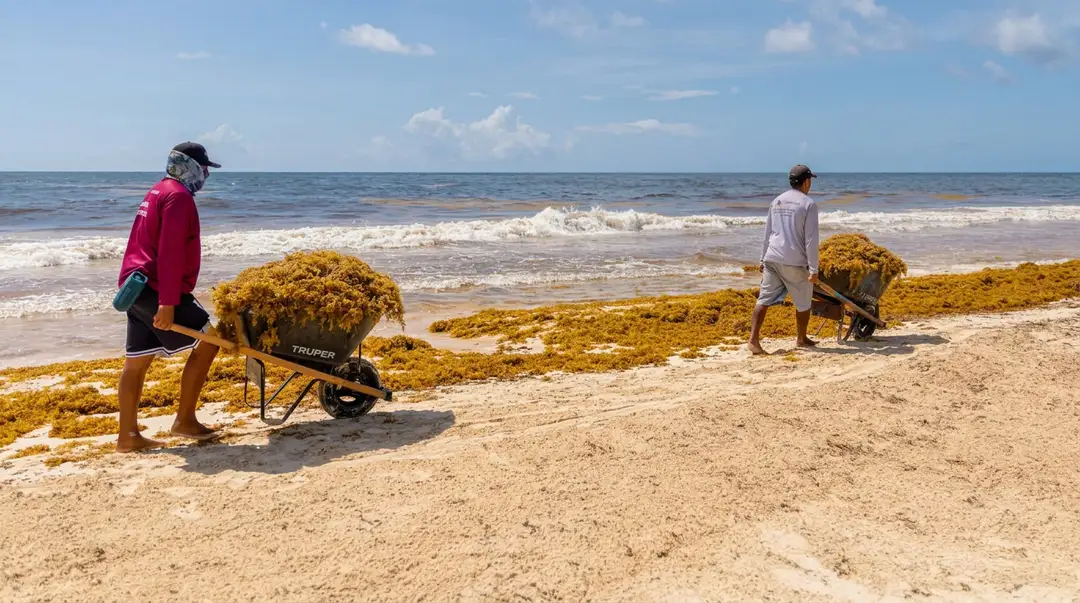
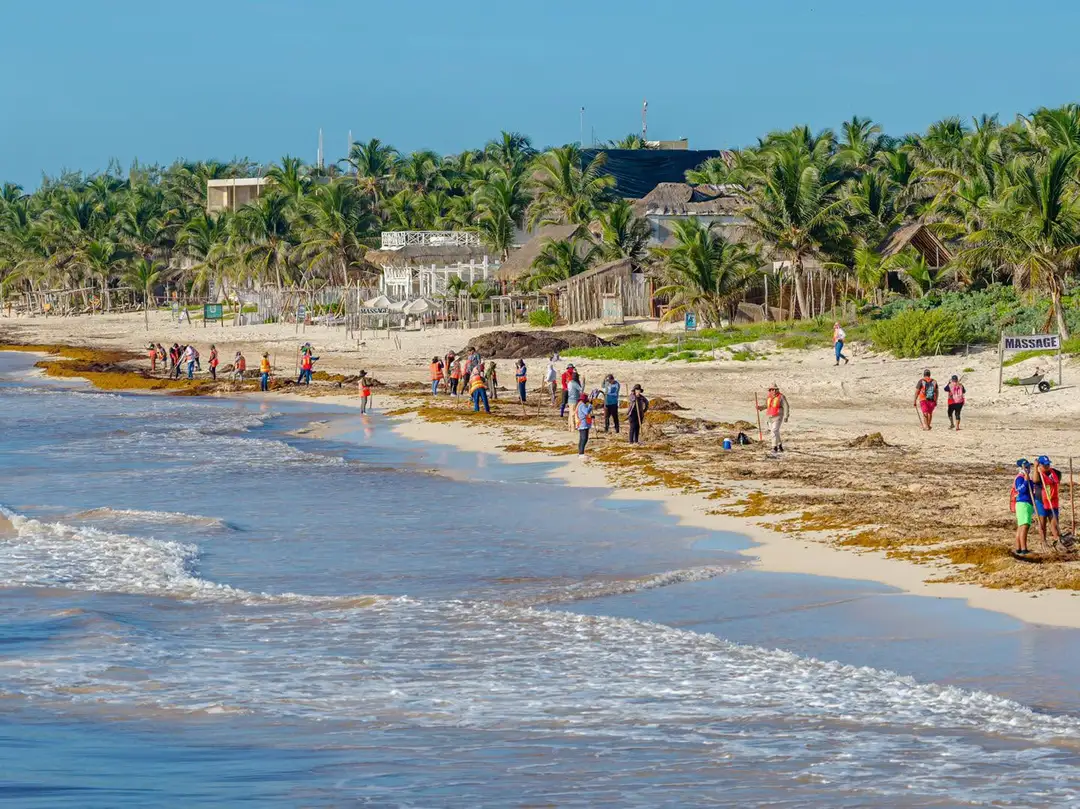
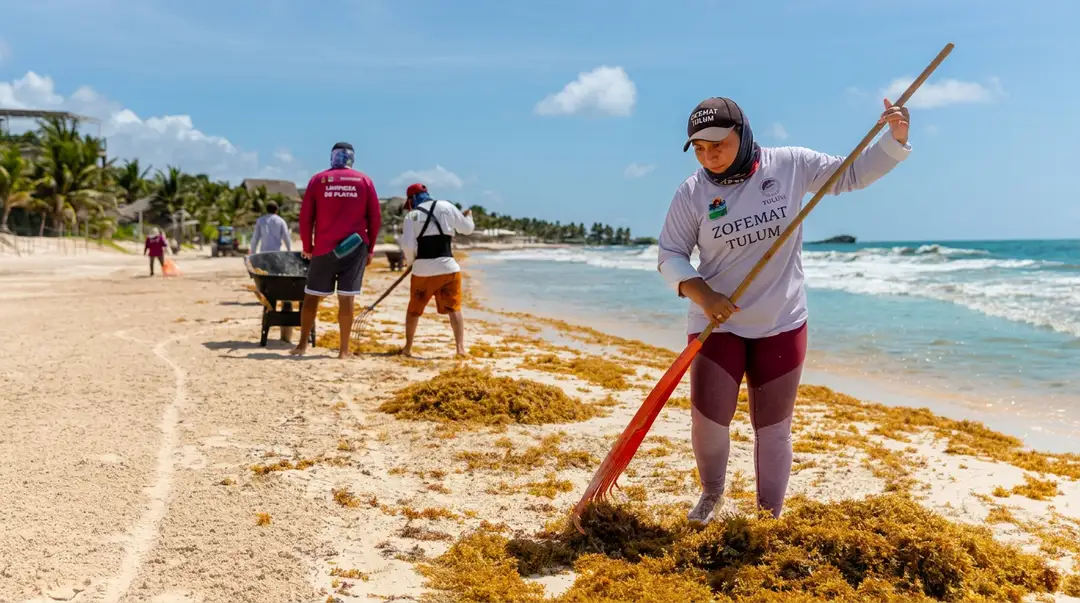
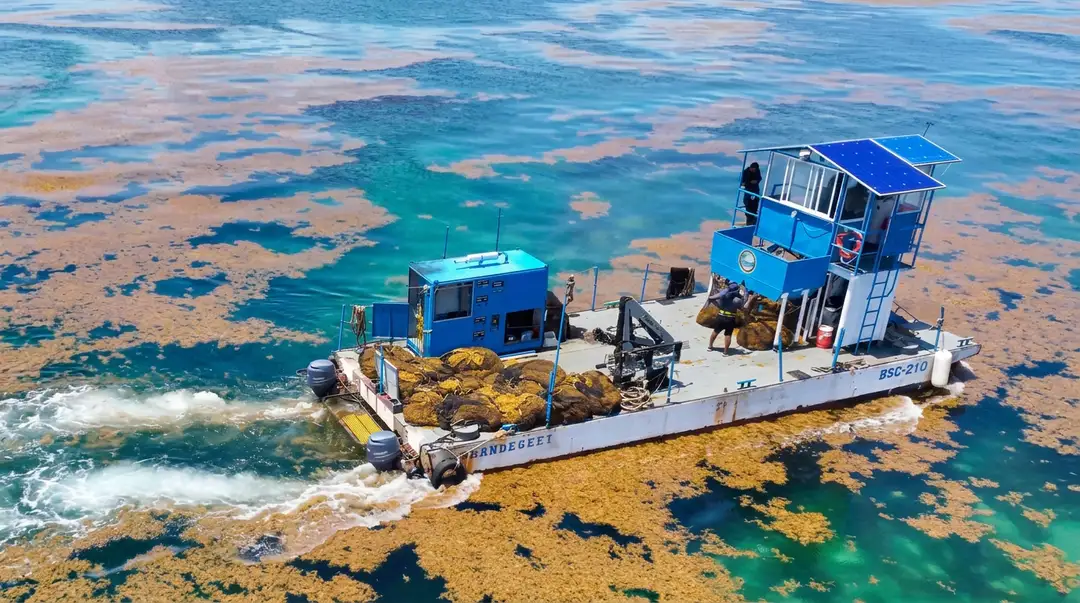
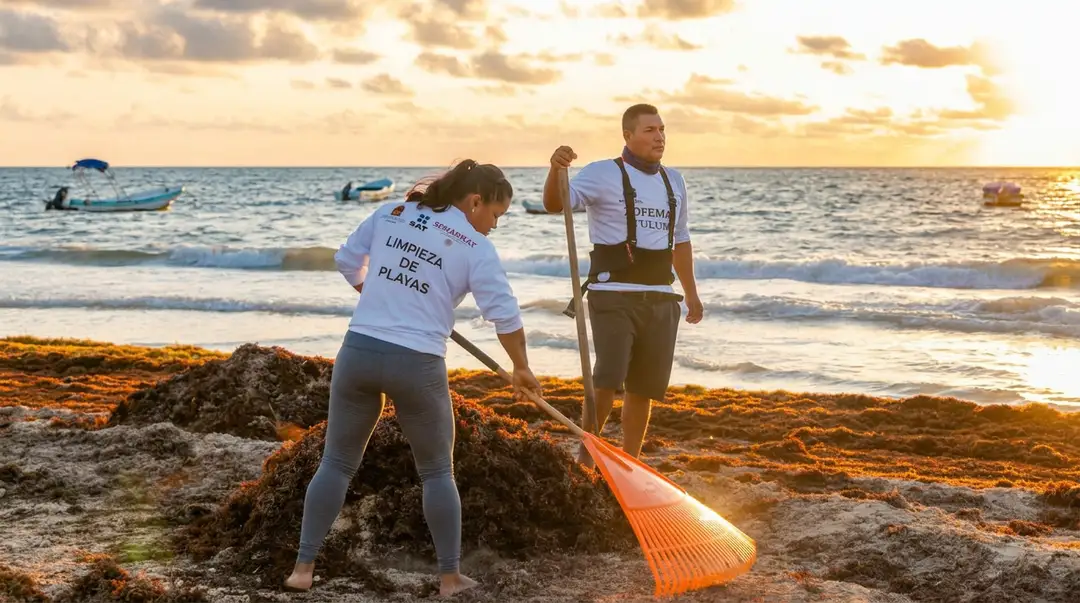
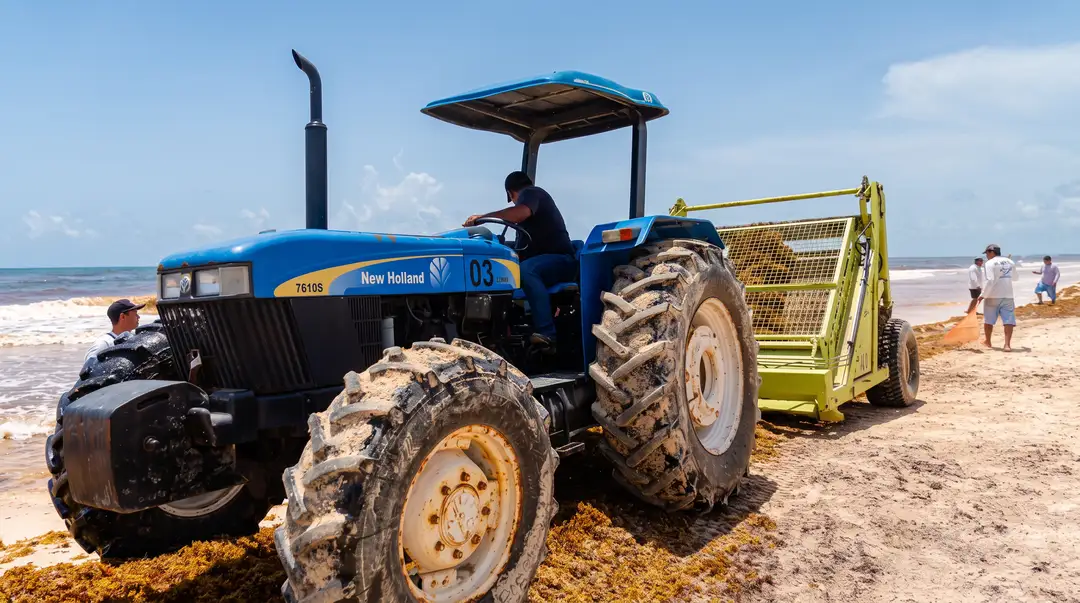
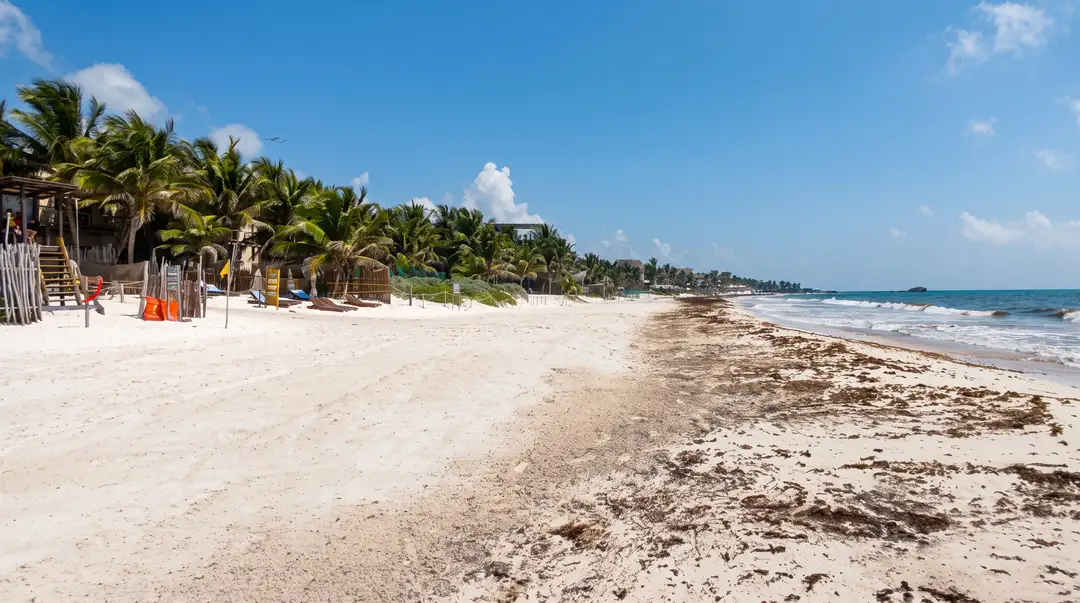
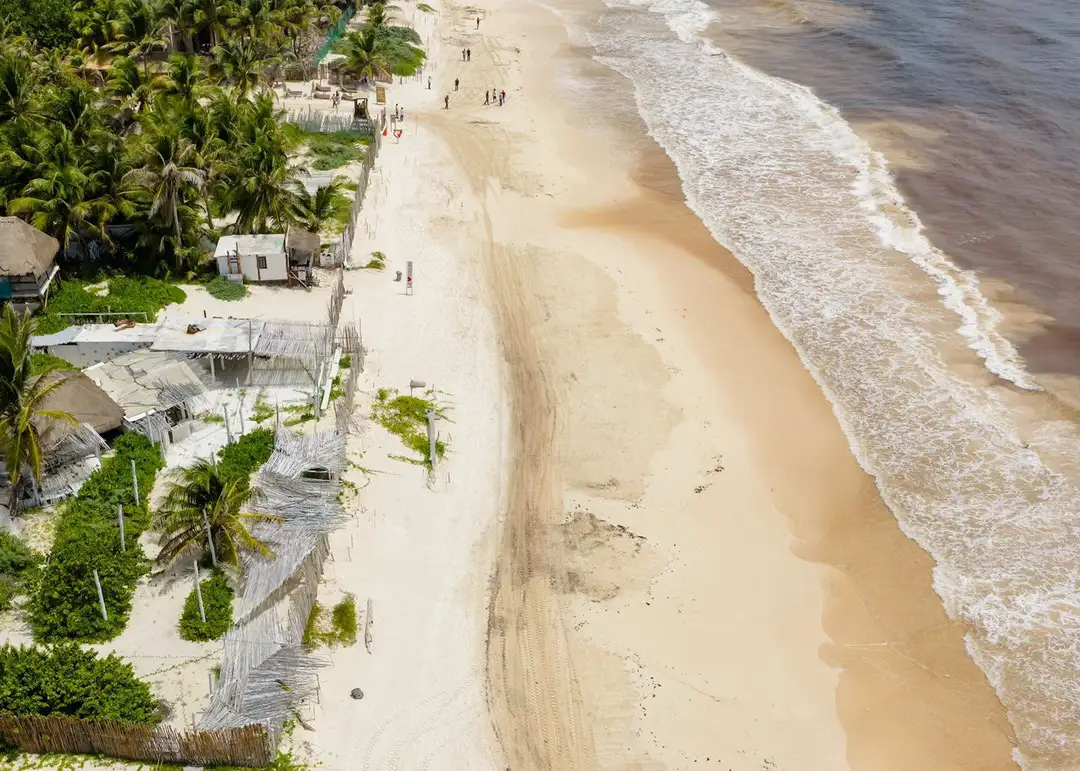
Mexico's Navy has removed 39,500 tons of sargassum from Quintana Roo's coast in 2026, already surpassing the entire 2024 season before peak months arrive.
176 total stories
Mexico's Navy has removed 39,500 tons of sargassum from Quintana Roo's coast in 2026, already surpassing the entire 2024 season before peak months arrive.
After a crocodile attacked a tourist at Casa Cenote, one question stands out: did visitors even know the animal was there? A guide to what lives in Tulum's waters.
Tulum authorities are coordinating with PROFEPA to restrict cenote activities following a crocodile attack. Signage, permit requirements, and a possible ban on diving with wildlife are planned.
Panchito, the crocodile known for swimming near tourists at Casa Cenote in Tulum, bit an elderly visitor today in the first recorded attack involving the animal.
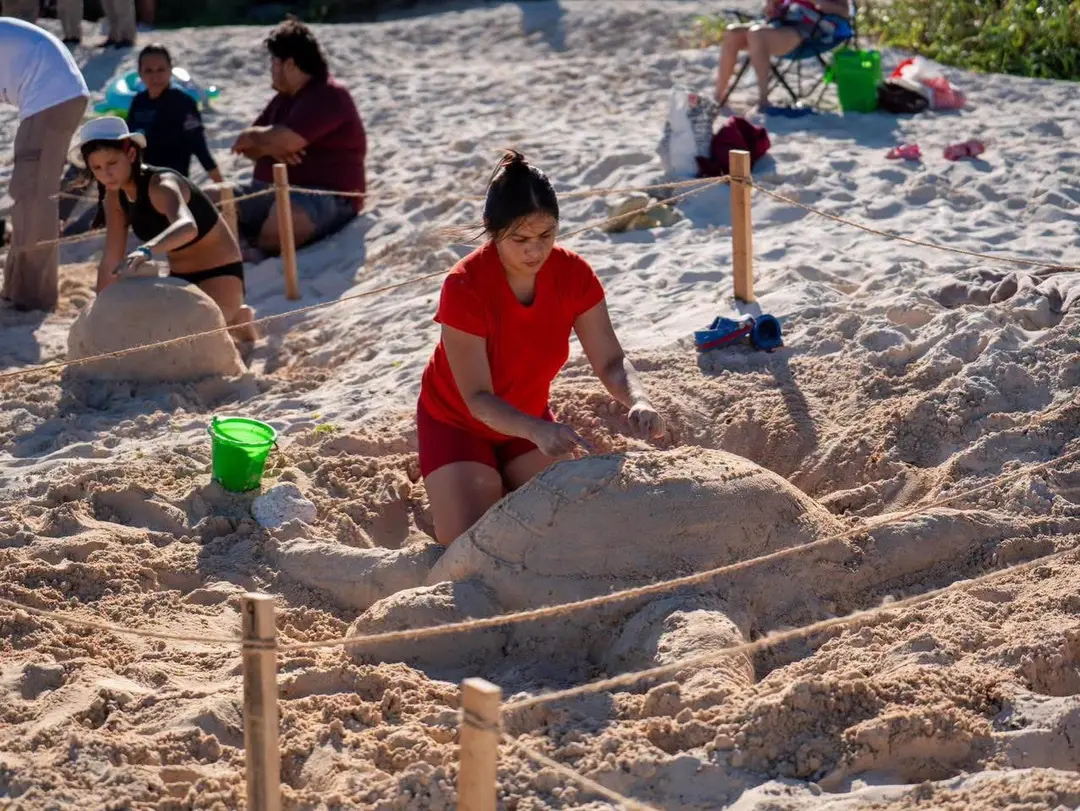
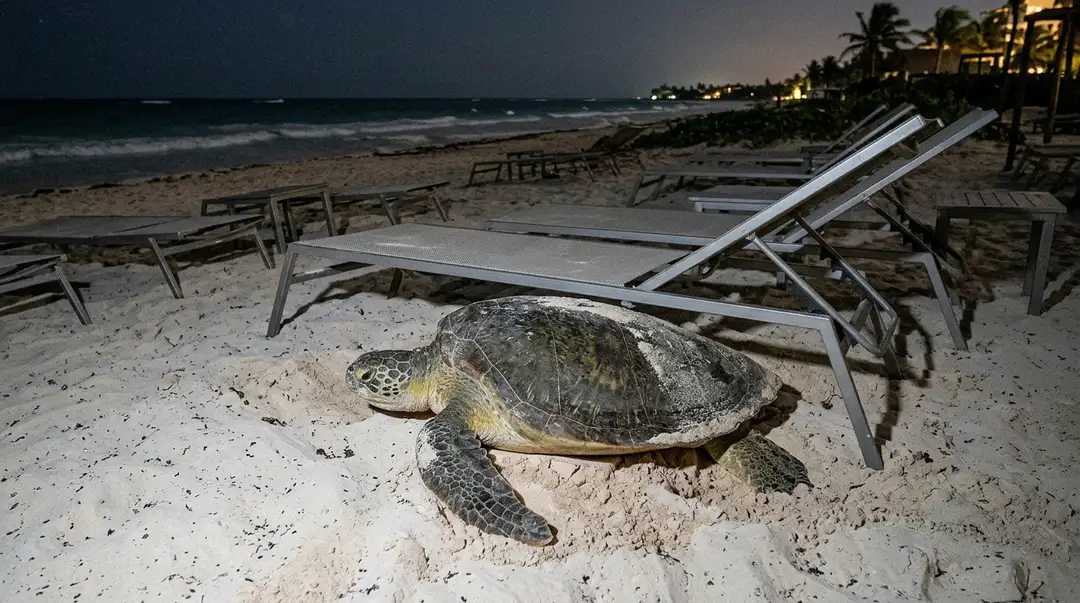
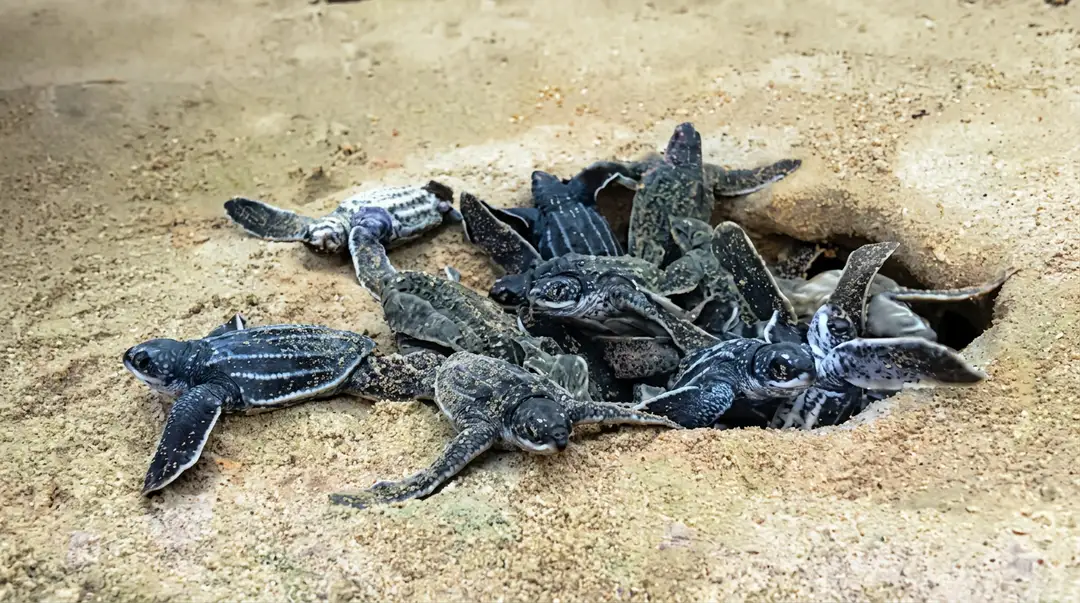
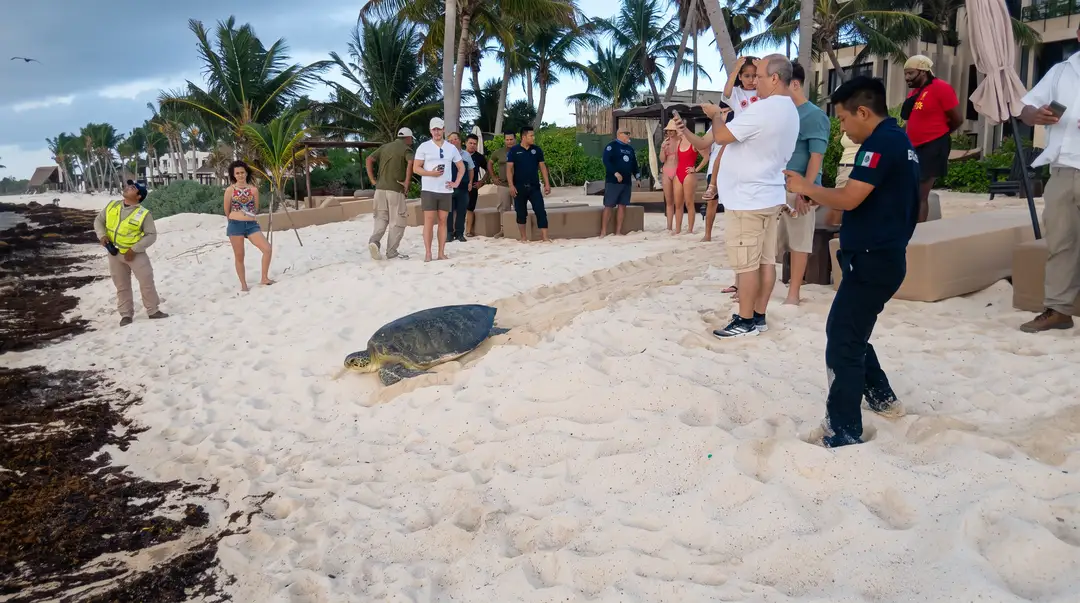
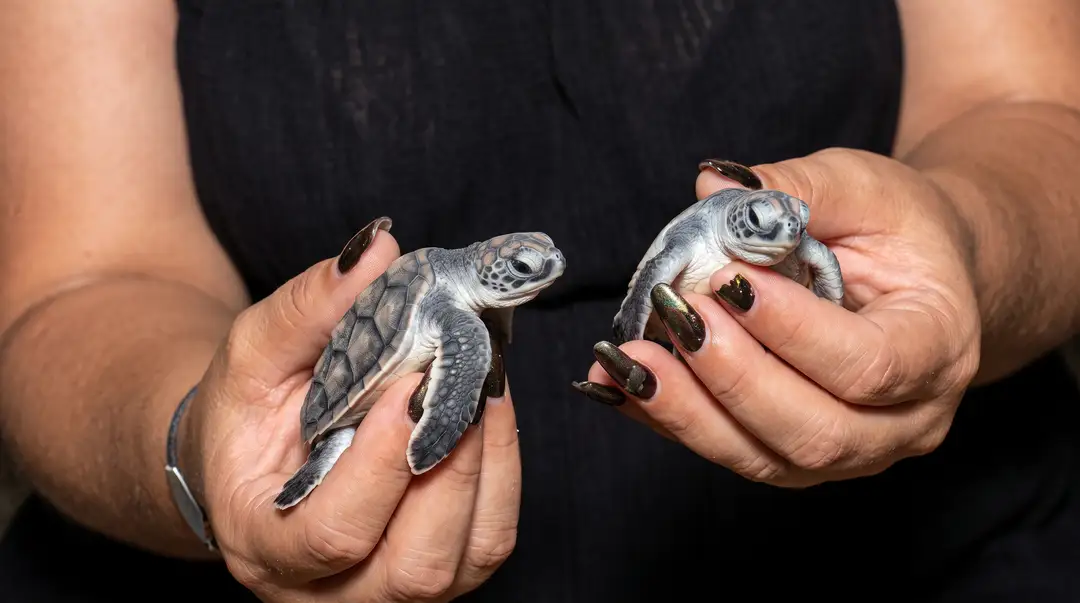
Sea turtle nesting season 2026 is underway on Tulum's coast, with loggerhead nests already confirmed in Akumal. Here's what visitors and residents need to know.
Municipal government activates reinforced monitoring across beaches and calls on residents and tourists to help safeguard four of the world's seven sea turtle species that nest along the coastline.
UNAM researchers project 40 million tons of sargassum will circulate through the Atlantic this year, straining Quintana Roo's containment systems and accelerating coastal erosion as cleanup efforts remove critical beach sand.
Mexico's Navy has deployed 13 vessels and 191 personnel to intercept sargassum before it reaches Quintana Roo shores, as forecasts warn of a record-breaking 2026 season.
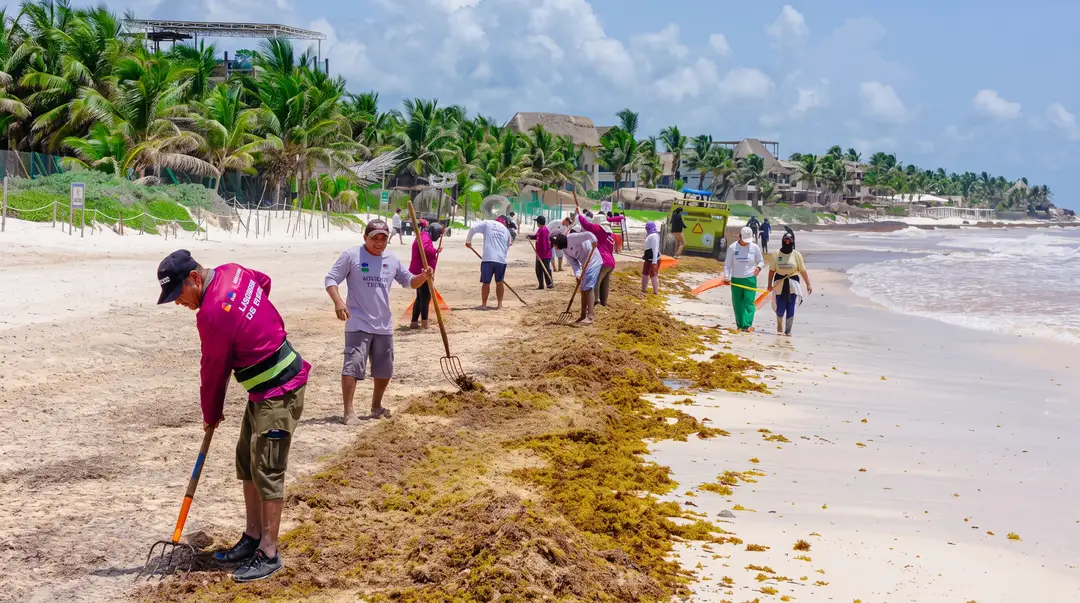
The Mexican Navy has collected 28,000 tons of sargassum across six Caribbean municipalities through April, deploying reinforced operations as Playa del Carmen enters red alert status for the intensifying 2026 season.
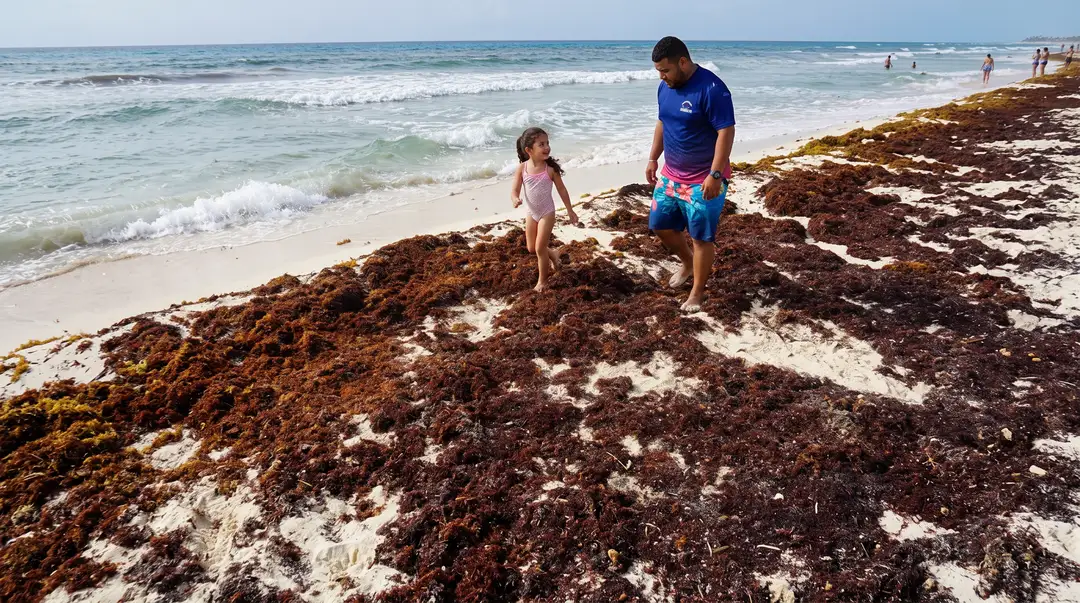
The sargassum Quintana Roo 2026 season has arrived three months early, with 70 beaches now under red alert and projections reaching 130,000 tons by year's end.
Sea turtle nesting Tulum has officially begun for the 2026 season. Environmental authorities confirmed the first nest on the municipal coastline, activating seven active protection programs and renewing urgent concerns about tourism pressure on critical nesting beaches.
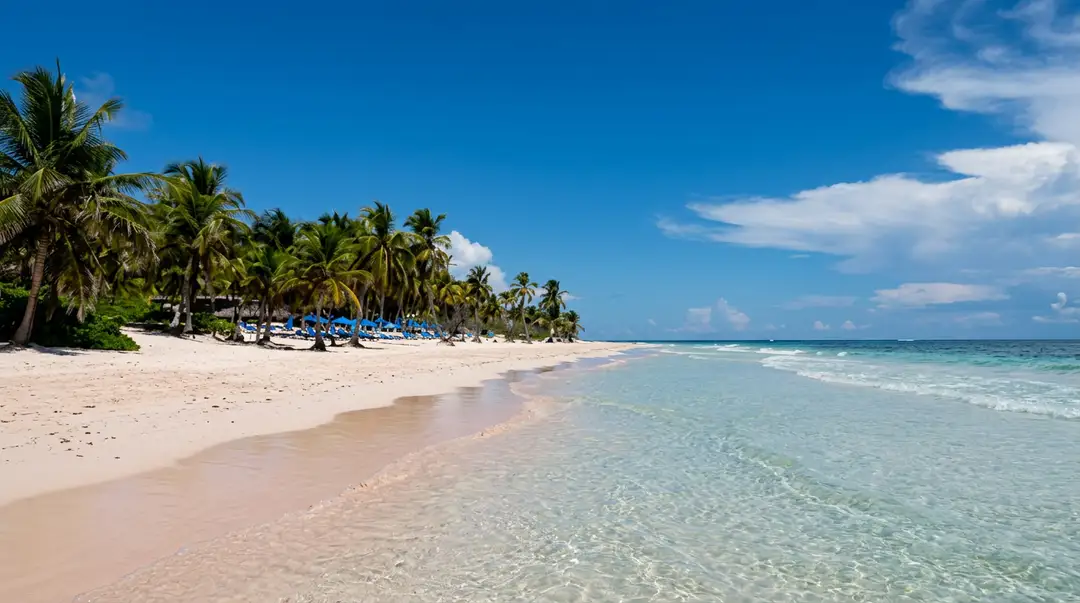
The advance of the Riviera Maya sargassum marks a clear contrast with the clean north, challenging containment capacities.
The recent ocelot death in Tulum on the El Tintal road has raised alarms about the environmental cost of rapid infrastructure expansion.
The official sargassum forecast Mexico Caribbean 2026 report has identified three massive seaweed clusters moving toward the region.
The Playas Libres Tulum protest Parque del Jaguar highlighted a deep crisis in federal management during the 45th anniversary of the Tulum National Park today. Protesters reported a 70 percent drop in local sales and demanded transparency over cash collections and sargassum neglect.
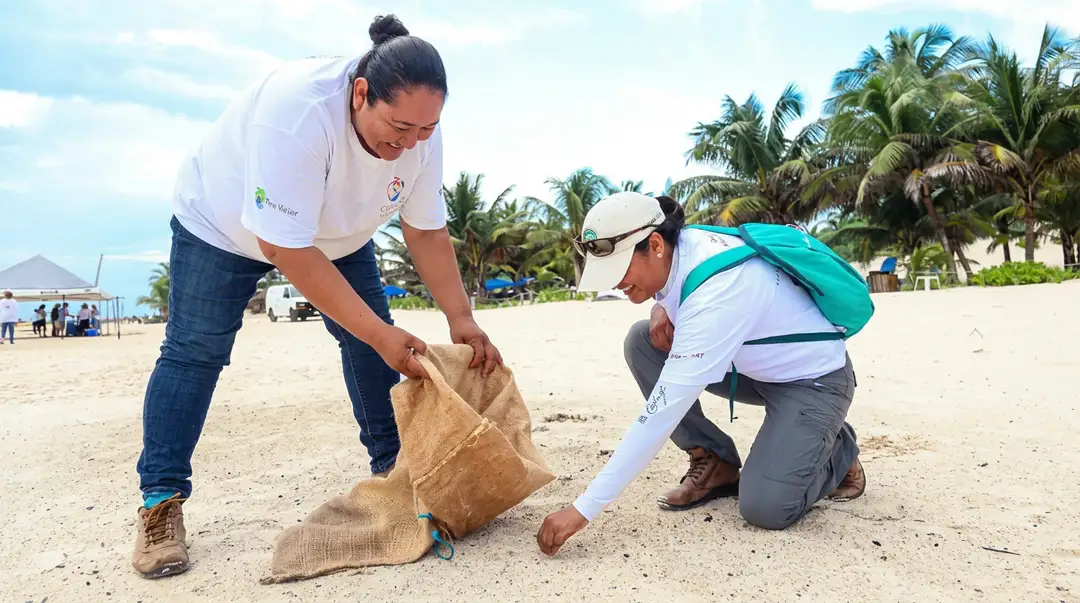
The Fundacion Eco-Bahia Programa SAK beach cleanup Tulum initiative is addressing the invisible threat of microplastic nurdles on critical nesting grounds.
An unauthorized entry by foreign divers into Tulum's restricted cenote Hoyo Negro resulted in irreversible damage to prehistoric Pleistocene fossils.
Researchers use Ecosur drone monitoring technology to distinguish between sargassum decay and groundwater pollution in the Mexican Caribbean.
Sélvame prepares new legal injunctions to halt the libramiento a Tulum, a project advancing over the Sac Actun system despite federal closure orders.
Quintana Roo sargassum conditions 2026 show cleaner northern islands and heavier southern recales, while Tulum reports 1,224 tons collected since March.
As Quintana Roo anticipates a highly active sea turtle nesting season, Tulum authorities and environmental specialists implement strict conservation protocols.