
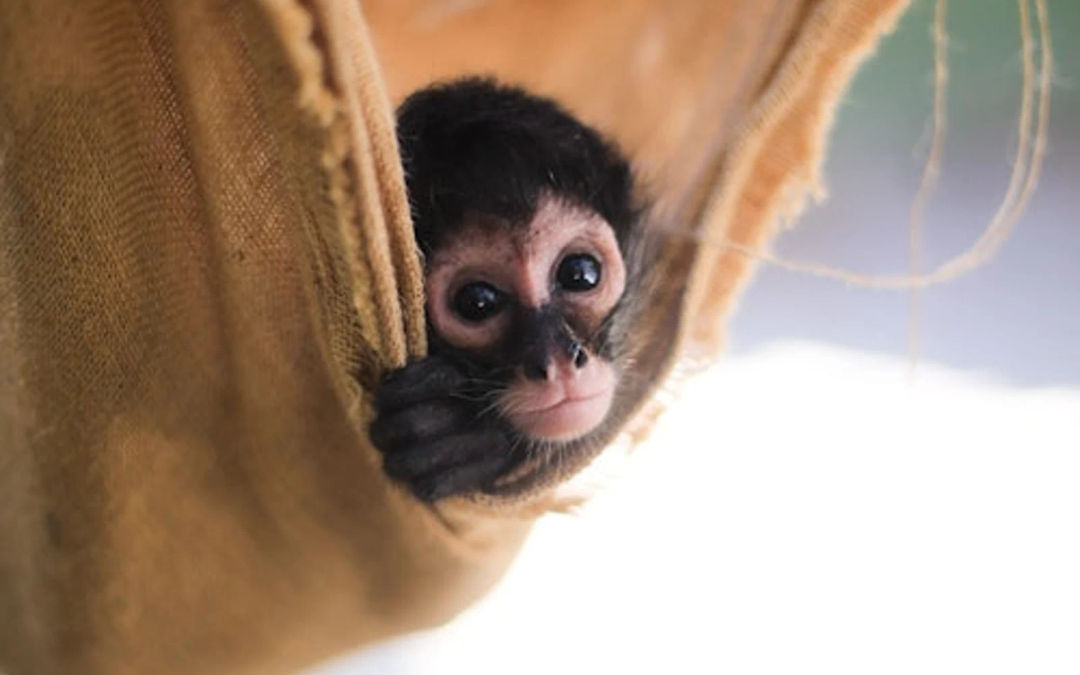
With heat waves expected across Mexico in the coming weeks, Profepa and the Akumal Sanctuary in Tulum have activated the national primate protection protocol to safeguard three vulnerable monkey species from extreme temperatures.
The Federal Attorney for Environmental Protection, working with state and municipal authorities, brought the protocol online ahead of the anticipated heat surge. Spider monkeys, mantled howler monkeys, and black howler monkeys are the focus of the response.
For Quintana Roo, the activation matters because the region's forests host two of the three species, and the Akumal sanctuary has become a reference point for primate rescue across southeastern Mexico.
Why the protocol was activated now
Profepa cited heat waves, droughts, and other natural phenomena forecast for the coming weeks as the trigger. The protocol was built for exactly this kind of seasonal pressure, when high temperatures and dry conditions can affect arboreal primate populations across the country's tropical zones.
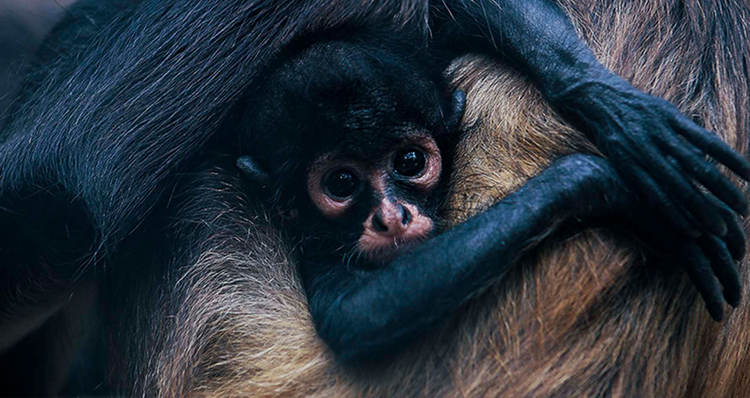
The three species named in the document are the spider monkey (Ateles geoffroyi), the mantled howler monkey (Alouatta palliata), and the black howler monkey (Alouatta pigra). All three are listed as endangered or threatened under Mexican environmental law and international conservation frameworks.
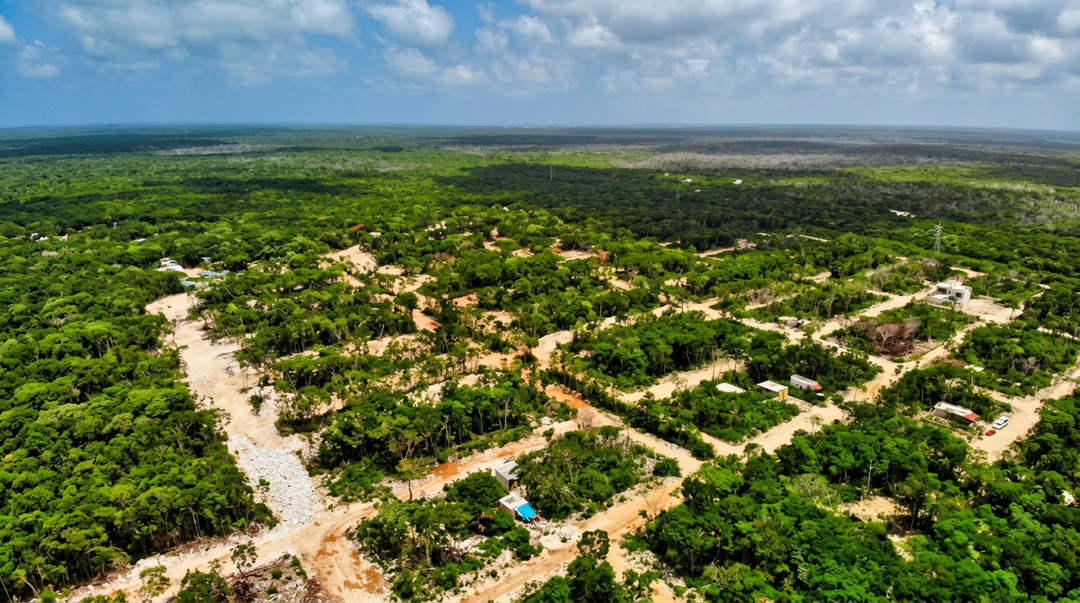
The black howler is the species most commonly found in the rainforests of Quintana Roo and Campeche, while the spider monkey ranges across much of southern Mexico, Belize, and Guatemala. All three depend on continuous forest canopy to move, feed, and avoid ground-level predators, which makes habitat fragmentation a chronic risk on top of any seasonal stress.
In Quintana Roo specifically, primate populations also contend with coastal and urban development, road construction across forested areas, and growing tourism infrastructure. Each factor reduces continuous canopy and increases the chance that monkeys cross paths with humans in unsafe conditions.

How the Mexico primate protection protocol works
Oscar Monzón, head of conservation and research at the Akumal Sanctuary Foundation, said the protocol is designed to coordinate the response of federal, state, and municipal agencies, along with universities, civil society organizations, and the public at large.

The protocol establishes what to do, how to do it, and who must do it when primates face a risk situation.
The framework covers specialized veterinary care, safe and humane handling procedures, biosecurity measures to prevent zoonotic disease, and public awareness work on the ecological role of these species. Biosecurity is a particular concern given the close genetic proximity between primates and humans, which raises the risk of disease transmission in either direction during rescue and rehabilitation.
Veterinary care and rehabilitation
Once an animal enters the system, a decision tree governs transfer, treatment, recovery, and eventual return to its natural habitat. Temporary shelters and isolation are central to the process, Monzón said. Both reduce stress on the animal and allow natural behaviors to reemerge before release.
What to do if you find a primate in distress
The protocol assigns a clear first action to citizens who encounter a monkey in trouble. Notify the competent authorities, so a trained team can carry out an initial assessment and apply basic first aid if conditions allow.
Two reporting lines are currently available:
- Profepa national hotline: 800-PROFEPA (776-33-72).
- For Cancún, the local Animal Welfare Department: 998 892 3326.
In Tulum and other Quintana Roo municipalities, residents are also encouraged to contact the local Ecology or Animal Welfare office to ensure a coordinated response on the ground. Wildlife authorities consistently advise the public not to handle, feed, or move primates without supervision, since stressed animals can bite and improper feeding can introduce pathogens that complicate later care.
Akumal Sanctuary's role in regional conservation
The Akumal Sanctuary Foundation frames the activation as a turning point for primate rescue in Mexico. Both natural and human-driven pressures are treated as constant threats to wild populations, and a national framework gives rescue operations a structure that previously depended on ad hoc coordination.
Monzón said the sanctuary's involvement reflects its position as one of the few facilities in southeastern Mexico equipped to provide specialized care to rescued primates and prepare them for eventual reintroduction. Citizen participation, he added, is the variable that most often decides whether an animal in trouble reaches that care in time.
He also tied the protocol to broader community resilience. Rural communities and tourism towns across primate range states coexist with these animals, and a stronger rescue system benefits both the species and the people who live alongside them.
The dry season is just beginning. How the protocol performs in the next months will depend on how quickly reports reach authorities, how fast rescue teams can move, and whether the coordination between federal, state, and municipal levels holds once the first sustained heat wave hits Quintana Roo.
Have you seen monkeys in your part of Quintana Roo, and would you know where to report one in distress? Join the conversation and share your perspective with us on Instagram and Facebook at @thetulumtimes.

The Tulum Times · Newsletter
The story continues in your inbox.
Essential Tulum news and local insight, a few times a week. Free.
No spam. Unsubscribe anytime.
Transportation in Tulum: Taxi, Bus, Transfers, and Mobility
Taxi fares, buses, transfers, road changes, mobility updates, and practical transport guidance for Tulum.

“The best journalists reporting from paradise, highlighting the heroes that keep Tulum the most beautiful place in the world! THANK YOU!”