Latest Story
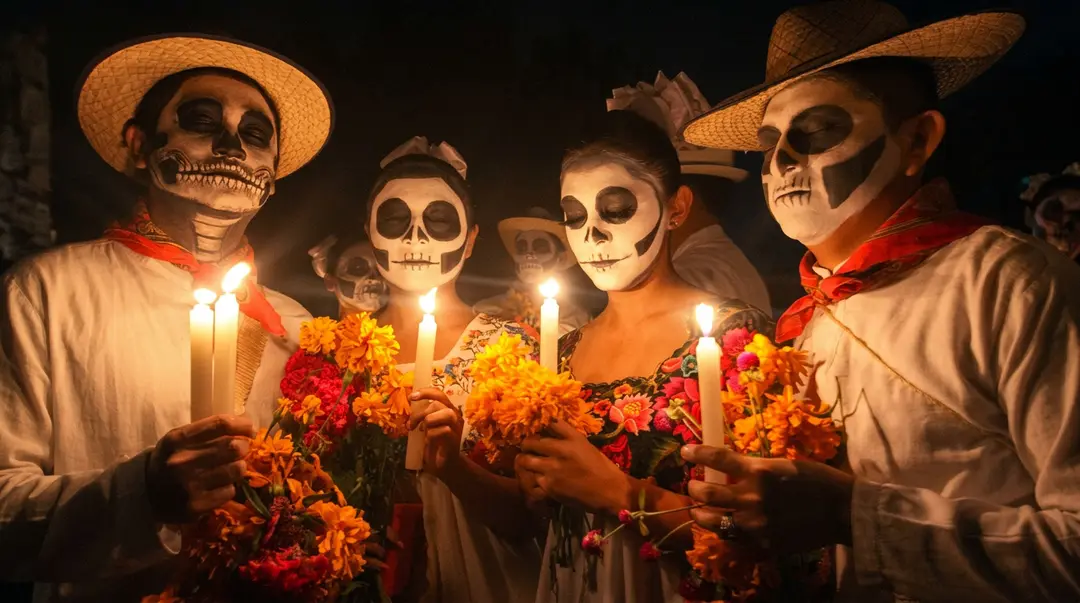
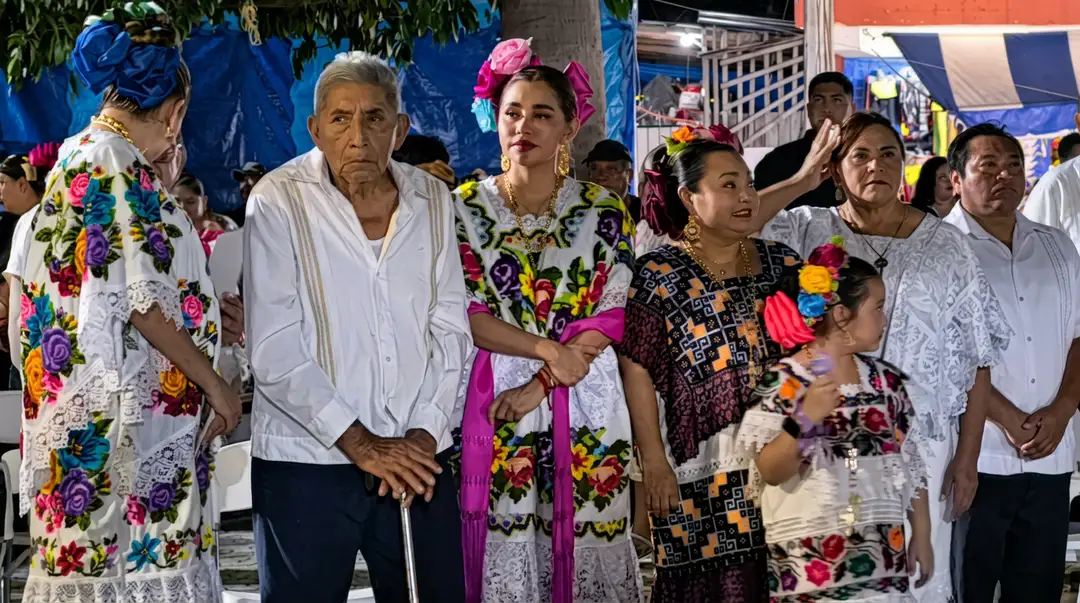
Hanal Pixán, Day of the Dead in Tulum, Opens With Toys for Children’s Souls
Day of the Dead in Tulum runs October 31 to November 2 as Hanal Pixán. What goes on a family altar, where to see it this year, and the etiquette for visitors.
153 total stories
Day of the Dead in Tulum runs October 31 to November 2 as Hanal Pixán. What goes on a family altar, where to see it this year, and the etiquette for visitors.
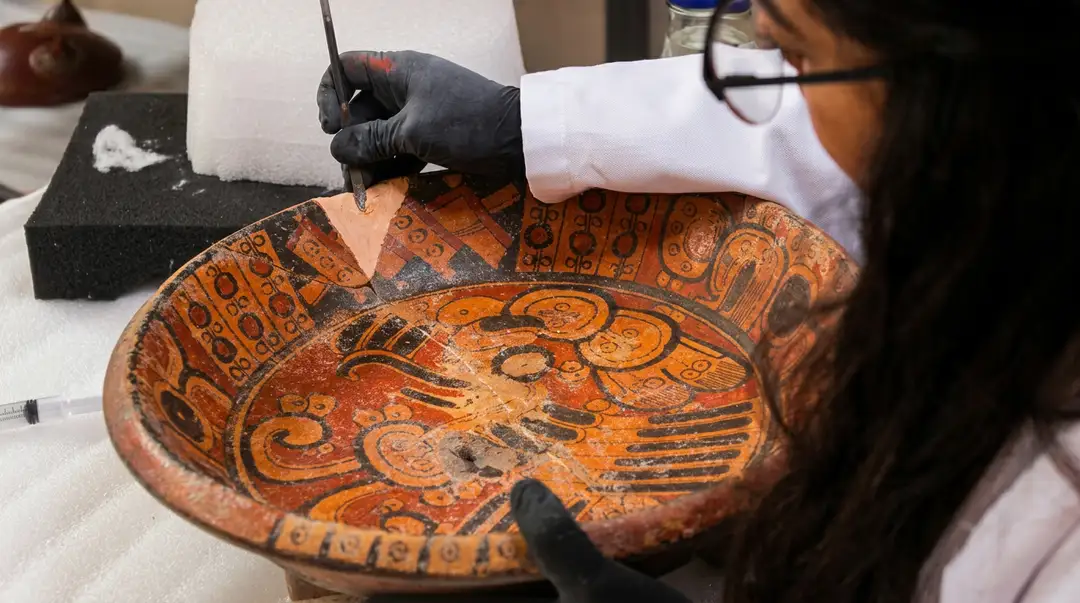
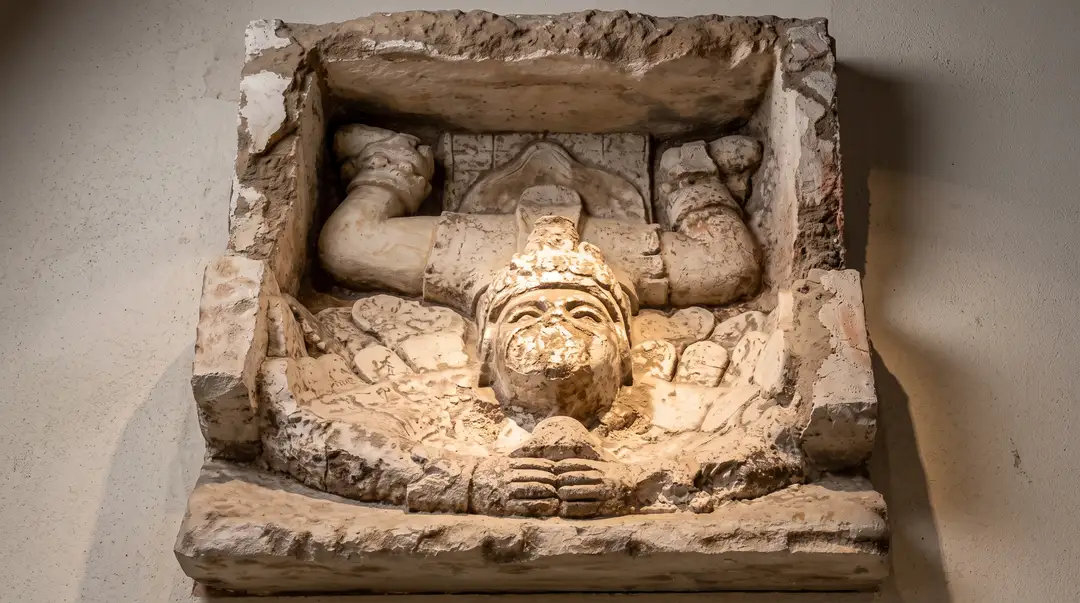
Seven Mesoamerican cultures that never settled this coast are entering the Tulum museum at Parque del Jaguar, and 47 of the 53 new pieces will anchor a hall that does not exist yet.
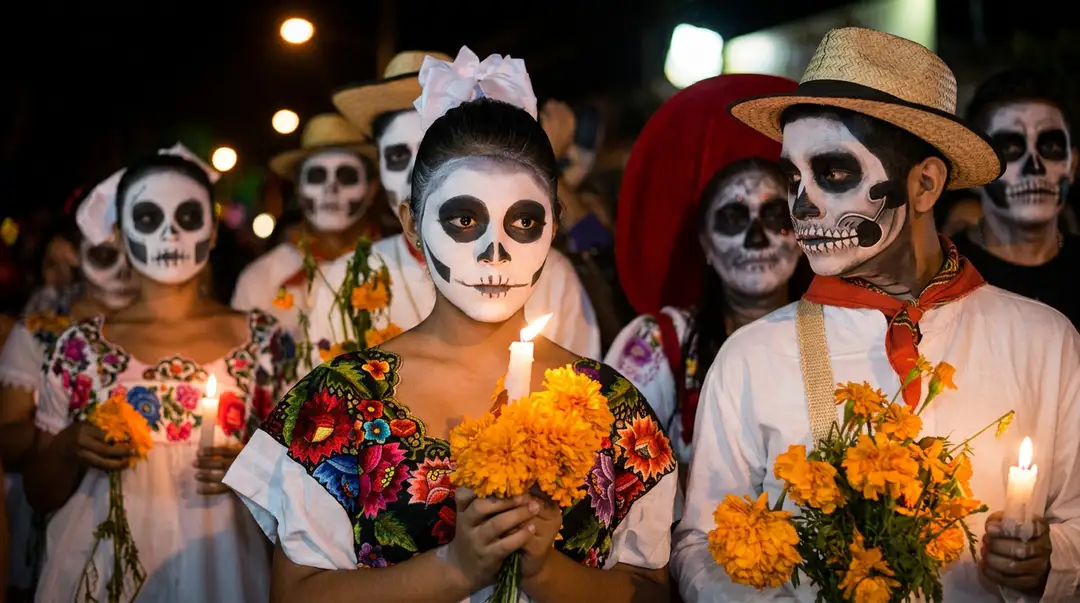
Day of the Dead vs. Halloween is not a costume question. One night keeps the dead away; the other feeds them, and on this coast, the Maya version has its own name.
The Faena Tulum campaign runs from the open beach light to the dark of a cenote, through the town's streets. Rafa Olarra, Pol Rodríguez, and the full list of credits.
The Cancha Maya festival runs in Tulum from October 6 to 15, with the Matán offering reaching 15 houses in a season Maya farmers say the late rains already cost them.
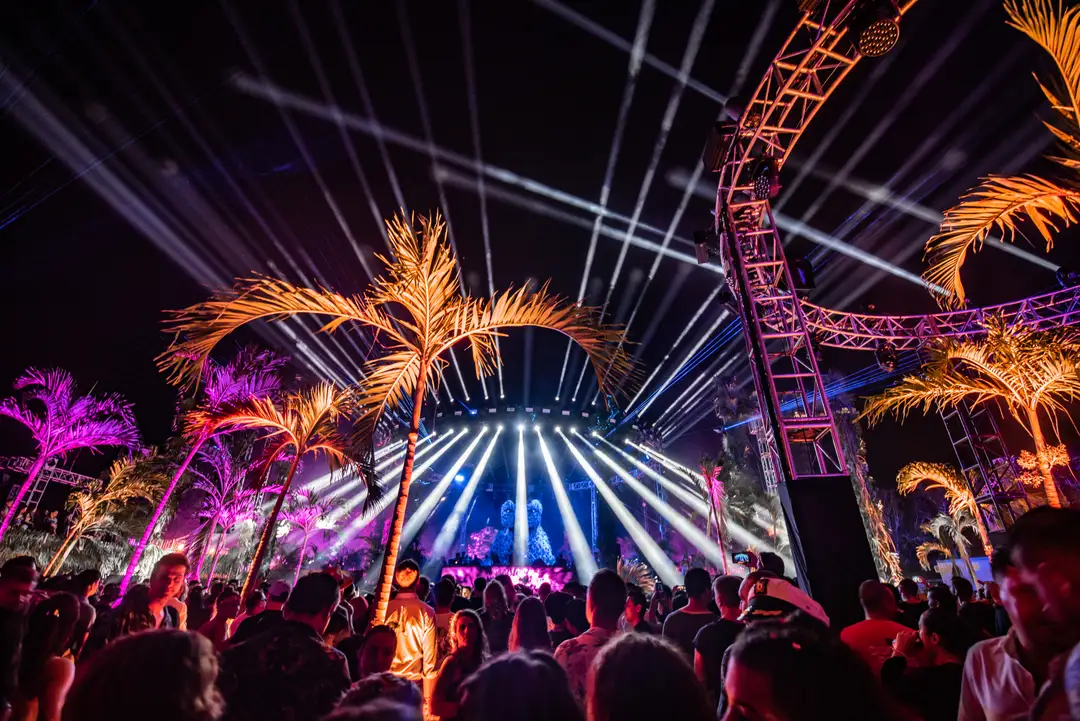
Anyma lands in Tulum on January 4 with ÆDEN. The giant figures are pre-rendered CGI, not AI output, and the difference cost him the Istanbul date.
Renaissance takes Zamna Tulum's New Year's Eve with Sasha, Maceo Plex, Sébastien Léger and Ida Engberg, opening a ten-day anniversary season that ends with Adam Port on January 10.
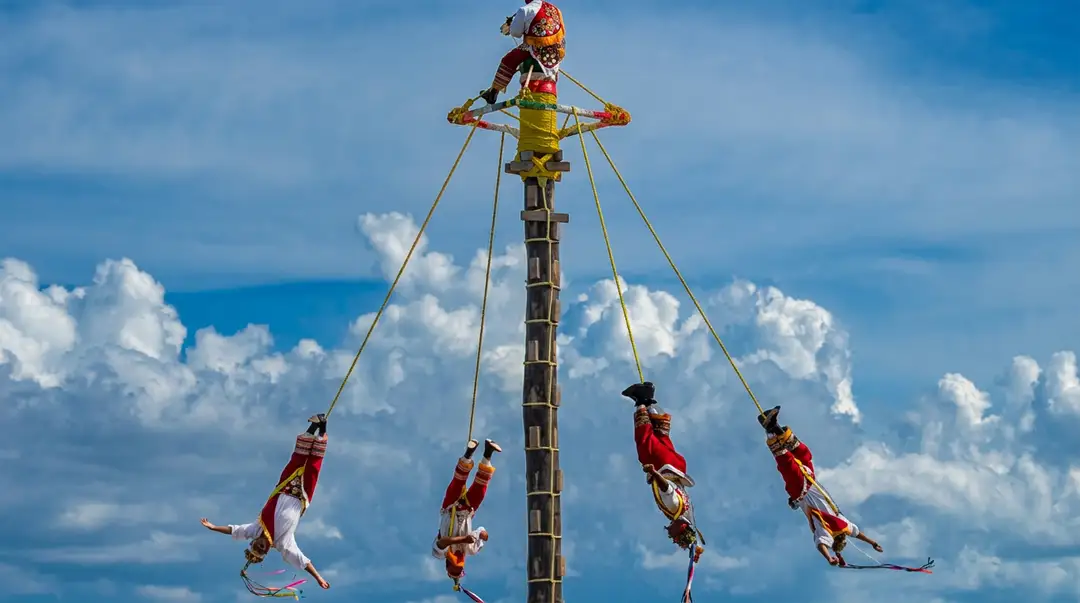
Mexico's Culture Ministry will inspect the ceremonial pole before the Voladores de Papantla return to Tulum, six months after thin crowds drove the flyers away.
Zamna Tulum 2027 has its first ticketed night. Anyma's ÆDEN show lands January 4 with 21 DJs on three stages, general admission from 110 dollars and VIP from 350.
UMusic Hotel and Beach Club Tulum becomes the official hotel of Zamna before it opens. The partnership promises a year-round calendar and names dates only from December 31 to January 10.
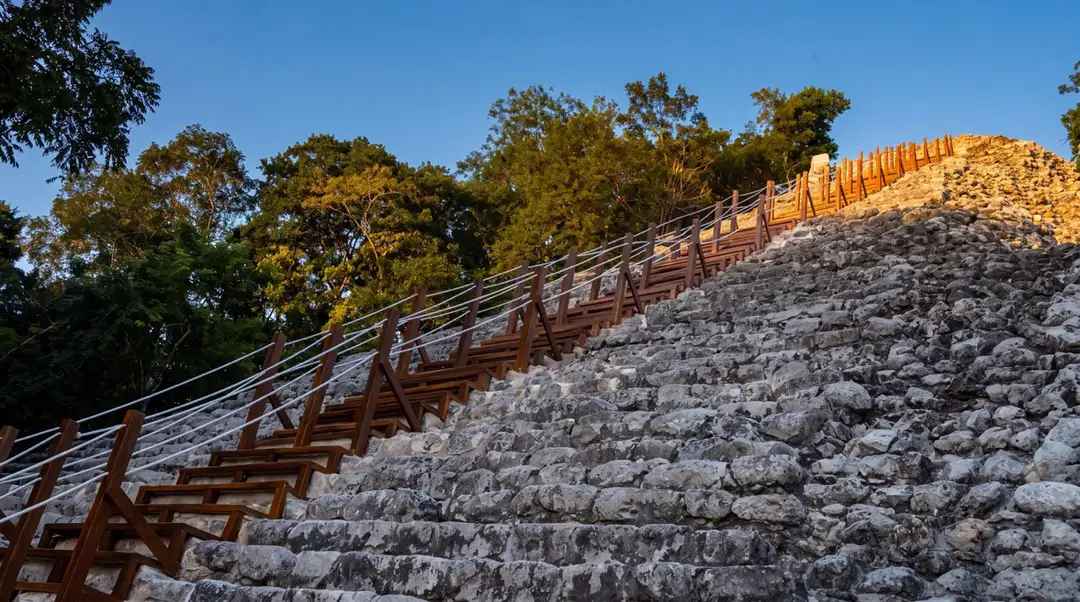
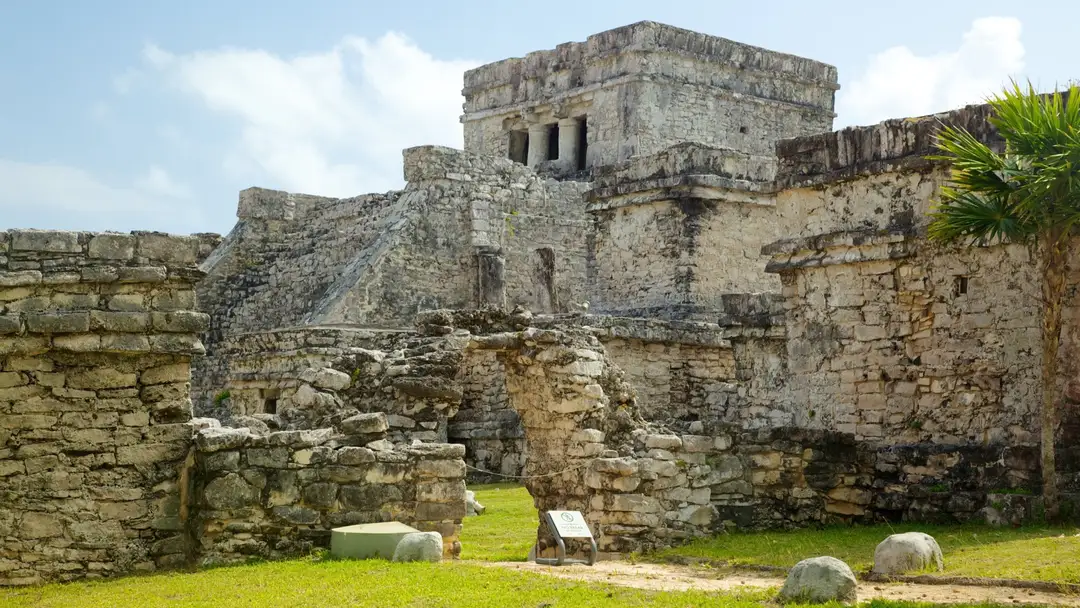
Jaime Garduño Argueta of Centro INAH Quintana Roo says a services area, a wooden staircase, and 47 moved monuments show tourism overriding science at the Tulum archaeological zone, Cobá, and Chetumal.
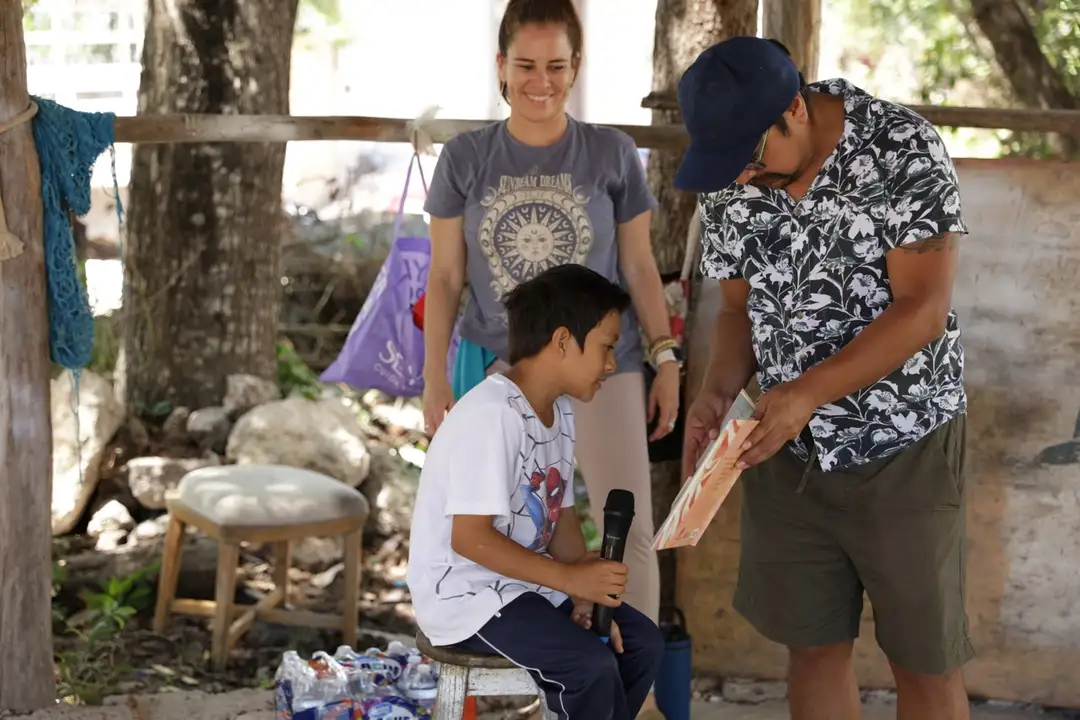
Letras Itinerantes delivered 50 books to 50 children in Tulum's 10 de Octubre neighborhood. Seven more reading days and 350 books are left in the campaign.
More than 300 Maya pieces, 1,200 square meters and no ticket at the door. What the Tulum museum inside Parque del Jaguar still costs a foreign visitor to reach.
UN Tourism, Inmobilia and Thor Urbana place UMusic Hotel Tulum at the center of Tulum Renace, the federal strategy betting on culture to reactivate the destination.
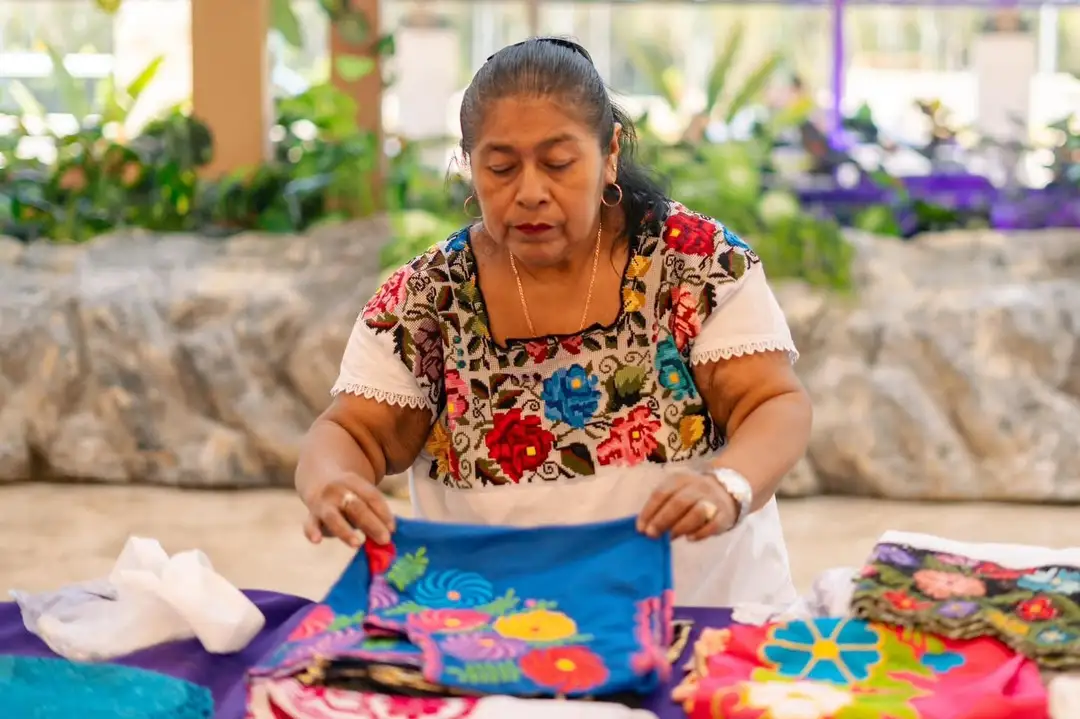
Tulum artisan sales are moving again in Macario Gómez and Francisco Uh May. Ilaria Poot puts the increase at 5 to 10 percent and calls it too early to name a recovery.
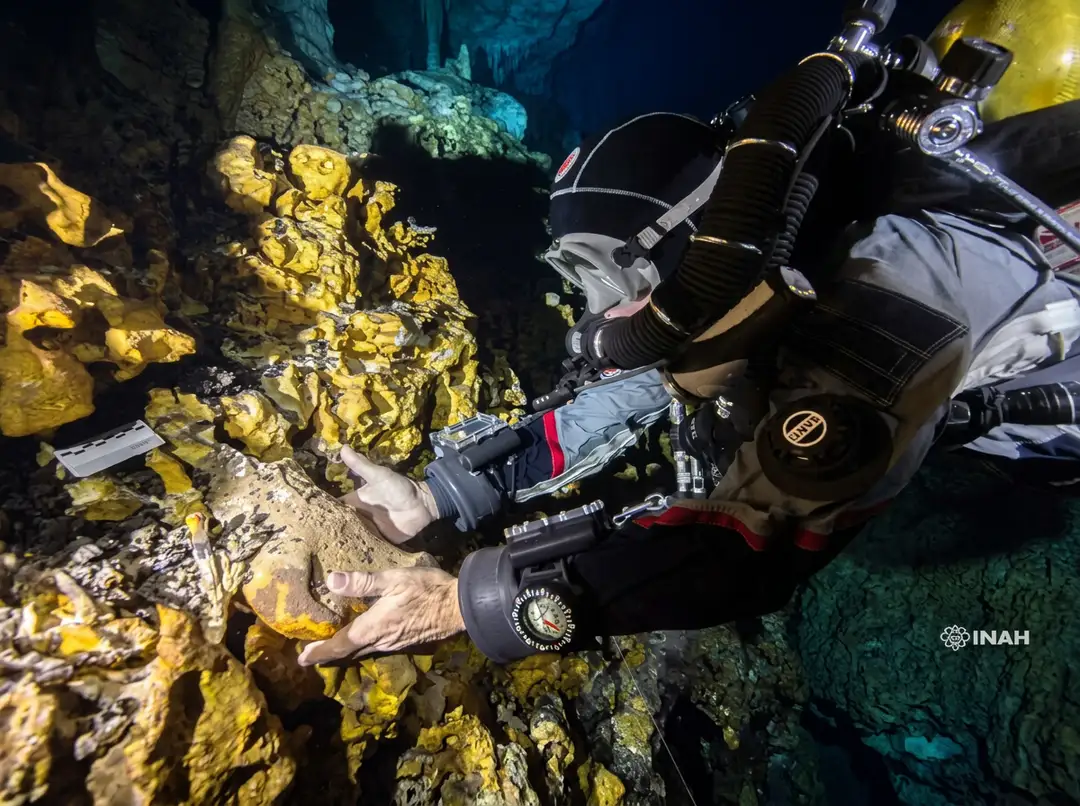
After more than 20 years of shared dives, a signed agreement now supports underwater archaeology in Quintana Roo, extending to Tulum's Hoyo Negro and the region's deepest flooded caves.
The Day Zero Tulum 2027 lineup lands with 30 artists across three stages, an all-Mexican bill at El Teatro, one guest still unnamed, and general release tickets on August 25.
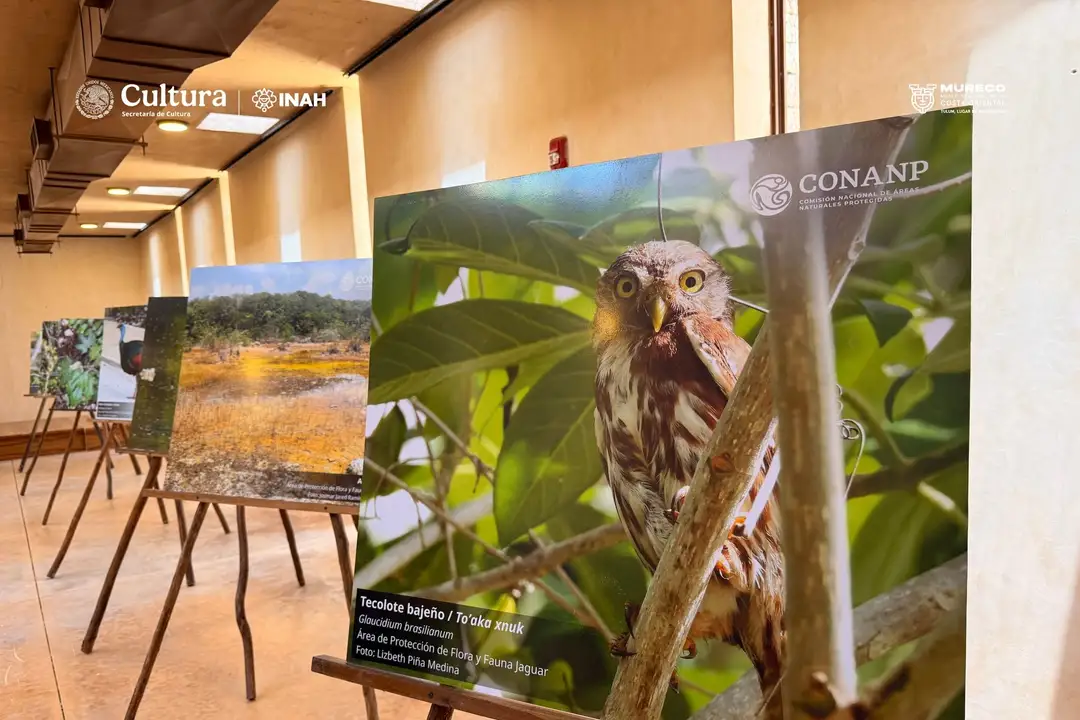
Fifteen images from Parque Nacional Tulum's monitoring rounds hang in the Sala Tunich. The Tulum photo exhibition marks four years of the Jaguar-protected area and closes this week.
From Monday, a Sedena-owned company collects the unified 80-peso fee at the Tulum archaeological zone. The culture workers' union calls it a silent privatization of national heritage
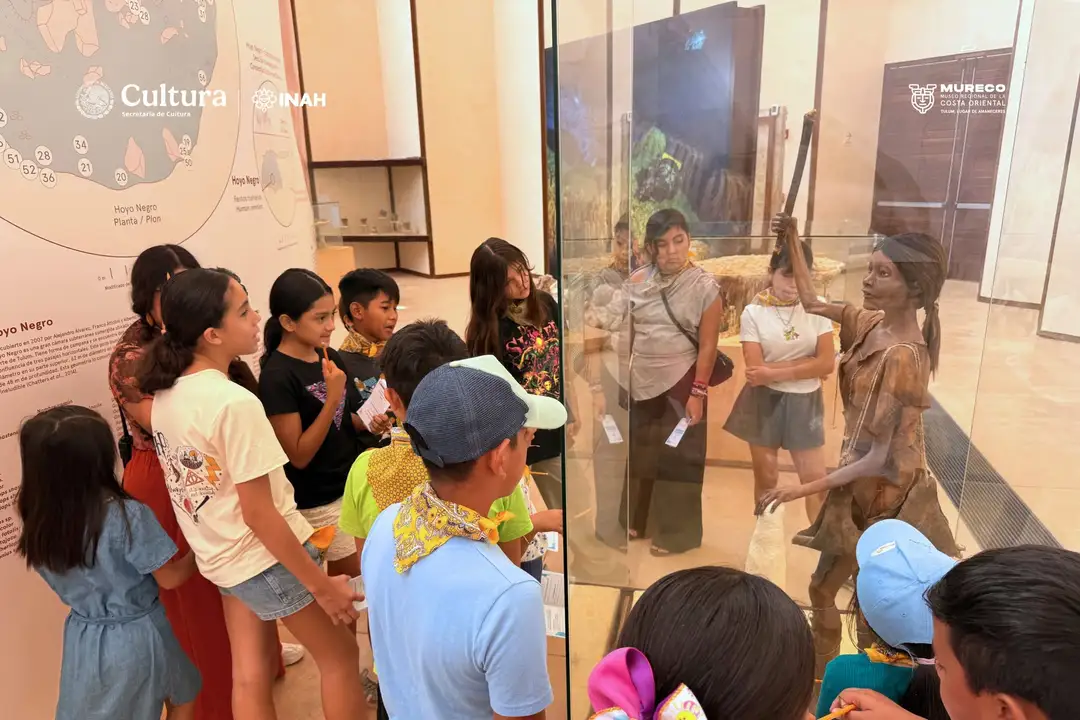
The second edition of a Tulum environmental education program brought children to MURECO, where guided halls and a museum passport turned conservation into hands-on discovery.
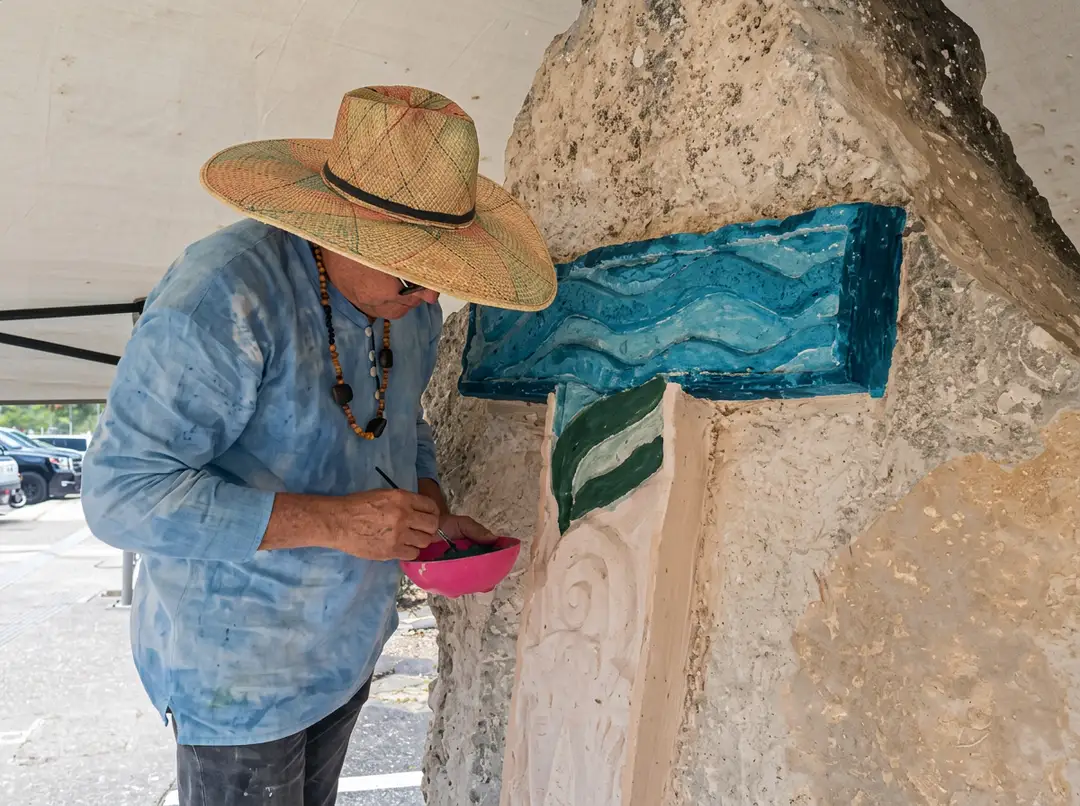
A Maya artist is coating Tulum tourist letters in stucco and handmade mineral pigments, reviving ancient techniques the municipality hopes to spread through community workshops.