Mexico’s history cannot be understood without women. Their courage is woven into every decisive chapter of the nation. From Sor Juana Inés de la Cruz, who defended women’s right to knowledge, to Josefa Ortiz de Dominguez and Leona Vicario, who helped sustain the struggle for independence, to Elvia Carrillo Puerto and generations of women who fought for civil and political rights, women’s leadership has shaped the country’s conscience, culture, and public life.
On International Women’s Day, that national legacy brings us to Tulum. Beyond its beaches and global image, this territory has been sustained by women who preserve memory, organize communities, and transform everyday life into lasting social strength. In Tulum, women are not symbolic figures in the background; they are the pulse that has kept this coast standing through change, pressure, and time.
This story moves across time and across disciplines: archaeology, ancient governance, resistance, gastronomy, textile traditions, muralism, and sport. Together, these histories reveal a single truth: the cultural soul of Tulum has endured because women have protected it, renewed it, and carried it forward.
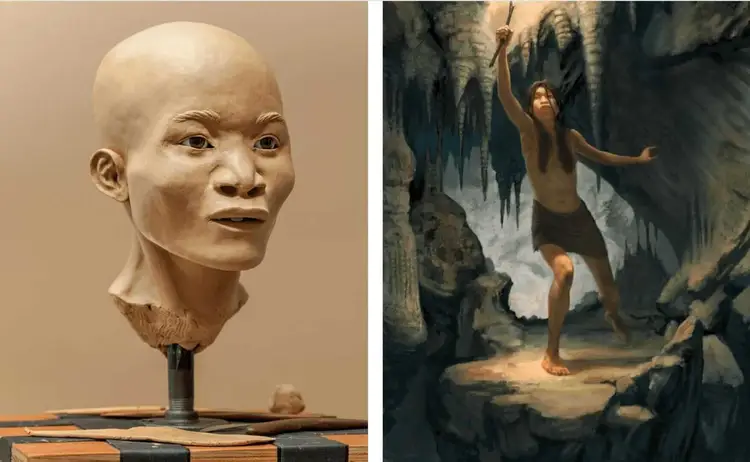
Naia, the Woman of Naharon
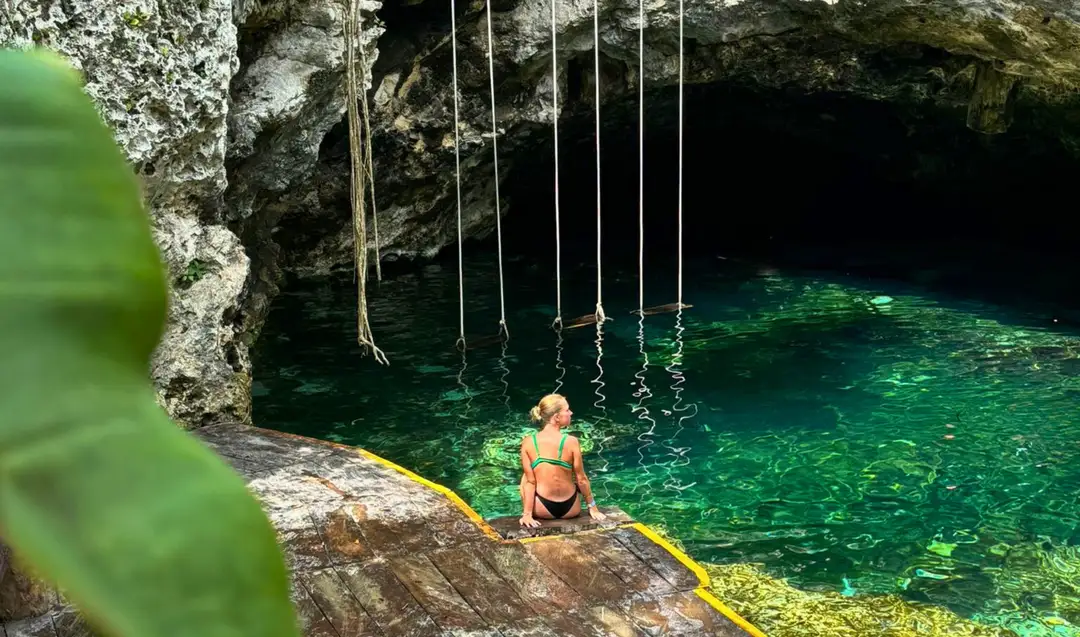
Long before modern borders or institutions, the territory now known as Tulum already held traces of female presence and human continuity. Naia, known as the Woman of Naharon, represents one of the most significant archaeological discoveries in the Americas. Her remains, found in cave systems near Tulum, connect the peninsula to one of the earliest known chapters of human life in this hemisphere.
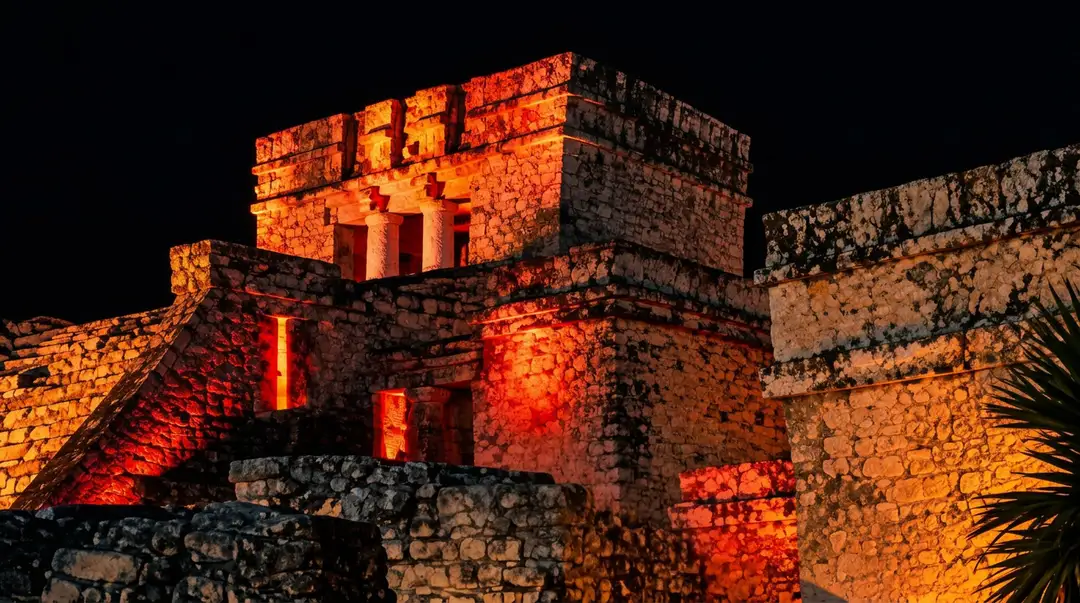
Naia gives this narrative its deepest foundation. She reminds us that women are not recent protagonists in the story of this coast. They have been part of its memory from the earliest layers of time, in a landscape where caves and cenotes preserve not only water and stone, but human legacy and human tenderness.
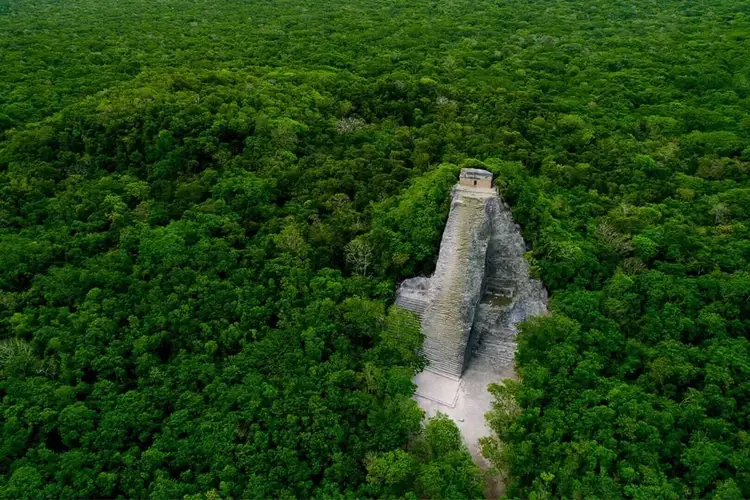
The Queens of Coba: Ixic Yopaat and Ixic K’Awaiil Ajaw
Before contemporary Tulum rose to global prominence, nearby Coba stood as one of the most influential Maya centers in the region. Within that political world, female rulers such as Ixic Yopaat and Ixic K’Awaiil Ajaw represent a decisive chapter in peninsular leadership. Their dynastic authority helped position Coba as a political and economic center, demonstrating that high-level governance in Maya society was not exclusively male.
Their legacy remains essential because it challenges simplified narratives about power in Mesoamerican history. These queens represented strategic thought, territorial administration, and institutional continuity. Recognizing them places Tulum within a broader lineage of female authority that predates colonial structures and continues to resonate today.
The Queen of the East: Maria Uicab and the Spiritual War
To understand Tulum’s modern political memory, one must understand Maria Uicab. In the 1860s, as the Guerra de Castas spread through the Yucatan Peninsula, Maya communities in the eastern jungle organized resistance under extraordinary pressure. Maria Uicab emerged not only as a religious authority but also as the “Santa Patrona,” a figure whose spiritual leadership gave cohesion and direction to the Cruzoob Maya.
As interpreter of the Talking Cross (Cruz Parlante), Uicab transformed belief into political force. Under her influence, Tulum became more than a settlement. It became a strategic and symbolic center of indigenous sovereignty, where spiritual language and collective organization worked together to sustain resistance.
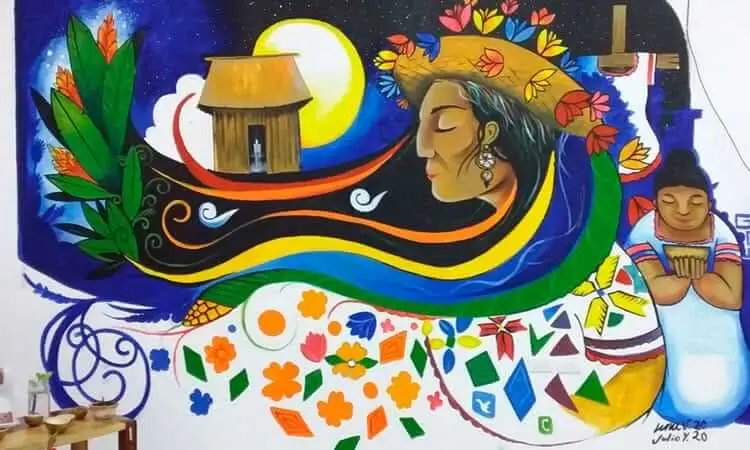
The Iron Hand of the Priestess
Historical accounts often emphasize Uicab’s spiritual role, yet her power was also military and administrative. During the third phase of the Guerra de Castas (1860-1880), she exercised direct command over leaders and fighters, consolidating authority in a period marked by external assault and internal fracture.
Her decisions reflected both political calculation and institutional discipline. By centralizing command and reinforcing legitimacy through ritual authority, she helped stabilize the resistance and preserve regional autonomy for years. Her disappearance from written records after 1875 only deepened her historical force: she became not just a leader of her time, but an enduring symbol of Maya female command.
Strategic Diplomacy and Territorial Defense
Uicab’s leadership also extended to diplomacy. Aware that survival required material resources, she engaged with authorities in Belize (then British Honduras) to secure access to arms and supplies. This cross-border strategy strengthened local defense and reinforced Tulum’s position as a fortress of resistance.
Even the uncertainty around her final years speaks to her impact. Whether she died naturally, was killed in internal conflict, or fell in colonial offensives, her legacy remained active: a model of authority in which political intelligence, military strategy, and spiritual legitimacy were inseparable.
Maria Ady Pech Poot and Culinary Resistance
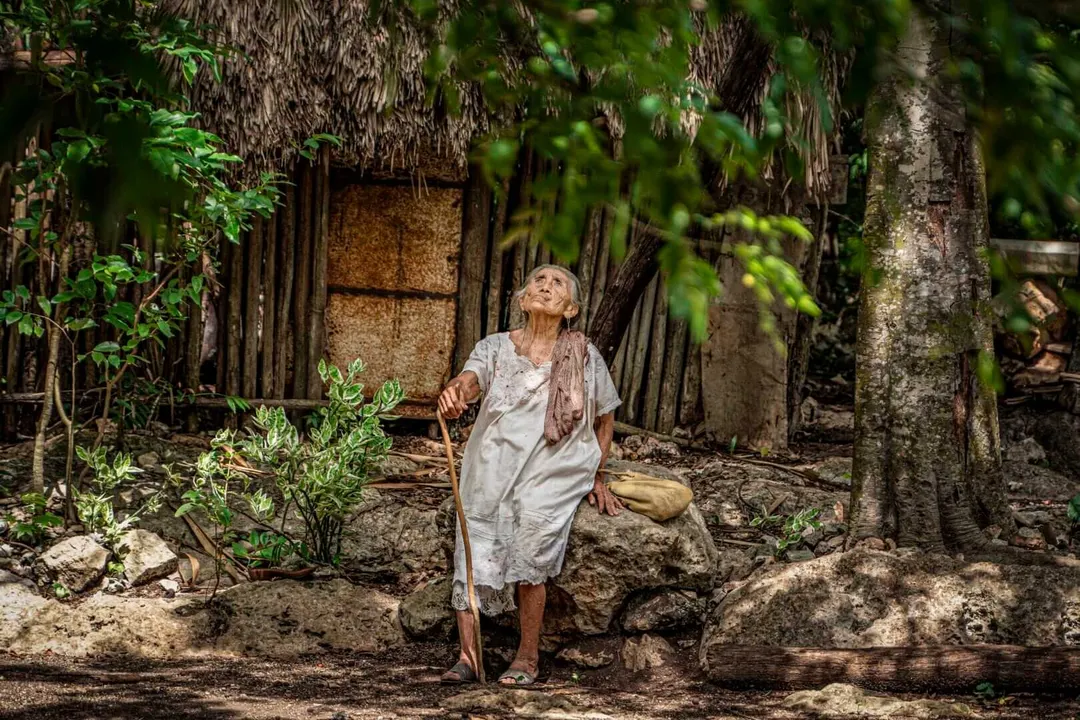
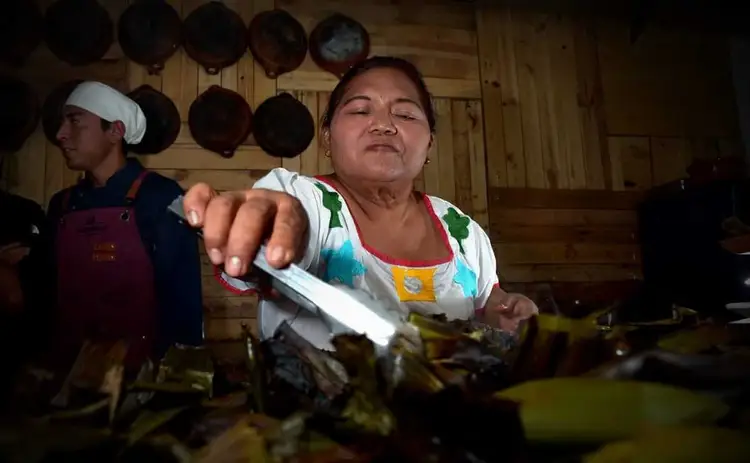
In contemporary Maya territory, leadership is also expressed through food. While archaeological ruins preserve one history, community kitchens preserve another: a living archive of ingredients, techniques, language, and care. In Nuevo Durango, Maria Ady Pech Poot has become a key guardian of food sovereignty by turning traditional cooking into a platform for cultural continuity and community resilience.
As an indigenous producer and traditional cook, she bridges ancestral knowledge and present-day sustainability. Her work strengthens local exchange networks among women, protects native ingredients, and supports household economies. In this context, culinary practice is not nostalgia. It is a strategy: a way to defend identity, secure livelihoods, and keep Maya knowledge alive across generations.
Artisanal Mastery and Economic Defense
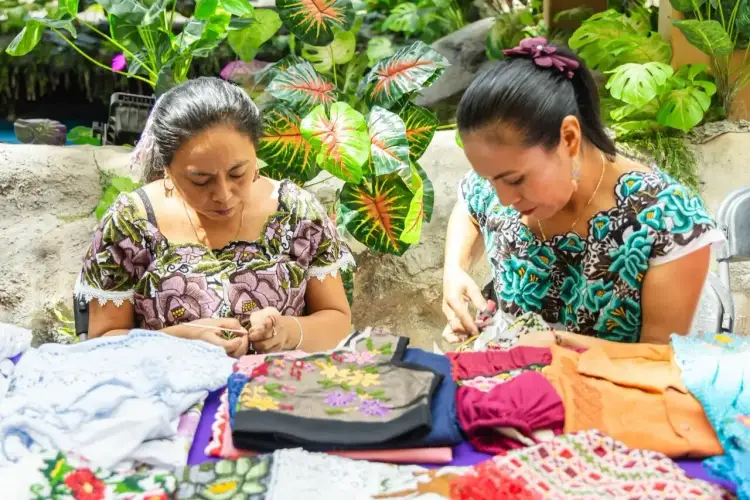
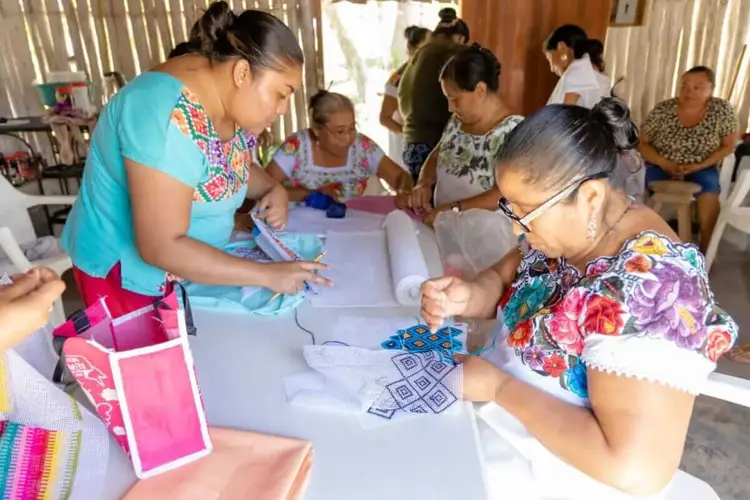
Textile and craft traditions are among the most visible expressions of Maya continuity in the region. Across Quintana Roo, women artisans sustain techniques that carry memory, territory, and identity in every stitch and weave. Their labor protects an intangible cultural heritage that is constantly pressured by imitation markets and mass tourism economies.
In communities such as Hondzonot, San Juan de Dios, Chanchen Primero, and Xpichil, women like Sara May Canche, Maria Benita Dzib Dzib, Maria Alide May, and Amanda Tah Arana represent excellence across generations and methods. Their work demonstrates that craftsmanship in Tulum is not decorative folklore; it is cultural authorship and economic defense.
The Frontline of Authenticity
The tourism boom has created opportunity and distortion at once. As demand rises, imitation products circulate more aggressively, often displacing artisans who work with traditional materials and slower methods. In response, women-led collectives and local corridors have pushed for visibility, fairer sales channels, and recognition of authentic work.
Their struggle is not only about market access. It is about cultural dignity: ensuring that the value generated by Tulum’s image reaches the women whose knowledge has sustained that image for decades.
Muralism as Cultural Reclamation
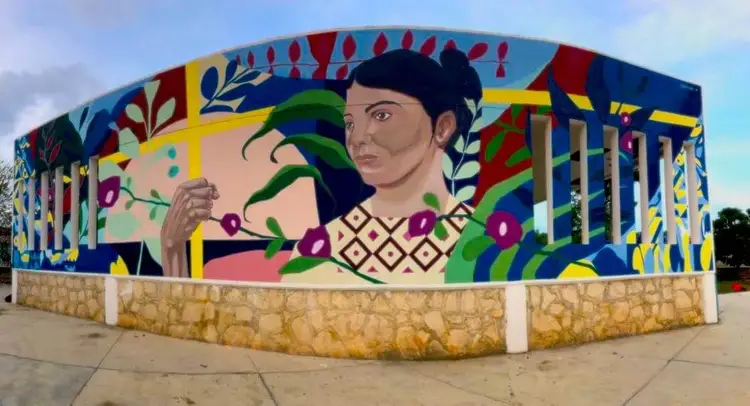
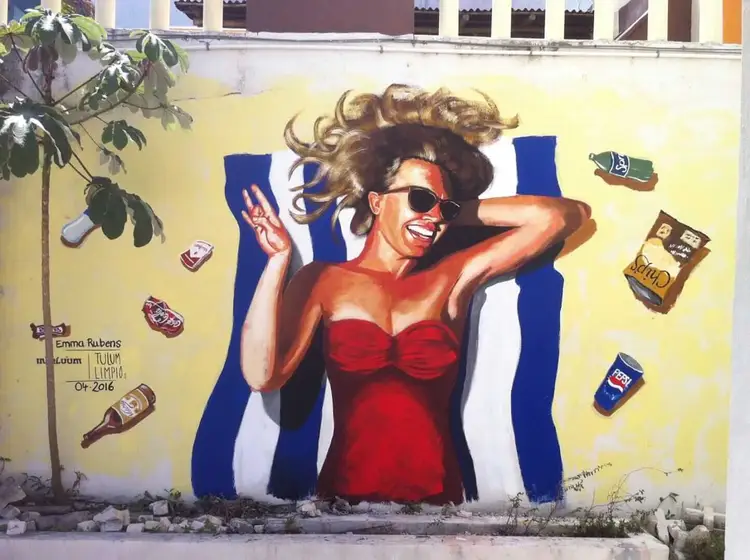
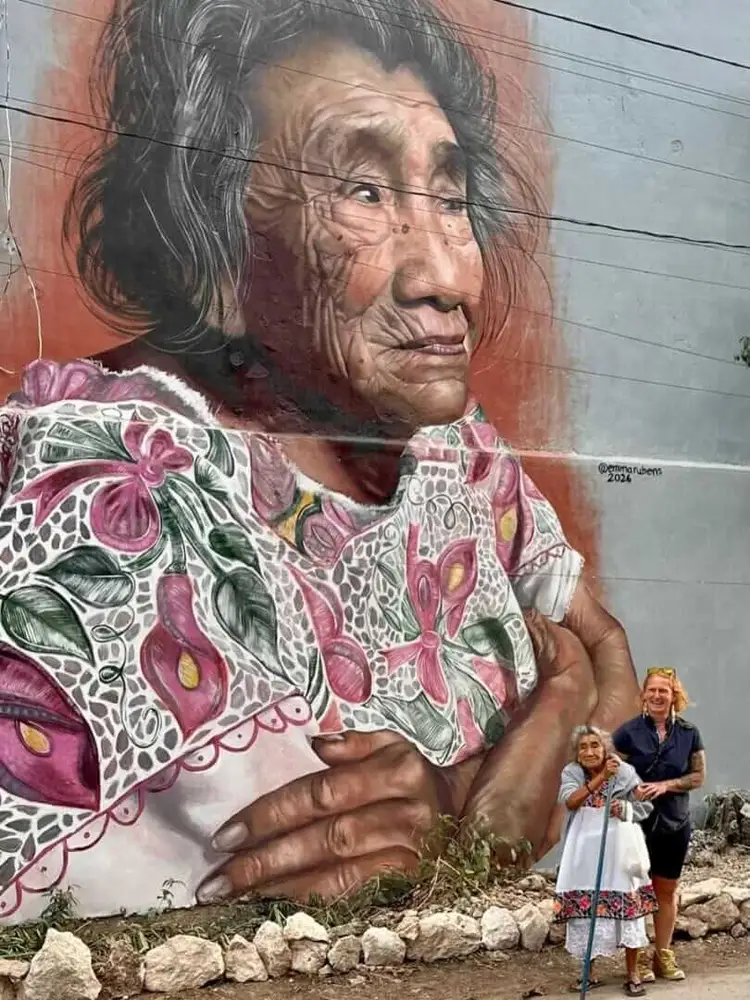
Public art has become another field of female-led narrative power in Tulum. Over the last decade, walls across neighborhoods such as Centro and La Veleta have become cultural surfaces where identity, migration, memory, and environmental tension are made visible.
Artists such as Emma Rubens and Esmeralda Garmendia (EXME), along with local collectives, have expanded the visual language of the town. Through portraiture, symbolism, and experimentation, they shift the gaze from postcard aesthetics to human presence and territorial meaning.
Another key visual landmark is Ven a la Luz, the 10-meter sculpture at Hotel Ahau created by Daniel Popper. Although created by a male artist, its monumental feminine figure has become one of Tulum’s most recognized icons, reinforcing local conversations about nature, feminine energy, and the relationship between body and landscape.
A Collective Voice on the Walls
Muralism in Tulum is increasingly collaborative. Community workshops, festivals, and women-led initiatives have created space for indigenous and local artists to paint their own narratives. In this context, walls function as civic language: they register both pride and protest, and they make visible the social debates that shape the future of the territory.
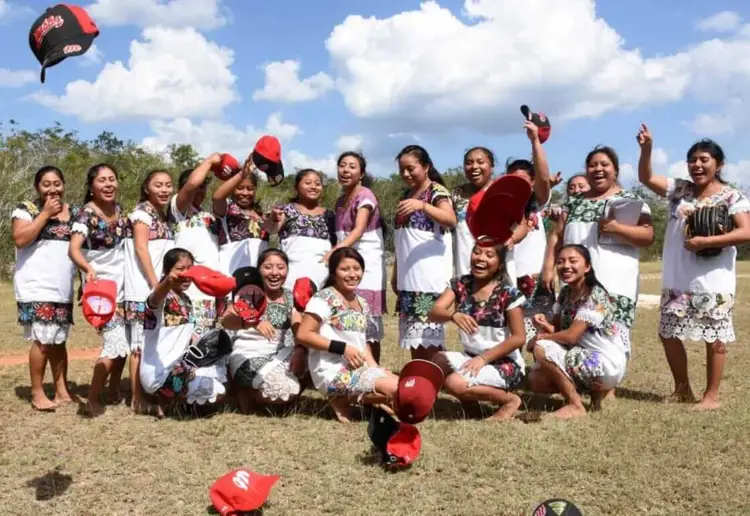
The Rise of Las Diablillas de Hondzonot
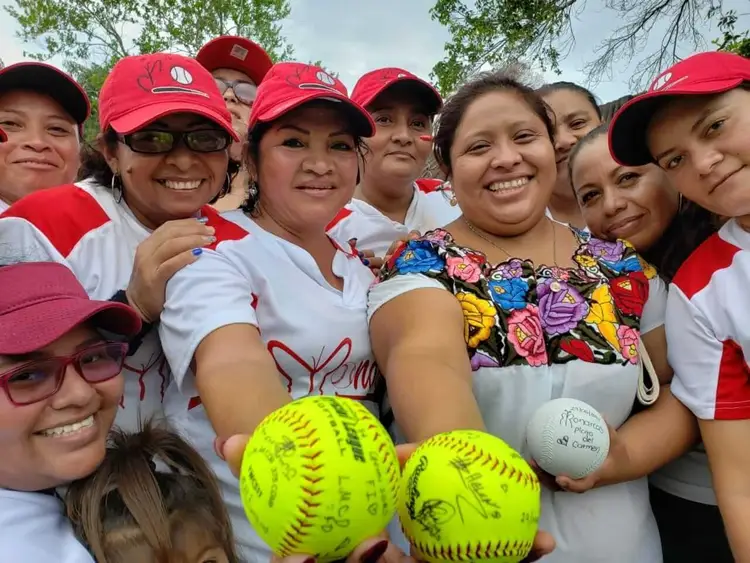
If Maria Uicab embodies historical resistance, Las Diablillas de Hondzonot represent contemporary transformation. This Maya women’s softball team, known for playing barefoot and in traditional huipiles, has become a global symbol of indigenous pride, collective discipline, and joy reclaimed.
Founded by women who began with improvised equipment and limited support, the team turned social stigma into identity. Under the leadership of Fabiola May Chulim, the name “Diablillas” was reclaimed as a sign of strength rather than an insult. Their success has challenged local gender norms, inspired girls to train, and expanded the meaning of leadership in rural communities.
Playing for Sovereignty, Not Just Scores
For Las Diablillas, sport is more than competition. It is a cultural affirmation. By refusing to abandon their attire and playing style, they assert that indigenous identity does not need to be erased to be respected. Their victories on the field matter, but their deeper achievement is social: they have helped renegotiate who is seen, heard, and supported in their community.
A New Era of Female Leadership
Today, women in and around Tulum lead in legal support, education, environmental stewardship, public health, cultural management, entrepreneurship, and neighborhood organization. Their leadership links institutional work with everyday care, shaping both policy and daily life.
This shift is fundamental to Tulum’s long-term stability. A development model built only on an image is fragile. A model sustained by women-led knowledge, community ties, and social responsibility is far more resilient.
The Eternal Pulse: A Tribute to the Women of the Coast
On this International Women’s Day, Tulum offers a clear lesson: women are not an appendix to history; they are one of its principal forces. In kitchens, workshops, schools, murals, sports fields, health initiatives, and community spaces, women continue to sustain life, heal communities, and expand possibilities.
There are thousands of women who make Tulum unique in the world. They are linked to history, culture, gastronomy, health, and well-being. They are deeply committed to community and society. Their work is often quiet, but never small: it feeds families, protects heritage, and gives hope to the next generation. Thanks to them, Tulum continues to grow and continues striving to become better every day.
Their legacy is not only behind us. It is active, present, and still unfolding in every girl who dares, every mother who perseveres, and every woman who keeps building this coast with dignity and love.
Cover photo: Francesca Franchini | Filmmaker & Documentary Photographer https://www.instagram.com/cookie_maestri/

The Tulum Times · Newsletter
The story continues in your inbox.
Essential Tulum news and local insight, a few times a week. Free.
No spam. Unsubscribe anytime.
Tulum Cenotes, Ruins, and Practical Visitor Guides
Guides, access updates, regulations, and practical planning around cenotes and the Tulum archaeological zone.

“The best journalists reporting from paradise, highlighting the heroes that keep Tulum the most beautiful place in the world! THANK YOU!”