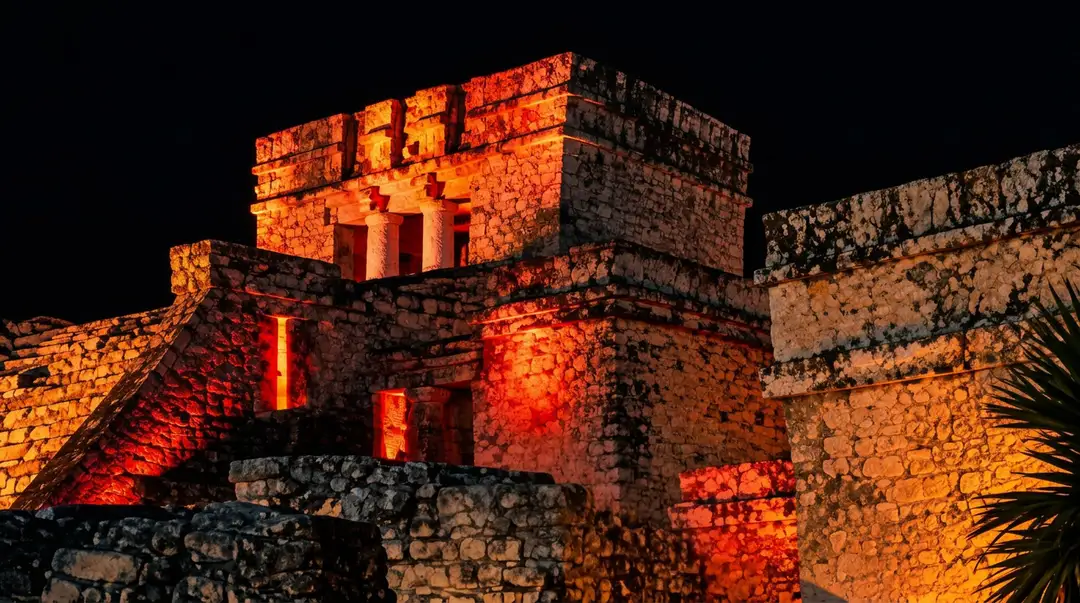
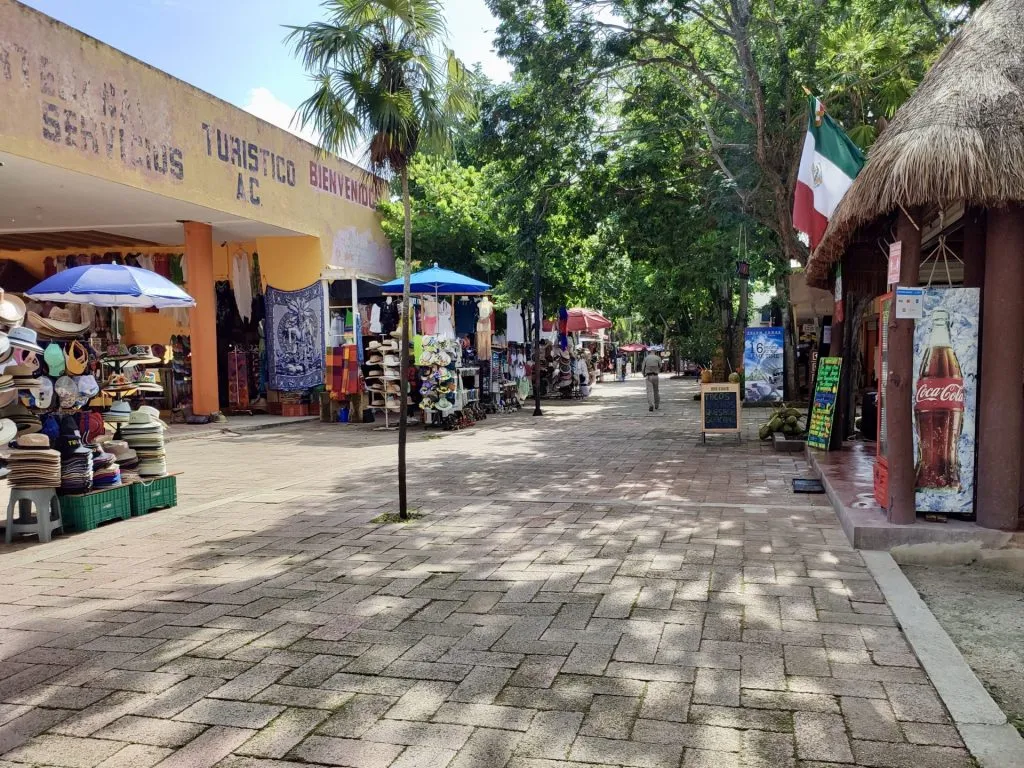
The Tulum Archaeological Zone, once among Quintana Roo's busiest attractions, now receives just four to five tourist groups daily, a collapse to roughly 20 percent of previous visitor levels that is forcing workers to abandon the sector and pushing restaurants into what business owners describe as the worst crisis in years.
Wilbert Tolosa, who provides tourism services at the archaeological site, confirmed the drastic reduction in activity. What previously sustained a network of guides, operators, and support workers now generates income for only a fraction of them. Tour guides, tour operators, and workers linked to site tours are directly affected by the decline, which has transformed the archaeological zone from an economic engine into a source of mounting concern.
The crisis is no longer a temporary dip but a sustained erosion that is reshaping Tulum's labor market. Some workers have already left for Yucatán and northern states. Others remain but earn far less, as employers implement "solidarity breaks" to cut costs. The breaks reduce operational expenses but eliminate workdays and paychecks for families with no alternative income.
Service providers warn that several workers have begun migrating to other states in search of employment opportunities, and concern is growing over the lack of effective strategies to reactivate tourism at one of Quintana Roo's most important destinations.

Restaurants Operating at 10 Percent Capacity
The collapse extends across Tulum's restaurant sector, where the contrast between official discourse about tourism prosperity and ground-level reality grows sharper each month. Dozens of restaurant owners report sales declines of up to 60 percent, multiple closures, and what several describe as one of the most challenging periods the destination has faced in recent memory.
Guillermo Fernández, who has operated food businesses in the destination for 15 years, said the crisis began deepening in 2025 and that the recovery promised for 2026 has not materialized. The high season, he explained, lasted only a few weeks before visitor numbers dropped again.
"This has been one of the most difficult seasons we've experienced. We're approximately 60 percent below normal sales, but costs remain the same or higher," Fernández said. "Colleagues with beach locations are at their worst moments, some operating at just 10 percent occupancy."
Operating costs continue rising even as tourist flow decreases. Business licenses, payroll, rent, and daily expenses maintain pressure on establishments, many of which are barely managing to stay open. Between eight and 15 restaurants have reportedly closed in recent months due to insufficient income and the absence of financial support for the sector.
Business owners report they have not received fiscal incentives, license discounts, or economic support that would help them confront the income collapse. Concern is growing over additional closures and employment impacts in one of the Mexican Caribbean's most important tourism destinations.
Sargassum Persists as Primary Factor
Restaurant owners identify sargassum accumulation as a primary factor affecting Tulum's tourism appeal. Despite the destination's diversification into cenotes and archaeological attractions, beaches remain the main draw for visitors, and their condition directly impacts booking decisions.
The macroalgae continues washing ashore in volumes that damage Tulum's image as a beach destination. Federal, state, and municipal authorities have announced containment strategies and operational responses, but business owners consider these actions insufficient given the scale of the problem and its economic consequences.
Fernández called for an integrated strategy across all three levels of government to address massive sargassum arrivals and strengthen tourism promotion before conditions continue deteriorating.
"There must be a plan against sargassum at the federal, state, and municipal levels, because if we don't do something, we're going to continue seeing very difficult years for Tulum," he warned.
Archaeological Zone Becomes Latest Casualty
The archaeological zone's decline marks a troubling expansion of the crisis beyond hotels and restaurants. The downturn now reaches one of the destination's anchor attractions, historically one of the municipality's most important economic drivers.
Workers at the site report operating with minimal activity. What once generated constant movement and steady income for families now produces empty days and mounting uncertainty. Fewer groups mean less work for guides and operators who built careers around site tours.
The pattern is consistent across sectors. Hotels struggle with low occupancy. Restaurants close. The archaeological zone empties. Workers leave. The labor migration is already underway. The restaurant closures are documented. The visitor collapse at the archaeological zone is confirmed by service providers operating at the site.
What remains unclear is whether authorities will respond with measures that match the severity of what workers and business owners are reporting from the field. Tourism service providers and restaurant entrepreneurs say they need coordinated action across government levels, not statements. They need sargassum containment that works, tourism promotion that addresses the perception problem, and economic support that helps businesses survive until visitors return.
So far, none of that has materialized. The sector is narrowing, employment is shrinking, and Tulum is operating on a fraction of the economic activity that made it one of the Mexican Caribbean's most important destinations.
The gap between official tourism promotion and conditions on the ground continues widening as the sector calls for concrete measures to reverse the decline before more businesses close and more workers abandon one of Quintana Roo's most emblematic tourism destinations.
What would it take to restore confidence in Tulum as a destination? Join the conversation and share your perspective with us on Instagram and Facebook at @thetulumtimes.

The Tulum Times · Newsletter
The story continues in your inbox.
Essential Tulum news and local insight, a few times a week. Free.
No spam. Unsubscribe anytime.
Tulum Restaurants, Beach Clubs, and Nightlife Guide
Food, dining, beach clubs, and nightlife coverage for visitors looking for practical choices, current openings, and the mood of Tulum after dark.

“The best journalists reporting from paradise, highlighting the heroes that keep Tulum the most beautiful place in the world! THANK YOU!”