

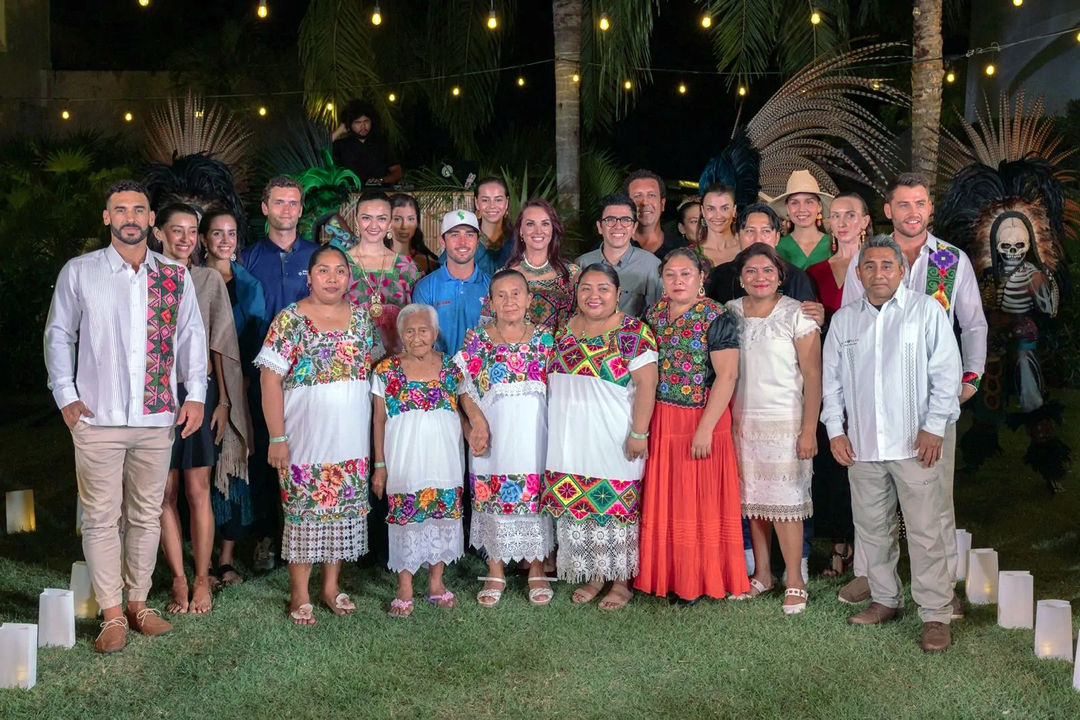
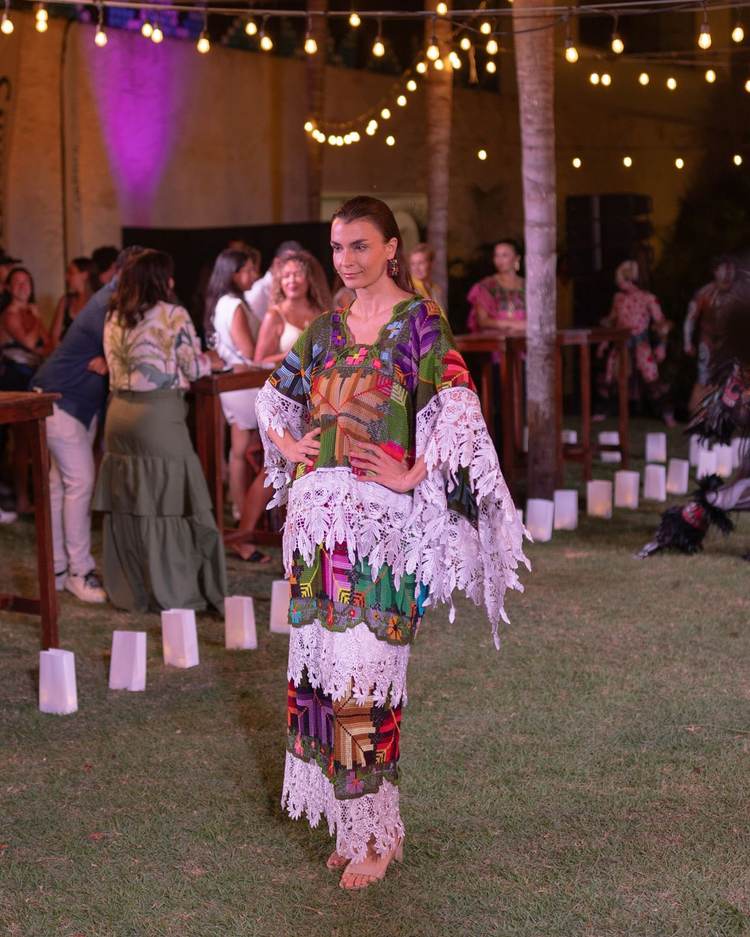
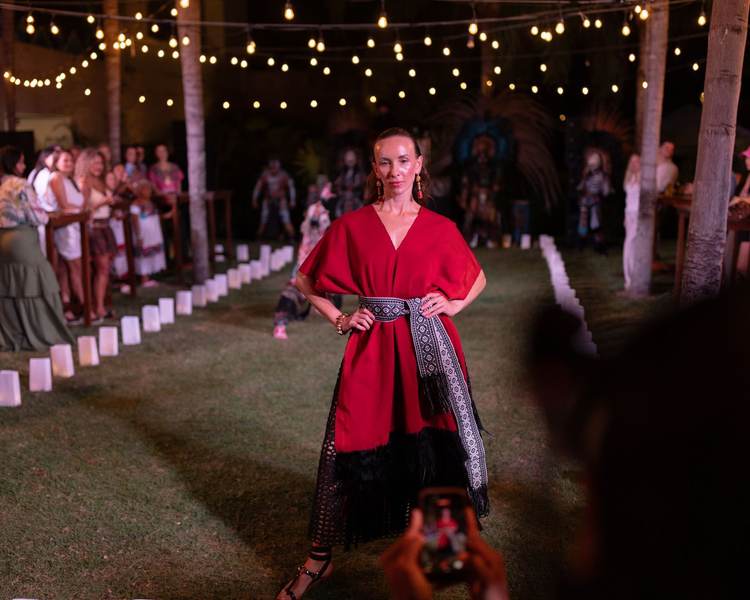
The silence of the green at the Tulum Championship was momentarily interrupted not by the swing of a club, but by the rhythmic echo of Pre-Hispanic drums and the rustle of traditional embroidery. As the second day of competition at PGA Riviera Maya drew to a close, the tournament transcended its status as a premier stop on the Korn Ferry Tour. The debut of the Tulum Championship cultural heritage showcase created an unexpected bridge between the elite world of professional golf and the deep, living heritage of the Mayan people.
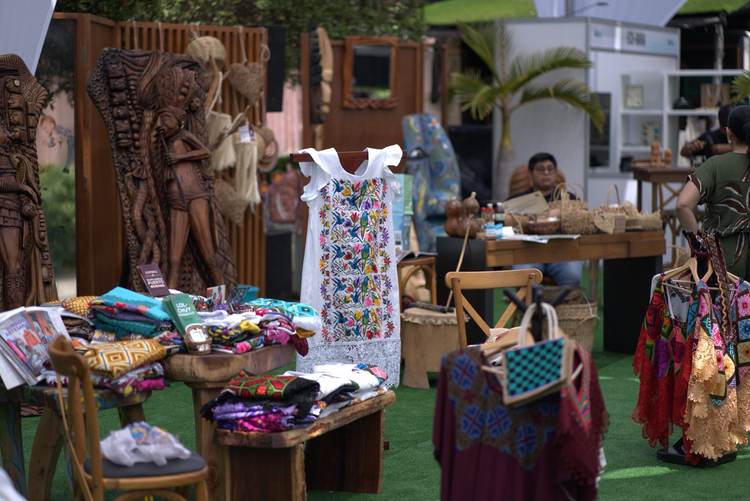
What began as a cultural interlude on the sidelines of the Real Estate & Golf Division of Piñero has evolved into a strategic statement on the role of luxury developments in preserving local identity. The event, which featured a runway of indigenous textiles and a curated exhibition of over 195 artisanal pieces, signals a shift from seasonal performance to a permanent institutional commitment.
A Strategic Tulum Championship Cultural Heritage Platform
For the international field of 156 golfers and the global audience tuned into the circuit, the Tulum Championship offered a sensory encounter with Quintana Roo that few athletic events can replicate. The showcase, coordinated by the Instituto de Cultura y las Artes (ICA) of Quintana Roo in alliance with Tulum Country Club, brought the talent of more than 10 communities from Felipe Carrillo Puerto, Puerto Morelos, Playa del Carmen, and Tulum directly into the high-stakes environment of professional sport.
Lilian Villanueva, General Director of the ICA, underscored the intentionality behind the presence of the artisans. “The Tulum Championship gave us the opportunity to take the art, culture, and tradition of our native communities to a forum with international reach,” Villanueva stated. “This is exactly what we seek: that the living heritage of Mexico occupies the most important stages in the world.”

The pieces displayed were more than mere souvenirs. They represented a rigorous selection of tallado en madera (wood carving), textiles, conchas marinas (seashell art), fibers, and jewelry, alongside the sustainable production of melipona honey and the community tourism initiatives under the Maya Ka’an brand.
The Structural Shift: From Event to Exhibition
One of the most significant outcomes of the cultural night was the announcement by Álvaro Moya, Country Manager of Tulum Country Club, regarding the establishment of a permanent space for local artisans. Located within the main lobby of the clubhouse, this gallery represents a structural commitment that extends far beyond the four days of the tournament.
“At Tulum Country Club, we have spent years betting on initiatives that position the destination and give visibility to Quintana Roo and its people,” Moya remarked. Moya noted that the Korn Ferry Tour provides an exceptional platform for this visibility, and that integrating the work of the ICA and the artisans themselves is exactly the type of initiative that makes sense for the development. “The permanent space we will open in the clubhouse lobby is our commitment that this visibility does not stay just in one week,” he added.
This move addresses a long-standing critique of large-scale tourism and real estate projects in the Mexican Caribbean: the tendency to treat cultural heritage as a commodified backdrop rather than an active, participating partner. By providing a fixed, high-traffic location for artisans from communities like X-Pichil and Felipe Carrillo Puerto, the development is creating an direct economic link between international wealth and rural preservation.

Institutional Support and Regional Impact
The presence of Deputy Euterpe Alicia Gutiérrez Valasis, President of the Commission for Tourism and International Affairs of the XVIII Legislature of Quintana Roo, highlighted the legislative weight behind the initiative. Her participation reflects a broader state strategy led by Governor Mara Lezama to link culture, tourism, and international sports as a unified engine for regional development.
This coordination between the ICA, the Secretary of Tourism (SEDETUR), and the Tourism Promotion Council of Quintana Roo (CPTQ) ensure that the cultural presence at the Tulum Championship is not an isolated PR exercise. Instead, it is part of a deliberate effort to diversify the tourism offering of the region, encouraging high-net-worth visitors to explore the inland Mayan Zone and the sustainable circuits of Maya Ka’an.
The Human Element: Golfers and Artisans
The cultural showcase also resonated with the players themselves. Alejandro Madariaga, one of the two Mexican representatives in the field who successfully made the cut at the tournament, was among the attendees during the recognition of the artisans. For Madariaga, who competes via a sponsor exemption, the night was a reminder of the unique identity that the Tulum Championship carries compared to other stops on the Korn Ferry Tour.
The recognition ceremony, where artisans were honored for their contribution to the artistic fabric of the state, served as the emotional anchor of the evening. It was a rare moment where the technical precision of professional golf met the ancestral precision of the loom and the chisel.
A Legacy of Visibility
As the tournament continues toward its Sunday conclusion, the artisan exhibition remains open in the Fan Zone, offering visitors a final chance to engage with the heritage of the region before the champion is crowned. However, the true legacy of the 2026 edition will likely be measured by the success of the new permanent gallery in the clubhouse lobby.
By integrating the living heritage of Quintana Roo into the core infrastructure of the destination, Tulum Country Club and the ICA have set a new standard for cultural integration in the Riviera Maya. The "Tulum Championship" is no longer just a filter for the future stars of the PGA Tour; it has become a megaphone for the artisans who have guarded the cultural soul of the region for generations.
Is the integration of local heritage into international sports events the key to sustainable luxury tourism in the Riviera Maya? Join the conversation and share your perspective with us on Instagram and Facebook at @thetulumtimes.

The Tulum Times · Newsletter
The story continues in your inbox.
Essential Tulum news and local insight, a few times a week. Free.
No spam. Unsubscribe anytime.
Transportation in Tulum: Taxi, Bus, Transfers, and Mobility
Taxi fares, buses, transfers, road changes, mobility updates, and practical transport guidance for Tulum.

“The best journalists reporting from paradise, highlighting the heroes that keep Tulum the most beautiful place in the world! THANK YOU!”


