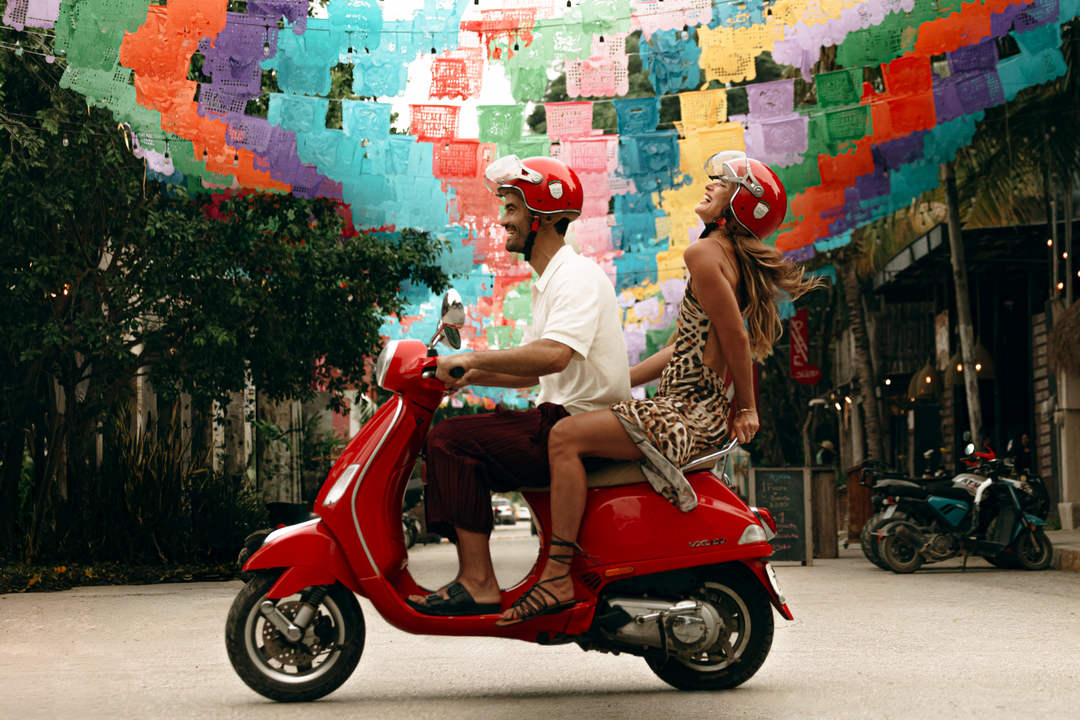

Tulum is dedicating two full days to the bee.
The city's municipal government has announced a honey fair at the Palacio Municipal esplanade that brings together artisanal producers from Maya communities, an exhibition focused on the melipona bee, school visits, and live cultural programming including folklore performances and salsa groups to close each evening.
The event was announced by Melitón González Pérez, director of Economic Development for the municipality of Tulum, who described the fair as both a cultural showcase and a deliberate step in the destination's tourism strategy.
What the Fair Offers
Vendors from the Zona Maya will sell handmade products derived from honey, including soaps, shampoos, creams, and other artisanal items that reflect generations of traditional production knowledge. A dedicated exhibition on the melipona bee will anchor the cultural program, giving visitors and residents a structured look at the species and its role in Maya cosmology and local ecology.
School groups are among the invited audiences. The municipality has incorporated scheduled visits so students can engage directly with the exhibition and learn about the environmental role bees play in pollination and regional agricultural sustainability.

Cultural and musical performances are scheduled across both days, with folklore shows and salsa groups rounding out the evenings.
The Melipona Bee and Its Significance
The melipona bee, also known as Xunan Kab in the Maya tradition, is a stingless species native to the Yucatan Peninsula and historically central to Maya spiritual and agricultural life. Unlike commercial honeybees, the melipona produces a smaller yield of honey with distinct medicinal and culinary properties that have been documented for centuries.
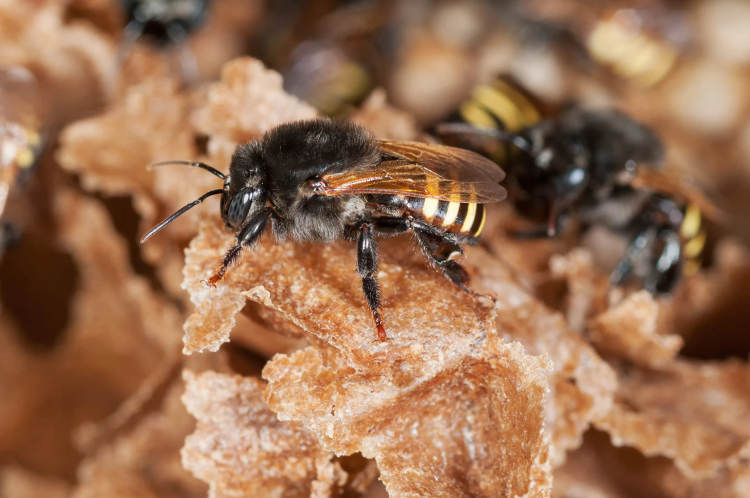
Beekeeping communities throughout the Zona Maya have maintained melipona cultivation as part of the household economy, though the practice has faced pressure from deforestation, pesticide use, and habitat fragmentation. Researchers and conservation groups have repeatedly flagged the species as ecologically critical given its pollination role in native flora.
A public fair of this scale gives producers a platform that goes beyond local markets. For rural families whose income depends partly on honey derivatives, access to visitors and institutional promotional infrastructure represents a concrete economic opening.

Tourism and Local Economy
González Pérez was direct about the event's dual purpose. The fair, he said, is designed to diversify Tulum's tourism offer while giving visibility to the cultural traditions embedded in regional honey production.
Promotion of the event began weeks in advance on national and international tourism platforms, according to the municipal official, a sign that the city is treating this as a destination-level attraction rather than a neighborhood market.
Tulum has positioned itself aggressively as an eco-conscious and culturally rich destination, and events that connect visitors to living indigenous practices fit neatly into that identity. Whether a honey fair translates into sustained support for Maya beekeeping communities, however, will depend on structures that outlast the two days of programming.
Fair Details
The event takes place at the Palacio Municipal esplanade in Tulum. Programming runs across two days and includes vendor stands, the melipona exhibition, school visits, and evening cultural performances.
Is Tulum doing enough to support the artisanal producers and beekeeping traditions behind events like this one? Join the conversation and share your perspective with us on Instagram and Facebook at @thetulumtimes.

The Tulum Times · Newsletter
The story continues in your inbox.
Essential Tulum news and local insight, a few times a week. Free.
No spam. Unsubscribe anytime.

“The best journalists reporting from paradise, highlighting the heroes that keep Tulum the most beautiful place in the world! THANK YOU!”