

Tulum has activated reinforced monitoring and conservation measures across its beaches as the 2026 sea turtle nesting season officially opened on May 1. The protection period runs through November 1, covering the critical months when marine turtles arrive to lay eggs along one of the Caribbean's most ecologically significant stretches of coastline.
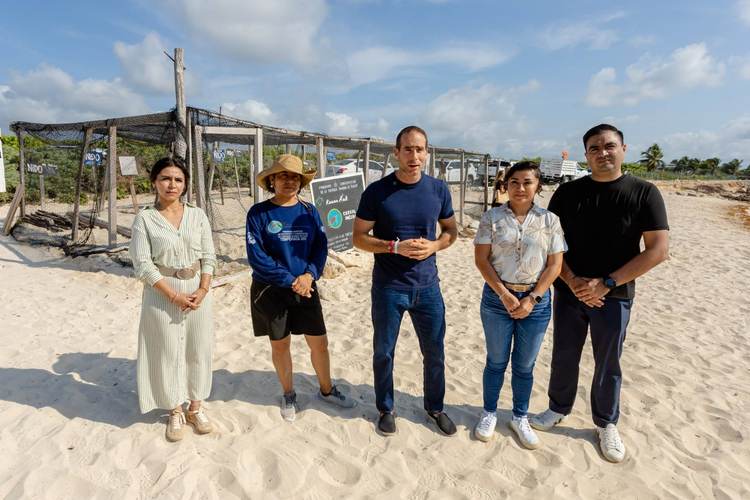
The municipal government conducted a coastal inspection on May 8 to assess readiness and oversee protection operations. During the visit, officials toured the Kanan Ak turtle camp operated by the municipality and met with personnel responsible for nest monitoring and protection operations.
Four Species Nest in Tulum Waters
Tulum's beaches serve as nesting grounds for four of the seven sea turtle species found worldwide. The municipality has emerged as one of the most important nesting sites globally, drawing international attention from conservation organizations and marine biologists.
The nesting species include loggerhead, green, hawksbill, and occasionally leatherback turtles. Each species faces distinct threats, and all are classified as vulnerable or endangered under international conservation protocols.

Municipal authorities emphasized the global significance of the local nesting population during the beach inspection. Tulum ranks among the most critical nesting zones in the Western Hemisphere, with annual arrivals documented and monitored by environmental agencies.

Municipal Government Activates Protection Protocol
The Tulum municipal government has launched coordinated operations involving environmental agencies and volunteer groups. Permanent patrols now monitor priority nesting zones, with personnel stationed at protected camps along the coast.
The Kanan Ak camp has been secured with updated perimeter controls and lighting restrictions designed to minimize disruption to nesting turtles. Female turtles are highly sensitive to artificial light, which can disorient them and prevent successful nesting attempts.
Municipal crews are conducting daily sweeps to identify new nests, mark protected areas, and relocate eggs when nests are discovered in high-risk zones exposed to human traffic or flooding.

Public Cooperation Essential for Species Survival
The municipal government issued specific guidelines for residents and visitors to reduce human impact during the nesting season. The public is urged to maintain distance from nesting turtles, turn off lights on beaches, respect marked nests, and report sightings to emergency services at 911.
Artificial lighting from beachfront properties and hotels poses one of the most serious threats to nesting success. Light pollution can prevent female turtles from coming ashore and disorient hatchlings, causing them to crawl inland instead of toward the ocean.
The municipal government is working with hotel operators and property owners to implement voluntary lighting restrictions in coastal zones during peak nesting hours, typically between dusk and dawn.
Awareness Campaigns Target Tourists and Residents
The municipality has launched public awareness campaigns aimed at both the local population and the millions of tourists who visit Tulum annually. Educational materials distributed at hotels, beaches, and public spaces explain the nesting cycle, legal protections, and how to report sightings or disturbances.
Violating federal protections for sea turtles, their nests, or eggs carries significant legal penalties under Mexican environmental law. Disturbing a nest, removing eggs, or harassing nesting turtles can result in fines and potential criminal charges.
Volunteer groups trained in sea turtle conservation are assisting municipal teams with nest monitoring, data collection, and public outreach. Volunteers patrol beaches at night to document nesting activity and ensure compliance with protection protocols.
Tulum's Role in Regional Conservation Strategy
Tulum's nesting beaches are part of a broader conservation corridor along the Riviera Maya and Caribbean coast. Coordination with state and federal environmental agencies ensures consistent protection standards and data sharing across municipal boundaries.
The Mexican government, through the National Commission of Natural Protected Areas (CONANP) and the Ministry of Environment and Natural Resources (SEMARNAT), provides technical support and regulatory oversight for sea turtle conservation efforts.
Tulum's municipal administration has committed to maintaining year-round collaboration with these agencies to strengthen long-term conservation outcomes beyond the annual nesting season.
What role should beachfront businesses play in reducing light pollution during nesting season? Join the conversation and share your perspective with us on Instagram and Facebook at @thetulumtimes.

The Tulum Times · Newsletter
The story continues in your inbox.
Essential Tulum news and local insight, a few times a week. Free.
No spam. Unsubscribe anytime.
Transportation in Tulum: Taxi, Bus, Transfers, and Mobility
Taxi fares, buses, transfers, road changes, mobility updates, and practical transport guidance for Tulum.

“The best journalists reporting from paradise, highlighting the heroes that keep Tulum the most beautiful place in the world! THANK YOU!”