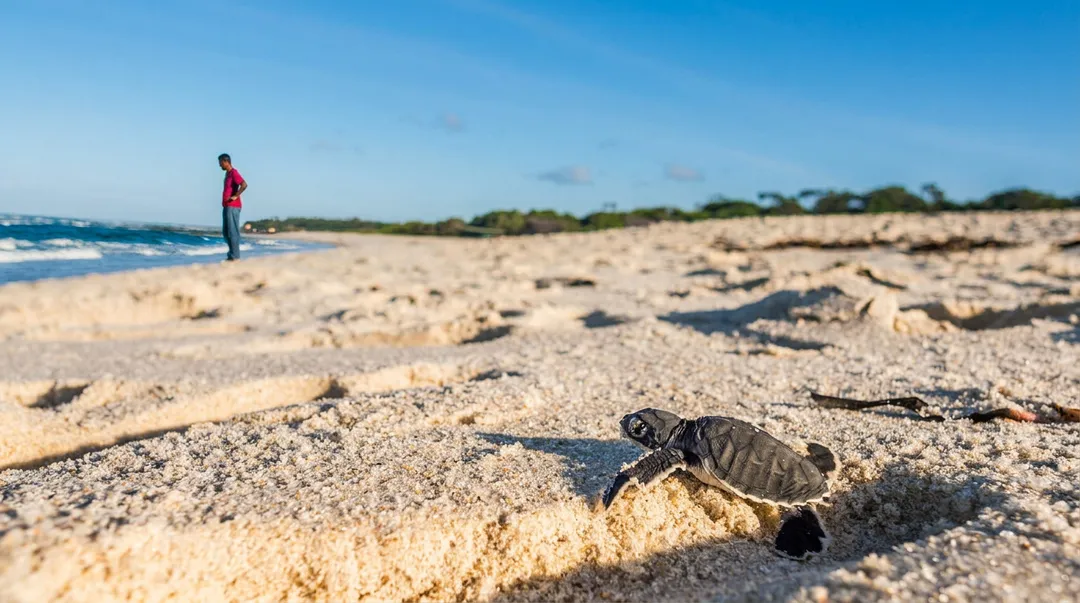
A Tulum environmental group is collecting 30,000 signatures to expand the Xcacel sea turtle sanctuary beyond its roughly 35 hectares of beach, carrying protection into the mangroves, cenotes, and jungle behind the sand.
The petition, led by the Grupo Ecológico del Mayab (GEMA), asks that the larger area be written into the update of Tulum's Local Ecological Zoning Program with a density-zero classification, which would rule out new construction on that land.
The timing is deliberate. The zoning update will set land-use rules for Tulum's coast and jungle for years, and GEMA wants the expansion inside the document before those criteria are finalized.
Density zero for the land behind Xcacel-Xcacelito
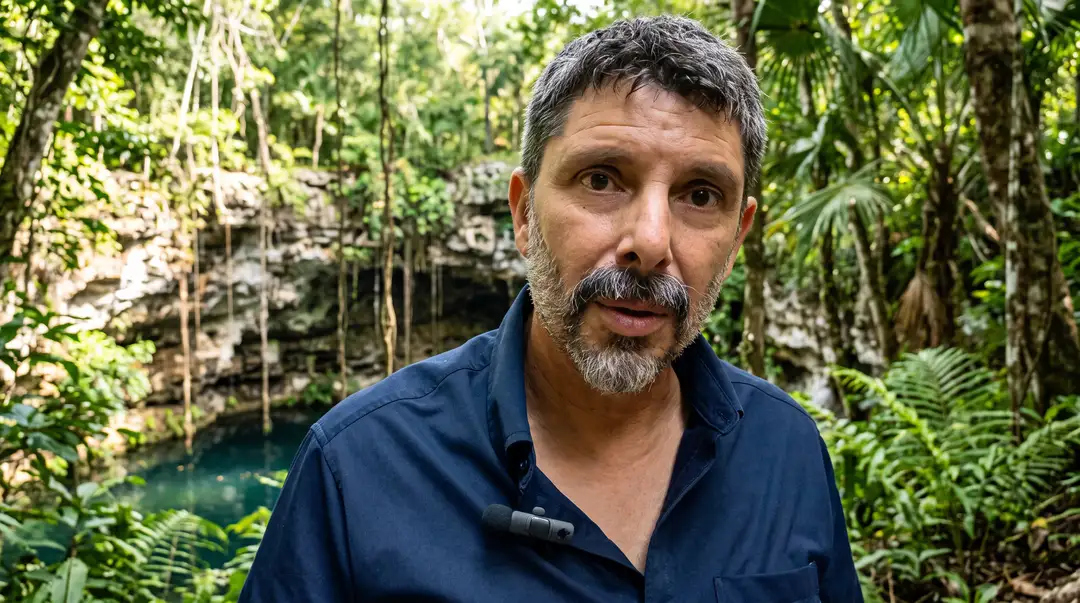
Aracely Domínguez, president of GEMA, said the sanctuary currently covers between 34 and 35 hectares. She considers that too small to protect the environmental system that allows sea turtles to reproduce there.
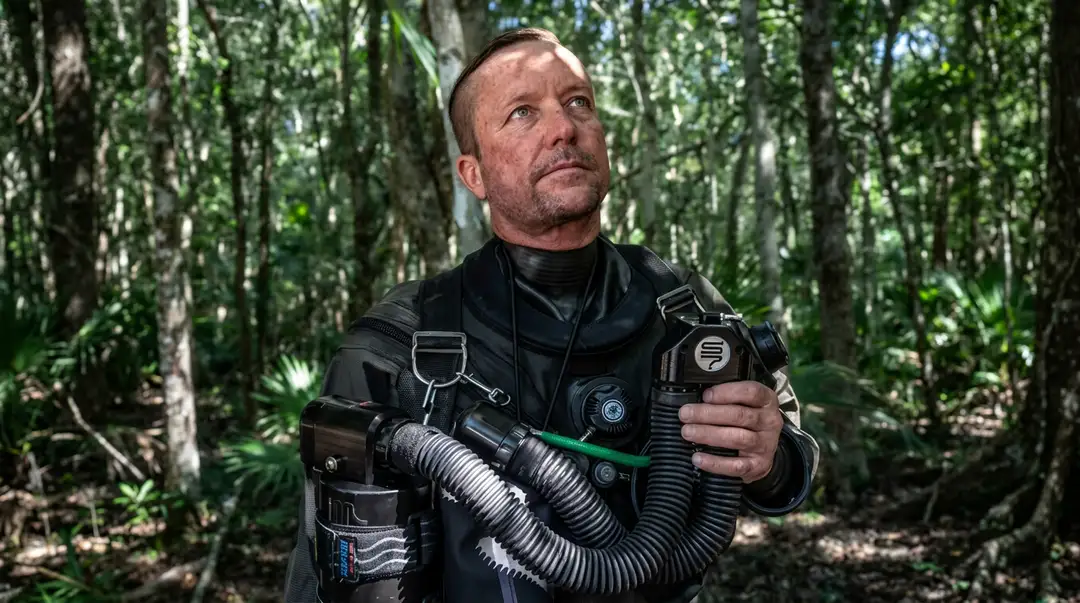
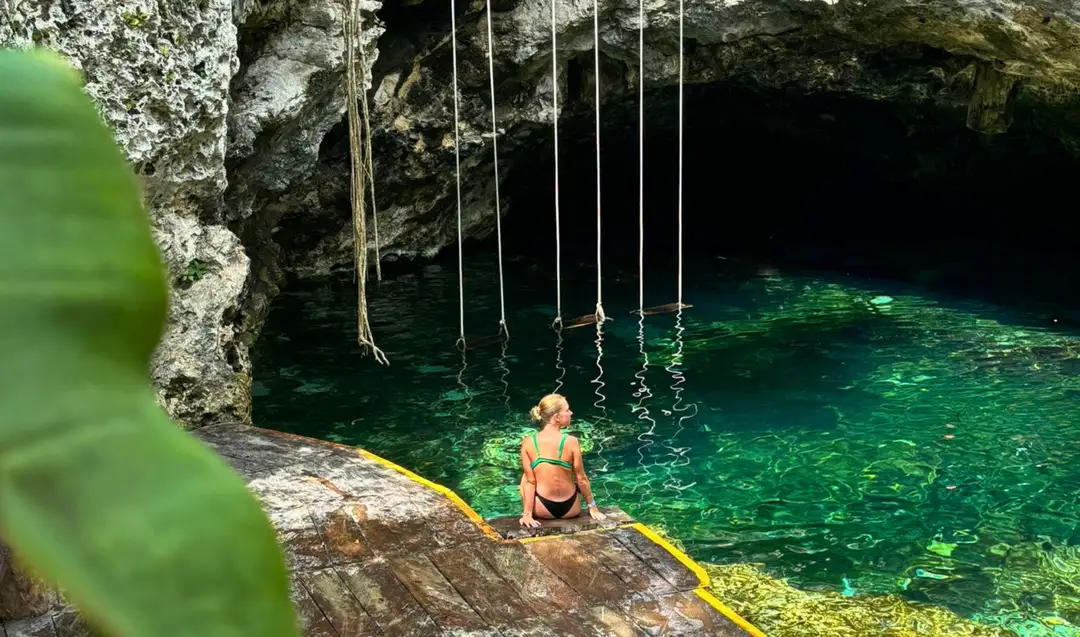
The proposal would extend protection inland to mangroves, cenotes, underground rivers, and jungle, including parcels on the far side of Federal Highway 307. The aim is to keep the land surrounding the sanctuary from being opened to real estate and tourism development.
Domínguez placed the petition within roughly 40 years of effort by residents and environmental organizations to keep the site from being lost.
Seven cenotes that shape the nests
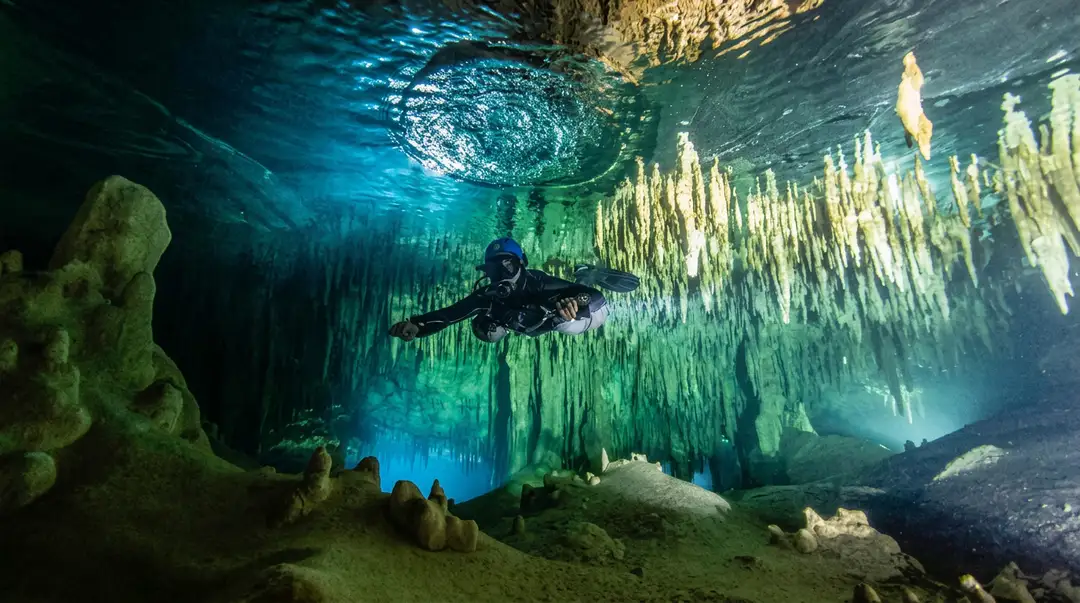
The case for a wider boundary rests on what happens underground. According to Domínguez, seven cenotes lie in the area around the beach, and their water system influences the humidity, temperature, and salinity of the sand. Those conditions favor the development of the eggs and the survival of the hatchlings.
She said hatchling survival at Xcacel exceeds 90 percent.
Part of that result, she explained, comes from leaving nests where the females dig them. On other beaches, eggs are moved to protected corrals, and that handling can alter incubation conditions and turtle development. Keeping nests in place means the eggs at Xcacel depend on the beach's natural conditions, which is why GEMA's proposal extends beyond the sand to the ecosystems that sustain it.
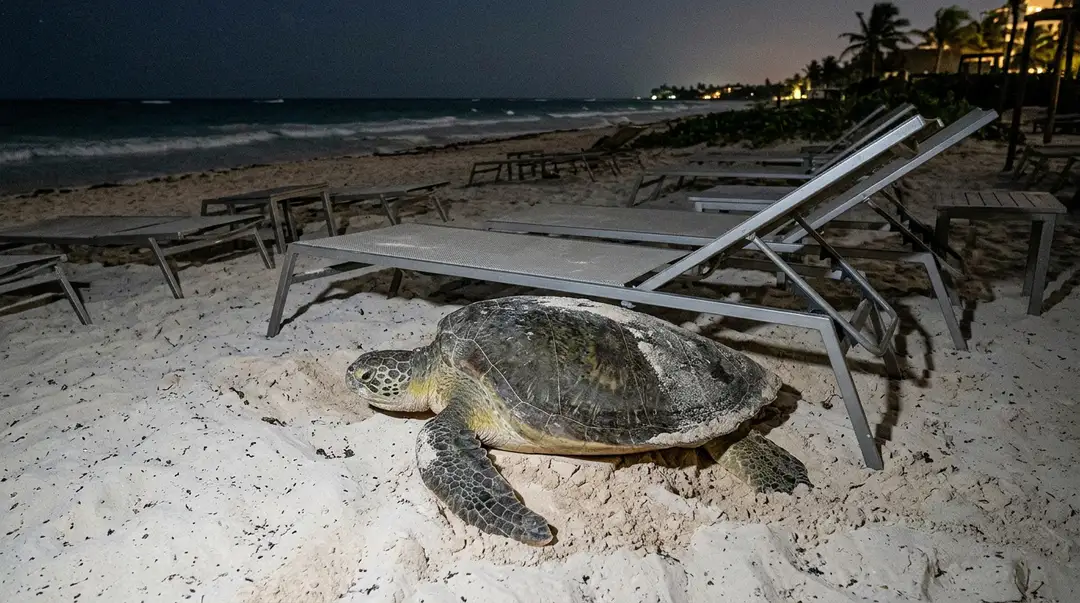
Four species and a loggerhead population studied since the 1990s
Four species of sea turtle have been recorded arriving at the area: loggerhead, green, hawksbill, and leatherback.
Domínguez singled out the loggerhead for its genetic importance. The population that nests at Xcacel has been studied since the 1990s.
A state government bulletin distributed by Infoqroo has described Xcacel and Xcacelito as the most important nesting beaches in Quintana Roo for loggerhead and green turtles.
A public beach and a festival now in its 24th edition
Xcacel also matters to the people who live in Tulum. It is one of the public beaches residents use, and Domínguez described it as a place for community life and environmental education.
The 24th edition of the Sea Turtle Festival was held recently. Domínguez said the event has helped pass the importance of protecting these ecosystems from one generation to the next.
Earlier requests to widen the Xcacel sea turtle sanctuary
The idea predates this campaign. In an online petition addressed to former Governor Carlos Joaquín González, who led Quintana Roo from 2016 to 2022, GEMA wrote that it had repeatedly asked his administration to extend the sanctuary from the beach to the highway.
The Subcouncil for the Management of the Xcacel-Xcacelito Sea Turtle Sanctuary has also asked the state government to expand the polygon and declare the adjoining properties of public utility, with a density of zero and protective policies for the land, according to Ruptura 360.
A separate state government announcement, also distributed by Infoqroo, described a proposed expansion of roughly 1,000 hectares stretching about 16.6 kilometers. According to GEMA, the sanctuary still covers about 35 hectares.
Signatures before Tulum sets its zoning criteria
GEMA's target is 30,000 signatures, gathered before the new land-use criteria for Tulum are defined. The announcement did not say when the signatures will be delivered or which authority will receive them.
The outcome will show where the next zoning map draws the line around Xcacel, at the edge of the sand or on the far side of Federal Highway 307.
Should Tulum's new zoning plan protect the cenotes and jungle behind Xcacel, or only the nesting beach itself? Join the conversation and share your perspective with us on Instagram and Facebook at @thetulumtimes.

The Tulum Times · Newsletter
The story continues in your inbox.
Essential Tulum news and local insight, a few times a week. Free.
No spam. Unsubscribe anytime.
Tulum Cenotes, Ruins, and Practical Visitor Guides
Guides, access updates, regulations, and practical planning around cenotes and the Tulum archaeological zone.

“The best journalists reporting from paradise, highlighting the heroes that keep Tulum the most beautiful place in the world! THANK YOU!”