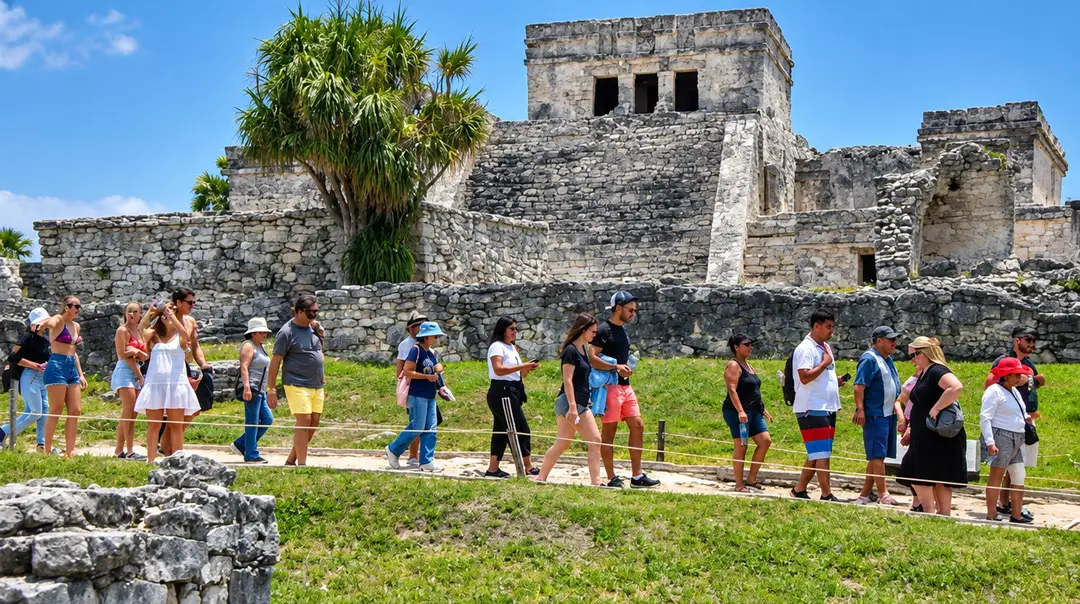
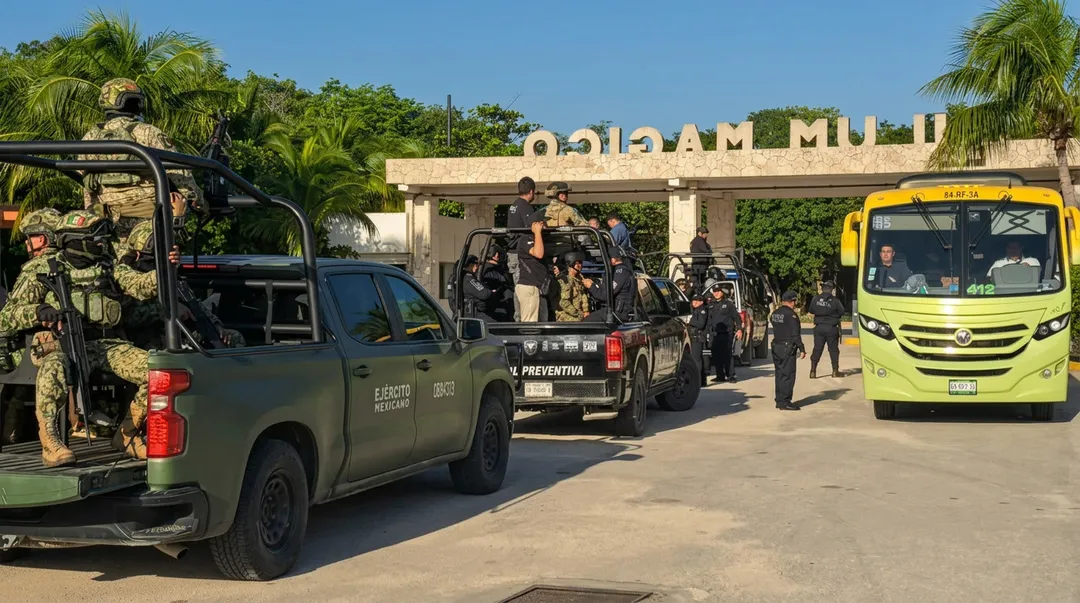
Twenty-six officers from all three levels of government began patrolling the archaeological zone and Jaguar Park on Thursday morning, the start of a Tulum ruins security push timed to winter high season.
According to La Revista Peninsular, the officers are running preventive patrols at strategic points in both areas. They are also checking on tour service providers and the people who run parking lots, confirming that each one operates under a permit issued by the municipality.
The timing is deliberate. Authorities expect visitor numbers to climb over the coming weeks and through the year-end holidays, and the walled Maya city above the Caribbean is the first stop for a large share of those travelers. For anyone arriving this season, the change means more uniformed officers along the route and closer scrutiny of the guides and parking attendants they meet before reaching the temples.
Permit checks for guides and parking lots
The inspection side of the operation focuses on the two services most visitors use before buying a ticket: guided tours and paid parking. Officers are verifying that both work under municipal permits issued in Tulum.
The first report on the operation listed no infractions, detentions, or closures. It also did not name the participating agencies, describing them only as security forces from the federal, state, and municipal governments.
Gómez Torres ties Tulum ruins security to visitor confidence
DRV Noticias reported that the deployment was agreed upon at the Mesa Estatal de Paz, the body through which Quintana Roo coordinates security with federal and municipal authorities, as part of a strategy of close, visible policing in tourist destinations.
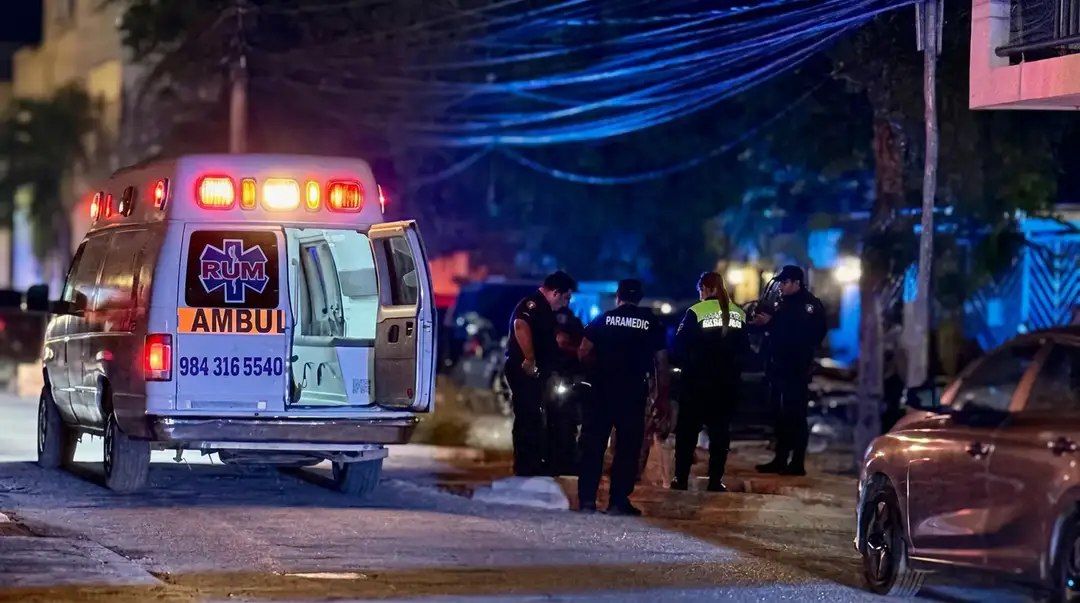
Julio César Gómez Torres, head of Quintana Roo's Secretariat of Citizen Security (SSC), told the outlet the goal is to give tourists a positive experience, with officers who are easy to spot and approachable. The forces taking part, he said, are the SSC, the state's Special Police, Tulum's municipal police, and specialized units that support them.
He described reports of incidents against tourists as low and credited the coordination among institutions. He also acknowledged that the perception of insecurity in Tulum has become a public concern and that visitor confidence still needs to be strengthened.
The report included no figures behind either assessment.
Patrols beyond the archaeological zone
The ruins are one piece of a wider deployment. According to Gómez Torres, patrols continue in other parts of the municipality, with an emphasis on sectors that record higher crime rates, including several irregular settlements and neighborhoods that the SSC treats as priorities.
Officers are also making door-to-door proximity visits in those areas, which the SSC presents as a way to open communication with residents and encourage them to work with police.
A September rebound at the gate
The season arrives after an uneven year at the Tulum ruins, still the most visited archaeological site in Quintana Roo and the third most visited in Mexico. Preliminary figures from the National Institute of Anthropology and History (INAH) show 521,952 visitors from January through September, about 35 percent fewer than in the same period of 2025.
September broke the pattern. The site received 22,100 people that month, roughly 19 percent more than a year earlier, as foreign visitors nearly doubled to 17,388.
Access has also changed. In July, President Claudia Sheinbaum and Tourism Secretary Josefina Rodríguez Zamora presented Plan Tulum Renace, which made Jaguar Park free for Mexican visitors and lowered entry to the archaeological zone. The park, the protected area surrounding the ruins, has been run since December 2024 by Grupo Mundo Maya, a company owned by the Mexican armed forces.
Visible security has been part of the state's high-season playbook before. For last year's Guadalupe-Reyes holiday period, the SSC planned a statewide deployment of about 7,000 officers, according to Reportur, with participating agencies suspending vacation leave to field their full staff.
How long the 26 officers will stay
Neither report said how long the operation will last. Last year, the state announced its holiday deployment on December 5, and whether the officers at the ruins and Jaguar Park will remain through the late-December peak or fold into this year's statewide plan is a question the SSC has yet to answer.
Have you noticed more officers on a recent visit to the Tulum ruins or Jaguar Park, and does it change how you plan your day there? Join the conversation and share your perspective with us on Instagram and Facebook at @thetulumtimes.

The Tulum Times · Newsletter
The story continues in your inbox.
Essential Tulum news and local insight, a few times a week. Free.
No spam. Unsubscribe anytime.
Tulum Cenotes, Ruins, and Practical Visitor Guides
Guides, access updates, regulations, and practical planning around cenotes and the Tulum archaeological zone.

“The best journalists reporting from paradise, highlighting the heroes that keep Tulum the most beautiful place in the world! THANK YOU!”