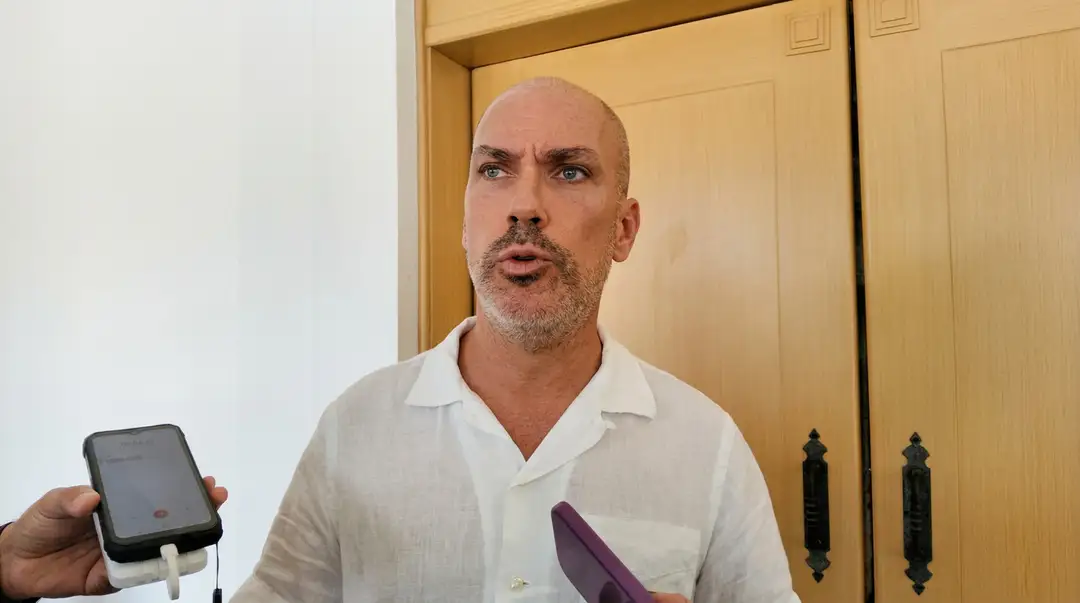
Tulum city councilman Eugenio Barbachano Losa answered Mexico's federal tourism secretary on November 11 with a three-page letter that pins the Tulum tourism crisis on federal decisions rather than on local businesses.
The letter responds to an interview that Josefina Rodríguez Zamora, head of the Secretariat of Tourism (Sectur), gave the day before to journalist Ana Francisca Vega on MVS Noticias. Rodríguez Zamora attributed the drop in visitors to high prices, disorderly urban expansion, and shortcomings among local service providers, factors she said have led travelers to choose other destinations.
The exchange comes as Tulum enters its November-to-April high season, the months when beaches usually run clearest of sargassum and local businesses count on recovering ground. Sectur's recovery program, Tulum Renace, rests on its own reading of what went wrong. Barbachano, the town council's fifth alderman and a member of the National Action Party (PAN), argues that the reading omits the federal government's role.
Sectur points to prices and unplanned growth
Rodríguez Zamora's comments track the diagnosis behind Tulum Renace, which Sectur launched in November 2025 alongside Quintana Roo Governor Mara Lezama after President Claudia Sheinbaum asked the secretariat to take charge of the Tulum case. The program covers price monitoring, changes to how Jaguar Park (Parque del Jaguar) operates, certification of tourism providers, infrastructure upgrades, and sargassum response.

In October, Rodríguez Zamora and Lezama handed the first 195 official credentials to service providers working inside the park. Sectur has also said that access to the beaches within the protected area is free every day for Mexican and foreign visitors, with an internal electric shuttle costing 20 pesos for adults and 10 pesos for children.
Where the Tulum tourism crisis began, by the councilman's account
Barbachano opens with a concession. He acknowledges that some local providers overcharged visitors and that the sector grew with disorder and improvisation. He argues, however, that neither problem is the main cause of the decline.
The rest of the letter lists seven federal shortcomings he considers decisive:
- Basic services. Billions of pesos went to the Maya Train, Tulum International Airport, and Jaguar Park while drainage, drinking water, street paving, public lighting, and garbage collection were left unresolved.
- Health care. A destination of Tulum's international profile has no public specialty hospital for residents or visitors.
- Mobility. The town depends on a single main road that backs up daily, delaying workers, tourists, and emergency vehicles.
- Promotion. The federal government's elimination of the Mexico Tourism Board (CPTM) and its dedicated funds in 2019 left Tulum without a strong presence in global markets.
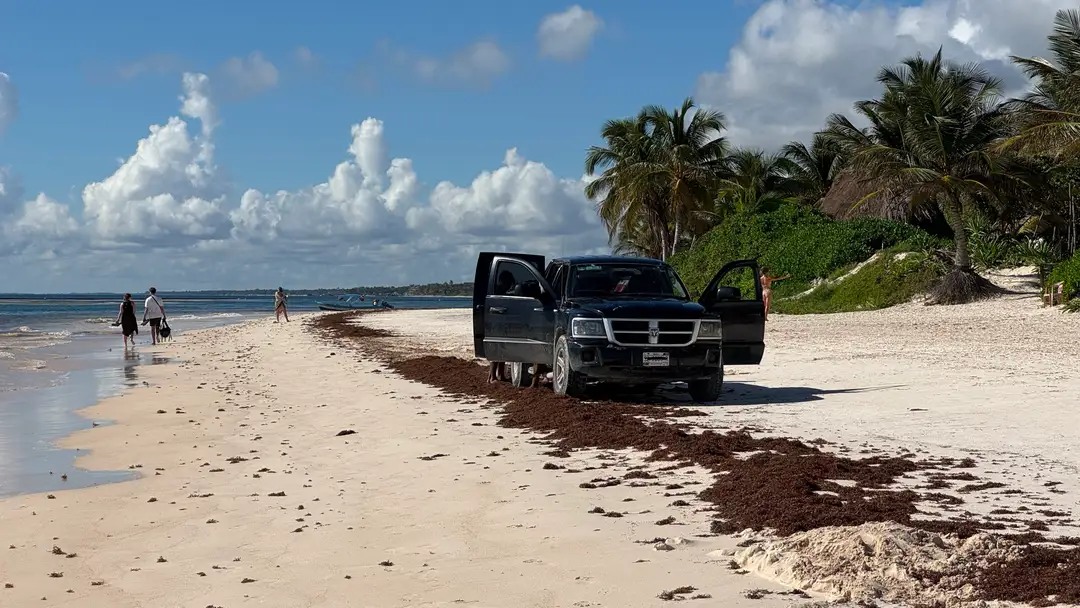
- Sargassum. The response is run from federal offices, he wrote, while residents and volunteers clear beaches with shovels and scarce resources.
- Jaguar Park. A coastal area that was historically open to the public now operates with federally run fee booths, which he called abusive.
- The U.S. market. Federal economic policy and diplomacy toward the United States put at risk the source of what he estimates is 70 to 80 percent of Tulum's tourism and jobs. Each lost flight, he wrote, means dozens of jobs gone.
He pressed several of those points again in an interview with MVS Noticias on November 12, in which he named the extraordinary sargassum season as the leading factor behind the slowdown and said visits to the Tulum archaeological zone had fallen by about 70 percent. The Tulum Times could not independently confirm that figure. He also said lower passenger traffic at the airport has hurt the businesses operating inside the terminal.
The argument is not new for him. In an October 2025 council session, while defending a 50-million-peso municipal loan, he said the train, the airport, and the park had failed to deliver the promised visitor flows. In October 2026, he called for an emergency declaration over the sargassum season.
A hospital, a bypass, and an end to park fees
Barbachano closes the letter with formal requests: a public specialty hospital, a highway bypass to pull heavy traffic out of town, investment in urban services, elimination of Jaguar Park access fees, lower federal fees, and stronger tourism promotion in the United States.
The park request is where the two accounts collide most directly. Sectur maintains that beach access inside the park is already free. Barbachano describes the charges that remain as a deterrent for visitors and for residents who once used the area at no cost.
His critics question his standing to make the case. An opinion column in Ruptura 360 has challenged his turn against projects that the Morena-led municipal government he serves in once welcomed, and noted his recent move to the PAN ahead of the 2027 elections.
As of November 13, no public reply from Sectur to the letter had been reported. The clear-water months now underway will test both diagnoses. If the beaches stay clean and visitors still stay away, the questions about prices, park fees, and federal infrastructure will be harder for either side to set aside.
Who do you think bears more responsibility for Tulum's slowdown, local businesses or federal planning? Join the conversation and share your perspective with us on Instagram and Facebook at @thetulumtimes.

The Tulum Times · Newsletter
The story continues in your inbox.
Essential Tulum news and local insight, a few times a week. Free.
No spam. Unsubscribe anytime.
Transportation in Tulum: Taxi, Bus, Transfers, and Mobility
Taxi fares, buses, transfers, road changes, mobility updates, and practical transport guidance for Tulum.

“The best journalists reporting from paradise, highlighting the heroes that keep Tulum the most beautiful place in the world! THANK YOU!”