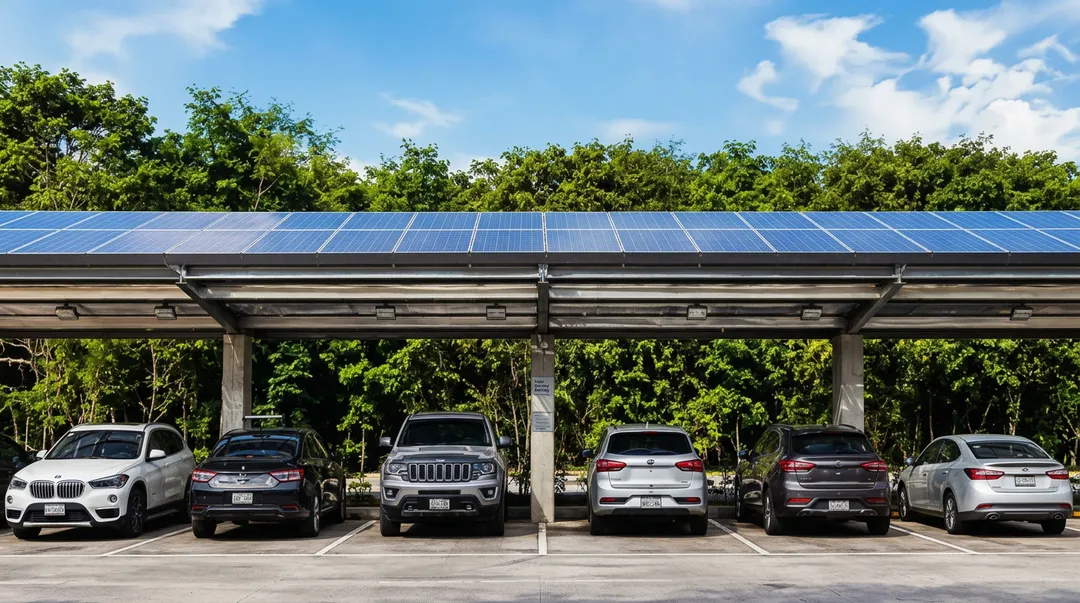
Grupo Mundo Maya, the state-owned company run by Mexico's Defense Ministry, has asked federal regulators to approve a 158-space Jaguar Park parking lot at the park's south entrance in Tulum.
The request went to the Ministry of Environment and Natural Resources (Semarnat) on October 30, 2026, under file number 23QR2026U0072. It includes an Environmental Impact Statement (MIA) that estimates the project at 48,390,461 pesos.
The filing puts a well-known stretch of coastline at the center of a new permit review. According to the impact statement, 99.2% of the proposed site lies within a preservation subzone of Tulum National Park. That is the category the park's management program reserves for keeping ecosystems in their natural condition. Semarnat is still evaluating the request, and submitting it does not authorize any construction.
What the Jaguar Park parking lot would include
The project covers one hectare next to the park's south access, near Avenida Cobá and the road to Boca Paila. The documents describe 146 standard spaces, seven spaces for people with reduced mobility, and five bays for passenger buses.
Of the standard spaces, 78 would be uncovered, and 68 would sit under canopies fitted with photovoltaic panels. The plans call for 300 solar panels in total, along with vehicle entrances, pedestrian walkways, ramps, lighting, security cameras, and planters.
Paved and functional surfaces would take up 8,665 square meters. The remaining 1,335 square meters would be converted into green areas and planters.
The filing says the goal is to organize how cars enter the park and to make it easier for visitors to reach its beaches and facilities. Construction would take about two and a half months, and the lot is designed to last 50 years. The investment figure is preliminary, according to the project documents, not a final contract budget.
Grupo Mundo Maya is the commercial name adopted by Grupo Aeroportuario, Ferroviario, de Servicios Auxiliares y Conexos Olmeca-Maya-Mexica (GAFSACOMM) in May 2025. The company operates Jaguar Park under an agreement with the National Commission of Natural Protected Areas and the National Institute of Anthropology and History (INAH). Tulum residents who present proof of residency have been able to enter the park free of charge since January 2025.
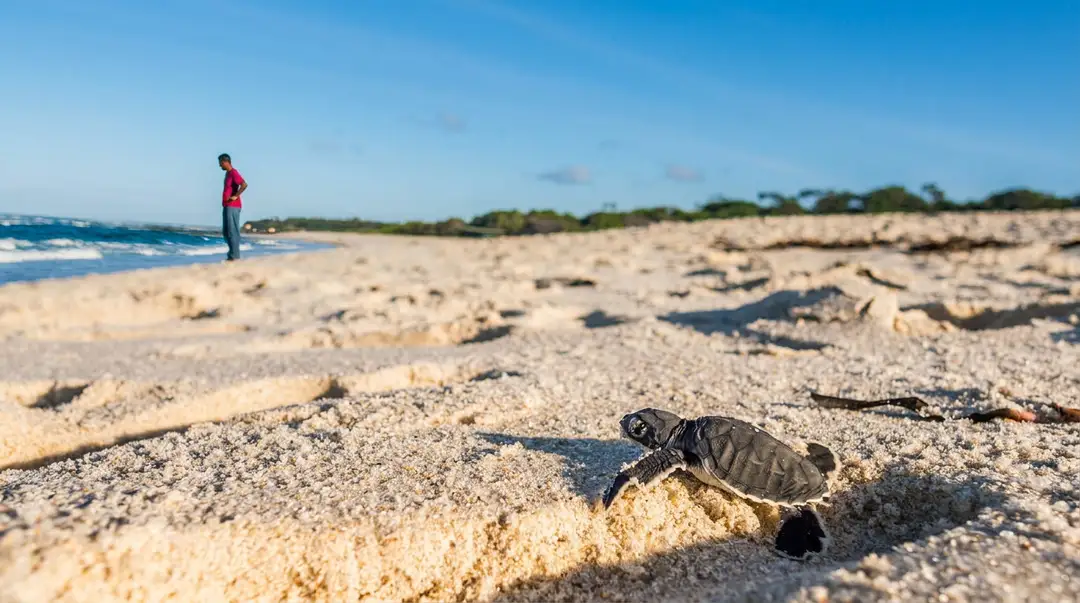
A site inside Tulum National Park's preservation subzone
Tulum National Park is a federally protected natural area. Its management program divides the territory into subzones, each with its own list of permitted and prohibited activities.
The preservation subzone has the strictest purpose of the set: to protect ecosystems and maintain their ecological conditions. The parking lot site falls almost entirely inside it.
The impact statement describes the land as low semi-deciduous and semi-evergreen tropical forest. It acknowledges that the work would require clearing vegetation, removing topsoil, and reshaping the terrain.
Fauna displacement and listed species in the impact study
The MIA lists the environmental effects the project would cause. They include loss of plant cover, displacement of wildlife, habitat fragmentation, and harm to individual specimens of species protected under Mexico's official endangered species standard, NOM-059-Semarnat-2010.
The document also identifies soil compaction, reduced water infiltration, altered runoff patterns, and changes to the landscape.
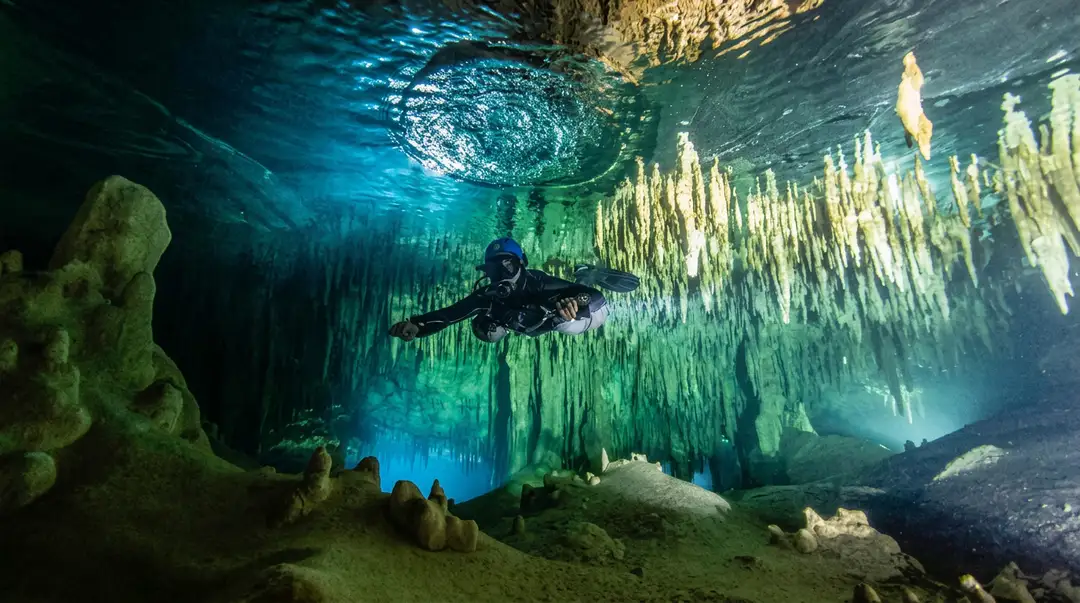
That last group of effects carries weight in Tulum. The town sits on porous limestone connected to the underground aquifer that feeds its cenotes, and pavement changes how rainwater reaches that system.
Cemda plans to request a public consultation
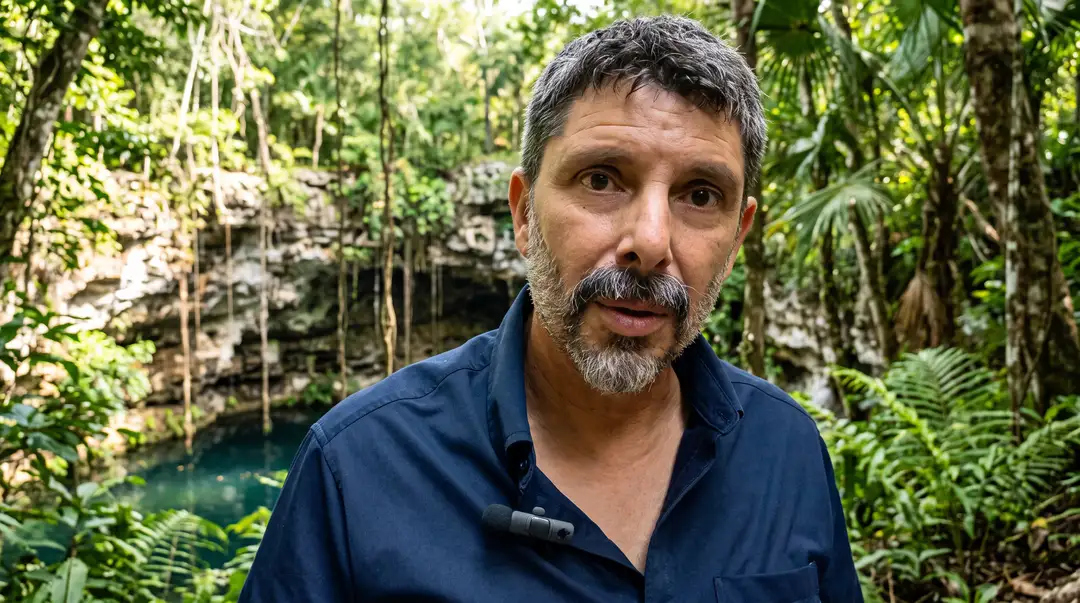
Aarón Siller, southeast regional director of the Mexican Center for Environmental Law (Cemda), told Animal Político Quintana Roo that his organization will ask Semarnat in the coming days to open a public consultation on the project.
Siller argued that several elements of the plan conflict with the park's management program. He said commercial activity is not allowed in the preservation subzone, so a paid parking lot would be prohibited there. He also pointed to rules against altering wildlife feeding, nesting, and shelter sites, and against opening or widening roads and trails.
"The most serious is changing the land use, which is forest," Siller told the outlet, describing the lot as a concrete slab replacing forest cover. In his view, the project is legally unviable as filed.
Guillermo D'Christy, president of the citizen collective Sélvame del Tren, told the same outlet that Semarnat should deny the permit. He said the steady loss of vegetation cover in the region is the central issue, ahead of the impact of the vehicles themselves.
Animal Político Quintana Roo reported that Semarnat had not responded to its request for comment at the time of publication.
The filing arrives as Quintana Roo's environmental enforcement agency, the Procuraduría de Protección al Ambiente, reports that about 430 case files have been opened this year against irregular projects. Most are concentrated in Cancún, Playa del Carmen, and Tulum.
Semarnat's decision on file 23QR2026U0072
Semarnat now has the impact statement under evaluation. If Cemda files its request and the ministry approves it, the project would undergo a public consultation before any ruling.
The decision will determine whether Jaguar Park's south entrance gains a dedicated lot for cars and tour buses, and how the agency weighs that against the protections written into the park's own management program.
Should Jaguar Park's south entrance be home to a 158-space parking lot within Tulum National Park's preservation subzone? Join the conversation and share your perspective with us on Instagram and Facebook at @thetulumtimes.

The Tulum Times · Newsletter
The story continues in your inbox.
Essential Tulum news and local insight, a few times a week. Free.
No spam. Unsubscribe anytime.
Tulum Development, Permits, and Construction Watch
Reporting on permits, construction, regulation, and major development decisions shaping Tulum’s urban growth and investment climate.

“The best journalists reporting from paradise, highlighting the heroes that keep Tulum the most beautiful place in the world! THANK YOU!”