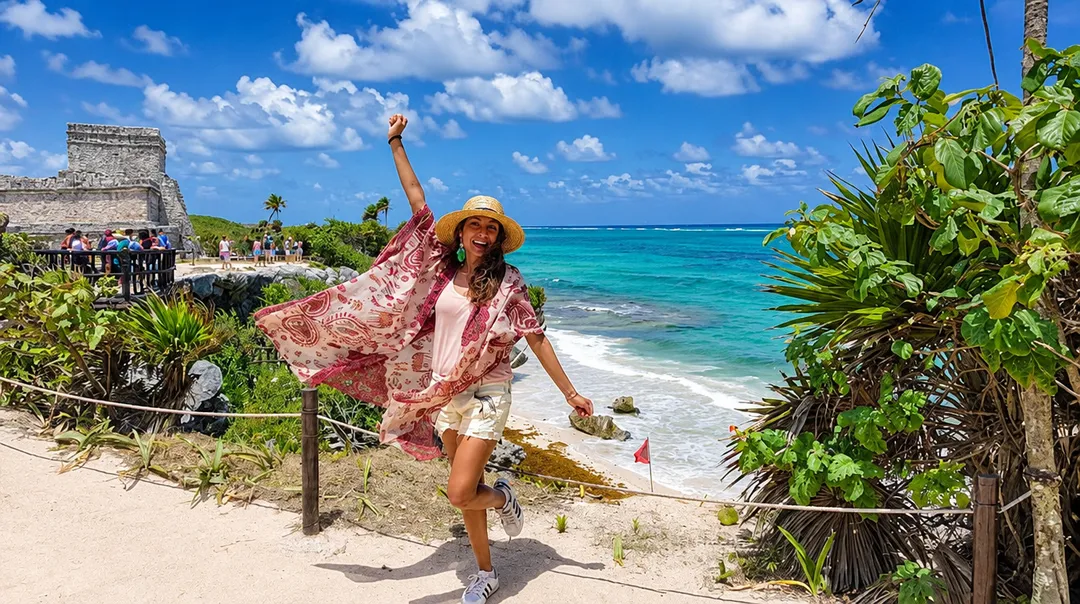
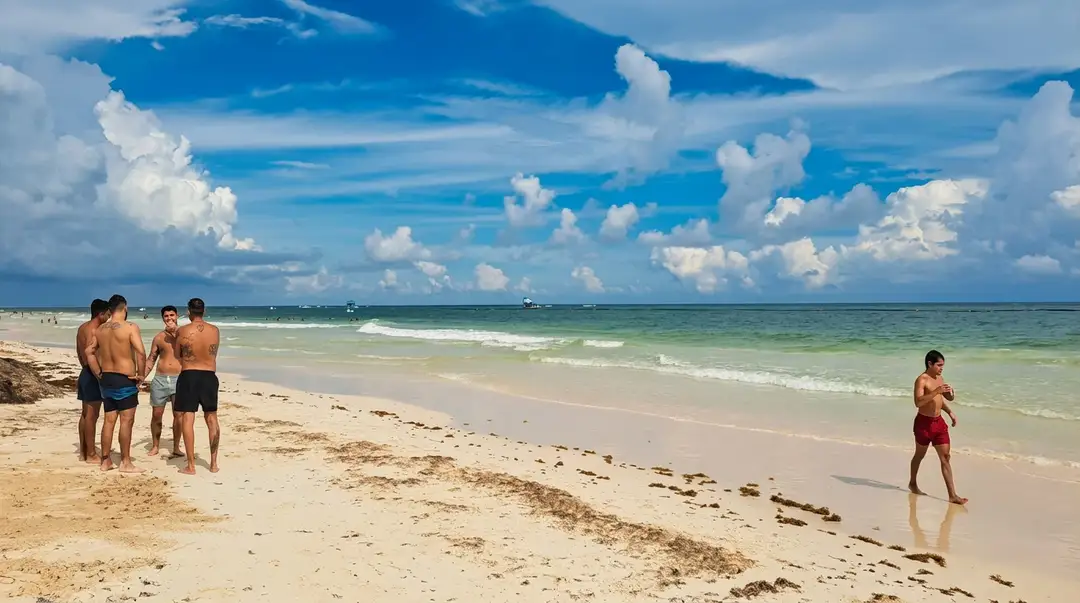
Carlos Ávila, a boat operator on Tulum's coast, said the beach this week looked like December, the first day that he had seen it crowded in about six months. Tulum tour bookings are starting to follow.
"It's spectacular, it's magnificent," Ávila told La Jornada Maya, speaking in Spanish. "After six months, it's the first day we have this many people. It's like December, full of people."
The reason is in the water. Sargassum has thinned visibly along Tulum's beaches, and the people who sell dives and boat trips say reservations are climbing after a hard stretch that began in May. With the winter season weeks away, it is the first concrete sign from the tour sector that the year-end season is taking shape.
Diving leads Tulum tour bookings into December
Alejandro Escalante, a tour sales agent, said bookings have begun to rise, with diving leading the way. He estimated that diving activity could grow 35 to 40 percent in November and 50 to 60 percent in December. He did not say what period those increases are measured against.
"We can already see the light at the end of the tunnel," he said. "We already have booking expectations in our line of work."
After months of low demand, he said, numbers in that range would mean real relief for the providers who depend on them.
Seven in ten divers head for the cenotes
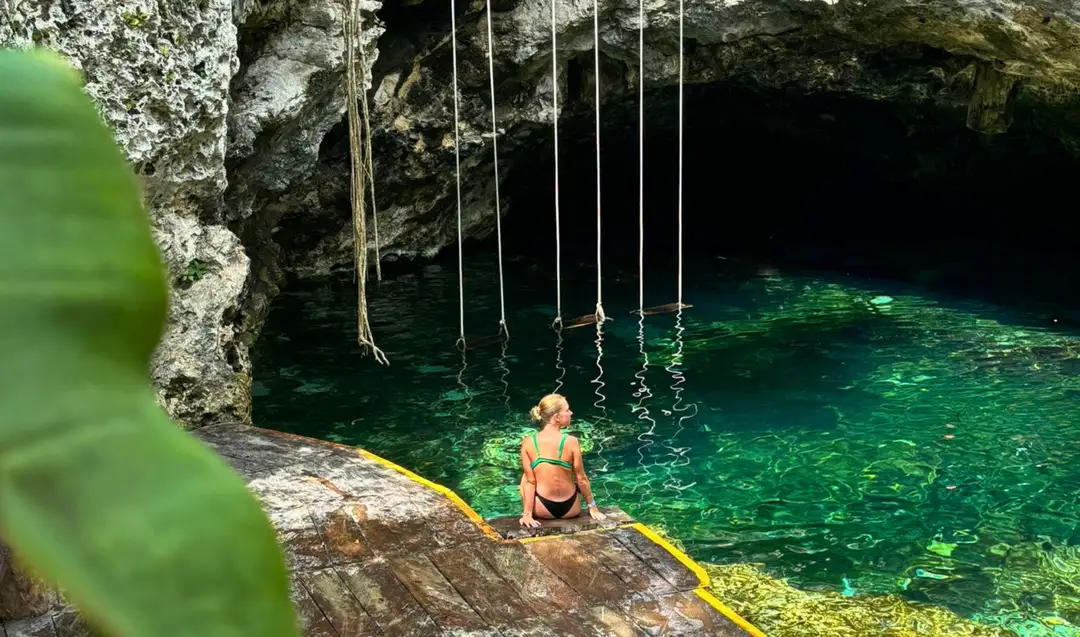
The cenotes carry much of that business. In Escalante's experience, about 70 percent of visitors interested in diving choose the cenote systems, and the remaining 30 percent dive the reefs.
The split matters for how the season unfolds. The cenotes are inland, in the flooded caves beneath the jungle, so the reef side of the trade and the boats that serve it are the part most exposed to conditions at sea. The Tulum Times keeps a guide to the best cenotes in Tulum, including which suit cavern diving.

North winds are holding the sargassum offshore
Escalante linked the drop in sargassum, among other factors, to shifts in wind and ocean currents. When the north winds arrive, he said, less of the macroalgae washes ashore, the beaches recover part of their appeal, and the Caribbean returns to its familiar turquoise green.
Ávila sees the effect from the water. Fewer mats of algae mean cleaner beaches and clearer sea, he said, which makes visitors more willing to book boat rides and other activities and brings indirect business to the shops that live off foot traffic.
Reportur, a travel industry outlet, also reported more hotel occupancy and more diners in Tulum restaurants as the algae receded, though it published no figures.
Dutch, French, and German visitors in the early reservations
Escalante also noted who is arriving. European travelers, mainly from the Netherlands, France, and Germany, are an encouraging sign for the coming holiday season, he said.
He expects the calendar to help as well. Visitors looking to escape cold weather at home, he said, should keep a steady flow coming to Tulum through the winter.
He was careful about how long it will last. The international economy and the weather, he said, make the duration of the recovery hard to predict.
A year Tulum is still working to make up
The rebound starts from a low base. Figures from the Quintana Roo tourism secretariat, cited by Uno TV in October, put tourist arrivals in Tulum down 33.48 percent in 2026, with 879,229 visitors between January and July, and hotel occupancy at 63.69 percent, compared with 72.67 percent in the comparable period of 2025.
The summer was the steepest part. State tourism secretary Bernardo Cueto Riestra said in August that Tulum had reached 15 percent occupancy, the lowest in the destination's history, and blamed atypical volumes of sargassum and cuts to airline frequency. That same month, the hotel and restaurant workers' union CROC said that confirmed reservations already indicated 80 to 85 percent occupancy for November and December, as The Tulum Times reported.
Air access is part of the same effort. Federal tourism secretary Josefina Rodríguez Zamora announced in October that Tulum International Airport will offer airlines a 100 percent incentive for three years to recover routes, according to Diario de Yucatán. Grupo Mundo Maya, which operates the terminal, has yet to publish the terms.
A south wind could undo the reprieve
The improvement comes with a caveat. Ávila said a shift in ocean currents or strong winds from the south could bring the algae back onto the beaches. For now, he said, conditions are on the sector's side and are letting it win back part of the business lost in earlier months.
The first test is the month already underway. If the north winds keep the water clear through November, Escalante and the boat operators will know before the holidays whether cleaner beaches are enough to deliver the numbers he expects.
Have you booked a dive or a boat trip in Tulum since the water started clearing? Join the conversation and share your perspective with us on Instagram and Facebook at @thetulumtimes.

The Tulum Times · Newsletter
The story continues in your inbox.
Essential Tulum news and local insight, a few times a week. Free.
No spam. Unsubscribe anytime.
Tulum Sargassum Updates and Beach Conditions
Live seaweed conditions, cleanup updates, forecasts, and practical beach planning across Tulum and the Riviera Maya.

“The best journalists reporting from paradise, highlighting the heroes that keep Tulum the most beautiful place in the world! THANK YOU!”