Lead Coverage
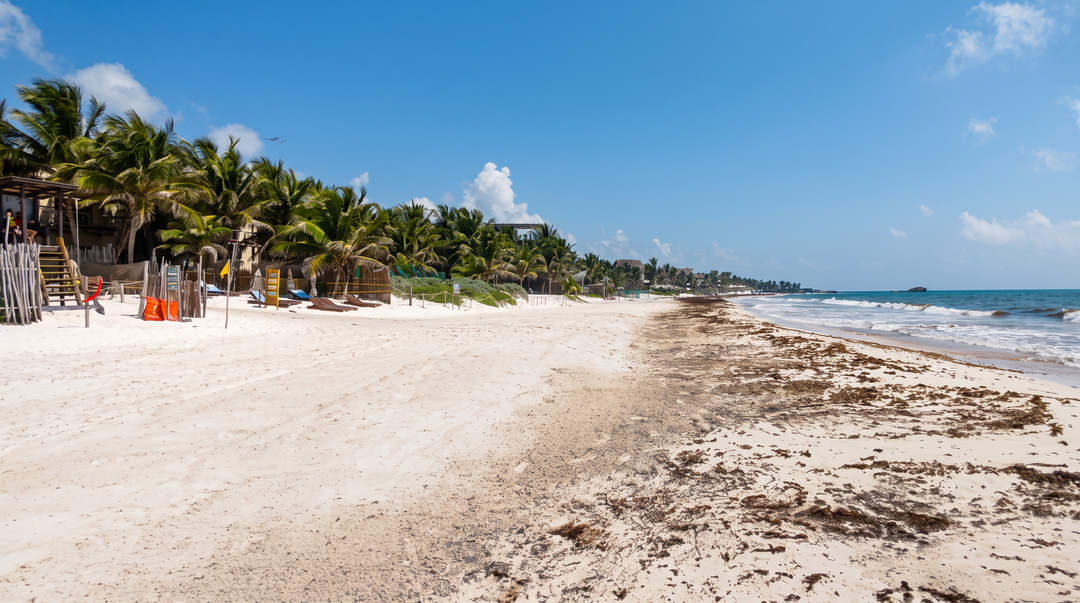
The postcard is back in Tulum this week
Zofemat says sargassum in Tulum has dropped off for days, with 7,300 tons hauled this year and the hotel zone expected to be practically clean by week’s end.
Live seaweed conditions, cleanup updates, forecasts, and practical beach planning across Tulum and the Riviera Maya.
234 linked stories
Zofemat says sargassum in Tulum has dropped off for days, with 7,300 tons hauled this year and the hotel zone expected to be practically clean by week’s end.
The sargassum in Tulum returned this week, three weeks after the water cleared, and Quintana Roo’s record 2026 haul has already passed 138,000 tons.
Zofemat has pulled more than 6,500 tons off the coast in 2026, exceeding last year's total. Where the sargassum in Tulum went, and why the crews are still working at first light.
The sargassum season in Tulum is still running after 6,500 tons. Two forecasts put the low point around November, and one warns the break could be short.
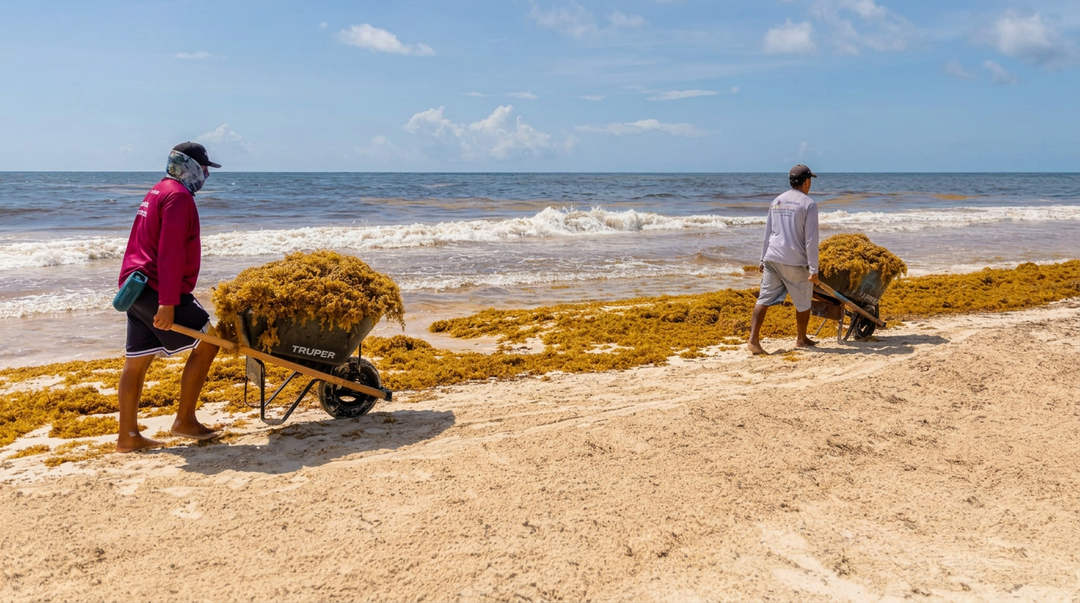
Crews have hauled 6,500 tons of sargassum in Tulum off four public beaches since January, and the containers have made more than 1,800 trips. The arrivals have not stopped.
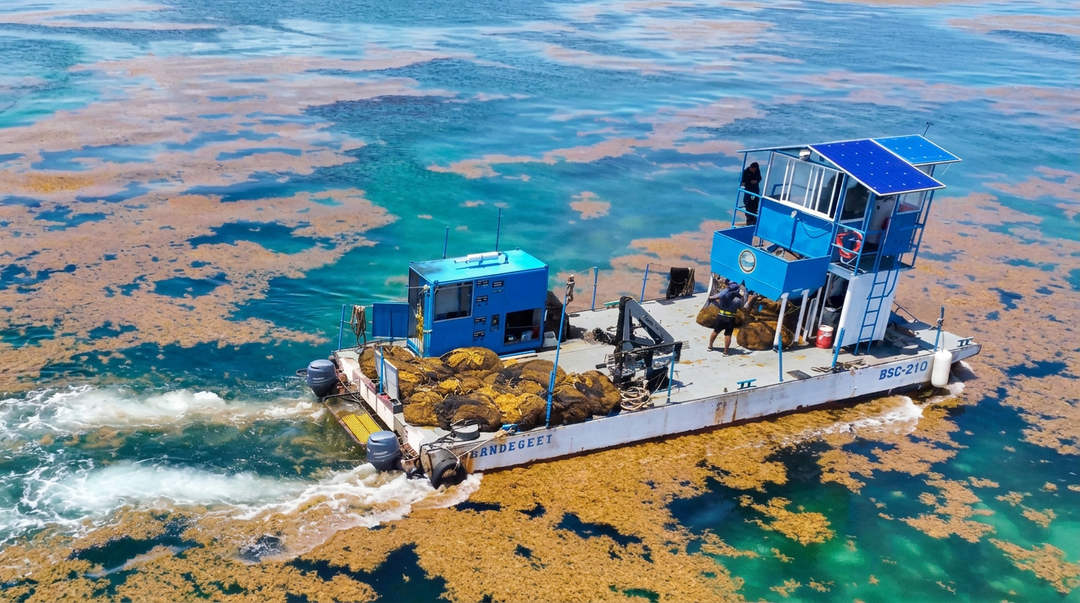
The 2027 sargassum budget allocates the Navy 1,866.9 million pesos for ships, a dock, and four buildings in Quintana Roo, and excludes the municipalities from the spending.
The arrival of sargassum in Tulum has dropped, and Playa Paraíso is clear again, ZOFEMAT says, after crews pulled more than 5,600 tons off the sand, above the total for all of 2025.
A sea turtle rescue in Tulum ended with firefighters carrying a green turtle across sargassum to the sea. It was the second turtle found in a pool this August.
Seasonal closing is off the table, the hotel association says, because sargassum lands eight or nine months a year. What Tulum hotels spend, and what they want covered.
Playa Conchita and Playa del Pueblo were audited in mid-August for their first Tulum beach certification. The evaluator graded glass, dunes, and lifeguards, not sargassum.
Zofemat says the sargassum cleanup in Tulum has spared most of the sand by using less machinery. What the crews still take, and what happens at Akumal.
Nafin and Bancomext are weighing sargassum plan financing for new collection ships and eroded beaches, with Quintana Roo hotels and small businesses in the same conversation.
Zofemat says Tulum beach erosion is not the fault of sargassum crews. A Caribbean study of removed seaweed found 61 percent of the volume was sand.
Tulum sargassum arrivals have thinned after days of rain, and the mayor plans beach videos every two days. Specialists say the improvement is real but far from uniform.
Tulum tourism fell through 2026 while Mexico posted record arrivals. Airport routes, room rates, sargassum, and rents explain a correction that the winter schedule will finally measure.
Hotel occupancy has fallen more than 20 percent since May. The municipal tourism office is staking the Tulum tourism recovery on 40 cenotes, four winter routes and a Michelin pitch.
Water up to four degrees warmer and a record sargassum season have put hard numbers on the Riviera Maya climate crisis and on the limits of Mexico's cleanup plan.
Crews clear sargassum in Tulum daily at Playa Conchitas, where sea turtle nests share the shoreline and the state has logged its heaviest season on record.
Quintana Roo has pulled more than 105,000 tons of sargassum from its coast in 2026, already past last year's record. Tulum remains among the beaches with the heaviest accumulations.
Zofemat crews alone have hauled 4,880 metric tons off the sand this year, and the real Tulum sargassum total is higher once hotels and the navy are counted.
The Day Zero Tulum 2027 lineup lands with 30 artists across three stages, an all-Mexican bill at El Teatro, one guest still unnamed, and general release tickets on August 25.