


Quintana Roo y el gobierno federal de México lanzan un plan de movilidad para Tulum que regula las tarifas de taxis, suma camionetas eléctricas y construye una central de estacionamiento en el Parque del Jaguar para descongestionar la zona.
Las medidas forman parte del Plan Tulum Renace, la estrategia presentada el 17 de julio por la presidenta Claudia Sheinbaum Pardo y las autoridades de Quintana Roo. Para residentes y los millones de visitantes que llegan a Tulum cada año, el plan transforma cómo la gente se desplaza por la localidad, qué pagan para acceder a sus sitios más visitados, y si las playas permanecen abiertas para todos.
La reorganización avanza en varios frentes. Además de fijar límites a lo que pueden cobrar los taxis, introduce un sistema de transporte público moderno y reordena cómo fluye el tráfico a través de los principales corredores turísticos, tres puntos de presión que han enfrentado a conductores, hoteles y visitantes conforme el destino se llenó.
Pasado el estacionamiento, solo camionetas, bicicletas y a pie
El núcleo de la reorganización es una central de estacionamiento estratégica en la sección sur del Parque del Jaguar. Funcionarios estatales la describen como un punto de control diseñado para detener el ingreso masivo de vehículos al área natural protegida, donde el tráfico y el estacionamiento improvisado han presionado la costa durante años.
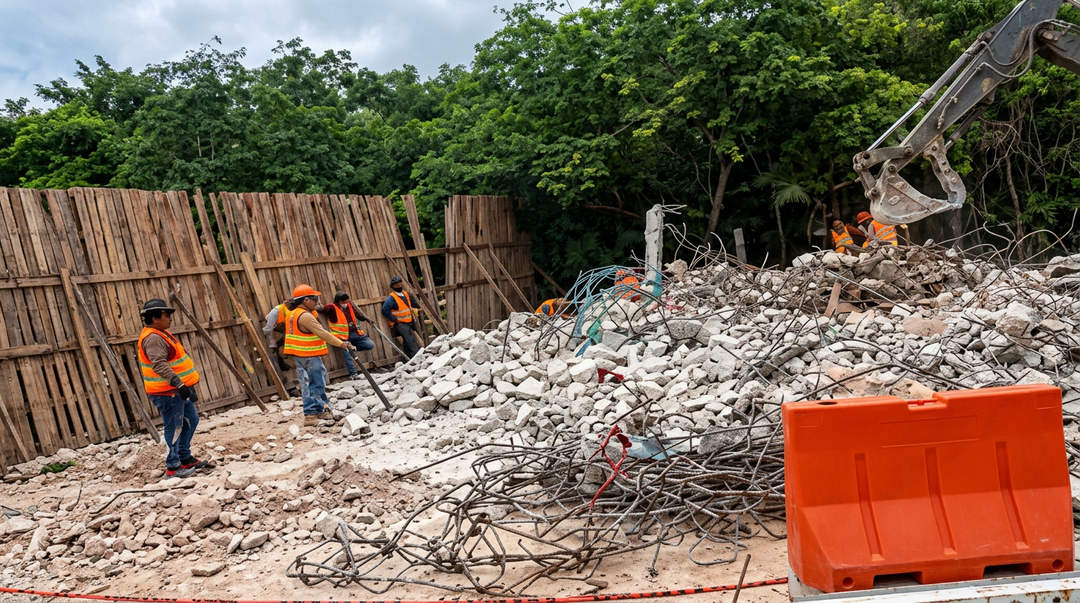
Desde ese punto, residentes y turistas continuarán hacia las playas e instalaciones del parque en unidades de transporte totalmente eléctricas, rutas acondicionadas para bicicletas, o senderos peatonales preparados. La idea es mantener autos particulares en la periferia y mover personas a través de la zona protegida dejando una huella más ligera.
Lezama insiste en que las playas sean gratis
La gobernadora Mara Lezama enfatizó que el acceso general al Parque del Jaguar es completamente gratuito. Vinculó esa garantía a los acuerdos firmados con la administración federal encabezada por Sheinbaum, que ratificaron el acceso público gratuito al parque.
Los visitantes que vayan solo a las playas públicas no pagarán nada. Para respaldar ese compromiso, autoridades estatales realizaron recorridos de supervisión técnica a lo largo del litoral, verificando que se respete el tránsito libre y que no se apliquen cobros indebidos a turistas o residentes.
El acceso de pago subsiste en un lugar. Las cuotas oficiales aplican solo a la zona arqueológica manejada por el INAH, una distinción que el gobierno ha impulsado para dejar clara la confusión sobre qué realmente tiene costo.

20 pesos el viaje, 265 para visitantes extranjeros
Dentro del parque, el transporte interno mantiene una tarifa social de 20 pesos para adultos y 10 pesos para niños, una tarifa que el estado presentó como forma de proteger la asequibilidad para familias locales.
La entrada a la zona arqueológica de Tulum cuesta 265 pesos para visitantes extranjeros y 80 pesos para visitantes nacionales, con entrada gratuita los domingos para ciudadanos mexicanos conforme a la política existente. Una taquilla separada atenderá exclusivamente a visitantes de la zona arqueológica, y torniquetes de acceso libre manejarán el acceso general al parque.
El sitio está programado para mejoras demoradas largo tiempo. Funcionarios se comprometieron con nuevos módulos de sanitarios, fuentes de agua potable pública, señalización bilingüe y torniquetes de acceso gratuito, mejoras físicas destinadas a un lugar que ha absorbido flujo peatonal intenso con servicios limitados.
Crecimiento que las calles nunca fueron construidas para llevar
Bernardo Cueto Riestra, secretario de turismo de Quintana Roo, planteó la urgencia en términos contundentes. La infraestructura de movilidad del destino, dijo, fue rebasada por una década de crecimiento acelerado.
Cifras del sector oficial ilustran la magnitud. La capacidad hotelera tradicional subió de 7 mil a más de 12 mil cuartos, sumada a más de 10 mil opciones adicionales de hospedaje listadas en plataformas digitales. Ese aumento impulsó la demanda de servicios públicos, seguridad y transporte mucho más allá de lo que la red existente fue construida para soportar.
Donde el plan de movilidad de Tulum se encuentra con el aeropuerto y el tren
Plan Tulum Renace busca entrelazer la infraestructura cotidiana con los megaproyectos federales que ahora definen la región, incluyendo el Aeropuerto Internacional de Tulum, el Tren Maya, y el Parque del Jaguar mismo.
Cueto Riestra argumentó que consolidar Tulum requerirá que el sector privado y los tres niveles de gobierno actúen juntos, con el objetivo de una economía turística que se mantenga competitiva y sostenible mientras distribuye sus ganancias más ampliamente.
Sin fechas aún para la central de estacionamiento o los camiones
Gran parte del plan ahora depende de la ejecución y formalización. Las reglas de acceso gratuito y tarifas reducidas serán publicadas en el Diario Oficial de la Federación, el paso que convierte el anuncio en política vinculante.
Los cronogramas para la central de estacionamiento, la flota de transporte eléctrico, y el nuevo sistema de transporte público no han sido detallados públicamente. La rapidez con que esas piezas avancen, y cómo respondan taxistas y hoteleros a las tarifas reguladas, determinará si la reorganización alivia la presión sobre Tulum o simplemente la desplaza.
¿Una central de estacionamiento y camionetas eléctricas aliviarán la congestión de Tulum sin limitar el acceso para residentes? Únete a la conversación y comparte tu perspectiva con nosotros en Instagram y Facebook en @thetulumtimes.
This image was generated or enhanced using artificial intelligence to improve its quality.

The Tulum Times · Newsletter
La nota sigue en tu correo.
Lo esencial de Tulum y contexto local, un par de veces por semana. Gratis.
Sin spam. Cancelá cuando quieras.
Transportation in Tulum: Taxi, Bus, Transfers, and Mobility
Taxi fares, buses, transfers, road changes, mobility updates, and practical transport guidance for Tulum.

“The best journalists reporting from paradise, highlighting the heroes that keep Tulum the most beautiful place in the world! THANK YOU!”


