

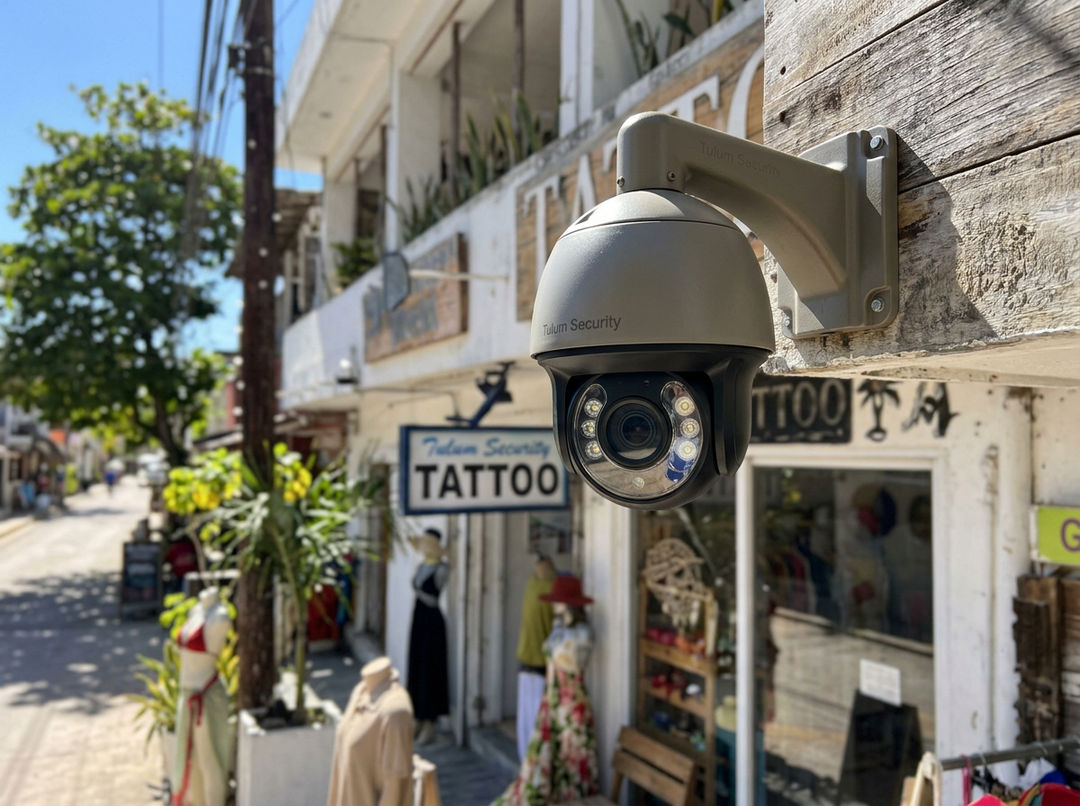
Dueños de negocios dicen que pagaron entre 1,200 y 1,500 pesos por una conexión de cámaras requerida para licencias comerciales en Tulum, un trámite que funcionarios municipales ahora confirman que debería costar nada.
Las quejas surgieron en una reunión entre representantes del sector privado y funcionarios municipales, reportada el 29 de julio. Los dueños en esa mesa dijeron que el dinero cambió de manos sin recibo de la Tesorería Municipal, y que el cobro se les presentó como parte del proceso de licencia.
p>Cada negocio que quiere abrir u operarse en Tulum pasa por la misma ventanilla, y ese trámite ahora incluye una cámara de seguridad conectada a la red de monitoreo municipal. Si un paso gratuito del proceso estaba siendo cobrado, el dinero salió de cientos de pequeños operadores durante un año en el que sus ingresos ya se estaban reduciendo.Un documento que desbloqueó el resto del trámite
La secuencia descrita por los dueños fue directa. Un negocio instalaba sus cámaras, coordinaba el enlace con la red de vigilancia pública, y luego recibía un documento certificando la conexión. Sin ese certificado, el expediente de licencia no podía avanzar.
El certificado llegaba solo después del pago, según las versiones dadas en la reunión. En varios casos no acompañaba recibo oficial de la Tesorería Municipal a la transacción, lo que convirtió un paso administrativo de rutina en una queja.

"Nos dijeron que es gratis"
Guillermo Fernández, uno de los dueños de negocios presentes, dijo que los pagos se hicieron porque parecían parte del proceso.
"Nos estaban cobrando entre 1,200 y 1,500 pesos por entregar el registro que nos dejaba continuar con la licencia. En la reunión nos dijeron que el trámite es gratuito y no debe generar costo alguno".
Funcionarios municipales en la reunión reiteraron que integrar cámaras privadas a los centros de monitoreo no tiene costo para los contribuyentes. Varios asistentes dijeron que la respuesta los sorprendió, ya que les habían pedido dinero para obtener el mismo certificado.
Una empresaria del sector restaurantero, que pidió no ser identificada, dijo que este no fue un caso aislado. Los dueños pagaron, dijo, porque creían que el cobro era obligatorio y temían que sus permisos fueran retrasados o negados si cuestionaban el cobro.

Por qué las licencias comerciales en Tulum ahora dependen de una cámara
El requisito de cámaras no es informal. Está dentro de la ley de ingresos municipal, que condiciona la expedición de una licencia de operación a tener equipo de seguridad conectado al sistema de monitoreo. La instalación y conexión las maneja personal de Seguridad Pública municipal.
El presidente municipal Diego Castañón Trejo dijo el 31 de enero que más de 700 cámaras privadas alimentaban el C2 municipal y el centro C5 en Cancún, una cifra que se había casi duplicado desde septiembre de 2025, cuando el conteo estaba entre 320 y 350. Ha descrito la red como central para los arrestos y para una baja en homicidios, y la ciudad ha advertido que negocios sin cámara conectada enfrentan multas.
Esa presión importa aquí. Un comerciante que le digan que conecte una cámara o pierda una licencia tiene poco interés en discutir sobre un cobro de 1,500 pesos en la ventanilla.
Líderes empresariales quieren que los pagos se rastreen y que los requisitos se publiquen por escrito
Los representantes del sector privado pidieron al gobierno de la ciudad que abriera una investigación interna, para determinar quién cobró el dinero, y establecer responsabilidad si se confirman irregularidades. También pidieron algo más básico. Quieren que los requisitos actuales para obtener y renovar una licencia de operación se publiquen en un boletín oficial, para que ningún futuro solicitante tenga que tomar la palabra de un empleado de ventanilla sobre lo que cuesta un trámite.
Las quejas sobre cobros de permisos en Tulum no comenzaron con las cámaras. En junio, TV Azteca reportó versiones de dueños de negocios locales que describieron pagos en efectivo por trámites administrativos, aumentos bruscos e inexplicados en el costo de cambios de rutina a sus licencias, y cierres que interpretaron como represalia después de hablar públicamente. Ninguna de esas versiones ha sido resuelta públicamente.
Ocho oficiales destituidos este año
El 30 de julio, Castañón Trejo sostuvo una reunión de trabajo con el secretario de Seguridad Pública Municipal Edgar Aguilar y la directora de Tránsito Jessica Orozco y reiteró una posición de tolerancia cero con la corrupción, diciendo que ocho oficiales habían sido removidos de sus puestos hasta ahora en 2026 por conducta irregular. Aguilar dijo que quejas recibidas por el municipio se remiten a la Fiscalía General del Estado, y la ciudad publicó una línea de reporte, 984 198 68 65, para residentes y visitantes para reportar conducta de servidores públicos.
Esa declaración se dirigió a los cuerpos policiacos. No hizo referencia a los pagos de cámaras.
La Presidencia Municipal no ha dicho si una investigación de los cobros ha sido abierta, cuántos negocios pagaron, o quién expidió los certificados. Ningún empleado municipal ha sido identificado públicamente en conexión con los pagos, y ninguna queja relacionada a ellos ha sido reportada presentada ante la fiscalía estatal. Hasta que una de esas respuestas llegue, la única posición oficial en el registro es que el servicio siempre fue gratuito.
¿Te pidieron que pagaras por conectar tus cámaras al C2 o C5 antes de recibir tu licencia? Únete a la conversación y comparte tu perspectiva con nosotros en Instagram y Facebook en @thetulumtimes.
This image was generated or enhanced using artificial intelligence to improve its quality.

The Tulum Times · Newsletter
La nota sigue en tu correo.
Lo esencial de Tulum y contexto local, un par de veces por semana. Gratis.
Sin spam. Cancelá cuando quieras.
Transportation in Tulum: Taxi, Bus, Transfers, and Mobility
Taxi fares, buses, transfers, road changes, mobility updates, and practical transport guidance for Tulum.

“The best journalists reporting from paradise, highlighting the heroes that keep Tulum the most beautiful place in the world! THANK YOU!”


