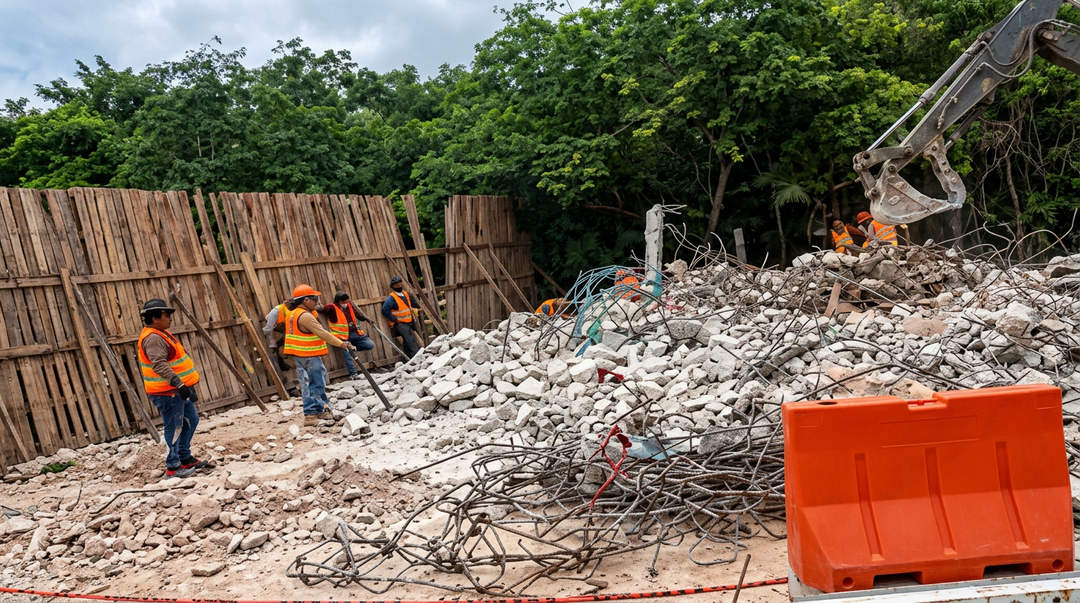

La zona arqueológica de Xel Há en el municipio de Tulum reabrió a visitantes el lunes 6 de julio, cerrando un esfuerzo de restauración estatal que tocó once sitios mayas en Quintana Roo.
La reapertura fue anunciada por el Instituto Nacional de Antropología e Historia, conocido por su acrónimo INAH. Para viajeros que construyen un itinerario a lo largo de la costa, y para residentes que viven minutos del sitio, la noticia significa acceso renovado a un asentamiento Maya costero que había estado cerrado mientras las cuadrillas terminaban trabajos de infraestructura y conservación.
Margarito Molina Rendón, director del Centro INAH Quintana Roo, dijo que Xel Há fue la última de las once zonas en el estado en terminar trabajos bajo el Programa para la Mejora de Zonas Arqueológicas, conocido como PROMEZA, y en recibir visitantes nuevamente.
Qué cambió en la zona arqueológica de Xel Há
De acuerdo con Molina Rendón, el trabajo mejoró la infraestructura de servicios para visitantes, conservó los monumentos del sitio, y mejoró senderos y señalética. Dijo que los cambios tienen la intención de dar a los visitantes una experiencia más clara y cómoda mientras se mueven por los terrenos.

PROMEZA está vinculado al impulso más amplio en torno al Tren Maya, el proyecto ferroviario federal que ha rediseñado viajes a través de la península. El programa dirigió dinero y mano de obra a sitios arqueológicos a lo largo y cerca de la ruta, y Xel Há marca su parada final en Quintana Roo.
Molina Rendón también señaló a los visitantes dos nuevos museos creados en el contexto de los trabajos del Tren Maya: el Museo Regional de la Costa Oriental en Tulum y el Museo Histórico de la Ciudad de Felipe Carrillo Puerto. Ambos agregan contexto al pasado Maya de la región y su historia posterior.
Un Xel Há diferente del que la mayoría de turistas conocen
El reconocimiento del nombre aquí puede engañar. Muchos visitantes asocian Xel Há con el parque acuático comercial del mismo nombre, una atracción privada construida alrededor de un inlet y laguna. La zona arqueológica es un lugar separado, un conjunto de estructuras prehispánicas manejadas por el INAH, y ofrece un tipo diferente de visita centrada en ruinas en lugar de snorkel.
El nombre mismo viene de las palabras mayas xel, que significa pieza o entrada, y há, que significa agua. Juntas se traducen aproximadamente como entrada de agua, un guiño al ubicación costera del sitio.

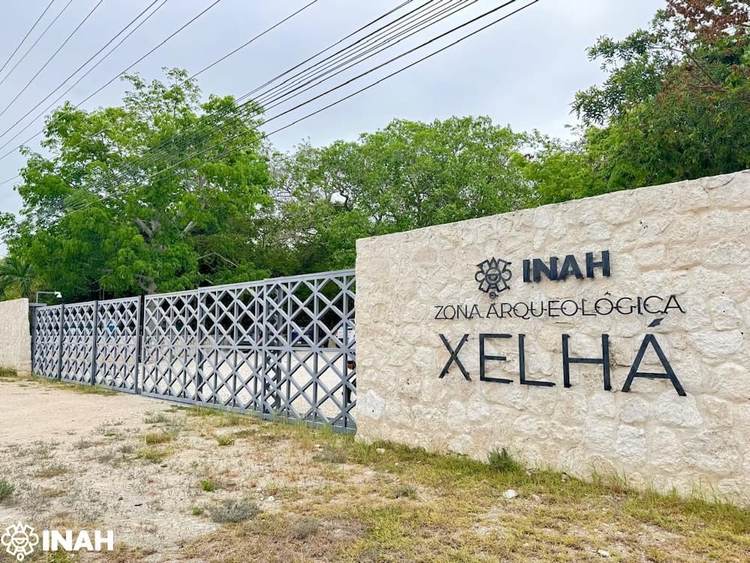
Horarios, precios y quién paga menos
La zona opera lunes a domingo, de 8 a.m. a 5 p.m. La entrada general es de 210 pesos para adultos.
Los nacionales mexicanos y residentes extranjeros que prueben su nacionalidad y residencia reciben 50 por ciento de descuento. La misma reducción aplica a estudiantes, maestros, adultos mayores y residentes de comunidades indígenas cercanas que presenten documentación de apoyo. Los domingos, la entrada es libre para nacionales mexicanos y residentes extranjeros.
Más de mil años de asentamiento
Xel Há vio dos períodos principales de ocupación antes de la llegada de los españoles. El primero cayó en el período Clásico Temprano, entre aproximadamente 250 y 600 d.C. El segundo llegó mucho después, en el Posclásico Tardío, entre aproximadamente 1200 y 1550 d.C. El sitio formó parte de una cadena de asentamientos mayas a lo largo de la costa oriental, la misma costa que tiene ruinas más conocidas más al norte y sur.
Cuando los españoles llegaron a la costa, la ciudad maya fue abandonada. Parte de la población murió por enfermedades que los europeos introdujeron, incluyendo viruela, fiebre amarilla y difteria. Otros se fueron hacia el interior. Lo que sobrevivió es el registro arqueológico ahora nuevamente abierto al público.
Para una región cuya economía se inclina fuertemente hacia el turismo, la reapertura agrega otra parada cultural a una costa ya llena de playas, cenotes y sitios más grandes y conocidos. Si Xel Há atrae tráfico constante por sí solo, o principalmente recoge visitantes que ya se mueven entre Tulum y las estaciones del Tren Maya, es una pregunta que los próximos meses responderán.
¿Agregarás la zona arqueológica de Xel Há a tu próximo viaje a lo largo de la costa, o las ruinas de nombres más grandes aún ganan tu tiempo? Únete a la conversación y comparte tu perspectiva con nosotros en Instagram y Facebook en @thetulumtimes.

The Tulum Times · Newsletter
La nota sigue en tu correo.
Lo esencial de Tulum y contexto local, un par de veces por semana. Gratis.
Sin spam. Cancelá cuando quieras.
Tulum Cenotes, Ruins, and Practical Visitor Guides
Guides, access updates, regulations, and practical planning around cenotes and the Tulum archaeological zone.

“The best journalists reporting from paradise, highlighting the heroes that keep Tulum the most beautiful place in the world! THANK YOU!”