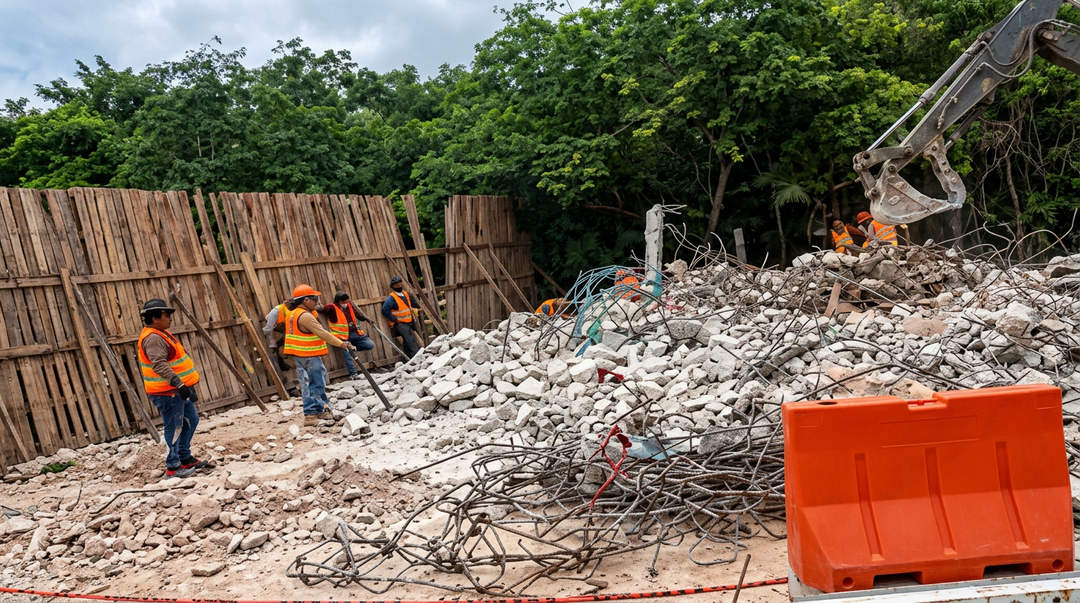

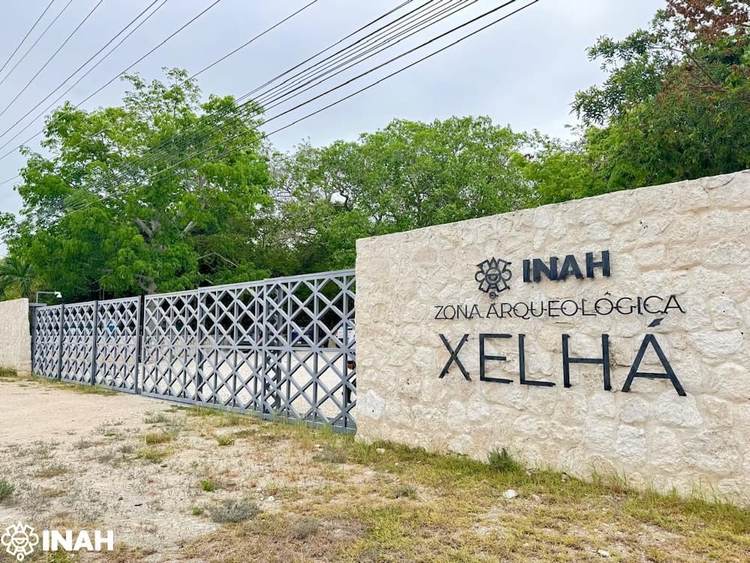
The Xel Há archaeological zone in the Tulum municipality reopened to visitors on Monday, July 6, closing out a statewide restoration effort that touched eleven Maya sites across Quintana Roo.
The reopening was announced by the National Institute of Anthropology and History, known by its Spanish acronym INAH. For travelers building an itinerary along the coast, and for residents who live minutes from the site, the news means renewed access to a coastal Maya settlement that had been closed while crews finished infrastructure and conservation work.
Margarito Molina Rendón, director of the INAH Quintana Roo Center, said Xel Há was the last of the eleven zones in the state to finish work under the Program for the Improvement of Archaeological Zones, known as PROMEZA, and to receive visitors again.
What changed at the Xel Há archaeological zone
According to Molina Rendón, the work upgraded visitor service infrastructure, conserved the site's monuments, and improved trails and signage. He said the changes are meant to give visitors a clearer, more comfortable experience as they move through the grounds.

PROMEZA is tied to the broader push around the Maya Train, the federal rail project that has reshaped travel across the peninsula. The program directed money and labor into archaeological sites along and near the route, and Xel Há marks its final stop in Quintana Roo.
Molina Rendón also pointed visitors toward two new museums created in the context of the Maya Train works: the Regional Museum of the Eastern Coast in Tulum and the Historical Museum of the City of Felipe Carrillo Puerto. Both add context to the region's Maya past and its later history.
A different Xel Há than the one most tourists know
The name recognition here can mislead. Many visitors associate Xel Há with the commercial water park of the same name, a private attraction built around an inlet and lagoon. The archaeological zone is a separate place, a set of pre-Hispanic structures managed by INAH, and it offers a different kind of visit centered on ruins rather than snorkeling.
The name itself comes from the Maya words xel, meaning piece or entrance, and há, meaning water. Together they translate roughly as entrance of water, a nod to the site's coastal setting.

Hours, prices, and who pays less
The zone operates Monday through Sunday, from 8 a.m. to 5 p.m. General admission is 210 pesos for adults.
Mexican nationals and foreign residents who can prove their nationality and residency receive a 50 percent discount. The same reduction applies to students, teachers, seniors, and residents of nearby Indigenous communities who present supporting documentation. On Sundays, entry is free for Mexican nationals and foreign residents.
More than a thousand years of settlement
Xel Há saw two main periods of occupation before the arrival of the Spanish. The first fell in the Early Classic period, between roughly 250 and 600 A.D. The second came much later, in the Late Postclassic, between about 1200 and 1550 A.D. The site formed part of a chain of Maya settlements along the eastern coast, the same coast that holds better-known ruins farther north and south.
When the Spanish reached the coast, the Maya city was abandoned. Part of the population died from diseases the Europeans introduced, including smallpox, yellow fever, and diphtheria. Others left for the interior. What survived is the archaeological record now open again to the public.
For a region whose economy leans heavily on tourism, the reopening adds another cultural stop to a coast already crowded with beaches, cenotes, and larger, better-known sites. Whether Xel Há draws steady traffic on its own, or mainly picks up visitors already moving between Tulum and the Maya Train stations, is a question the coming months will answer.
Will you add the Xel Há archaeological zone to your next trip along the coast, or do the bigger-name ruins still win your time? Join the conversation and share your perspective with us on Instagram and Facebook at @thetulumtimes.

The Tulum Times · Newsletter
The story continues in your inbox.
Essential Tulum news and local insight, a few times a week. Free.
No spam. Unsubscribe anytime.
Tulum Cenotes, Ruins, and Practical Visitor Guides
Guides, access updates, regulations, and practical planning around cenotes and the Tulum archaeological zone.

“The best journalists reporting from paradise, highlighting the heroes that keep Tulum the most beautiful place in the world! THANK YOU!”