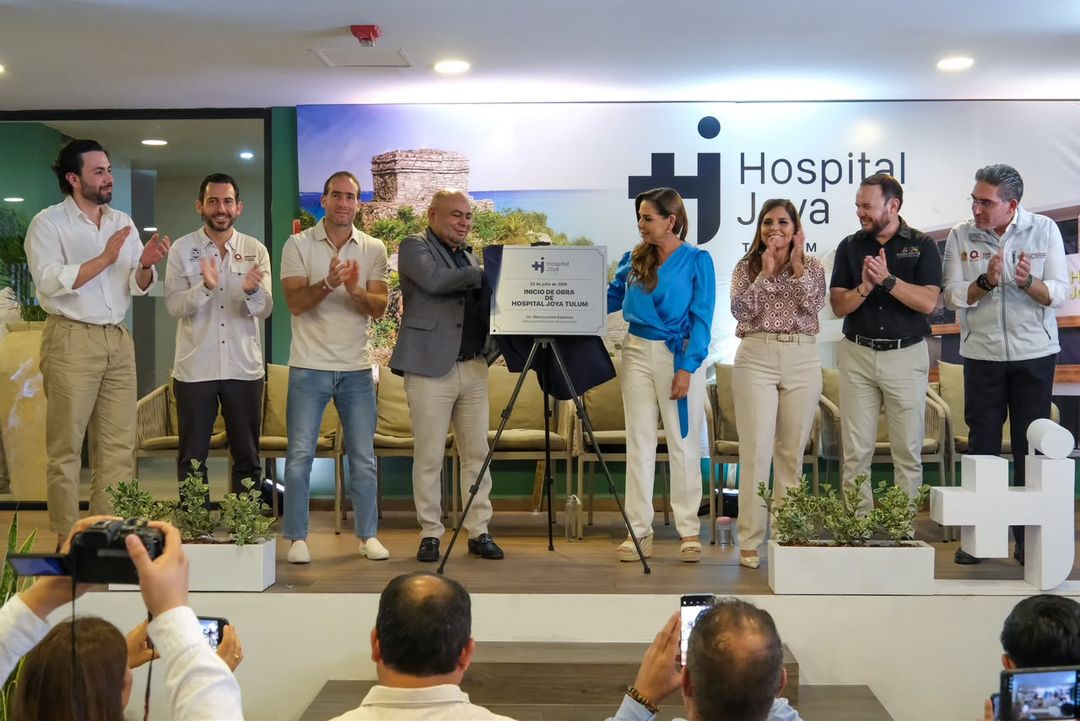
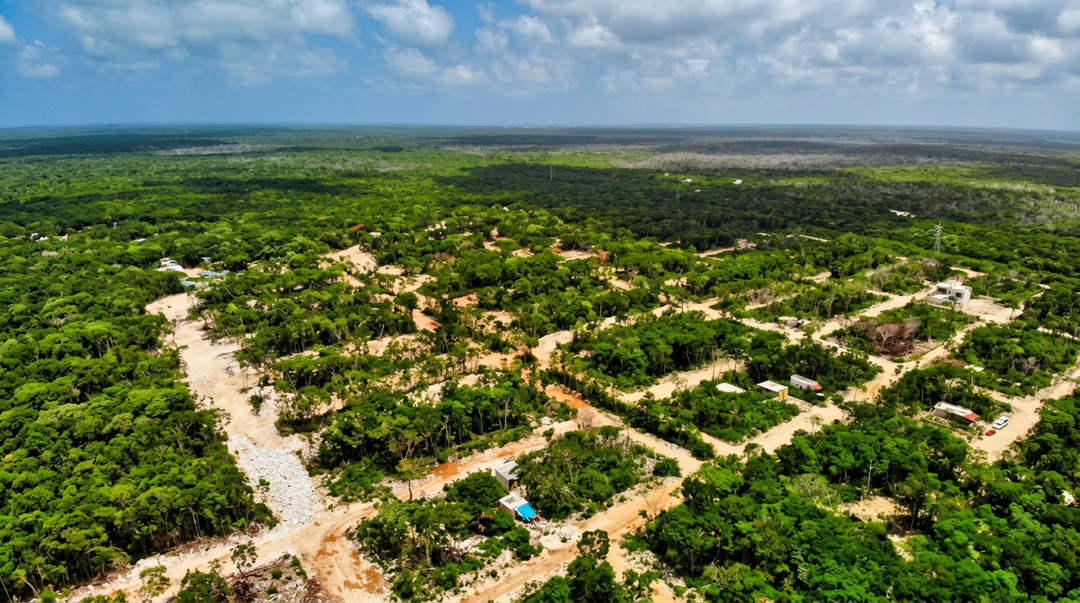
La construcción del Hospital Joya Tulum comenzó esta semana en la Avenida Cobá, un proyecto privado valuado en más de 350 millones de pesos que busca expandir la atención médica especializada para residentes y visitantes.
El inicio de obras importa ahora porque el auge de Tulum como destino global ha superado su capacidad hospitalaria. Una instalación abierta 24 horas en la avenida principal del pueblo ofrecería a residentes, trabajadores del turismo y visitantes una opción más cercana para emergencias y cirugías en un municipio donde los servicios médicos avanzados siempre han sido limitados.
Dentro del proyecto Hospital Joya Tulum
El hospital se levantará en una superficie de más de 9 mil metros cuadrados. De acuerdo con el desarrollador, Grupo La Joya, el complejo incluirá una unidad de emergencias 24 horas, una sala de shock, dos quirófanos, una unidad de cuidados intensivos y un área de aislamiento.
Los planes también contemplarán 15 cuartos para pacientes, 16 consultorios médicos, un laboratorio de análisis clínicos, servicios de imaginología, una farmacia y un amplio catálogo de especialistas. Jorge Moreno Balcázar, director de negocios y expansión del grupo, dijo que el diseño apunta a tres públicos a la vez: familias locales, trabajadores que sostienen hoteles y restaurantes de Tulum, y los millones de turistas que llegan cada año.
La unidad de emergencias 24 horas y la sala de shock son los servicios que probablemente más importarán a los visitantes de Tulum. Los destinos turísticos prosperan o fracasan por la velocidad con que responden a accidentes, y una instalación con capacidad de trauma más cercana acorta el tiempo entre una emergencia y el tratamiento especializado.
Grupo La Joya ya opera un Hospital Joya en Cancún, y el sitio de Tulum extiende su presencia hacia el sur de la Riviera Maya. La cobertura local de la ceremonia reportó que se espera que el hospital abra en diciembre de 2026, y que su cobertura podría extenderse a comunidades cercanas como Felipe Carrillo Puerto y Bacalar. Ninguno de estos detalles apareció en el anuncio oficial, que describió el evento como el inicio de construcción en lugar de una fecha de apertura fija.
Un impulso para expandir el turismo médico
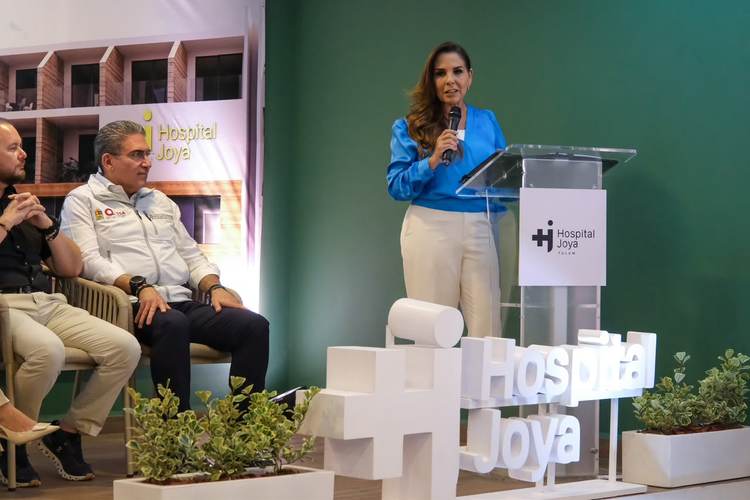
Autoridades estatales encuadraron el proyecto como parte de un esfuerzo más amplio para posicionar a Quintana Roo como destino de servicios de salud, no solo de playas. La gobernadora Mara Lezama Espinosa encabezó la ceremonia de colocación de la primera piedra y vinculó la inversión con lo que describió como una creciente confianza empresarial en el estado.
"Estamos consolidando un proyecto que innova y fortalece el turismo médico. Somos la Capital Mundial de las Vacaciones, y hemos trabajado duro para que esto suceda", dijo Lezama.
El turismo médico se ha convertido en un negocio creciente a lo largo de la Riviera Maya, donde hospitales en Cancún y Playa del Carmen ya atienden a pacientes internacionales que buscan menores costos o tiempos de espera más cortos. Tulum, hasta ahora, ha carecido de un hospital de alta especialidad comparable, dejando a residentes y viajeros recurriendo a clínicas más pequeñas o a viajes a ciudades más grandes para casos graves.

Julio Carbajal, cofundador y vicepresidente de operaciones de Grupo La Joya, estuvo con la gobernadora en la ceremonia. Lezama agradeció a la empresa por una inversión que dijo permitiría a familias de Tulum recibir atención más rápida y especializada más cerca de casa, mientras fortalece la competitividad del destino.
Más allá de los servicios médicos, el desarrollador y autoridades estatales presentaron el proyecto como un motor económico. Se espera que inversión privada a esta escala cree empleos de construcción y hospitalarios y agregue al creciente sector de servicios de Tulum, aunque autoridades no liberaron una cifra de contratación específica en la ceremonia.
Autoridades enmarcan el proyecto como crecimiento compartido
El evento reunió a una amplia gama de figuras estatales y municipales. Verónica Lezama Espinosa, presidenta honoraria del DIF en Quintana Roo, asistió junto al presidente municipal de Tulum Diego Castañón Trejo y Flavio Carlos Rosado, secretario de salud estatal y director de los Servicios Estatales de Salud.
También estuvieron presentes Bernardo Cueto Riestra, secretario de turismo estatal; Soralla Portillo Figueroa, directora general de expansión de Grupo Inmobiliario Mizrahi Cojab; y Heyden Cebada Rivas, presidente de la Suprema Corte de Justicia. La mezcla de autoridades de salud, turismo y justicia mostró cómo el estado presenta la inversión privada en hospitales como un indicador de impulso más amplio.
Lezama cerró sus comentarios pidiendo crecimiento continuo que describió como de rostro humano, vinculado a lo que ha llamado un gobierno humanista. Agradeció a inversores y dijo que el objetivo era prosperidad compartida más que crecimiento medido solo en números de turistas.
Qué viene después
Por ahora, el sitio en Avenida Cobá marca el inicio de la construcción, no una instalación terminada. El ritmo de la obra, la contratación de personal médico y de apoyo, y una fecha de apertura confirmada determinarán cuándo Tulum realmente gana la capacidad adicional de emergencias y cirugías que el proyecto promete.
La pregunta más grande es si un solo hospital privado puede cerrar la brecha entre el crecimiento de Tulum y su infraestructura de salud. Esa respuesta llegará solo después de que las puertas abran y los primeros pacientes lleguen.
¿Crees que un hospital privado en Avenida Cobá aliviará la atención médica tensionada de Tulum, o todavía se necesita más inversión pública? Únete a la conversación y comparte tu perspectiva con nosotros en Instagram y Facebook en @thetulumtimes.

The Tulum Times · Newsletter
La nota sigue en tu correo.
Lo esencial de Tulum y contexto local, un par de veces por semana. Gratis.
Sin spam. Cancelá cuando quieras.
Tulum Development, Permits, and Construction Watch
Reporting on permits, construction, regulation, and major development decisions shaping Tulum’s urban growth and investment climate.

“The best journalists reporting from paradise, highlighting the heroes that keep Tulum the most beautiful place in the world! THANK YOU!”