

Oceana insta a que el plan del gobierno federal para el sargazo de Tulum se base en la investigación científica y una gestión ordenada, advirtiendo que cualquier estrategia debe sopesar el impacto ambiental, social y económico de esta alga en el Caribe mexicano.
El llamamiento se produce mientras el gobierno federal se prepara para lanzar un programa coordinado contra el sargazo a lo largo de la costa caribeña, uno de los mayores brotes de algas que ha sufrido la región. Para Tulum, donde las playas impulsan el turismo y sustentan gran parte de la economía local, el diseño de dicho programa tiene consecuencias directas.
Oceana quiere que el plan para el sargazo de Tulum se base en la ciencia.
Edith Martínez, directora de comunicaciones de Oceana, declaró en una entrevista con Ivonne Melgar en Imagen Radio que aún se desconocen los detalles del programa federal, a pesar de que ya se están realizando diversas iniciativas para abordar el problema. Argumentó que la respuesta debe basarse en evidencia científica y en un esquema de uso regulado.
"También es importante dar prioridad a la investigación científica para determinar qué es viable hacer con esta alga", afirmó.

Su principal preocupación es el momento oportuno. Sugirió que el gobierno no debería adoptar soluciones permanentes antes de que se comprenda mejor la ciencia que explica el fenómeno.
Por qué el sargazo pasa de ser un hábitat a un peligro.
Martínez se cuidó de separar las algas de la crisis que provocan. En mar abierto, explicó, el sargazo no es un problema en sí mismo. Forma parte del ecosistema marino y sirve de refugio y zona de reproducción para diversas especies.
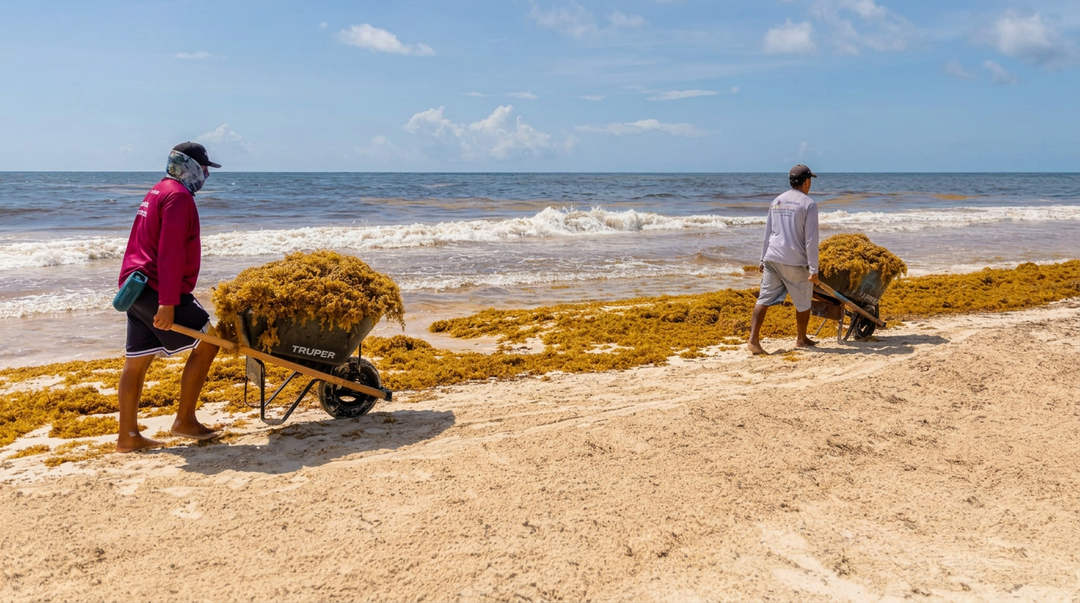
El daño comienza cuando llega a la costa en grandes cantidades y empieza a descomponerse. La alga no es tóxica en condiciones naturales en el mar, señaló, pero al pudrirse en la arena puede liberar compuestos que representan un riesgo para las personas y la flora y fauna locales. Por eso, argumentó, es fundamental retirarla rápidamente, antes de que comience la descomposición.
Un recurso que ahora regula el gobierno.
El sargazo se incorporó a la Carta Nacional Pesquera de México en 2025. Este cambio abrió la puerta a la regulación de su uso, aunque Martínez insistió en que también eleva los estándares sobre cómo debe llevarse a cabo cualquier tipo de captura.
"Hay que hacerlo de forma ordenada, con información científica, y para ver cómo podemos obtener el mayor beneficio social y ambiental del uso de este recurso", dijo.
Los investigadores ya están probando si las algas marinas se pueden convertir en materiales de construcción, biocombustibles y otros productos, añadió, pero ninguna de esas vías ha llegado a ser un modelo que merezca la pena imitar.
"Existen varias iniciativas, pero aún no hay ningún ejemplo que podamos señalar y decir que este es el camino que debemos seguir", afirmó.
Causas que los científicos aún están desentrañando
Las razones del creciente volumen de residuos que llegan al Caribe siguen siendo objeto de estudio. Martínez señaló varias hipótesis de trabajo, entre ellas el cambio climático, el aumento de la carga de nutrientes provenientes de fertilizantes y aguas residuales, y las alteraciones en las corrientes oceánicas.
Según explicó, esos factores han sido identificados como condiciones que favorecen el crecimiento de las algas, mientras que la investigación continúa para determinar su origen con mayor precisión.
"Todo está conectado, y lo que hacemos en tierra firme también llega a los océanos, y viceversa", afirmó.
Para Martínez, esa conexión apunta a tareas concretas en tierra. Gestionar las aguas residuales y frenar el uso intensivo de fertilizantes químicos, explicó, son parte de la reducción de las condiciones que favorecen la proliferación de algas.
El peso económico y social en la costa
El alcance del problema va mucho más allá de la ecología. Martínez afirmó que la acumulación masiva de sargazo perjudica al turismo y también afecta a las comunidades pesqueras y a cualquiera que dependa del acceso a la costa para ganarse la vida.
Las algas dificultan el acceso al agua, interrumpen el funcionamiento de hoteles, restaurantes y servicios turísticos, y alteran el estado de las playas que caracterizan el Caribe mexicano.
"No se trata solo de un problema medioambiental. Ya tiene un impacto económico y social", afirmó.
Así es como se ve el plan federal hasta ahora.
El programa federal está siendo coordinado por la Secretaría de Marina y la Secretaría de Turismo, y las autoridades han indicado que comenzará aproximadamente dos semanas después de su anuncio a mediados de julio. Incluye la compra de embarcaciones especializadas para recolectar sargazo en el mar, antes de que llegue a la costa, así como estudios para explorar cómo se podría reutilizar el alga recolectada.
Esos datos coinciden en gran medida con lo que Martínez describió. La incógnita a la que vuelve constantemente reside en la ciencia, y en si los detalles del programa, aún no públicos, la reflejarán.
La investigación y las decisiones que dan forma al futuro.
Martínez vinculó las decisiones inmediatas a un horizonte más amplio. Fortalecer la investigación científica y la formación de especialistas en medio ambiente, afirmó, será fundamental para afrontar fenómenos como el sargazo, y las decisiones que se tomen ahora determinarán el legado de las futuras generaciones.
"Quienes pertenecemos a las generaciones actuales debemos cuestionarnos cómo consumimos y cómo nos relacionamos con el medio ambiente", afirmó.
Por ahora, el plan solo existe en líneas generales. Su presupuesto, su alcance total y la base científica que lo sustenta son los elementos que aún faltan por definir, y estos determinarán si la respuesta de esta temporada se convierte en el modelo que, según Oceana, aún le falta a la región.
¿Debería el plan contra el sargazo esperar a que la ciencia avance antes de implementarlo a gran escala, o actuar ahora mientras la investigación se pone al día? Únete a la conversación y comparte tu opinión con nosotros en Instagram y Facebook en @thetulumtimes .

The Tulum Times · Newsletter
La nota sigue en tu correo.
Lo esencial de Tulum y contexto local, un par de veces por semana. Gratis.
Sin spam. Cancelá cuando quieras.
Tulum Sargassum Updates and Beach Conditions
Live seaweed conditions, cleanup updates, forecasts, and practical beach planning across Tulum and the Riviera Maya.

“The best journalists reporting from paradise, highlighting the heroes that keep Tulum the most beautiful place in the world! THANK YOU!”