


El servicio directo regresó al corredor de Cancún el 15 de agosto, dos trenes en cada sentido por la Sección 5 del Tren Maya, el mismo tramo que un juzgado federal colocó bajo supervisión ambiental obligatoria en febrero.
La orden del juzgado provino de un Tribunal Colegiado, una corte federal de circuito colegiado, dentro de un juicio de amparo promovido por el colectivo ambiental Sélvame del Tren. Los medios nacionales lo reportaron entre el 12 y el 16 de febrero bajo titulares que anunciaban que las obras habían sido suspendidas. Una versión ampliamente difundida atribuyó la decisión a la Suprema Corte.
Ninguna de esas interpretaciones resiste un contacto con la resolución. Para cualquiera que reserve un asiento, viva a lo largo de la ruta o intente seguir el litigio que ha acompañado a esta sección desde 2022, la pregunta práctica es más estrecha de lo que los titulares sugirieron: qué ordenó realmente un juez y quién tiene que hacerlo.
La orden nombra a dos oficinas de Profepa, no a la empresa ferroviaria
La resolución está dirigida a la Subprocuraduría de Recursos Naturales de la Procuraduría Federal de Protección al Ambiente y a la Dirección General de Delitos, Conmutaciones, Denuncias y Quejas de la misma dependencia. Ordena a ambas adoptar las medidas necesarias para verificación, inspección, conservación y protección de actividades en la Sección 5. La segunda oficina lleva un deber adicional: procesar formalmente las denuncias ciudadanas presentadas por daño ecológico en el corredor.

Una suspensión definitiva en el procedimiento de amparo mexicano es una medida cautelar, no una sentencia final. Se mantiene mientras el caso de fondo avanza y puede ser modificada o revocada por una corte superior. El Financiero reportó que la medida no necesariamente cancela las obras, sino que establece una obligación de fortalecer la vigilancia ambiental durante la construcción.
La obligación recae en el regulador. La empresa ferroviaria nunca fue la destinataria.
Dos viajes redondos regresaron al corredor de Cancún el 15 de agosto
Poresto reportó que la ruta directa Cancún-Playa del Carmen se reactivó el 15 de agosto, con dos salidas en cada sentido y una duración programada de aproximadamente 49 minutos. El horario publicado:
- Salidas de Cancún a las 6:45 y 10:30, llegadas a las 7:34 y 11:19.
- Salidas de Playa del Carmen a las 7:47 y 12:00, llegadas a las 8:40 y 12:53.
La reactivación va acompañada de Tren Maya Conecta, un servicio de alimentación que vincula estaciones con el aeropuerto, zonas hoteleras y áreas comerciales.
Tulum se encuentra más adelante en la misma sección, en el tramo que corre hacia el sur desde Playa del Carmen. Tanto la estación de Tulum como Tulum Aeropuerto aparecen en los horarios actuales del operador, con circulación 302 saliendo de Tulum Aeropuerto a las 17:55 hacia Mérida Teya.
La Sección 5 del Tren Maya atraviesa cuevas, no roca sólida
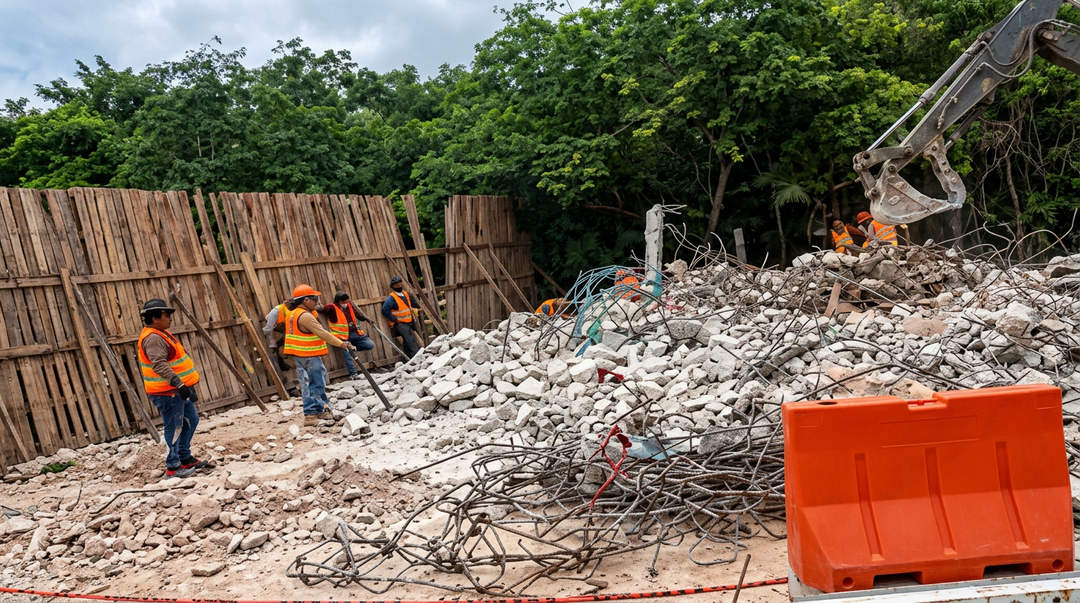
La geología explica por qué este tramo, y no los otros seis, sigue regresando a los juzgados. El corredor de Cancún a Tulum descansa sobre piedra caliza de karst, una superficie porosa atravesada por cavernas inundadas, ríos subterráneos y los cenotes que los drenan. Organizaciones ambientales han documentado pilotes hundidos profundamente en ese terreno para sostener el viaducto elevado y han argumentado durante años que las perforaciones fracturan los sistemas de cuevas debajo.
El gobierno federal ha reconocido él mismo daño ambiental en la Sección 5. Lo que no se ha hecho público es el avance de los programas de restauración o si se llevaron a cabo conforme a los estándares nacionales e internacionales invocados en el litigio. Ese silencio es la brecha que la resolución de febrero fue escrita para cerrar.
180 denuncias, según el conteo de un colectivo
Sélvame del Tren, también conocido como SélvameMX, dijo en febrero que había presentado 180 denuncias ante autoridades municipales, estatales y federales respecto al proyecto, la mayoría enfocadas en la Sección 5. El grupo había documentado contaminación por cemento y daño estructural en el sistema de cuevas de Quintana Roo semanas antes de que se notificara la resolución.
Guillermo Dchristy, integrante del colectivo, interpretó el fallo menos como una victoria legal que como una señal de que la naturaleza tiene derechos y la sociedad civil organizada puede hacer una diferencia. El grupo también advirtió que una orden de un juzgado en papel no garantiza nada y dijo que regresaría a los juzgados si detecta omisiones por parte de Profepa.
Una segunda resolución que ningún juzgado mexicano tiene que hacer cumplir
La cobertura de la decisión de febrero frecuentemente la ubicaba junto a un documento diferente y los dos routinariamente se confunden. El Tribunal Internacional de Derechos de la Naturaleza emitió una resolución sobre el Tren Maya en su sesión de Valladolid en marzo de 2023, encontrando crímenes de ecocidio y etnocidio contra la Península de Yucatán y sus comunidades mayas. Una resolución actualizada fue aprobada en septiembre de 2025 y entregada en Nueva York durante la Semana del Clima, a través de la Misión Permanente de México ante las Naciones Unidas, dirigida a la Presidenta Claudia Sheinbaum y a la Secretaria de Medio Ambiente Alicia Bárcena.
Ese texto responsabiliza al Estado mexicano por la violación de estos derechos fundamentales, declara a los cenotes como sujetos de derechos y ordena tanto la suspensión del proyecto como la desmilitarización de territorios indígenas.
Es un tribunal ciudadano, integrado por defensores de derechos ambientales en lugar de jueces en funciones, y no tiene jurisdicción sobre agencias mexicanas. Sus hallazgos tienen peso moral y documental. No obligan a Profepa, a Semarnat ni a ningún juzgado mexicano a actuar. La suspensión de febrero sí. Leer ambas como una cadena legal única es el error más común en la cobertura de las dos.
Ningún reporte público ha seguido a la orden de febrero
Seis meses después de que se notificara la resolución, ninguna cuenta de lo que Profepa inspeccionó, verificó o encontró en la Sección 5 ha aparecido en cobertura nacional o regional. La dependencia no ha publicado un reporte de cumplimiento. El colectivo no ha anunciado una nueva presentación.
Dos cosas cambiarían el panorama en esta página. La primera es un reporte de Profepa detallando las inspecciones que condujo y qué encontró. La segunda es el regreso de Sélvame del Tren al Tribunal Colegiado para argumentar que la orden fue ignorada. Hasta que uno de ellos llegue, los trenes en la Sección 5 mantienen su horario y la supervisión ordenada por un juez en febrero existe solo en el expediente.
¿Debería Profepa publicar sus reportes de inspección de la Sección 5 conforme los presente? Únete a la conversación y comparte tu perspectiva con nosotros en Instagram y Facebook en @thetulumtimes.
This image was generated or enhanced using artificial intelligence to improve its quality.

The Tulum Times · Newsletter
La nota sigue en tu correo.
Lo esencial de Tulum y contexto local, un par de veces por semana. Gratis.
Sin spam. Cancelá cuando quieras.
Maya Train, Tulum Station, and Regional Connectivity
Coverage of the Maya Train, stations, routes, travel changes, and infrastructure decisions affecting Tulum.

“The best journalists reporting from paradise, highlighting the heroes that keep Tulum the most beautiful place in the world! THANK YOU!”


