
El INAH emitió un comunicado público el jueves rechazando la afirmación del sindicato de que entregó la zona arqueológica de Tulum al Grupo Mundo Maya, tres días después de que su propia taquilla dejara de vender entradas.
El cambio entró en vigor el lunes 27 de julio. A partir de ese día, la caseta de autocaravanas donde el instituto imprimía y vendía boletos electrónicos a la entrada de la ciudad amurallada dejó de emitirlos. Ahora, los visitantes compran sus boletos en las ventanillas del Grupo Mundo Maya, la empresa estatal que administra el Parque del Jaguar.
Ahora, quienes ingresan al sitio arqueológico más visitado de Quintana Roo pagan a una empresa estatal adscrita al Ministerio de Defensa antes de pasar por un solo torniquete del INAH. El Sindicato Nacional de Trabajadores de la Secretaría de Cultura lo interpreta como una transferencia de funciones públicas. El instituto lo interpreta como un cambio de cajero.
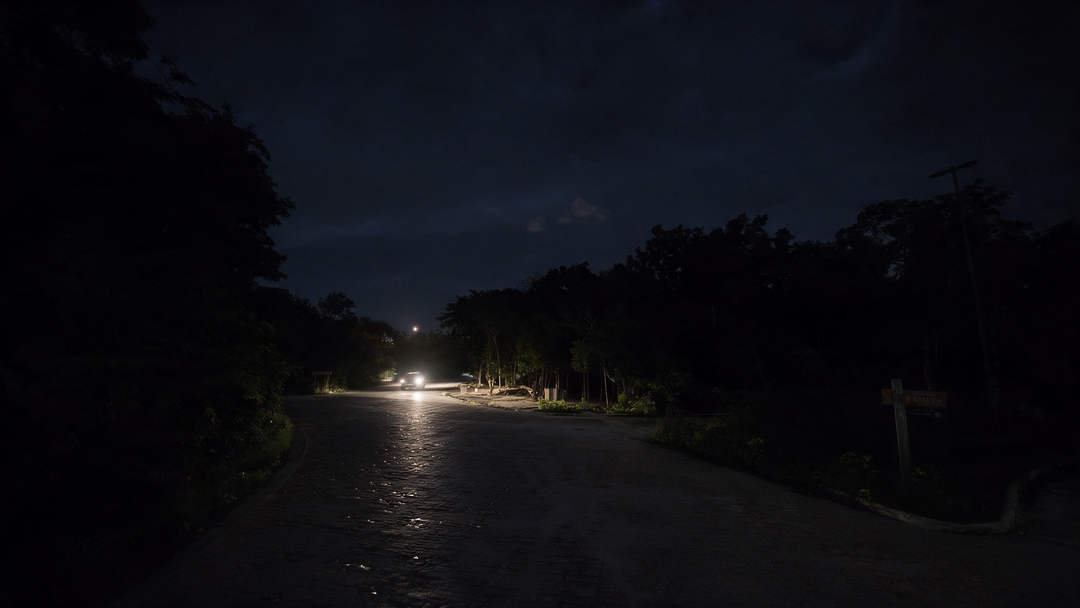
La taquilla para autocaravanas dejó de imprimir entradas el 27 de julio.
La orden llegó mediante oficio interno, oficio 401.50.7-2026/888, firmado por Margarito Molina Rendón, director del centro del INAH en Quintana Roo. Estaba dirigido a José Manuel Ochoa Rodríguez, responsable del sitio arqueológico, y a los coordinadores técnicos José Elías Caamal Pool e Isauro Tuyub Mex.
El aviso suspendió la impresión y venta electrónica de boletos en la caseta de campistas a partir de ese lunes. También estableció la postura que el instituto ha reiterado desde entonces: el INAH no deja de vender boletos, sino que los vende únicamente en los puntos de venta de Grupo Mundo Maya. Molina Rendón fundamentó la instrucción en el decreto presidencial publicado el 17 de julio.
80 pesos, 165 pesos
Ese decreto, que forma parte del paquete Plan Tulum Renacimiento que el gobierno federal anunció desde el aeropuerto de Tulum el 17 de julio, entró en vigor el 20 de julio y estará vigente durante los años fiscales 2026 y 2027.
Se establece un pago único que cubre tanto el Parque Nacional Tulum como la zona de monumentos arqueológicos. Los visitantes mexicanos pagan 80 pesos de lunes a sábado. Los visitantes extranjeros pagan 165. Los residentes del municipio de Tulum reciben un beneficio equivalente al monto total y no pagan nada. Los domingos la entrada al parque nacional es gratuita para los mexicanos. El acceso al Parque del Jaguar es gratuito para los mexicanos y cuesta 100 pesos para los visitantes extranjeros; el servicio de transporte eléctrico tiene un costo adicional de 20 pesos.
La cifra de 265 pesos que circuló tras el anuncio del 17 de julio no contradice los 165. Es la suma. Un visitante extranjero que recorre todo el parque paga 100 pesos por el Parque del Jaguar más los 165 pesos de la tarifa unificada por las otras dos áreas. Quien no visita el parque paga 165.

Para quien llega a la puerta, la diferencia práctica es mínima. El precio es el mismo que el del 20 de julio; las exenciones estipuladas en el decreto para menores, estudiantes, profesores, personas mayores, jubilados y guías acreditados siguen vigentes, y la entrada aún permite el acceso a la ciudad amurallada. Lo que ha cambiado es la taquilla.
"Una privatización silenciosa", afirma el sindicato cultural.
El sindicato se hizo público antes que el INAH. En un comunicado dirigido a la opinión pública y firmado por su secretario general, José Enrique Vidal Dzul Tuyub, el Sindicato Nacional de Trabajadores de la Secretaría de Cultura calificó el cambio como una privatización silenciosa del patrimonio cultural y dijo que la administración del acceso había terminado en manos del Grupo Mundo Maya.
El comunicado advertía contra la conversión de restos mayas en parques temáticos supeditados a la rentabilidad y hacía un llamado a un debate público sobre lo que el sindicato describe como propiedad inalienable de la nación. Estas citas son una traducción del original en español.
Una frase sobre la zona arqueológica de Tulum se puede leer de dos maneras.
La respuesta del INAH llegó el jueves bajo el lema #INAHINFORMA del instituto y destacó tres puntos. No hubo donación a Grupo Mundo Maya ni transferencia de la administración del sitio. Los acuerdos establecen tarifas de acceso unificadas y un mecanismo de recaudación único, mediante el cual el INAH vende los boletos de entrada a Grupo Mundo Maya para simplificar el acceso de los visitantes. Las facultades legales del instituto sobre la investigación, conservación, protección, administración y operación de la zona monumental de Tulum permanecen intactas, sin que exista privatización alguna del patrimonio arqueológico.
El punto intermedio es donde el argumento se vuelve ambiguo. En español, esa frase puede interpretarse como que el instituto vende boletos a la empresa, que luego los revende, o como que el instituto vende boletos a través de las ventanillas de la empresa. El comunicado interno de Molina Rendón respalda la segunda interpretación. El boletín no aclara cuál de las dos.
Tampoco responde a la pregunta que planteó el sindicato: ¿quién se interpone entre un visitante y las ruinas en el momento del pago?
Hasta el momento, ninguna publicación detalla los términos comerciales. Ni el boletín ni el aviso interno especifican qué recibe Grupo Mundo Maya por operar las ventanillas, cómo se divide el cargo unificado entre las instituciones involucradas, ni qué sucede con el acuerdo cuando finaliza el plazo fiscal establecido por el decreto.
Los líderes sindicales quieren que se revise y revoque la orden.
Dzul Tuyub declaró que el sindicato solicitará una reunión con las autoridades del INAH para pedir una revisión y posible revocación de la medida. No se ha anunciado ninguna fecha y el boletín del instituto no menciona dicha solicitud.
Grupo Mundo Maya no ha respondido públicamente a la acusación del sindicato.
El decreto estará vigente hasta finales del año fiscal 2027. Hasta que el sindicato celebre su reunión o el instituto publique las condiciones, lo único que un visitante podrá comprobar en la entrada es el nombre que aparece en la ventana.
¿Debería la venta de entradas para la zona arqueológica de Tulum volver a estar a cargo del INAH, o sería mejor contar con una ventanilla única para todos los visitantes? Únete a la conversación y comparte tu opinión con nosotros en Instagram y Facebook en @thetulumtimes .
This image was generated or enhanced using artificial intelligence to improve its quality.

The Tulum Times · Newsletter
La nota sigue en tu correo.
Lo esencial de Tulum y contexto local, un par de veces por semana. Gratis.
Sin spam. Cancelá cuando quieras.
Tulum Cenotes, Ruins, and Practical Visitor Guides
Guides, access updates, regulations, and practical planning around cenotes and the Tulum archaeological zone.

“The best journalists reporting from paradise, highlighting the heroes that keep Tulum the most beautiful place in the world! THANK YOU!”