

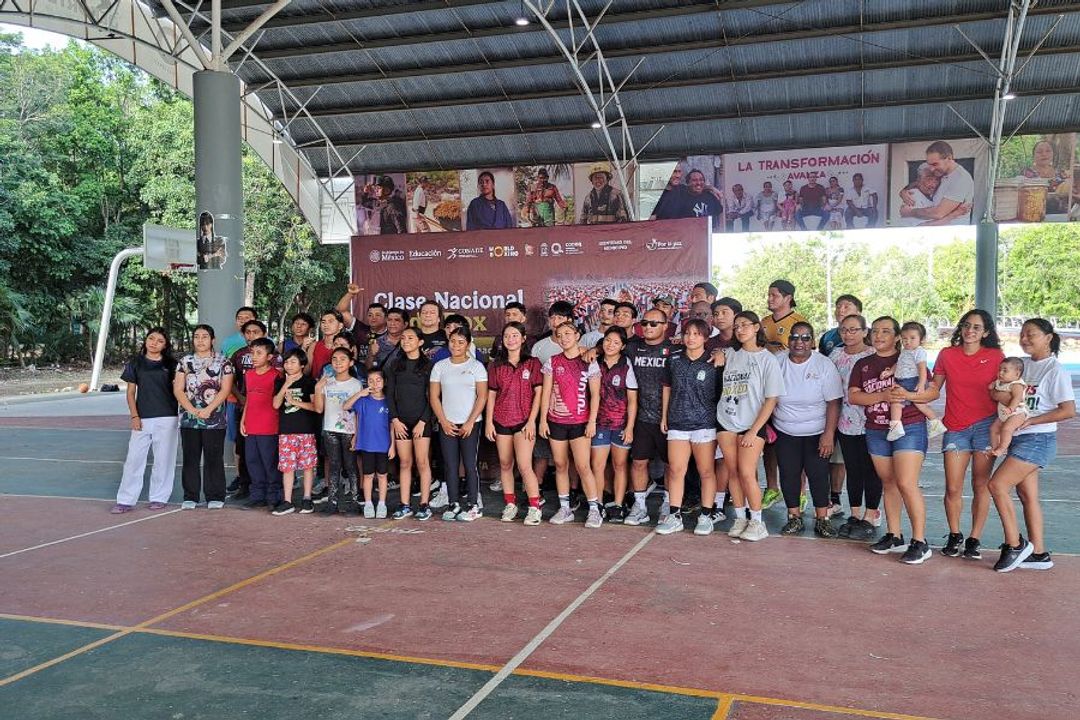
El boxeo en Tulum atrajo a niños y adolescentes al complejo deportivo municipal el domingo, como parte de una clase nacional realizada en más de 275 espacios en todo México.
Entrenadores de las selecciones municipales dirigieron la sesión. Guiaron al grupo a través de trabajo de acondicionamiento, ejercicios de coordinación y movimiento de pies mucho antes de que alguien fuera pedido a lanzar un puño que contara.
El propósito, de acuerdo con los entrenadores, era ampliar la base. Tulum ya realiza entrenamientos regulares de boxeo en el complejo, y la clase nacional le dio al municipio una razón para abrir las puertas una mañana de domingo y ver quién entraba.
Acondicionamiento y movimiento de pies antes de que nada golpee
Lo que recibieron los participantes fue más cercano a una primera lección de lo que el deporte demanda que a una lección sobre cómo golpear. Acondicionamiento físico, coordinación, constancia y autocontrol son las partes de la preparación que vienen antes del ring, y los ejercicios fueron construidos alrededor de ellos.

Entrenadores adscritos a las selecciones municipales dirigieron los ejercicios y se movieron entre los grupos corrigiendo postura y movimiento.
Su argumento a los participantes fue directo. El boxeo demanda preparación física, y demanda control, compromiso, y la paciencia para seguir un proceso de entrenamiento que no da resultados en una semana.
"Algo de deporte, algo de disciplina", les dice Crisanto
Alfredo Crisanto, entrenador de boxeo en el complejo deportivo de Tulum, dijo que uno de los objetivos principales es dar a los jóvenes opciones que los mantengan alejados de conductas de riesgo y los empujen hacia hábitos más saludables.
"Es más que nada para animar e invitar a los jóvenes a alejarse de las adicciones, de los malos caminos, y a adoptar un deporte, algo de disciplina", dijo Crisanto durante la actividad.
Fue directo sobre el límite. La intención no es que todos en la sala terminen siendo boxeadores. Es que algunos de ellos se vayan interesados en una de las disciplinas que el municipio ya ofrece, la que sea.

Guantes a los 7 u 8 años, competencia mucho después
La formación de un boxeador puede comenzar alrededor de los siete u ocho años, dijo Crisanto. Las primeras etapas son ejercicios de coordinación, acondicionamiento físico, movimiento, y fundamentos técnicos, trabajados gradualmente para que un niño desarrolle capacidad antes de enfrentar algo más exigente.
La preparación competitiva se sitúa al final de ese proceso, no al principio.
La enseñanza también lleva valores que los entrenadores listan sin pena: respeto, responsabilidad, disciplina y constancia. El trabajo con menores, dicen, apunta a una formación completa más que a un conjunto de habilidades para ganar peleas.
275 espacios, una mañana
La sesión de Tulum formó parte de la Clase Nacional de Boxeo, la clase masiva de boxeo que el gobierno federal realiza una vez al año. La edición de este año tuvo lugar el domingo 16 de agosto, en más de 275 espacios en los 32 estados, de acuerdo con la Comisión Nacional de Cultura Física y Deporte, que se propuso superar los 55,000 participantes registrados en la edición 2025.
El programa viene con dinero adjunto. Los participantes pueden entrar a Jóvenes Construyendo el Futuro, el esquema laboral federal que paga más de 9,500 pesos al mes para entrenar, competir y dar clases de boxeo gratis en sus propias comunidades. Campeones mundiales actuales y anteriores fueron colocados en espacios en otras partes del país, entre ellos William Zepeda y Pipino Cuevas.
Quintana Roo realizó sesiones en Benito Juárez, Playa del Carmen y Cozumel la misma mañana.
El marco federal coloca la clase dentro de una agenda de prevención, con el deporte presentado como herramienta contra la adicción y un medio para fomentar la convivencia pacífica. En Tulum, ese lenguaje llegó ya traducido a algo local: un entrenador en un gimnasio municipal diciendo a adolescentes que hay un lugar para ellos un domingo.
El boxeo en Tulum como cantera para los equipos municipales
Ampliar la base de practicantes hace dos cosas a la vez, y los entrenadores nombran ambas. Empuja a más residentes hacia una rutina activa y aflora a quienes resultan ser buenos en esto.
Los participantes que continúan con el entrenamiento pueden avanzar a las selecciones municipales con el tiempo y representar a Tulum en competencias estatales y nacionales. Ese camino existe; es lento, y comienza con los mismos ejercicios de coordinación que todos hicieron el domingo.
La clase también sirvió como escaparate de instalaciones que la mayoría de residentes pasan sin entrar. El entrenamiento regular en el complejo continúa en su horario normal.
Crisanto y los otros entrenadores no sabrán por algunas semanas si la mañana funcionó. La medida no es cuántos asistieron el domingo. Es cuántos vuelven en un martes ordinario, sin ningún estandarte nacional sobre la puerta.
¿Inscribirías a tu hijo en boxeo para mantenerlo activo y reducir riesgo? Únete a la conversación y comparte tu perspectiva con nosotros en Instagram y Facebook en @thetulumtimes.

The Tulum Times · Newsletter
La nota sigue en tu correo.
Lo esencial de Tulum y contexto local, un par de veces por semana. Gratis.
Sin spam. Cancelá cuando quieras.

“The best journalists reporting from paradise, highlighting the heroes that keep Tulum the most beautiful place in the world! THANK YOU!”


