

Tulum prices will decide this winter whether the town recovers. After a low season of empty rooms and closed hotels, the urge to recoup losses at the register is understandable and dangerous.
The pressure is real. In September, hotel occupancy in Tulum reached 42.3 percent, and five hotels closed temporarily, according to figures from the Quintana Roo Tourism Information System. Some properties cut rates by as much as 80 percent, offering rooms for 800 pesos that once sold for 5,000. Across the first seven months of 2026, occupancy averaged 63.7 percent, down from 72.7 percent a year earlier, according to the state Tourism Secretariat.
Behind those percentages are restaurants that went weeks without a full table, tour operators with idle vans, and workers who lost shifts. Many owners are entering the high season with months of losses on their books. What they charge between now and spring will decide whether this winter's visitor comes back next year or tells friends to book somewhere else.
How Tulum prices became the complaint visitors repeat
The grievance has been on the record for more than a year. In November 2025, the Federal Consumer Protection Agency (Profeco) conducted an inspection in Tulum following complaints from residents and tourists. Inspectors found simple hamburgers above 400 pesos, guacamole at 280 pesos, and menus that showed no prices or listed them only in foreign currency.
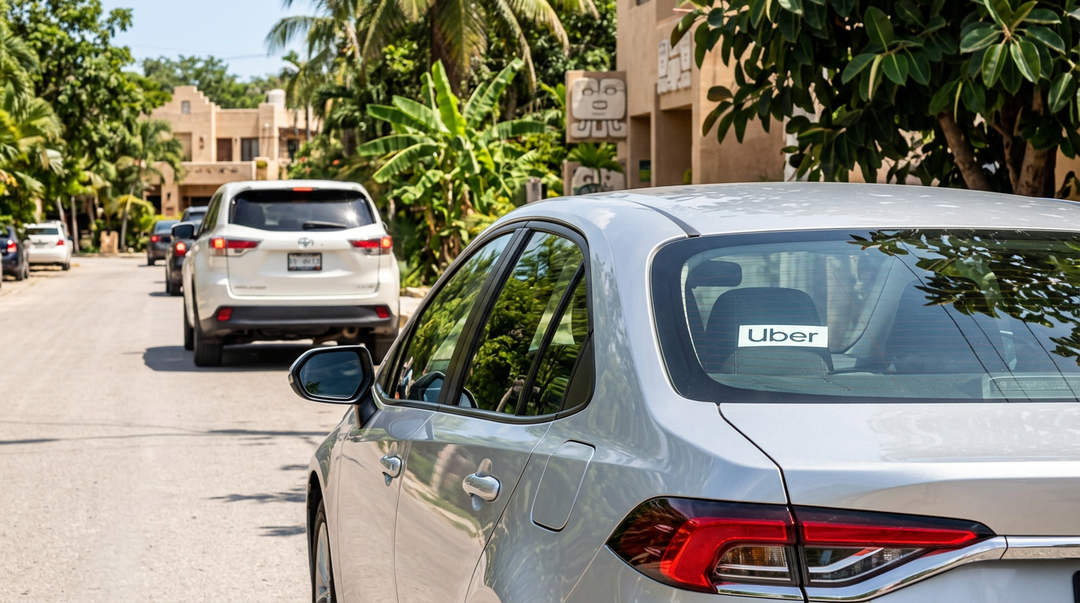
Lodging tells the same story. Expansión has reported an average Airbnb rate in Tulum of $ 185 per night, 27 percent above Playa del Carmen and 26 percent above Cancun. The same outlet reported that rising prices pushed out domestic travelers who once filled Tulum's hotels on long weekends.
Residents say it too. Speaking to Riviera Maya News in May, one local blamed the exodus on exorbitant prices in transportation, lodging, food, and drinks. When President Claudia Sheinbaum was asked in October 2025 whether she would call for moderation in Tulum's prices, she said that issue would also be addressed.
Prices are one cause among several. Record sargassum, lost air routes, and the Jaguar Park entry fee all weighed on 2026. Price is the one cause business owners control directly.
A week in Tulum now competes with a week in Europe
A traveler planning a winter trip compares the total cost of a week, and Tulum now sits alongside Lisbon, Rome, and Barcelona in that calculation. A family paying 185 dollars a night, 400 pesos for a burger, and steep taxi fares can price the same week in a European capital, with museums, trains, and centuries of history in the bargain.

The data suggests many travelers are making that choice. In the first half of 2026, Mexico's share of American international trips fell from 19.8 to 18.1 percent while Europe's rose from 28.6 to 29.5 percent, figures previously reported by The Tulum Times show. Visits to the Tulum archaeological zone fell 33.1 percent in the first quarter, to 257,978 from 385,879, according to INAH.
Airlines read the same signals. Aeroméxico ended its Tulum service on September 30, and Volaris will stop flying to Tulum International Airport on January 7, 2027, citing high prices as a contributing factor in the decline.
The math of overcharging a guest who never returns
On a spreadsheet, a December price hike looks like recovery. A restaurant that adds a third to every dish may close the month ahead. The accounting stops there, and that is the problem.
Destinations live on repeat visits and referrals. A satisfied guest returns, brings a partner or a group of friends, and recommends the place to people who trust that word more than any advertising campaign. A guest who feels cheated posts the receipt. One video of a 1,000-peso bill for two ice creams, the kind of post that has already gone viral about Tulum, can reach more potential visitors in a weekend than a hotel's advertising reaches in a year.
Price also carries a message. In brand terms, a price is a promise about value. Tulum built its name on the promise that the experience justified the cost. When the bill contradicts the photograph, the visitor stops trusting the brand, and that loss of trust outlasts any single season's margin.
The low season left a hard lesson. Raising prices in winter to cover a bad summer shifts the cost of one season onto the next, and the next season pays for it with fewer guests.
Every inflated bill is charged to the whole town
Tulum's reputation belongs to no single business, yet every business draws on it. Economists call this a shared resource problem. Each owner who overcharges keeps the extra revenue, while the damage to the destination's reputation is shared by everyone, including the businesses that priced fairly.
The people who absorb that damage first are the least able to. Housekeepers, waiters, taxi drivers, artisans, and tour guides depend on how many visitors arrive and on how much any one restaurant earns per table. When Felipe Nahuat, president of the Tulum chapter of the National Chamber of Commerce, told Uno TV that affiliated businesses had reported closures and very low sales, he was describing payrolls as much as storefronts.
This is where the ethics of pricing meets its economics. Holding prices steady in high season is an act of care for the visitor, who deserves to be treated as a guest, and for the community that lives from that guest's return. Jorge E. Torre Loría, a former Yucatán tourism secretary, recalled an old rule of the trade in a letter to Diario de Yucatán last year: exploit tourism, never the tourist.
A winter price pact Tulum's businesses could sign today
Fair pricing is a standard that businesses can agree on collectively. Business chambers, hotel associations, and restaurant groups could commit publicly to a short list of practices for the 2026 to 2027 season:
- Hold room rates and menu prices at or near last winter's levels, with no seasonal surcharge added.
- Display every price in pesos, visibly, before the customer orders, as Profeco already requires.
- Charge Mexican and foreign visitors the same price for the same service.
- State service charges and minimum spends upfront, never for the first time on the final bill.
- Name a contact within each association where visitors can report abuse and have it acted on.
The government has moved partway. The federal Plan Tulum Renace, presented on July 17, cut the archaeological zone fee to 80 pesos for Mexicans and 265 for foreigners, opened 10 free beach access points, and committed to permanent application of Profeco's Quién es Quién en los Precios price-monitoring program. Regulation can flag abuse after it happens. A shared commitment from the private sector would stop it at the menu.
Conrad Bergwerf, a former president of the Riviera Maya Hotel Association, put the principle plainly to Expansión last December: Tulum has to adjust to the reality of demand. That adjustment can begin before the first winter flight lands.
The high season will produce its own numbers by spring. If Tulum's business owners use these months to win guests back, those numbers will show it. If they use them to recover the summer from each guest's wallet, the people who paid this winter's bills will be the ones missing next year.
Should Tulum's business associations publicly commit to keeping prices this high this season? Join the conversation and share your perspective with us on Instagram and Facebook at @thetulumtimes.

The Tulum Times · Newsletter
The story continues in your inbox.
Essential Tulum news and local insight, a few times a week. Free.
No spam. Unsubscribe anytime.
Transportation in Tulum: Taxi, Bus, Transfers, and Mobility
Taxi fares, buses, transfers, road changes, mobility updates, and practical transport guidance for Tulum.

“The best journalists reporting from paradise, highlighting the heroes that keep Tulum the most beautiful place in the world! THANK YOU!”