
Los cierres de restaurantes en Tulum han comenzado en esta temporada baja, y el representante local de Canirac dice que la cámara aún no puede precisar cuántos negocios han cerrado, ni cuántos más están contando las semanas.
Karla Medel, quien encabeza la representación de Canirac en Tulum, dijo que la caída en clientes e ingresos ya ha obligado a algunos establecimientos a suspender operaciones. La presión, reconoció, ha llegado también a negocios afiliados a la cámara.
Esta admisión es importante porque los restaurantes son donde primero se ve una desaceleración en Tulum. Un hotel puede reducir tarifas, cerrar un piso y ajustar turnos. Un restaurante con ocho mesas vacías un viernes paga la misma renta el primero de mes, y los hoteleros en el destino no esperan que los números de visitantes repunten antes de la segunda mitad de octubre.
Nómina y renta se mantienen mientras las mesas siguen vacías
Medel describió las cuentas que están haciendo sus agremiados. Entran menos comensales, pero la renta, los salarios, la electricidad, el agua, los proveedores e insumos continúan al mismo ritmo que durante la temporada alta. El margen entre esas dos líneas es donde el sector está viviendo actualmente.

Para algunos dueños, eso deja una sola decisión. Resistir hasta que el turismo se recupere, o cerrar permanentemente.
Medel dijo que la preocupación de la cámara ahora se ha desplazado de los negocios que ya cerraron a los que siguen abiertos, porque esos son los establecimientos que cargan costos fijos contra una línea de ingresos que no se ha estabilizado. No identificó cuáles negocios están en esa posición.
Nadie ha contabilizado los cierres de restaurantes en Tulum
Canirac no tiene un registro. Medel fue directa al respecto: la cámara no tiene una cifra de cuántos restaurantes han cerrado por la temporada baja, tampoco tiene una de cuántos están actualmente en riesgo. Lo que tiene es la confirmación de que los cierres ocurrieron.
Circulan otros números, y miden cosas distintas. Por Esto reportó a finales de julio que alrededor de 70 establecimientos comerciales de diversos tipos habían cerrado en Tulum durante la temporada baja, una cifra que cubre mucho más que restaurantes. Funcionarios municipales citados en el mismo reporte caracterizaron muchos de esos cierres como suspensiones temporales, con dueños con intención de reabrirse cuando regrese el flujo de temporada alta.
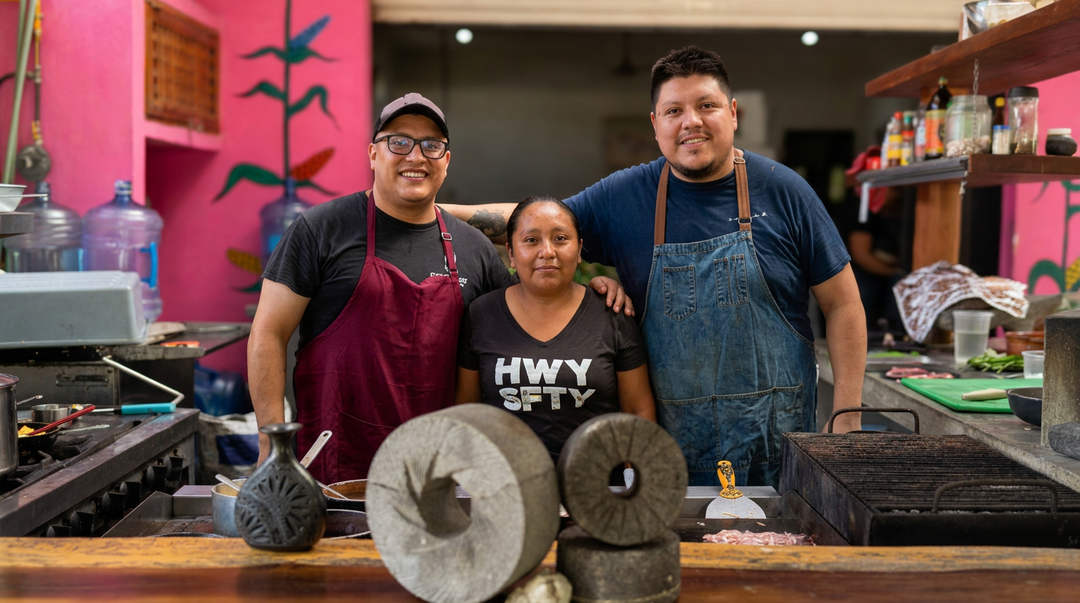
Al menos un cierre está documentado por nombre. La Eufemia, un clásico de la carretera de playa de Tulum por más de una década, anunció un cierre temporal a finales de julio.
Canirac quiere residentes en las mesas
La respuesta de la cámara es cambiar a quién vende. Medel dijo que Canirac Tulum está preparando eventos, promociones y actividades dirigidas a traer residentes locales a los restaurantes durante los meses en que los visitantes escasean, una estrategia que busca reducir, al menos en parte, la dependencia completa del sector de las llegadas turísticas.
Dijo que el esfuerzo también requerirá coordinación con el Ayuntamiento de Tulum, a través de medidas que ayuden a sostener la actividad económica y den espacio a los establecimientos para atravesar los meses más difíciles. No detalló qué medidas específicas la cámara solicitará, y el gobierno municipal no ha respondido públicamente a la propuesta.
El objetivo declarado es estrecho. Evitar una segunda ronda de cierres antes de que el calendario mejore.
Una representación aún en construcción
La presencia de Canirac en Tulum es reciente. Canirac Cancún comenzó el proceso en julio para establecer una representación en Tulum como parte del plan Renace Tulum, y ha estado afiliando restaurantes locales para alcanzar el umbral requerido por sus estatutos antes de que una representación pueda formalizarse. Perla Flores, presidenta de Canirac Cancún, ha dicho que las ventas de restaurantes en esa ciudad están 25 a 30 por ciento por debajo de promedios históricos y que el sector local ha perdido cerca del 20 por ciento de sus empleos.
Hoteles costeros reportaron ocupación cerca del 15 por ciento en julio
Los números de hospedaje explican los comedores vacíos. Cifras del sistema estatal de información turística de Quintana Roo, SITUR-Q, ponen la ocupación hotelera promedio de Tulum en 69.88 por ciento entre enero y mayo de 2026, por debajo del 76.86 por ciento en los mismos meses de 2025. Esa caída de casi siete puntos porcentuales fue más pronunciada que los descensos registrados en Cancún, Playa del Carmen y la Riviera Maya durante el mismo período.
El verano fue más duro. David Ortiz Mena, presidente de la Asociación de Hoteles de Tulum y el Consejo Hotelero del Caribe Mexicano, dijo que los niveles de ocupación fueron alrededor del 20 por ciento en mayo, junio y julio, con propiedades costeras llegando a mínimos cerca del 15 por ciento. Atribuyó la caída a varias presiones que se solapan, entre ellas costos de recolección de sargazo que, en algunos casos, superan 500,000 pesos a la semana, y una reducción de casi 9 por ciento en asientos de aerolínea al Caribe Mexicano este verano tras la quiebra de una aerolínea estadounidense.
Los hoteles en esos niveles reducen horas de personal y suspenden servicios. Los restaurantes que construyeron su negocio alrededor de esos huéspedes pierden los mismos clientes dos veces, una como visitantes y otra como trabajadores que solían gastar sus salarios en la ciudad.
La recuperación que esperan los hoteleros comienza en octubre
Ortiz Mena dijo que el sector espera que las condiciones mejoren a partir de la segunda mitad de octubre, y que las reservas de invierno actualmente van por delante de lo que el destino registró a finales de 2025. Varios hoteles de Tulum ya han decidido operar estacionalmente, cerrando durante los meses más débiles en lugar de absorber costos completos contra demanda mínima.
Los restaurantes tienen menos espacio para ese movimiento. Un hotel puede cerrar ocho semanas y reabrir con las mismas habitaciones. Un restaurante que cierra pierde su personal, sus términos con proveedores y frecuentemente su arrendamiento.
Canirac no ha anunciado una fecha para su primer evento de consumo local, y el Ayuntamiento no ha dicho si participará. Hasta que una de esas dos cosas cambie, los restaurantes aún abiertos en Tulum están trabajando en agosto y septiembre con la aritmética que describió Medel, decidiendo mes a mes si octubre está lo suficientemente cerca para esperar.
¿Han cerrado restaurantes en tu zona de Tulum este verano? Únete a la conversación y comparte tu perspectiva con nosotros en Instagram y Facebook en @thetulumtimes.
This image was generated or enhanced using artificial intelligence to improve its quality.

The Tulum Times · Newsletter
La nota sigue en tu correo.
Lo esencial de Tulum y contexto local, un par de veces por semana. Gratis.
Sin spam. Cancelá cuando quieras.
Tulum Restaurants, Beach Clubs, and Nightlife Guide
Food, dining, beach clubs, and nightlife coverage for visitors looking for practical choices, current openings, and the mood of Tulum after dark.

“The best journalists reporting from paradise, highlighting the heroes that keep Tulum the most beautiful place in the world! THANK YOU!”