

Según agentes inmobiliarios locales, el alquiler de un apartamento en Tulum rara vez baja de los 10.000 pesos. El salario mensual promedio en Quintana Roo ronda los 9.200 pesos. Todo lo demás se deriva de esa diferencia.
Esa aritmética lleva años transformando el municipio, y ahora se refleja en quién llega para el turno de la mañana. El personal de hoteles y restaurantes cada vez duerme más en otro lugar y se desplaza hasta aquí.
Para quienes se plantean mudarse a Tulum, o ya trabajan aquí, la vivienda es el factor determinante. El costo de los servicios también ha aumentado. El alquiler es lo que obliga a muchas familias a abandonar el municipio.
De 5.000 pesos en 2020 a 10.000 hoy
Javier Montes, agente inmobiliario con más de una década de experiencia en el mercado local, declaró al medio regional Quintana Roo Hoy que en 2020 los apartamentos en el centro de la ciudad se alquilaban por aproximadamente 5.000 pesos al mes. Encontrar algo similar hoy en día por menos de 10.000 pesos es prácticamente imposible.
Los apartamentos familiares en Tulum suelen anunciarse por más de 12.000 pesos, y a menudo por encima de 15.000. Existen excepciones, cada una con su justificación. En Aldea Tulum, un apartamento de dos recámaras con servicios básicos se mantiene en 7.500 pesos, y ese precio incluye internet y mantenimiento del edificio.
María Chan vio cómo su propio contrato se ajustaba a ese rango. "Antes pagábamos tres mil pesos de alquiler. Luego el dueño pidió ocho mil", dijo. "Simplemente no podíamos quedarnos".
¿Qué alquiler en Tulum deja un salario de 9200 pesos?
Si se compara un alquiler de 12.000 pesos con un salario de 9.200 pesos, el hogar ya tiene dificultades económicas antes de comprar comida, pagar la luz o mudar a alguien a otra parte de la ciudad. Montes afirmó que un trabajador que gana entre 8.000 y 12.000 pesos al mes no puede costear un alquiler decente en Tulum y, en el mejor de los casos, comparte una habitación o vive lejos del centro.
Luis Hernández, que trabaja en el sector turístico, describió la situación desde la sala de descanso del personal. "La mayoría de mis compañeros ya no viven en Tulum", dijo. "Todos vienen de comunidades cercanas".

El tiempo de desplazamiento es un gasto que nadie anuncia. Un trabajador que se muda a una ciudad más barata cambia el alquiler por horas en la carretera y por gastos de transporte que su salario nunca estuvo diseñado para cubrir.
2.500 familias, 14 colonias irregulares
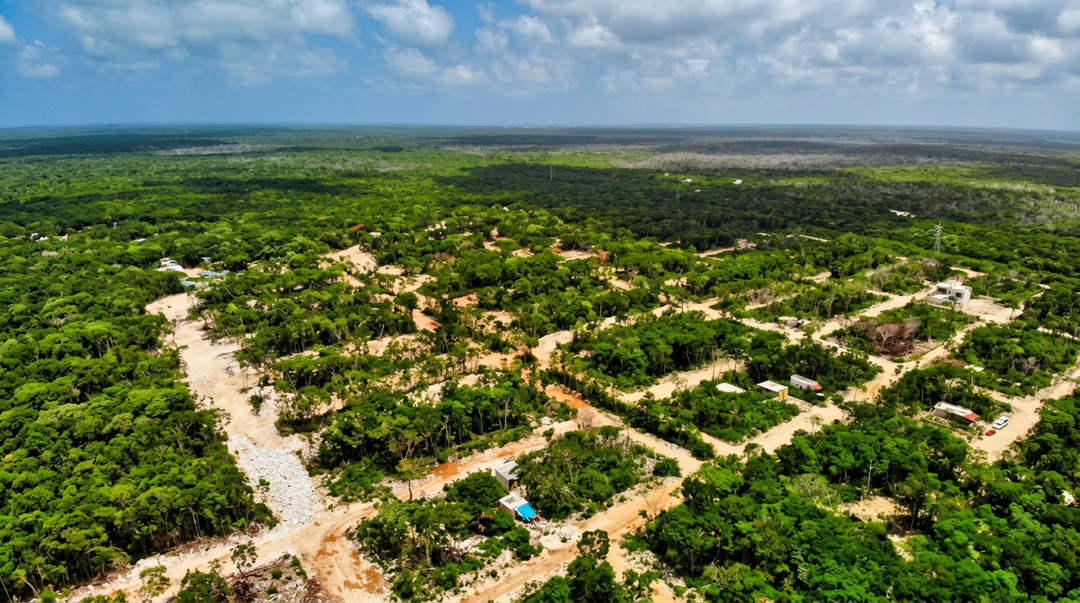
Las familias que permanecen en la zona pero no pueden costear los precios del centro se han trasladado a algún lugar específico. Las autoridades municipales estiman que aproximadamente 2.500 familias viven actualmente en 14 asentamientos irregulares en Tulum, donde los alquileres mensuales oscilan entre 3.000 y 5.000 pesos y una palapa puede costar 2.500.
Muchas de esas viviendas carecen de desagüe y de alumbrado público.
Montes interpreta esa migración como una falta de oferta más que como una preferencia. Según él, los residentes locales y el personal de los hoteles se mudan a las colonias irregulares porque no existe ninguna opción formal asequible para ellos.
Terrenos cotizados en dólares, salarios pagados en pesos.
Según Data México, la población de Tulum pasó de poco más de 28 000 habitantes en 2010 a 46 721 en 2020, un crecimiento superior al 65 % en una década. Dos décadas antes, el pueblo vivía de la pesca y el pequeño comercio, con un turismo escaso. Las construcciones destinadas a los recién llegados no tenían un precio asequible para los residentes ya establecidos.
Montes explicó el mecanismo en una sola frase. Los valores de la tierra y los alquileres, dijo, "se calculan en dólares, pero los salarios todavía se pagan en pesos".
Carlos Serrano, economista y consultor de desarrollo regional, observa que Tulum repite un patrón documentado en otros destinos turísticos internacionales. "Cuando los precios de los terrenos crecen más rápido que los salarios, la población local termina desplazada", afirmó. Añadió que este cambio altera la estructura social del municipio y agrava la desigualdad, incluso donde el crecimiento parece saludable sobre el papel.
Los precios de los condominios están bajando y los alquileres no.
Aquí es donde radica la confusión para los recién llegados. El mercado de inversiones que impulsó al alza el valor de los terrenos lleva dos años corrigiéndose, y los alquileres a largo plazo no han seguido esa tendencia a la baja.
Según la consultora 4S Real Estate, las ventas de viviendas nuevas en Tulum cayeron entre un 32 y un 35 por ciento a partir de 2023, mientras que más de 10.000 unidades se incorporaron al mercado de reventa. Arturo Garcidueñas, socio regional de la firma para el sureste, identificó las mayores caídas en los segmentos residencial y de lujo. En algunos trimestres de 2020 y 2021, los promotores inmobiliarios llegaron a vender más de 1.000 unidades verticales a la vez.
La ocupación de los alquileres vacacionales ha caído por debajo del 50%, y con ella, las tarifas por noche. AirDNA contabilizó 5.097 unidades de alquiler a corto plazo en el municipio. Los locales comerciales del centro ahora exhiben carteles de alquiler, y los hoteles ofrecen promociones que ya no esperan a la temporada baja.
Nada de eso beneficia a las familias que buscan un contrato de alquiler de 12 meses. El exceso de oferta se concentra en propiedades diseñadas para compradores extranjeros y estancias cortas, financiadas y con precios pensados para clientes que no son cocineros profesionales.
Los precios de los alquileres reflejan los datos de los agentes inmobiliarios y del mercado desde finales de 2025 en adelante, y varían según el barrio y la temporada. Lo que realmente impulsaría estos precios sería la construcción de viviendas a escala que se ajusten al salario que la economía local realmente paga, además de un sistema de transporte que permita desplazarse fácilmente a las ciudades vecinas. Ninguna de estas condiciones existe todavía en la magnitud de la brecha existente. Mientras esto suceda, el sector conservará a sus trabajadores, mientras que la ciudad seguirá perdiéndolos.
¿Vives en Tulum o viajas a diario para trabajar allí? ¿Cuánto pagas de alquiler actualmente? Únete a la conversación y comparte tu opinión con nosotros en Instagram y Facebook en @thetulumtimes .
This image was generated or enhanced using artificial intelligence to improve its quality.

The Tulum Times · Newsletter
La nota sigue en tu correo.
Lo esencial de Tulum y contexto local, un par de veces por semana. Gratis.
Sin spam. Cancelá cuando quieras.
Tulum Real Estate, Development, and Investment Context
Reporting and analysis on property, permits, development risk, legality, market trends, and investor context in Tulum.

“The best journalists reporting from paradise, highlighting the heroes that keep Tulum the most beautiful place in the world! THANK YOU!”