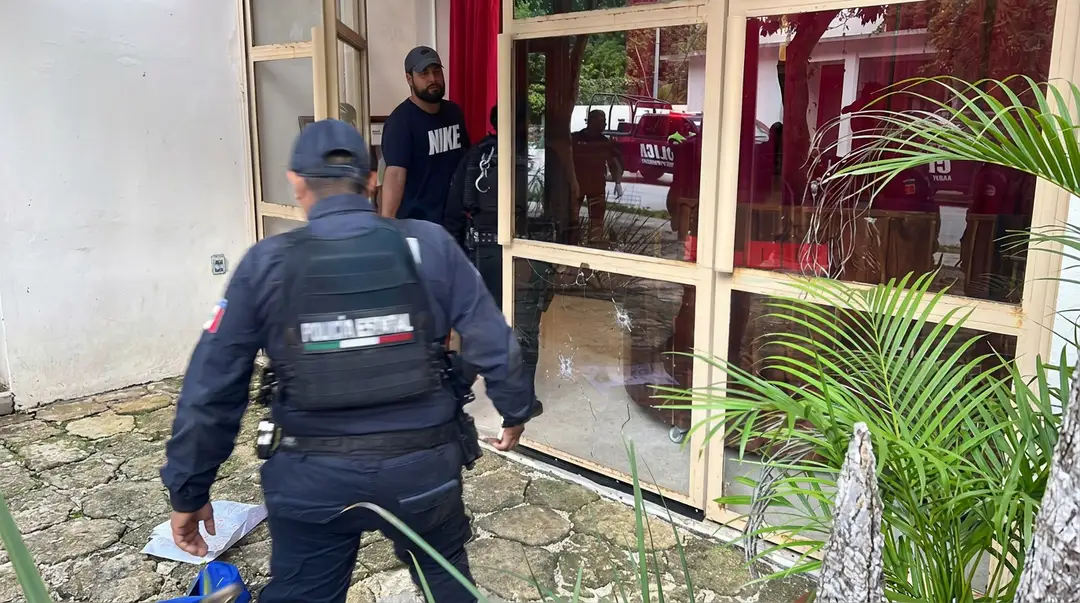
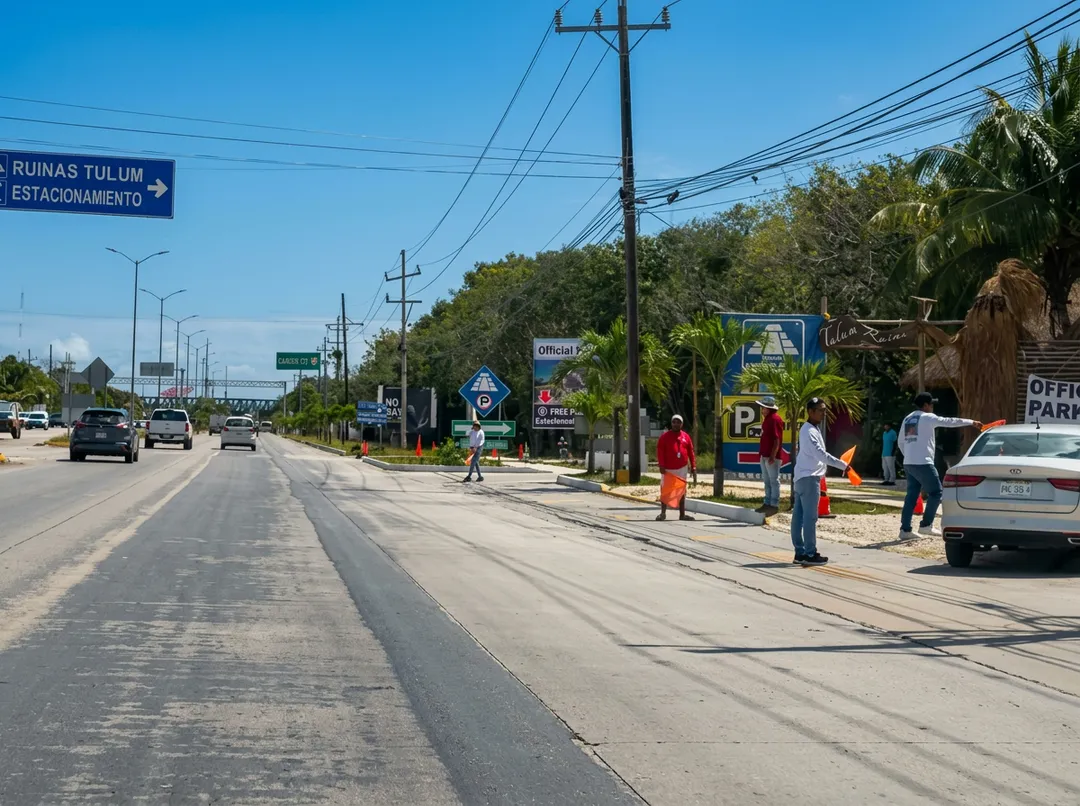
Tour guides and merchants say the touts known as jaladores are back at the Tulum ruins entrances after every enforcement sweep, and now step into the lanes of Highway 307 to flag down cars.
The complaints land three months after the municipal government announced what it called a permanent surveillance operation at those same accesses, with seven irregular sales booths removed and official price information posted at two checkpoints. For the people who work the corridor, the distance between that announcement and an ordinary morning outside the archaeological zone is the story.
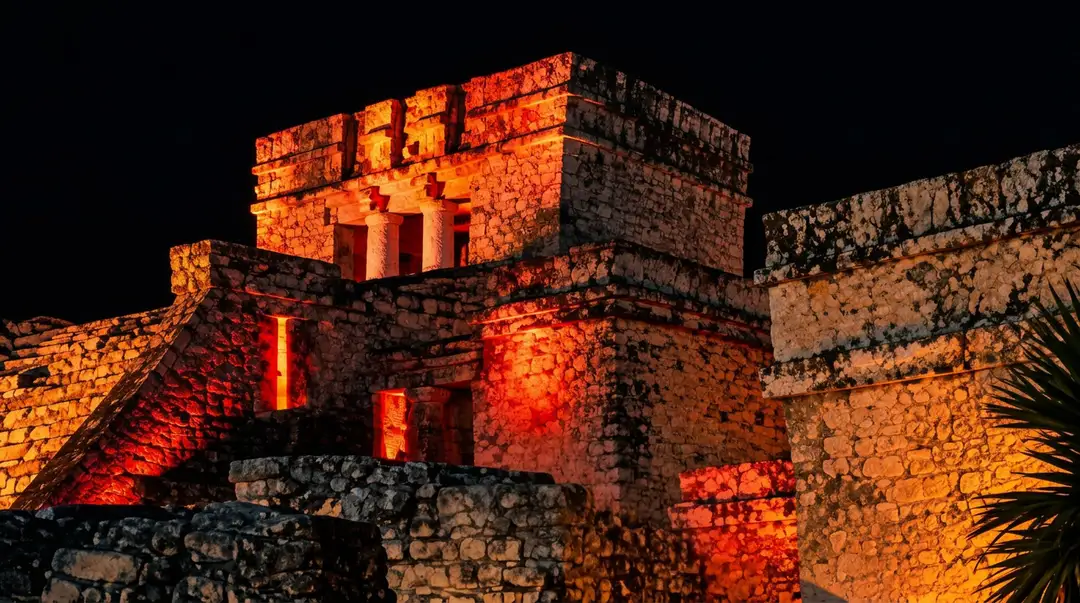
The site they are describing is the most visited archaeological zone in Quintana Roo and one of the busiest in Mexico, fed by a federal highway that carries tour buses, rental cars, taxis, and long-haul traffic between Cancún and the south of the state. Whatever happens at its gate happens in front of thousands of visitors a day.
Into the lanes of Highway 307 outside the Tulum ruins
In Mexican Spanish, a jalador is literally a puller, someone who pulls clients toward a tour desk or a parking lot. At the accesses to the archaeological zone and the Parque del Jaguar, according to the service providers, the pulling starts before visitors leave their vehicles, with tours, transportation, and other services offered insistently along the way in.
What alarms them now is where the pitch happens. Workers say some jaladores walk into the lanes of the federal highway to stop vehicles or signal drivers, on a stretch where through traffic shares the road with everything slowing to turn toward the site.
Jesús Perera, a tour guide, said the risk has outgrown the nuisance.
"The problem has gone beyond the harassment of tourists. Now we see how some of them get practically into the highway to stop vehicles or signal drivers. It is a very dangerous situation, because any lapse can end in an accident. The most worrying thing is that it happens in front of everyone and nobody does anything to prevent it permanently," he said.
Perera questioned how effectively the area is being watched. The rules exist, and the announcements about orderly access have been made, he argued. What the persistence of these practices shows, in his view, is that nobody applies the rulebook on a day without an operation.
'They come back as if nothing had happened'
Pedro Castillo, who sells handicrafts near the site, described the enforcement pattern as a cycle running on repeat. Operations involving municipal, state, and federal authorities clear the accesses, and the effect lasts as long as the patrols do.
"It is a cycle that repeats over and over. They run an operation, they disappear for a while, and when there is no longer any surveillance, they come back as if nothing had happened," he said.
The cycle has a paper trail. Merchants were already complaining in 2022 about jaladores invading the highway to make drivers stop. A municipal sweep in 2023 shut down illegal sales booths at the entrance and warned their operators not to reoffend. Complaints from certified guides, merchants, taxi drivers, and restaurateurs resurfaced this past March.
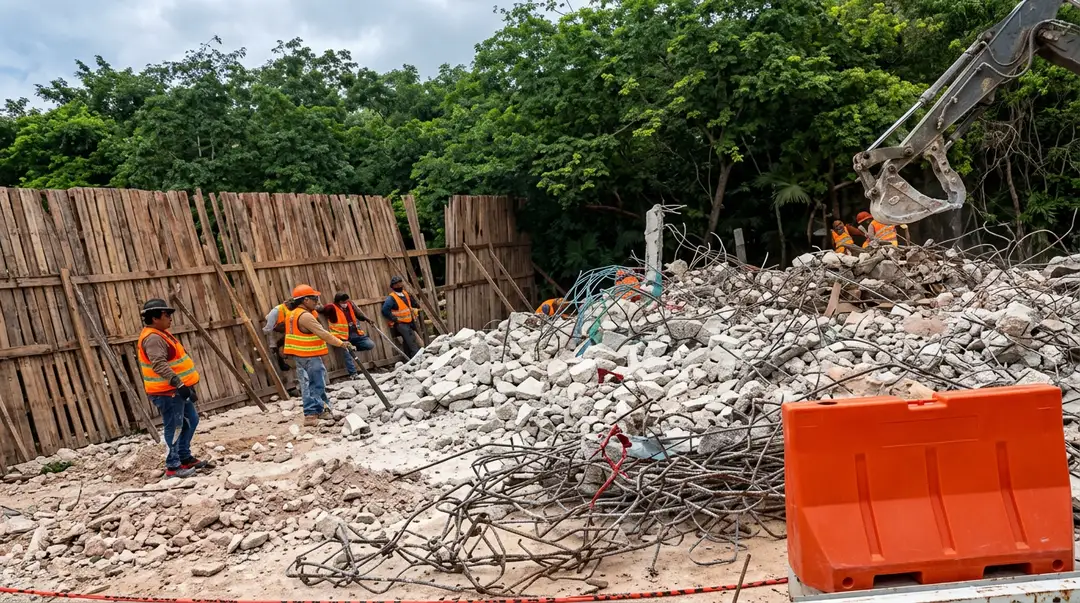
The most recent turn came on May 7, when the Tulum government announced a permanent vigilance and ordering operation at the accesses to the archaeological zone and the Parque del Jaguar. Seven irregular booths where jaladores sold services without documentation were removed, information modules with official prices went up at two checkpoints, and the head of the municipal enforcement office, Sergio Canto Contreras, drew the line in public. "Only those with an operating license will remain," he said then.
Three months later, the people who work the corridor say the checkpoints have not changed who stands in the road.
Visitors who arrive already annoyed
For the businesses established within sight of the entrance, the cost shows up in the mood of the client. María Hernández, a merchant established near the archaeological zone, said many visitors reach the formal vendors having already been intercepted several times on the way in.
"Many tourists arrive annoyed because they were approached several times before even getting out of the vehicle. That gives a bad image of Tulum and hurts all of us who make a living from tourism and comply with our obligations," she said.
Her complaint splits the corridor into two economies. One holds a place and carries the obligations that come with it. The other moves with the traffic and answers to nobody.
Sanctions or the same cycle, operators warn
Carlos Méndez, who operates a tour agency, said the corridor does not need another one-day show of force.
"It is not enough to remove them for a day for the photograph. What is needed is constant surveillance and sanctions for those who reoffend, because as long as there are no consequences, they will keep occupying the same spaces and putting people at risk," he said.
The service providers agree on the diagnosis. The constant presence of jaladores contradicts the order promised for access to the site and adds risk on the federal highway, at the expense of the visitors who arrive daily at one of Quintana Roo's main destinations. Their call to the authorities is for measures that hold, with security for visitors and certainty for the people who work and drive the corridor.
Méndez set the condition himself. Until a sanction lands on a repeat offender and sticks, he expects to find the same people in the same spaces, working the shoulder of Highway 307 while the cars keep coming.
Have the jaladores approached you on your way into the Tulum ruins? Join the conversation and share your perspective with us on Instagram and Facebook at @thetulumtimes.
This image was generated or enhanced using artificial intelligence to improve its quality.

The Tulum Times · Newsletter
The story continues in your inbox.
Essential Tulum news and local insight, a few times a week. Free.
No spam. Unsubscribe anytime.
Tulum Cenotes, Ruins, and Practical Visitor Guides
Guides, access updates, regulations, and practical planning around cenotes and the Tulum archaeological zone.

“The best journalists reporting from paradise, highlighting the heroes that keep Tulum the most beautiful place in the world! THANK YOU!”