Mexico's Navy Has Already Removed More Sargassum in 2026 Than in All of Last Season
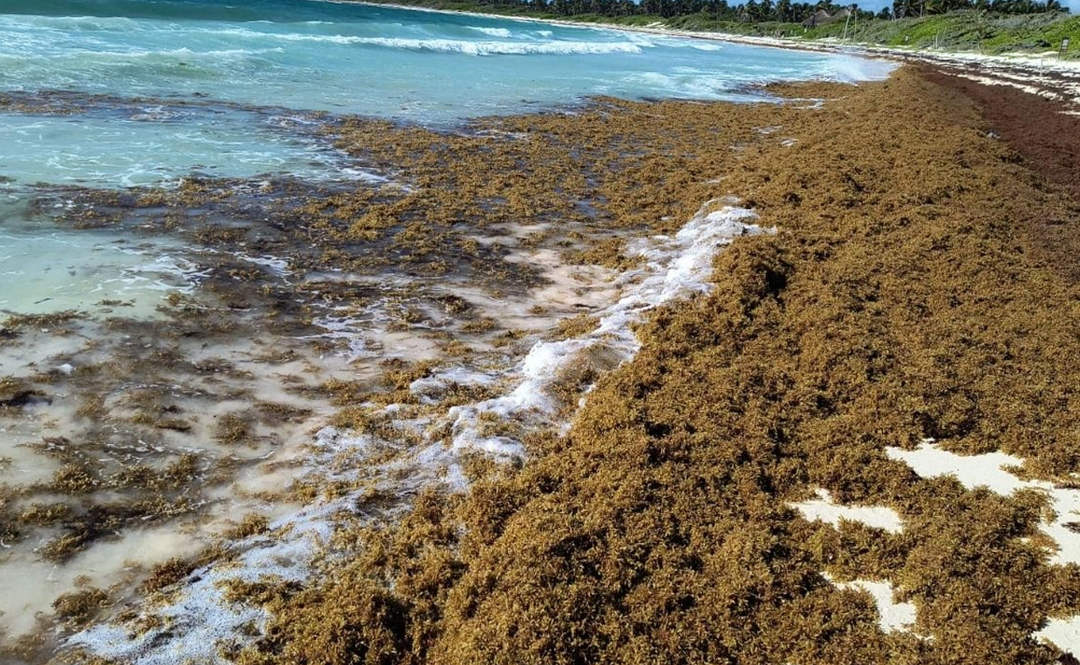
Mexico's Navy has removed 39,500 tons of sargassum from Quintana Roo's coast in 2026, already surpassing the entire 2024 season before peak months arrive.
Weather context, travel timing, seasonal changes, and planning guidance for visitors and residents.
521 linked stories · archive page 2 of 26
Mexico's Navy has removed 39,500 tons of sargassum from Quintana Roo's coast in 2026, already surpassing the entire 2024 season before peak months arrive.
After a crocodile attacked a tourist at Casa Cenote, one question stands out: did visitors even know the animal was there? A guide to what lives in Tulum's waters.
Since December 2024, Tulum's Jaguar Park beaches have been declared free five times. In May 2026, residents blocked the highway demanding the same. Here's the full story.
Perfect Match season four premiered on Netflix May 13 with 20 reality television contestants competing in Tulum, Mexico. The dating competition features singles from Love Is Blind, Temptation Island, and other franchises testing compatibility through strategic challenges at Casa Xolo villa.
Tulum's restaurant sector is facing sales declines of up to 60 percent as eight to 15 establishments close due to low customer traffic and operating costs that remain unchanged. Business owners report no fiscal support or relief from municipal authorities despite the crisis.
Tulum real estate investment in 2026 looks nothing like the pandemic boom. A condo correction and rising villa yields are reshaping exactly what smart buyers should target.
Sargassum is back on the Caribbean coast, and Tulum's tourism office is pushing cenotes, lagoons, and jungle routes as the answer for visitors this season.
Entry fees at the Tulum Archaeological Zone doubled in 2026. Here is what every visitor needs before arriving at Mexico's most-visited Maya site.
Sargassum hits Tulum's beaches hardest between May and September. Here is what the seasonal calendar actually looks like and how to plan around it.
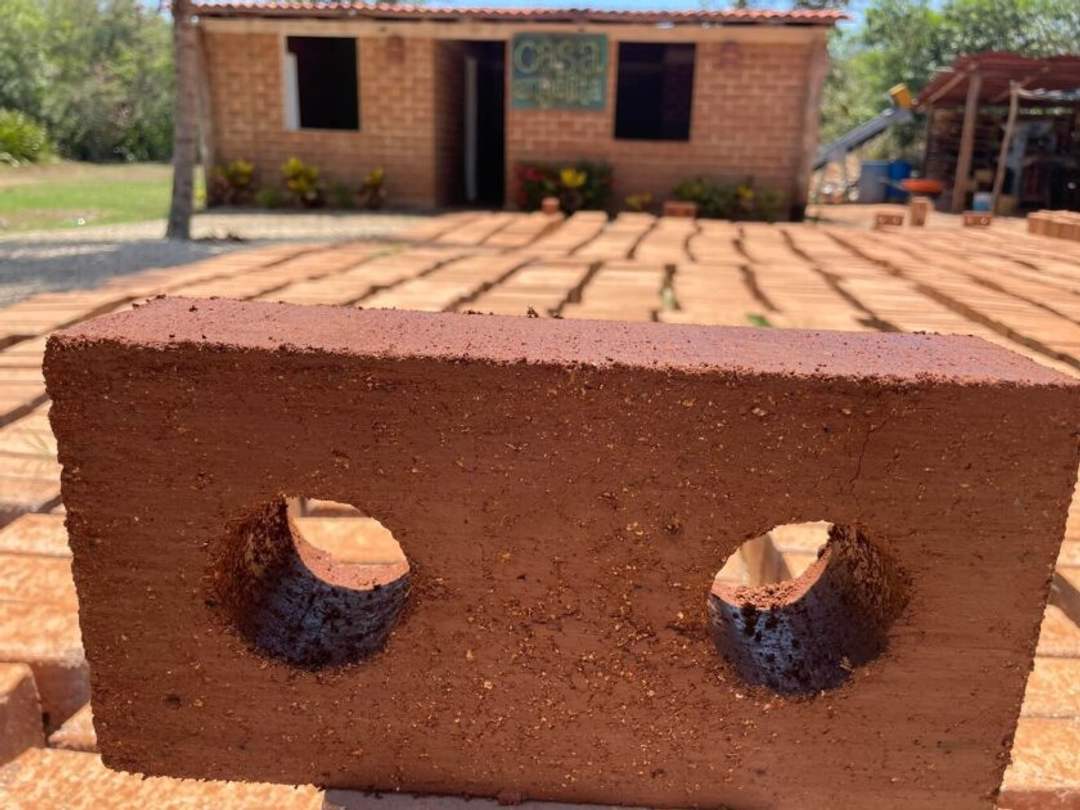
When Omar Vazquez lost a beach cleaning contract in 2018, he saw opportunity where others saw disaster. His Sargablock construction material now exports to six countries, transforming tons of sargassum into affordable housing across the Caribbean and beyond.
Municipal government activates reinforced monitoring across beaches and calls on residents and tourists to help safeguard four of the world's seven sea turtle species that nest along the coastline.
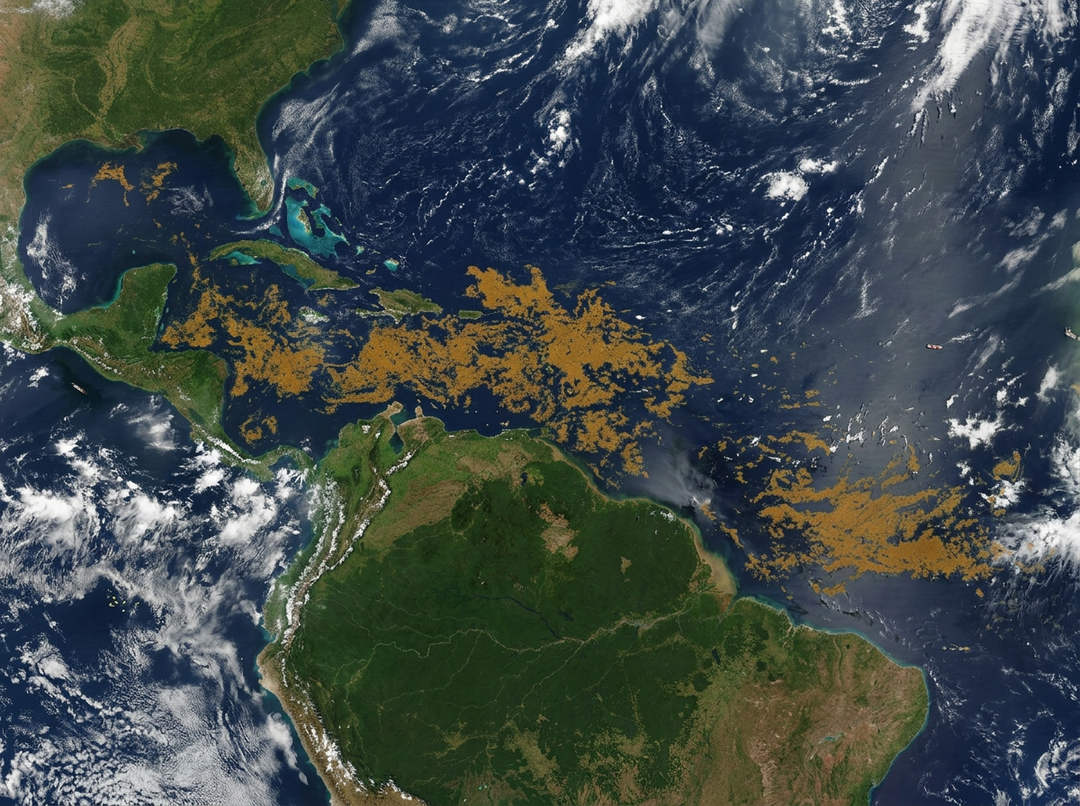
UNAM researchers project 40 million tons of sargassum will circulate through the Atlantic this year, straining Quintana Roo's containment systems and accelerating coastal erosion as cleanup efforts remove critical beach sand.
Certified tour guides at Tulum's archaeological zone say this season has been one of the worst in recent years, with bookings running 40 to 50 percent below historical norms, even as the site continues to rank among Mexico's most visited ruins.
The sargassum Quintana Roo 2026 season has arrived three months early, with 70 beaches now under red alert and projections reaching 130,000 tons by year's end.
Sea turtle nesting Tulum has officially begun for the 2026 season. Environmental authorities confirmed the first nest on the municipal coastline, activating seven active protection programs and renewing urgent concerns about tourism pressure on critical nesting beaches.
Tulum Archaeological Zone guide services are operating at 50 percent capacity as independent travelers exit the market due to rising costs.
The Tulum Tianguis Turistico 2026 presentation highlights the municipality's pivot toward culture and gastronomy over traditional sun and beach tourism.
Tulum community tourism is expanding into the Maya zone to diversify the regional economy and reduce coastal saturation through sustainable inland experiences.
Tulum transitions to a high-performance hub as the Tulum Air Show 2026 NASCAR Mexico Series prove the region's logistical maturity.
The official sargassum forecast Mexico Caribbean 2026 report has identified three massive seaweed clusters moving toward the region.