
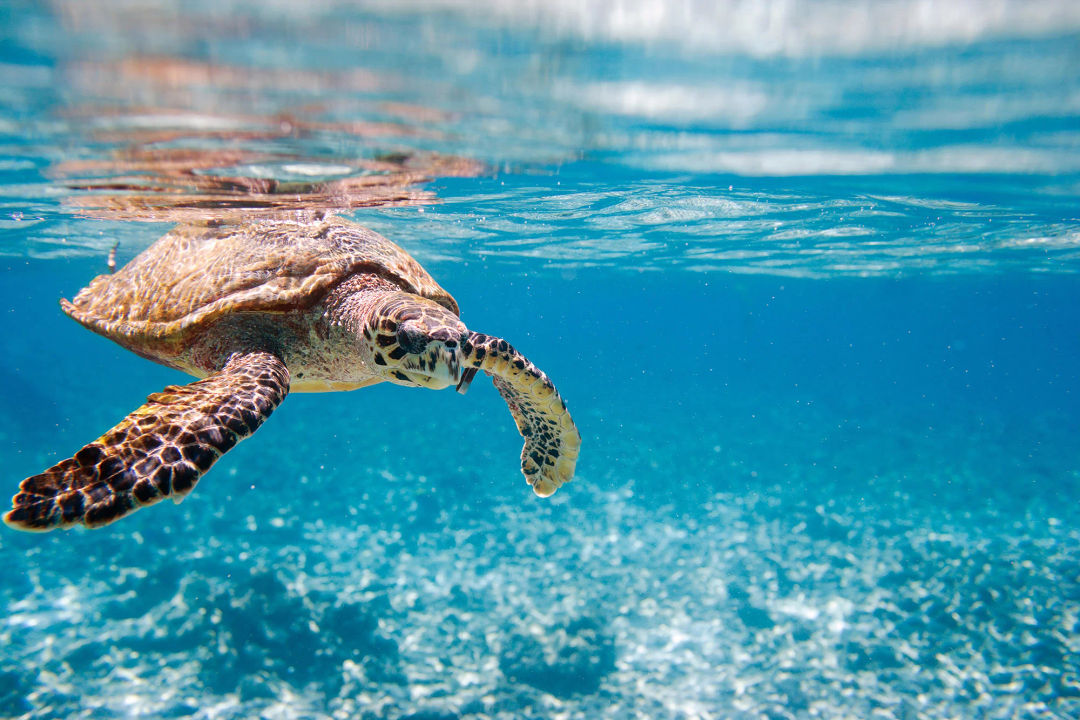
Más de 20 millones de crías han llegado al mar a lo largo del Caribe mexicano en 30 años, resultado de un esfuerzo de conservación de tortugas marinas que custodia 13 playas de anidación entre la Riviera Maya y Tulum.
El registro pertenece al Programa de Conservación de Tortugas Marinas Riviera Maya-Tulum, cuyos campamentos cubren 120 kilómetros de costa que se extienden hacia la reserva de la biosfera Sian Ka'an. Entre 1996 y 2025, los equipos protegieron 303,586 nidos y contaron 20,364,302 crías, la mayoría de ellas tortugas verdes (Chelonia mydas) y tortugas caguama (Caretta caretta).
El conteo que más emociona a los biólogos es más pequeño y más difícil de lograr. Guadalupe Quintana Pali, directora general de Flora, Fauna y Cultura de México, la organización sin fines de lucro que opera el programa, dice que ahora hay registros de tortugas adultas anidando en las mismas playas donde nacieron, el indicador que los investigadores consideran prueba de que las poblaciones diezmadas durante siglos se están reconstruyendo. Este hito llega con la temporada de anidación 2026 en pleno apogeo y los campamentos de regreso en la arena desde mayo.
303,586 nidos custodiados desde 1996
Quintana Pali comienza la historia cinco siglos atrás. Cristóbal Colón describió playas del Caribe tan cubiertas de tortugas en 1492 que parecía posible caminar sobre ellas, y los relatos que siguieron abrieron una era de cosecha de carne, huevos y caparazón que vaciaron gran parte de la arena de la región.

México cerró esa era con una prohibición total de captura de tortugas marinas y sus huevos en 1990. El programa en esta costa comenzó seis años después, recibiendo el relevo del pionero Centro de Investigaciones de Quintana Roo del estado, primero bajo la operación de Grupo Xcaret y, desde 2002, bajo Flora, Fauna y Cultura de México con el respaldo continuo del grupo de parques.
En promedio, el total protegido funciona a unos 10,000 nidos por temporada. La rutina detrás de esto apenas cambia. Los equipos caminan las playas de noche, encuentran y marcan nidos frescos, mantienen alejados de ellos a los depredadores naturales, y mueven una nidada a un corral cercado solo cuando no puede sobrevivir donde la hembra la dejó.
Los caparazones marcados prueban que las hembras regresan a casa
La evidencia del regreso viaja en las tortugas mismas. Hace aproximadamente 30 años, explicó Quintana Pali, el programa comenzó a marcar a las hembras anidantes cortando un pequeño trozo del plastrón, la parte inferior del caparazón, y otro del caparazón dorsal. Esas marcas antiguas ahora permiten a los equipos reconocer a una madre que regresa en el momento en que se arrastra fuera del mar.
El instinto que hace el trabajo pesado es el regreso natal, que guía a una hembra, décadas después de eclosionar, a poner sus huevos en o cerca de la playa donde por primera vez llegó al agua. Las tortugas verdes pueden tardar 20 años o más en madurar, así que algunas de las hembras que cavan nidos este verano probablemente salieron de la arena que el programa ya estaba custodiando en sus primeras temporadas. Un conteo de crías puede ser elevado por el esfuerzo solo. Una anidadora que regresa no, porque significa que el océano le dio a una de esas crías las dos décadas que necesitaba.

Seis de las siete especies del mundo, tres en esta costa
Javier Carballar, director del Instituto de Biodiversidad y Áreas Naturales Protegidas de Quintana Roo, señala que México alberga seis de las siete especies de tortugas marinas del planeta, y que tres de ellas llegan regularmente a la orilla del estado, concentradas en la franja que corre por la Riviera Maya, Tulum y Sian Ka'an.
"Hay resultados espectaculares, principalmente con la caguama y la tortuga blanca", dijo Carballar, usando el nombre local de la tortuga verde.
La conservación de tortugas marinas ahora incluye educar a los desarrolladores hoteleros
Carballar es directo sobre dónde está la siguiente batalla. Enseñar a residentes y pescadores importó, dijo, pero "lo que ha sido muy importante es educar a los desarrolladores, porque las tortugas anidan en las playas donde construyen sus grandes hoteles".
Este es el terreno donde los tortugueros, los voluntarios y especialistas de campo que cumplen funciones en los campamentos, trabajan cada temporada. Los nidos necesitan defensa contra depredadores, y las playas mismas necesitan defenderse de presiones que ninguna patrulla nocturna puede detener, así que el programa negocia acuerdos con comunidades y negocios para reducir la contaminación y frenar la pérdida de hábitat de anidación. El esfuerzo ha alimentado su propio circuito de ecoturismo, con liberaciones de crías supervisadas que atraen visitantes cada verano, y ha impulsado la educación ambiental hacia escuelas y vecindarios a lo largo de la costa. Flora, Fauna y Cultura de México abrió su convocatoria de voluntarios para la temporada 2026 este año, reclutando nuevos tortugueros para campamentos desde la Riviera Maya a Sian Ka'an.
Leonel Gómez Nieto, quien coordina el programa, ha pasado suficientes temporadas en la arena como para que observar a una hembra anidar ya no lleve la emoción de la primera vez. "Ahora es más la conciencia de la enorme responsabilidad que tenemos", dijo.
Los visitantes ahora pagan por ver lo que una economía anterior pagaba por tomar.
Los campamentos permanecen hasta el otoño, y las nidadas puestas este verano eclosionarán bajo su vigilancia en las semanas venideras. El veredicto más largo corre sobre el reloj de las tortugas, no el del programa. La generación 2026 ya está nadando, y esta costa sabrá en unos 20 años si esas crías también regresan a casa.
¿Alguna vez has visto una liberación de crías en una playa de la Riviera Maya? Únete a la conversación y comparte tu perspectiva con nosotros en Instagram y Facebook en @thetulumtimes.

The Tulum Times · Newsletter
La nota sigue en tu correo.
Lo esencial de Tulum y contexto local, un par de veces por semana. Gratis.
Sin spam. Cancelá cuando quieras.
Tulum Weather, Seasonality, and Best Time to Visit
Weather context, travel timing, seasonal changes, and planning guidance for visitors and residents.

“The best journalists reporting from paradise, highlighting the heroes that keep Tulum the most beautiful place in the world! THANK YOU!”