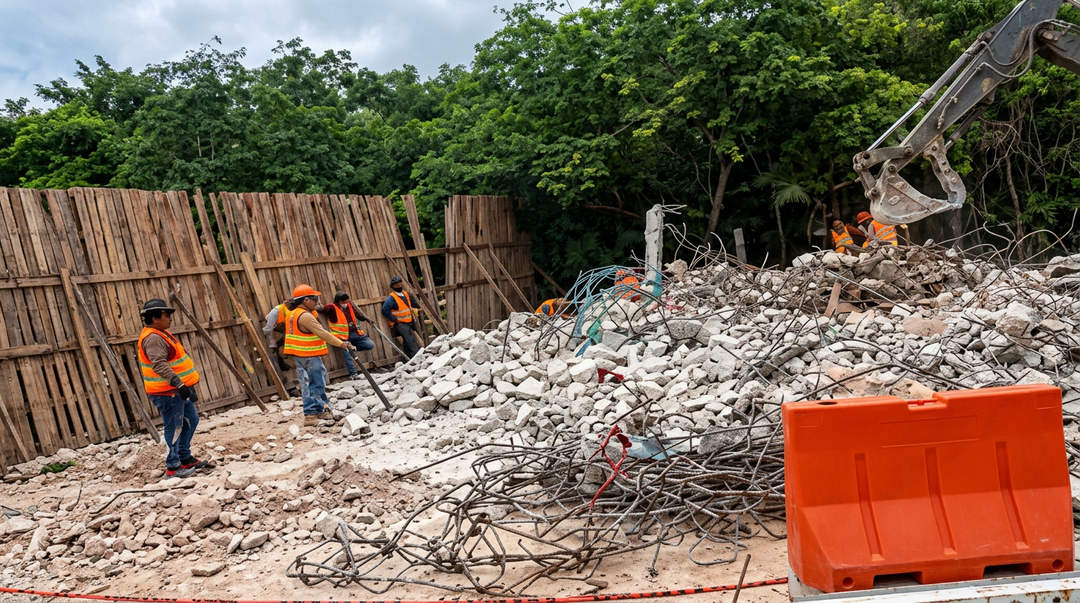
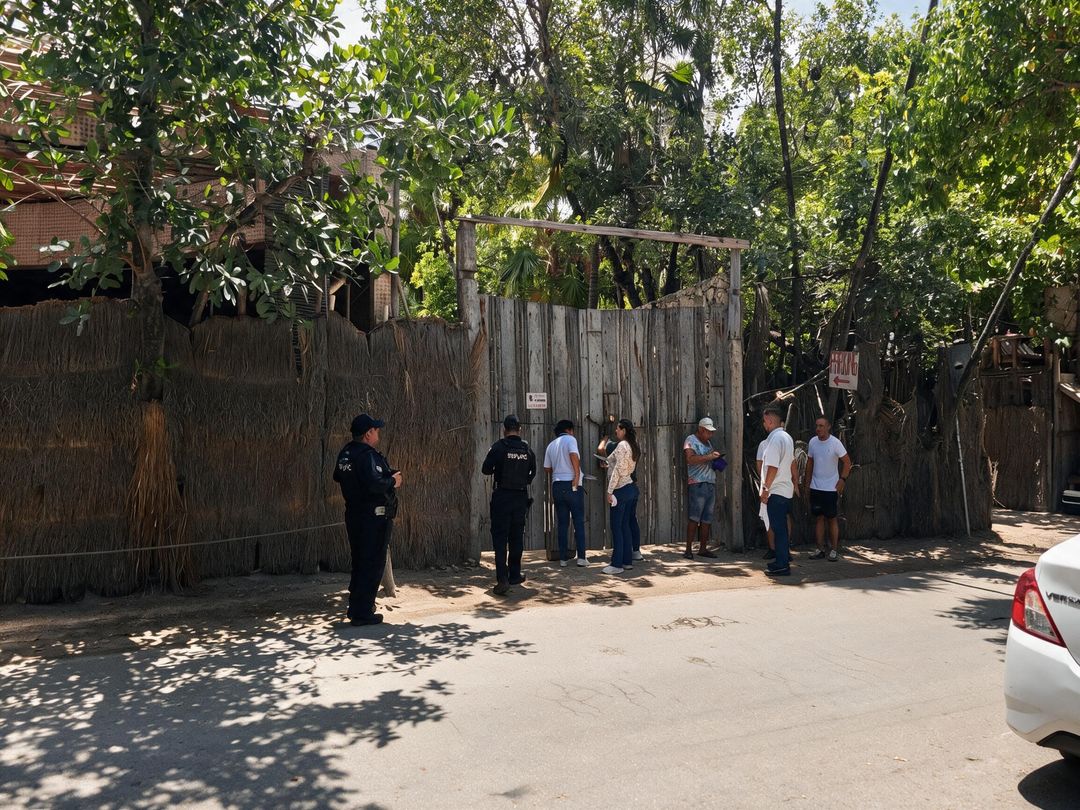
Un juez en Playa del Carmen ordenó que la posesión de una propiedad en Tulum fuera entregada al demandante en un juicio civil al mediodía del martes, el giro más reciente en una disputa por tierras en Tulum que lleva corriendo desde 2016.
The Tulum Times no ha podido confirmar si la diligencia se llevó a cabo. Ningún aviso judicial, declaración municipal o relato de parte alguna involucrada había aparecido para la mañana del miércoles.
Lo que está documentado es la orden en sí. Identifica la propiedad vinculada al negocio comercial conocido como "Naay Tulum Beach", fija la hora, y autoriza a dos oficiales de corte a llamar a la policía y forzar los cerrojos si la entrega encuentra resistencia. En una zona de Tulum donde la posesión ya ha cambiado por orden judicial, y donde huéspedes de hoteles han sido desalojados durante la operación, el papeleo tiene peso incluso antes de que alguien sepa el resultado.
Dos oficiales judicales autorizados para forzar cerrojos
La orden provino de Víctor Alfonso Escalante Hernández, juez de instrucción adscrito al Juzgado Civil y Familiar Oral de Primera Instancia en el distrito judicial de Playa del Carmen. Fijó la entrega para las 12:00 del 11 de agosto y comisionó a dos actuarias, identificadas en el documento solo por las iniciales N.A.F.N. y M.E.A.R., para ejecutarla.
A ambas se les otorgó el poder de solicitar asistencia de fuerzas de seguridad pública y, si las condiciones lo requerían, forzar los cerrojos. El juzgado pidió la cooperación de la Secretaría de Seguridad Pública y Protección Ciudadana de Tulum.
La restitución procede a través de la vía de apremio, la pista de cumplimiento que un juzgado civil mexicano utiliza una vez que un fallo debe ser ejecutado en lugar de debatido. El expediente ha pasado de los jueces a los oficiales que se presentan en la puerta.
Parcel 1981 y el ejido en el que se ubica
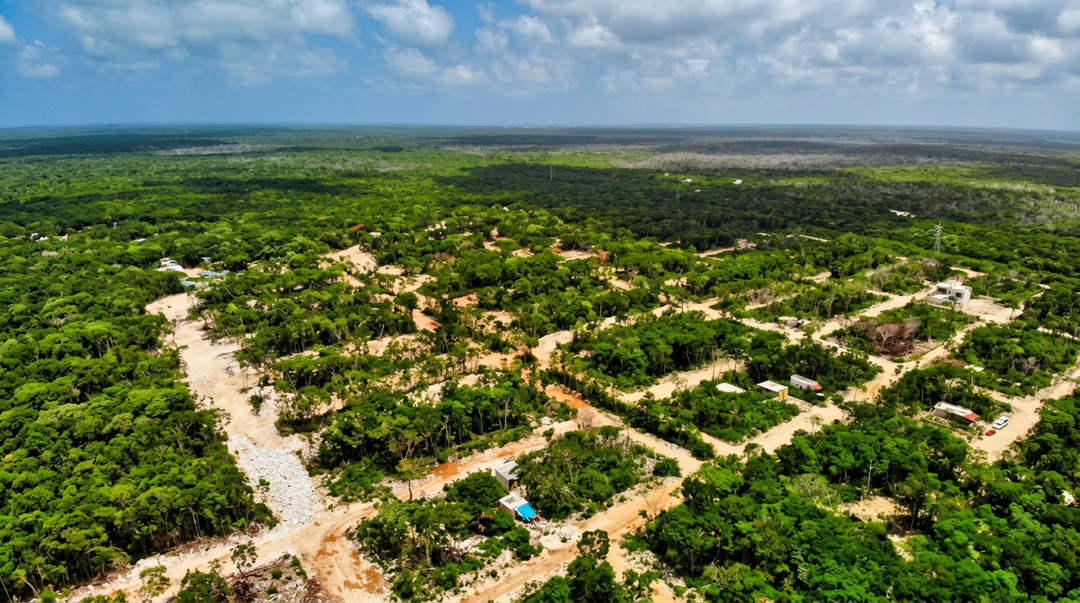
La propiedad se identifica en el expediente como ubicada dentro de la parcela número 1981 del Nuevo Centro de Población Ejidal José María Pino Suárez, el núcleo agrario que cubre una buena parte del sur de Tulum.
Ese nombre tiene historia. Las tierras de Pino Suárez han producido los conflictos de propiedad más prolongados en el municipio, y el caso del que desciende esta orden, expediente 324/2016, se abrió en el mismo año del desalojo más grande que ha visto Tulum.

Cómo el incidente de 2023 revirtió la entrega de 2021
El caso ya se ha revertido una vez. En septiembre de 2021, una autoridad federal otorgó una suspensión definitiva que devolvió la posesión a las partes que entonces actuaban como demandantes en amparo 1005/2016-V, presentado por Ernesto García Amador y José Fernando Jiménez Soto. En noviembre de ese año, oficiales judicales salieron y entregaron físicamente la propiedad registrada en el expediente como "Naay Tulum Beach".
Entonces se movió de nuevo.
El 30 de mayo de 2023, un juzgado resolvió un incidente buscando modificación de esa suspensión, presentado por Mauricio Esteban, Ciro Miguel, José Rafael y Francesco Saveria Schiavon Magaña. Determinaciones posteriores eliminaron los impedimentos que habían estado frenando la ejecución, y el juez encontró apropiado restaurar la posesión al demandante en el juicio civil ordinario subyacente. La orden cubre la propiedad vinculada a "Naay Tulum Beach" y la tierra que fue objeto del desalojo originalmente controvertido.
El documento no nombra al demandante que recibe la posesión. Ese silencio importa. El mismo expediente ha movido esta propiedad entre partes dos veces en cinco años, y nada en la orden le dice al lector quién la posee una vez que los oficiales se van.
Una disputa de tierras en Tulum moldeada por los desalojos de 2016
El nombre Schiavon Magaña es familiar en esta costa. En junio de 2016, oficiales judicales del mismo juzgado civil de Playa del Carmen, respaldados por policía municipal y guardias privados, ejecutaron una orden de desalojo en 16 propiedades a lo largo de 600 metros de playa en el kilómetro 7.5 de la carretera Boca Paila, en el área de Punta Piedra. Forbes y Proceso reportaron en ese momento que la diligencia provino de un juicio de desahucio, expediente 326/2016, presentado por un representante legal de los cuatro hermanos.
Aproximadamente 300 turistas fueron desalojados de pequeños hoteles esa mañana, según reportes en La Jornada. Hidalio Martínez, entonces comisario del ejido de Pino Suárez, calificó el desalojo como ilegal y dijo que la tierra era propiedad del ejido cubierta por certificados de parcela emitidos por autoridad federal. Los operadores de hoteles públicamente responsabilizaron a un grupo de empresarios y los acusaron de usar escrituras públicas falsas. Los empresarios han mantenido la posición opuesta, incluyendo a través de señales publicadas en la zona afirmando que la tierra está registrada a sus nombres en el registro de propiedad pública del estado. Roberto Palazuelos, entonces jefe de la asociación hotelera de Tulum, dijo públicamente que la tierra pertenecía a Schiavon Magaña y había sido invadida y revendida por líderes del ejido.
Tres meses después del desalojo, El Universal reportó que un juzgado de distrito en Cancún otorgó el primer amparo de ese grupo, restaurando el hotel Azúcar a Allan Dieck mientras se decidía la cuestión de propiedad. Ese mismo artículo listó un negocio llamado "Naay Beach Club" entre las propiedades en la zona entonces mostrando los letreros de propiedad privada. The Tulum Times no ha confirmado que sea el mismo negocio identificado en la orden de esta semana.
La oficina agraria dice que el ejido nunca llegó al mar
En marzo de 2022, Luis Hernández Palacios Mirón, jefe de la Procuraduría Agraria, dijo que el ejido José María Pino Suárez no se extiende hacia el mar y que ningún título o certificado del ejido que cubra la zona costera es válido. Agregó que un conjunto de títulos más nuevos había sido cancelado. Funcionarios federales presentaron la declaración como una aclaración que resolvería quién podía reclamar qué. Los juicios continuaron.
Nadie ha confirmado que la propiedad cambió de manos
Hasta el miércoles, esta publicación no ha visto registro alguno de que la diligencia del mediodía se llevara a cabo. Sin imágenes, sin reporte de policía municipal, sin aviso del juzgado. Ninguna de las partes nombradas en la orden ha hablado públicamente sobre ella, y The Tulum Times publicará sus relatos si lo hacen.
La pregunta abierta es estrecha. O las dos actuarias entregaron la propiedad al mediodía del martes, y la pista de cumplimiento se cierra en ese punto, o la entrega se estancó de nuevo, como ocurrió entre 2021 y 2023. El documento que lo resuelve es el certificado que los oficiales presentan al juzgado, y aún no es público.
¿Deberían los juzgados de Quintana Roo hacer públicos los registros de cumplimiento en casos de propiedad costera para que los residentes vean quién posee qué? Únete a la conversación y comparte tu perspectiva con nosotros en Instagram y Facebook en @thetulumtimes.
This image was generated or enhanced using artificial intelligence to improve its quality.

The Tulum Times · Newsletter
La nota sigue en tu correo.
Lo esencial de Tulum y contexto local, un par de veces por semana. Gratis.
Sin spam. Cancelá cuando quieras.
Beach Access, Public Shoreline, and Coastal Rules in Tulum
Coverage of public beach access, coastal restrictions, closures, and the balance between tourism and public space.

“The best journalists reporting from paradise, highlighting the heroes that keep Tulum the most beautiful place in the world! THANK YOU!”