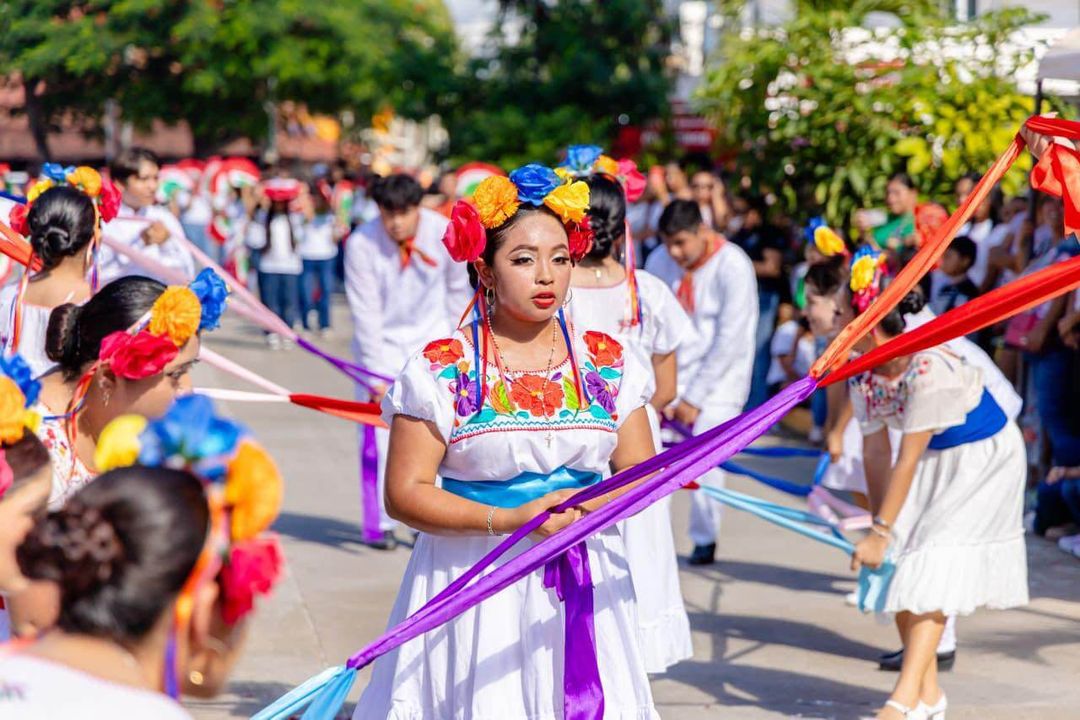
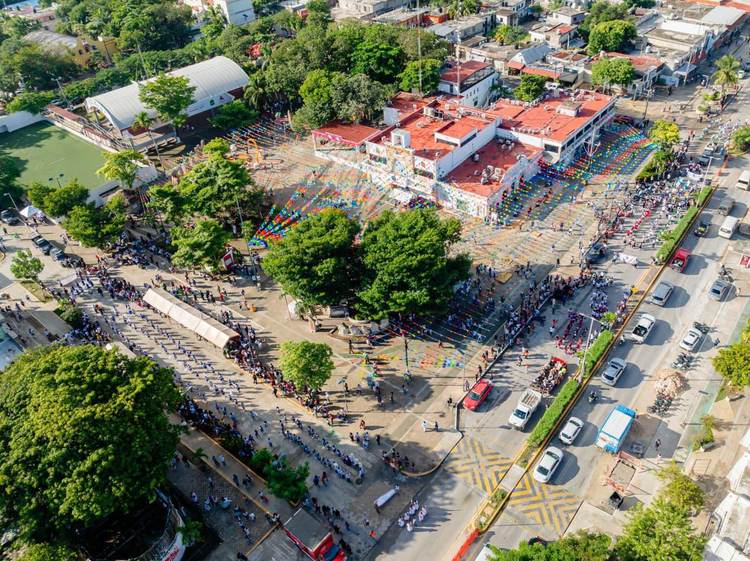
The annual Revolution Mexicana parade in Tulum drew hundreds of residents early Monday morning, turning the town’s central corridors into a moving tribute to history. What began as a simple gathering at the Unidad Deportiva quickly grew into a crowd of more than a thousand people, a reminder that collective memory still finds space in a fast-changing Quintana Roo. By 8:30 a.m., families, students, teachers and officials stood shoulder to shoulder, ready to honor one of Mexico’s most defining turning points.
The ceremony opened with the Mexican National Anthem and the Quintana Roo state anthem, setting a formal tone that contrasted with the relaxed greetings among neighbors who had arrived to watch their children march. Officials, including municipal president Diego Castañón Trejo, looked on as the participants prepared to take their first coordinated steps. The morning answered the basic questions of what unfolded, who led it, why it mattered, and how the community chose to remember a national milestone.
A route that linked history with present-day Tulum
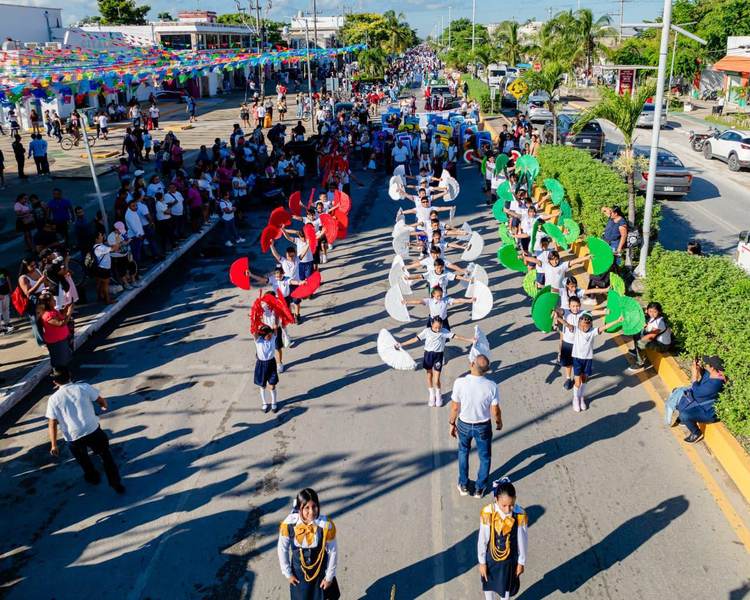
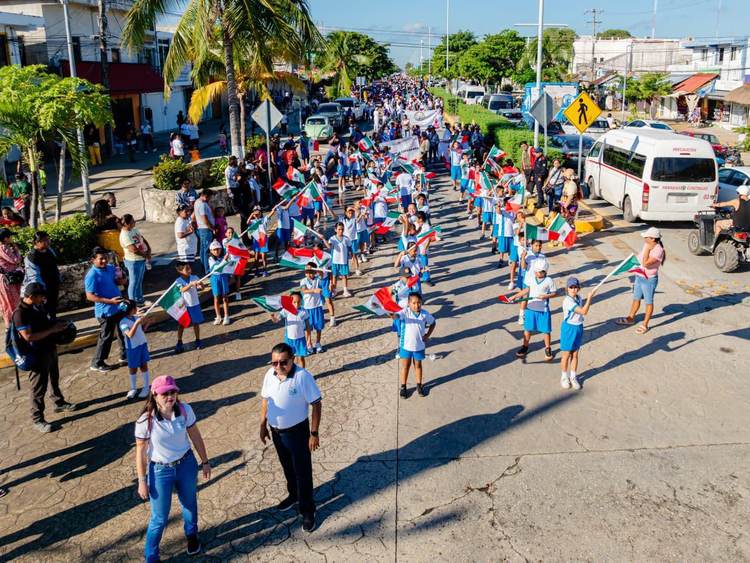
Participants advanced along Calle Acuario, then moved onto Avenida Tulum before reaching the municipal palace. The route was short on paper but long in symbolism. Along the way, spectators applauded school groups and public agencies, many of them waving small flags while recording the procession on their phones.
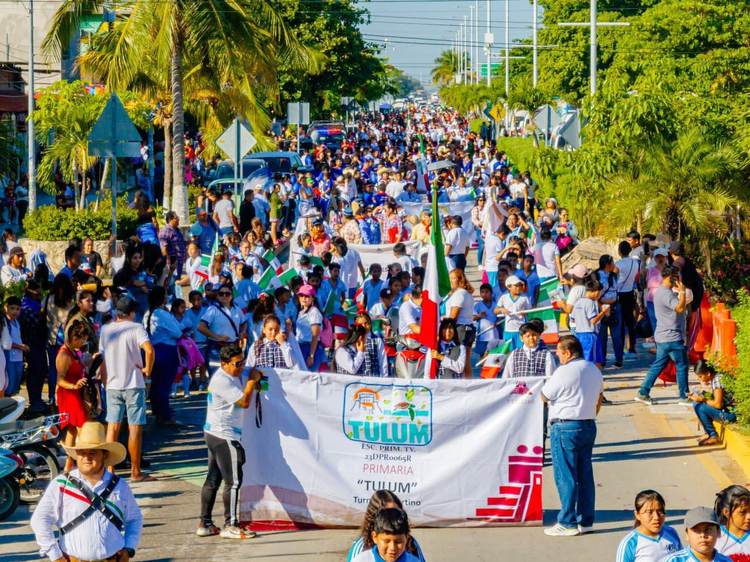
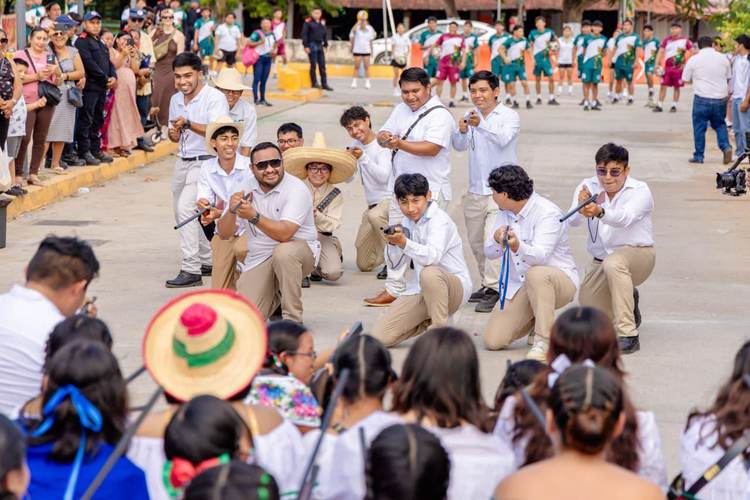
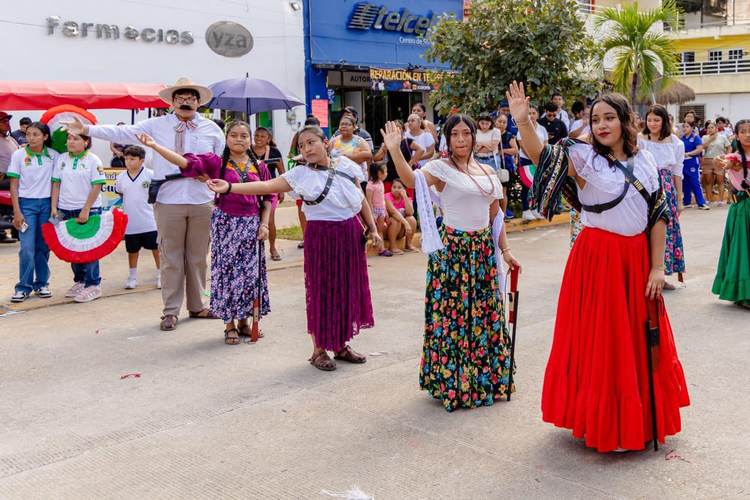
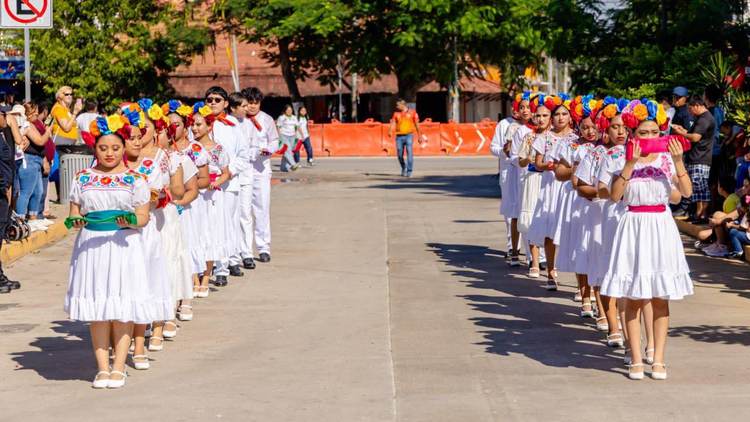
Fourteen schools and five municipal departments joined the march. Their perfectly timed routines, physical demonstrations and historical portrayals appeared modest compared to the massive parades in Mexico City, yet they carried a sense of sincerity that only small-city events often achieve.

One teacher walking near the middle of the formation quietly told her group of students, “This is your moment to show what this day means.” The phrase, overheard by several parents, later circulated on social media as a summary of the morning’s spirit.
What the Revolution means to young participants
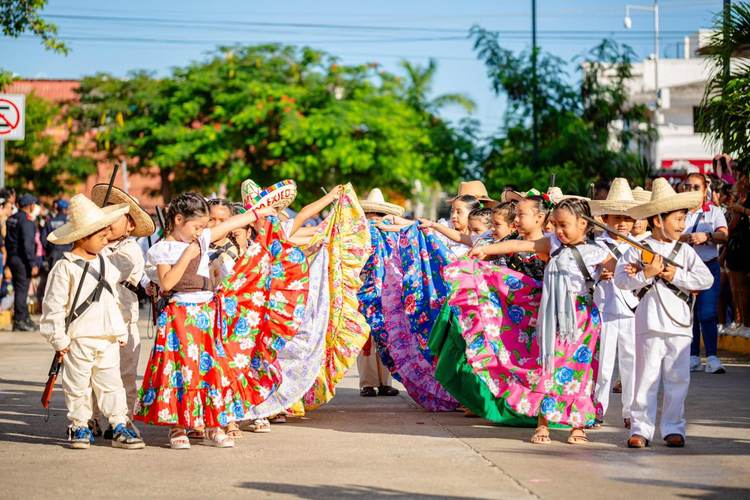
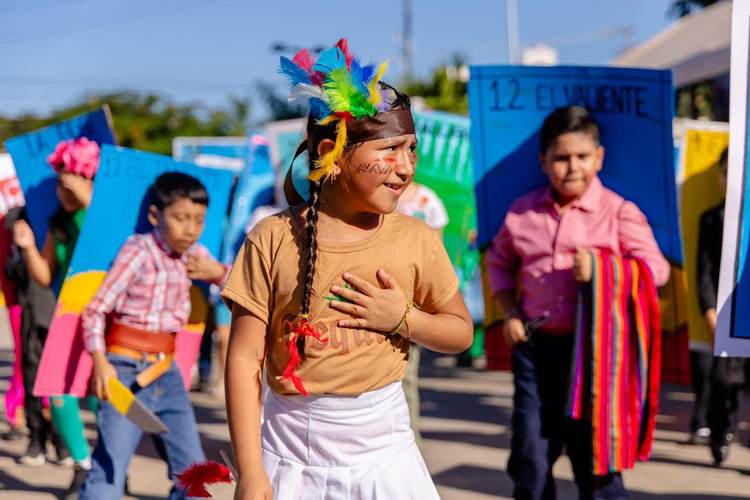
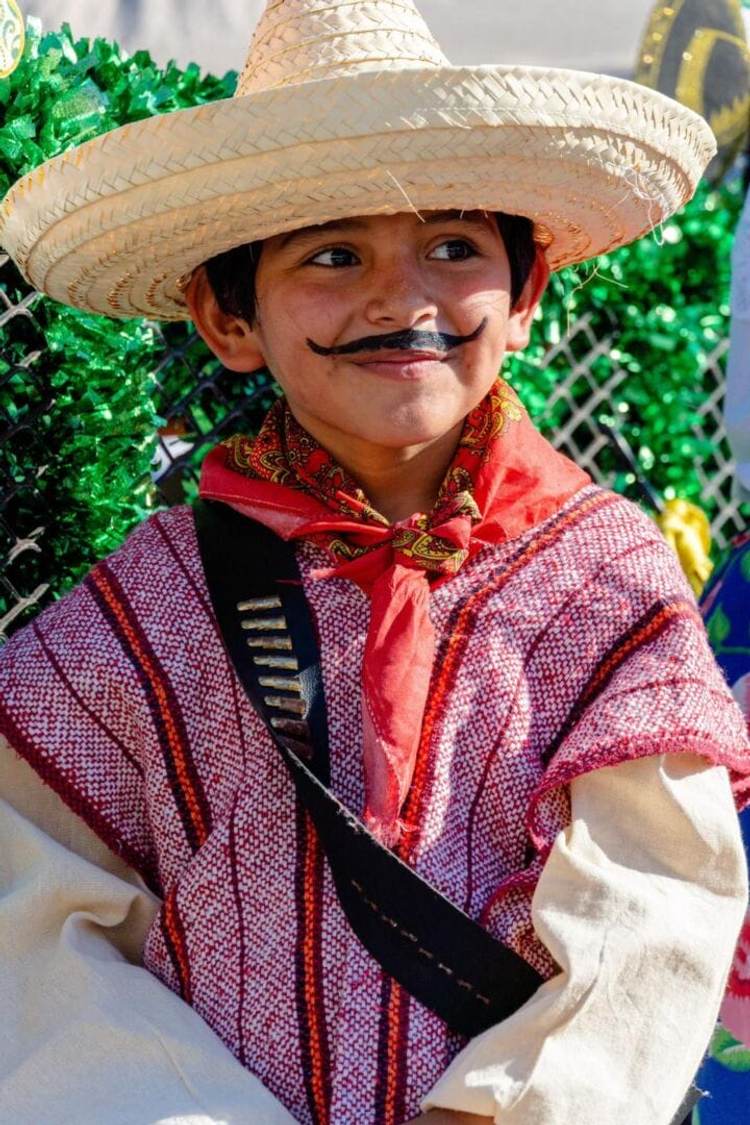
For children participating for the first time, the event offered a micro-story within the larger civic setting. A group of elementary students dressed as adelitas struggled to keep their sombreros straight as the sun rose, prompting laughter from parents along the sidewalks. Their determination to march in step added a human detail to a ceremony that might otherwise appear purely formal.
Adults who lived through earlier versions of the celebration commented that the turnout seemed higher than in previous years. Some said the event might reflect a growing interest in recovering traditions as Tulum faces rapid development and demographic change brought by the Riviera Maya’s tourism economy.
And while the parade had no major incidents, its smooth operation highlighted how civic activities can help stabilize a community experiencing steady population growth and increasing urban challenges.

Schools and public agencies highlight civic values
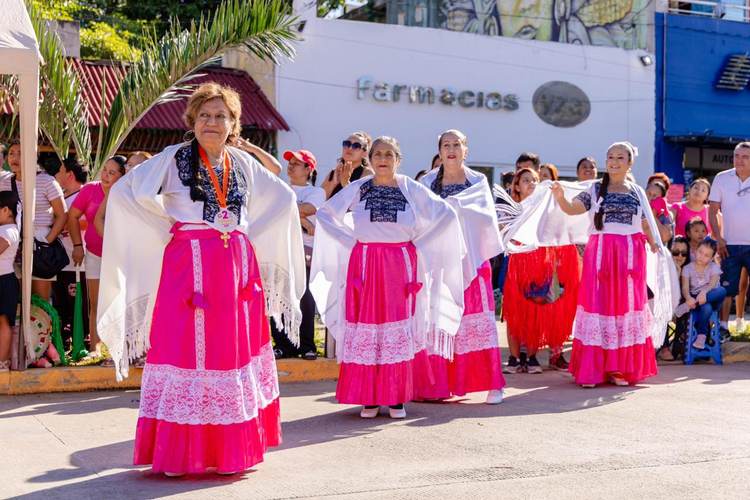
The participation of educational institutions underscored the Ministry of Education’s emphasis on historical awareness across Quintana Roo. Marching groups represented various levels of schooling, from preschool to high school, each presenting its own interpretation of the Revolution. Some performed coordinated exercises, while others showcased scenes related to early twentieth-century Mexico.
Municipal offices also joined, presenting units dedicated to sports, youth programs, emergency services and community development. Their presence suggested that government-led involvement in civic life could help reinforce common identity at a time when Tulum continues redefining itself amid construction, tourism and migration from other parts of Mexico.
An official message grounded in continuity
At the conclusion of the event, President Diego Castañón Trejo addressed the crowd. He praised the organizers and highlighted the participation of families who filled the area in front of the municipal palace. His comments were brief but clear.
“These events help keep our history alive and remind younger generations of those who fought for a fair and free Mexico,” he said, capturing the sentiment that local identity often emerges from shared celebrations more than official speeches.
His words aligned with broader conversations happening across the Riviera Maya, where communities try to balance tradition with modern pressures from development. The Tulum Times has previously reported on how civic gatherings can shape both unity and memory in urbanizing regions.
Civic rituals in a growing tourism corridor
Beyond the formal meaning of Revolution Day, the parade illustrated how cultural practices survive even in areas dominated by international tourism. Tulum, once a small coastal town, now operates within one of Mexico’s most dynamic economic zones. Hotels, restaurants and construction sites typically set the rhythm of daily life, yet events like the parade momentarily shift public attention toward national heritage.
This year’s edition offered a sense of normalcy in a destination that often makes headlines for rapid expansion or environmental concerns. Residents expressed appreciation for a peaceful morning that allowed them to reconnect with one another.
But the parade also raised an implicit question. As Tulum continues to evolve, will younger generations maintain the same connection to national holidays, or will the priorities of a tourism-driven economy reshape their sense of belonging? The answer remains uncertain, though Monday’s participation suggested that civic pride still has a strong audience.
The growing importance of local traditions
Community leaders have long argued that cultural continuity could help reduce divisions between long-term residents and newcomers from other Mexican states. Events like this parade might not fully resolve those tensions, but they offer a stage where differences momentarily recede.
Several families interviewed along Avenida Tulum said they valued the chance to see their children involved in civic activities, especially those that highlight the country’s transformation. Some viewed the parade as a space where stories about the Revolution become accessible, not abstract.
One local historian who attended noted that the Revolution’s legacy appears less frequently in daily conversations than it once did. Yet he added that such commemorations “could bring historical memory back to public spaces.”
Why this year’s parade carried added weight
Although the event followed a familiar format, this year felt slightly different. The unity of residents, the absence of incidents, and the noticeable presence of youth suggested that civic events could expand their relevance in Tulum. The increasing interest might reflect concerns about social cohesion as the municipality gains population, or it might simply show that traditional celebrations still resonate even in a rapidly globalizing environment.
And while the symbolism of Revolution Day varies across Mexico, the ceremony in Tulum reinforced ideas of justice, equality and community responsibility. These themes continue to shape how residents interpret their place within a wider national narrative.
A closing reflection on memory and belonging
As the last groups reached the municipal palace, applause echoed across the square. The scene was not spectacular, but it was meaningful. For a moment, Tulum appeared united by a shared past rather than divided by the pressures of its future.
The Revolution Mexicana parade in Tulum concluded with a sense of gratitude and continuity, reaffirming how civic rituals might strengthen collective identity in a region undergoing immense transformation. The morning left the impression that preserving memory could be as important as developing new roads or hotels.
We’d love to hear your thoughts. Join the conversation on The Tulum Times’ social media.
What role do you think civic celebrations should play in a growing tourism hub like Tulum?
Editor's Pick: Read more about Holiday parade lights up Tulum as families welcome the season.

The Tulum Times · Newsletter
The story continues in your inbox.
Essential Tulum news and local insight, a few times a week. Free.
No spam. Unsubscribe anytime.
Tulum Development, Permits, and Construction Watch
Reporting on permits, construction, regulation, and major development decisions shaping Tulum’s urban growth and investment climate.

“The best journalists reporting from paradise, highlighting the heroes that keep Tulum the most beautiful place in the world! THANK YOU!”