
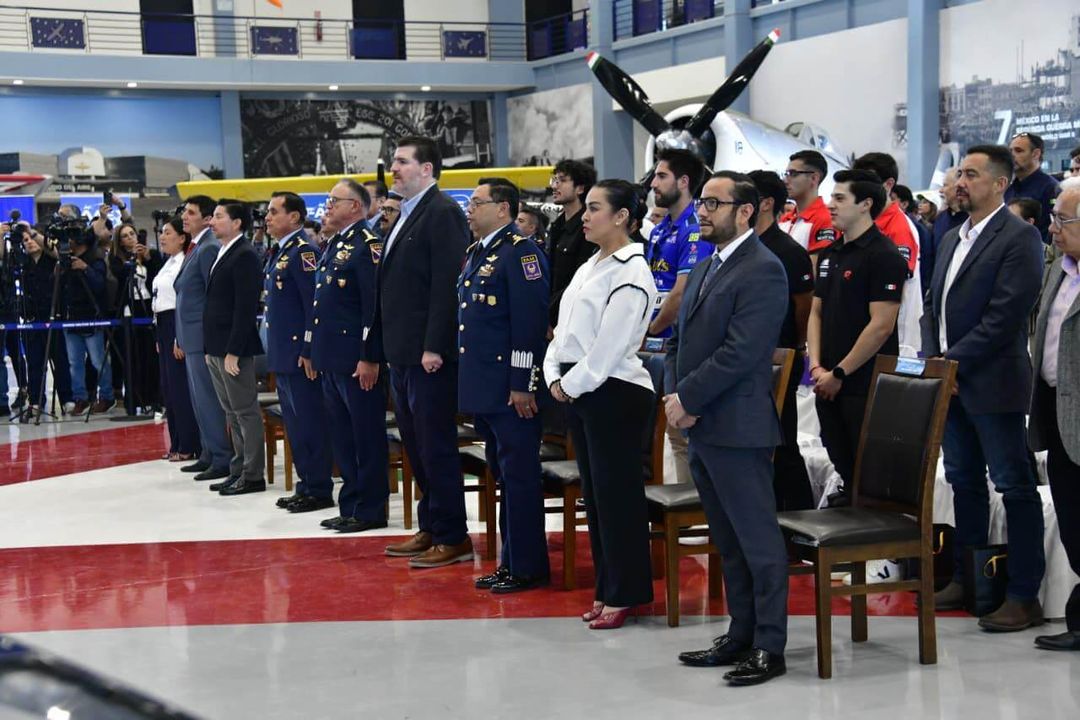

NASCAR México announced today that it will bring its national racing series to Tulum, Quintana Roo, as part of a multi-day event that combines aviation exhibitions and motorsports at the Aeropuerto Internacional de Tulum Felipe Carrillo Puerto.
Organizers said the program will run from April 23 to April 26, 2026, with Airshow Tulum 2026, activities linked to the Feria Aeroespacial México (FAMEX), and NASCAR México Series and Challenge Series races scheduled for April 25 and April 26. The NASCAR weekend in Tulum is described as the third date of the 2026 NASCAR México Series season calendar.
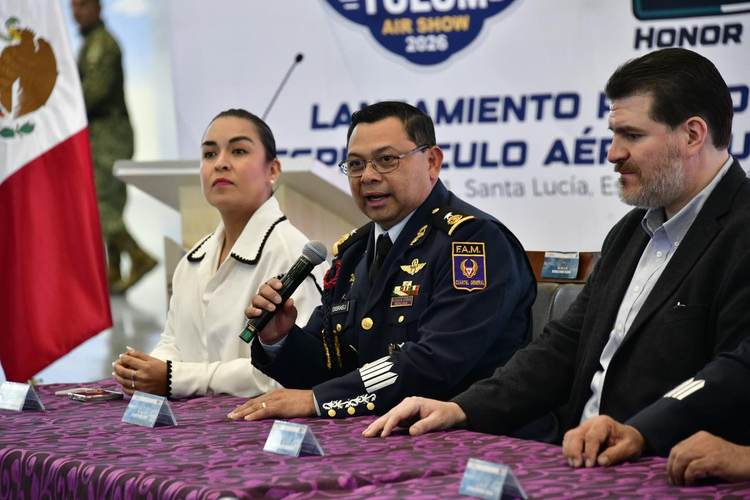
The announcement was made in the presence of military and tourism officials and organizers, including General de Div. P.A.E.M. Alfonso Rodríguez Sierra; federal tourism representative Lic. Alfonso Ballesteros Méndez; General de Ala P.A.E.M. José Antonio Sierra Amador; FAMEX director General de Grupo E.M. Disraeli Gómez Herrera; Subsecretario de Promoción y Operación Turística Zona Norte Lic. Pablo Vladimir Casas Gómez; Tulum Tourism Secretary Lic. Carla Patricia Andrade Piedras; NASCAR México president Jimmy Morales; OPEMSA representative Jaime Velázquez Ramos; and Ángela Jovana Gaspar López, submanager of promotion and tourism dissemination for Grupo Mundo Maya.
For Tulum, the event represents a rare use of the airport and nearby military facilities for a public-facing program designed to draw visitors and showcase aerospace technology alongside a major national racing series.
Four days of activities across the airport, base, and beaches
Organizers said the first day of programming will be April 23, starting with aerial exhibitions, and that the NASCAR races will follow on April 25 and April 26 at the Tulum airport.
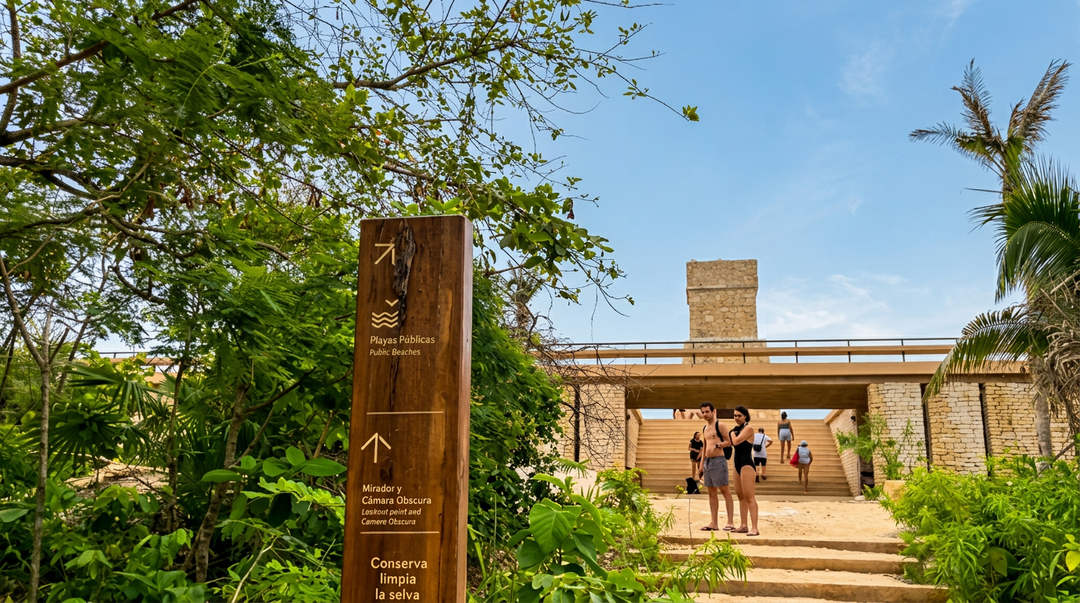
They described the broader gathering as “a comprehensive platform” that will bring together academia, industry, and the public over four days. The main venues listed are the Aeropuerto Internacional Felipe Carrillo Puerto, Base Aérea Militar No. 20, and the beaches.
FAMEX director Disraeli Gómez Herrera said the air show is structured around three pillars: knowledge and industry, dissemination of the aerospace industry, and the public spectacle. He also described Tulum as a setting where the event will place technology, civil and military aviation, and racing vehicles in the same program.
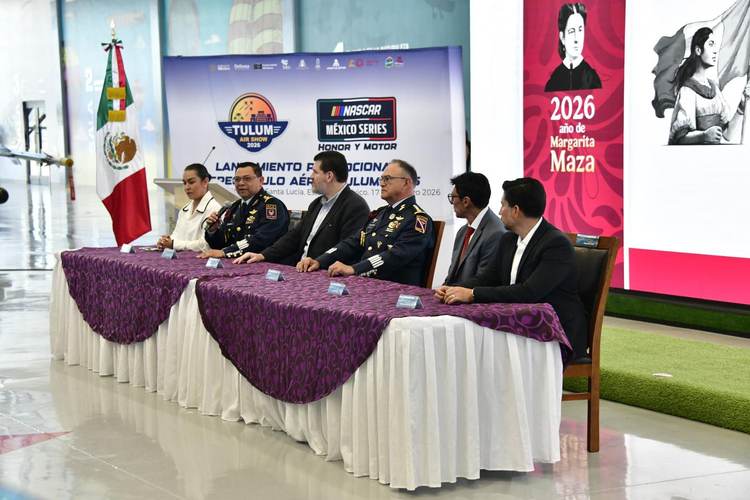
According to the announcement, April 23 and April 24 will include two international congresses focused on the sector: the Congreso Internacional de Seguridad Aérea and a meeting of organizers of aeronautical fairs, where participants will discuss specialized topics linked to safe skies and aviation events.

An exhibition component is also planned, including a static aircraft display and pavilions for leading companies in the sector. Organizers said there will be drones of different types and aerospace technologies, including national developments such as the Halcón II aircraft, as well as displays from other industrial sectors relevant to southeast Mexico. Schools and universities are expected to participate by presenting how they train future aerospace specialists.
Air show schedule includes military base and coastal viewing
Organizers said April 24 will also include an event intended as a promotional launch platform for FAMEX 2027.
The public aerial spectacle is planned across two days. On April 25, it will take place at Base Aérea Militar No. 20, located next to the Felipe Carrillo Puerto airport. On April 26, the aerial show is scheduled to move to the beaches of Parque del Jaguar and the Tulum Archaeological Zone area, while being visible “practically across all nearby beaches” in that region.
Among the featured participants, organizers highlighted Águilas Aztecas, an acrobatic team of the Mexican Air Force, and parachute elements from the Mexican Army’s Brigada de Fusileros Paracaidistas, which is expected to descend over the Caribbean.
Gómez Herrera also described the visual concept of aircraft performing high-precision maneuvers with the Castillo de Tulum and the Caribbean coastline in the background, framing the spectacle as a defining element of the April program.
NASCAR races will run at the Tulum airport
NASCAR México Series will be integrated into the Tulum Air Show with races held in the late afternoon and evening at the Tulum airport on April 25 and April 26, according to the announcement. The program also includes participation by aircraft from the Mexican Air Force.
Ed Martínez, speaking on behalf of NASCAR México Series, emphasized the collaboration with the Army and Air Force, saying it would have been impossible to stage the show without that partnership. He said organizers expect the format to attract thousands of people, staging the combined aviation and racing program not in a stadium or arena, but at an airport where aircraft and racing engines will operate within the same event.
NASCAR México was described as a key development pipeline for drivers through its NASCAR México Series and Challenge Series divisions. Organizers also pointed to Daniel Suárez, now in the NASCAR Cup Series, as the first graduate of the category to reach NASCAR’s top level in the United States.
Attendance, logistics, and ticket timing
Organizers said they expect more than 30,000 people to attend and that preparations for security, hotel capacit,y and logistics are in place for the April 23 to April 25 period referenced in the announcement.
They also said tickets will be made available later through FAMEX channels, without providing dates or pricing.
A separate expectation cited for the event projected more than 29,000 visitors and hotel occupancy reaching 100 percent. The announcement also linked the event’s planning to the use of military-managed infrastructure in the region, including rail and hotel assets developed in recent years, with the stated goal of exposing the public to the national aerospace sector.
Why this matters for Tulum
For Tulum, the event concentrates major public activity at the airport and adjacent military base while also extending viewing and programming to beaches near Parque del Jaguar and the archaeological zone. That means residents, visitors, tourism businesses, and local mobility and hospitality systems are the groups most directly affected by the influx and by event logistics tied to air and ground operations.

It also signals a new type of venue use for high-profile events in the municipality, with organizers positioning the airport as a stage for both aviation and motorsports. That shift carries immediate implications for local planning around security, access, and accommodation during the four-day window.
The Tulum Times will continue monitoring ticket release information through FAMEX channels and any further details from organizers as April approaches.
What happens next
Airshow Tulum 2026 and the NASCAR México Series weekend are scheduled for April 23 to April 26, 2026, with NASCAR races set for April 25 and April 26 at the Aeropuerto Internacional de Tulum Felipe Carrillo Puerto.
What is at stake for local authorities and businesses is how effectively Tulum manages visitor volume and logistics around an airport-based spectacle that blends aviation and racing, and what changes going forward is the city’s expanding role as a host for large-scale events tied to national institutions and major sports brands, including the NASCAR México Series.
We’d love to hear your thoughts. Join the conversation on The Tulum Times’ social media.
How do you think this airport-based event will affect Tulum that weekend?
Editor's Pick: Read more about Tulum Air Show 2026 guide includes schedule registration and NASCAR.

The Tulum Times · Newsletter
The story continues in your inbox.
Essential Tulum news and local insight, a few times a week. Free.
No spam. Unsubscribe anytime.
Beach Access, Public Shoreline, and Coastal Rules in Tulum
Coverage of public beach access, coastal restrictions, closures, and the balance between tourism and public space.

“The best journalists reporting from paradise, highlighting the heroes that keep Tulum the most beautiful place in the world! THANK YOU!”