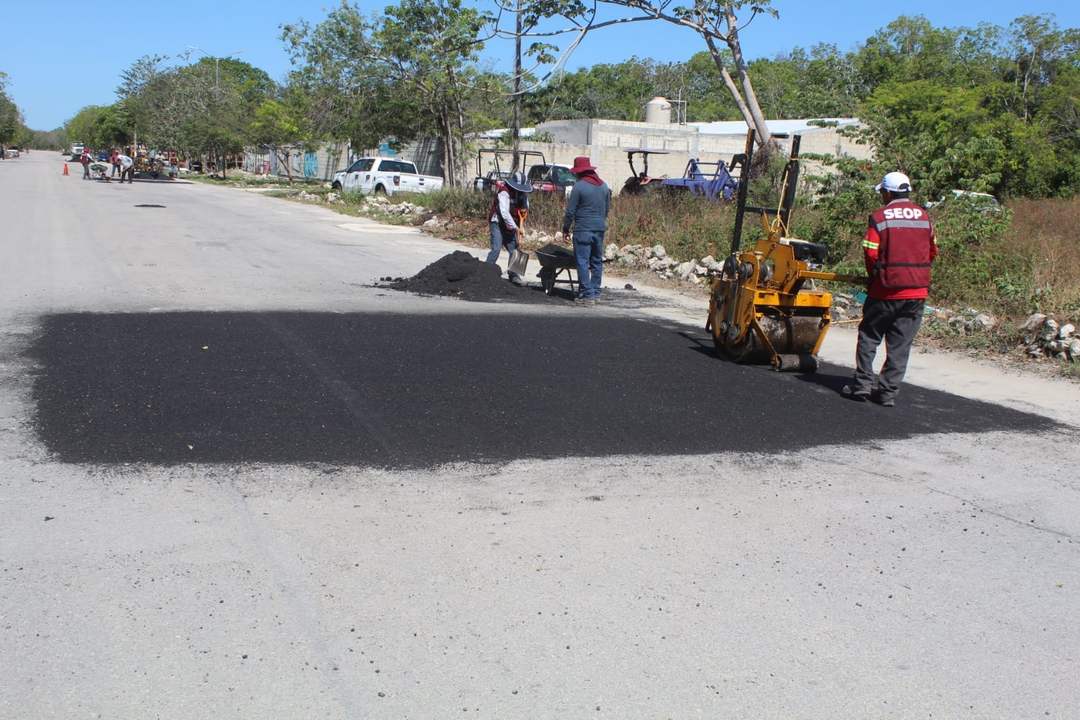
Tulum allocates nearly 5 million pesos to a new pothole repair initiative, aiming to improve city infrastructure through targeted road maintenance efforts. Residents anticipate smoother commutes as projects begin.
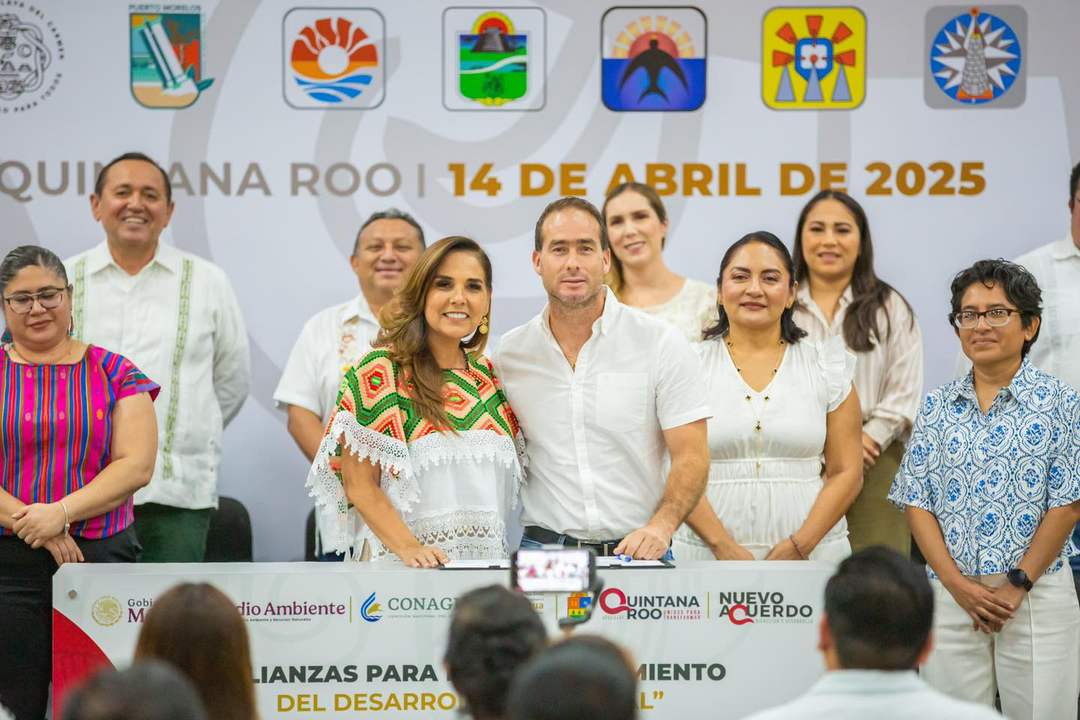
Tulum leads Quintana Roo’s transformation with eco-conscious policies and sustainable practices, balancing growth with environmental stewardship and community well-being. Explore how the city is redefining development responsibly.
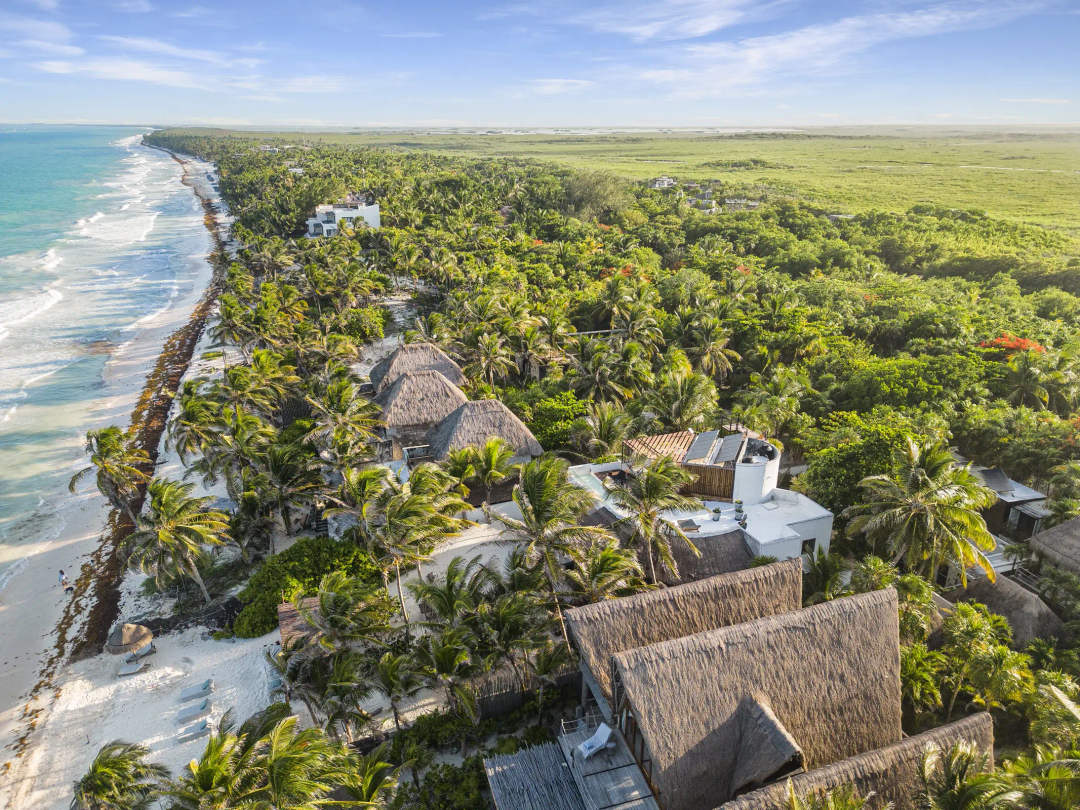
Tulum’s hotels are expected to reach 92% occupancy this holiday season, reflecting a surge in tourism demand. Local businesses anticipate strong revenue, highlighting the region’s growing appeal as a vacation destination.
Tulum is prepared for a safe Holy Week 2025, with reinforced security, clean beaches, better infrastructure, and health measures in place to welcome travelers with confidence.
Riviera Maya’s 2025 real estate market thrives with rising demand, sustainable growth, and global investor interest—making it a prime destination for living, renting, or investing.
Tulum implements infrastructure upgrades and sustainable practices to manage an expected holiday visitor surge, prioritizing eco-conscious crowd management and community resilience amid tourism growth.
Tulum’s ZOFEMAT authority has acquired new equipment to enhance coastal surveillance and streamline sargassum cleanup operations, boosting efficiency for environmental management tasks.
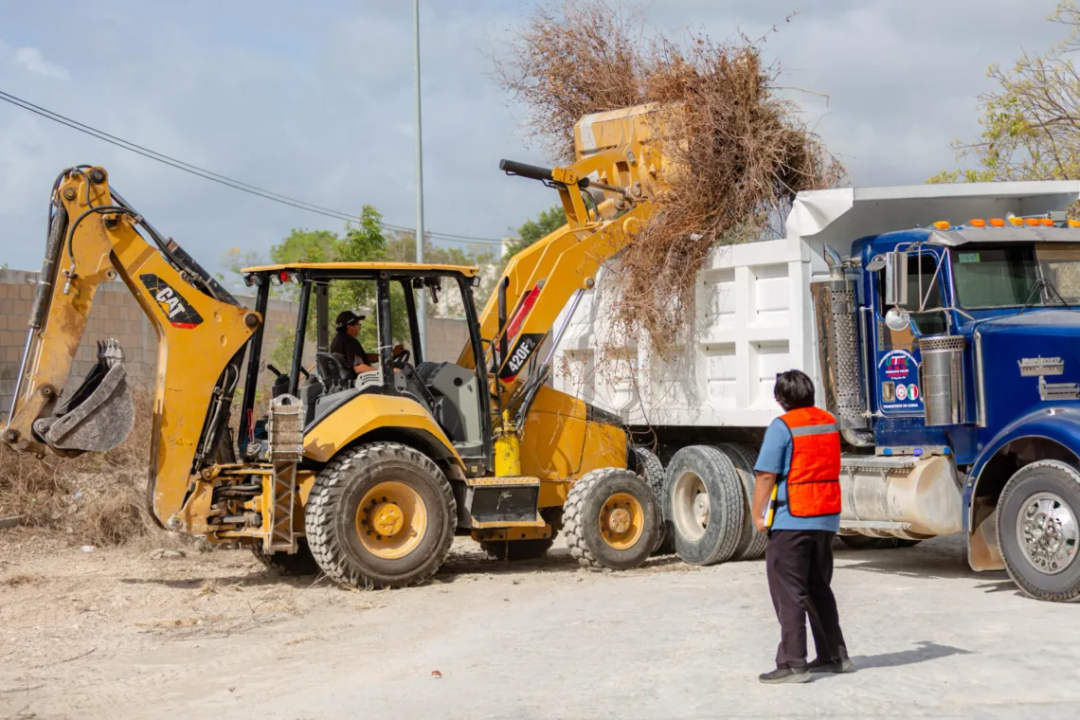
The municipality of Tulum has initiated a comprehensive cleaning program targeting neighborhoods in Ya’ax, focusing on enhancing public spaces and citizen well-being through improved urban maintenance.
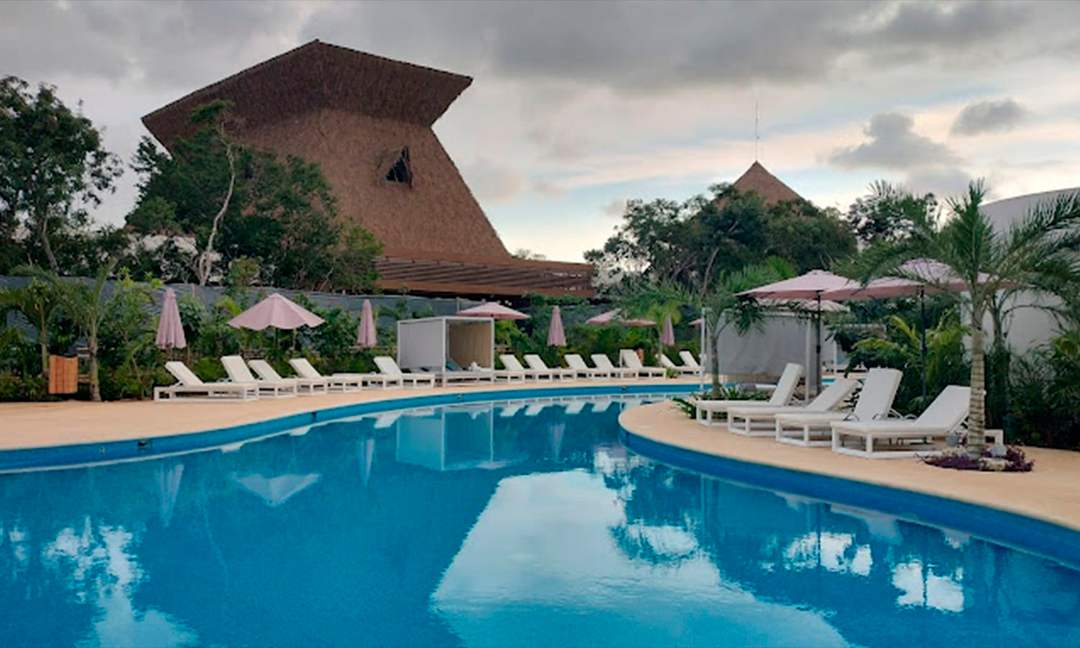
Hotels along the Maya Train in Quintana Roo are striving to compete with established Yucatan Peninsula resorts by enhancing services and infrastructure, positioning themselves as key players in the region’s tourism landscape.
Residents and organizations collaborate on a sweeping reforestation effort to combat deforestation, aiming to plant 50,000 trees by 2025. The initiative blends education and action to address climate concerns while fostering community engagement.
Join the 2025 Sea Turtle Volunteering Program in Tulum to help protect nesting turtles and hatchlings. Live in conservation camps, learn, and contribute to marine preservation.
Tulum’s blend of natural beauty, wellness culture, and booming tourism has made it a global hotspot—yet its rapid growth raises urgent questions about sustainability and identity.
Tulum’s high prices stem from a surge in luxury tourism, rising living costs, real estate speculation, and infrastructure challenges, making paradise increasingly out of reach for many.
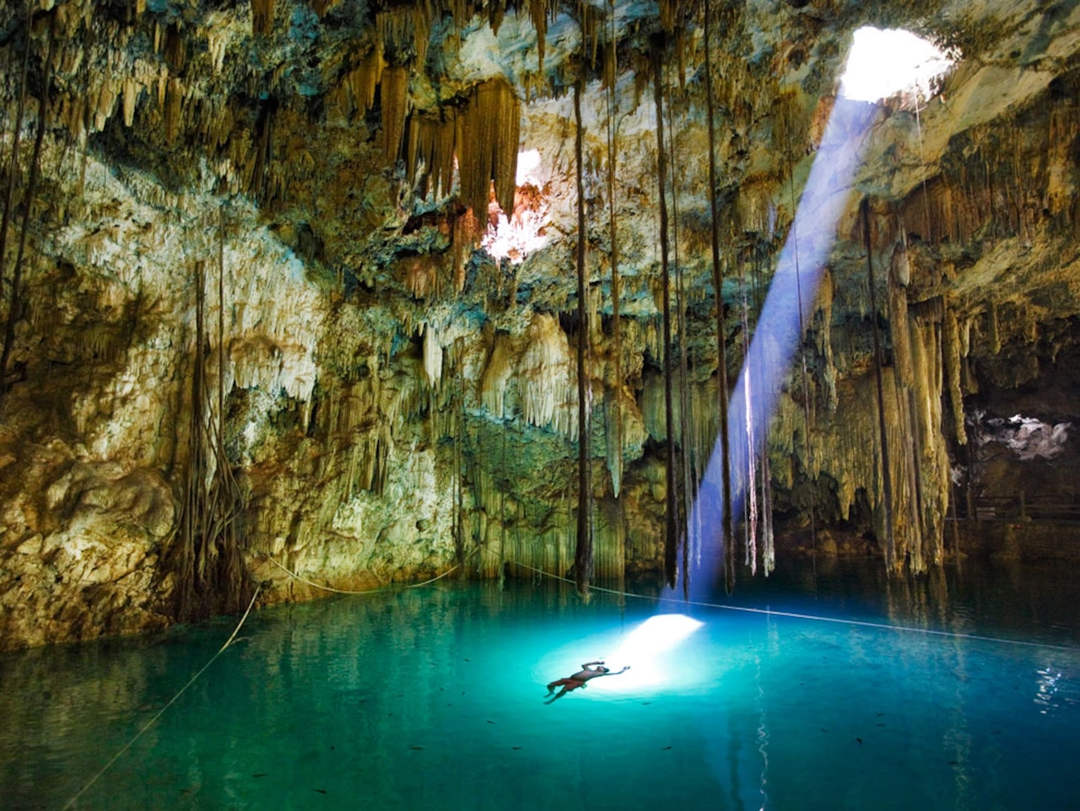
Discover Tulum’s cenotes, their history, cultural significance, and detailed guide to visiting, including locations, tips, and must-know visitor information.
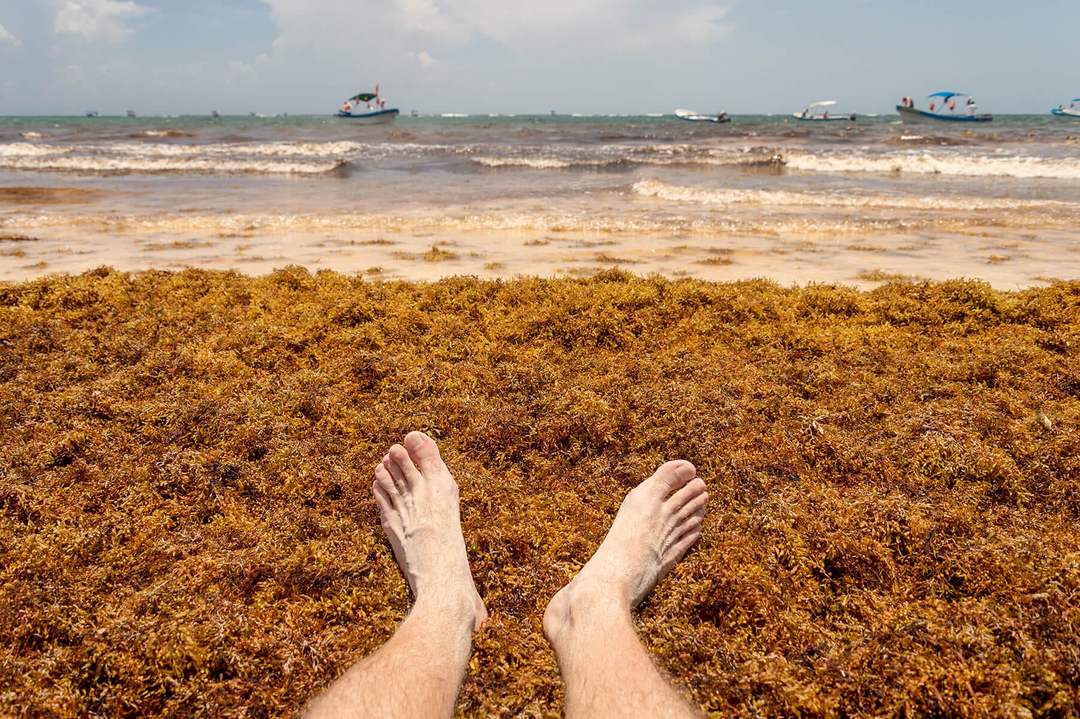
ZOFEMAT reports a 30-35% rise in sargassum along Tulum shores compared to last year, prompting urgent environmental and cleanup measures to address tourist and ecological impacts.
Tulum plans to designate five beaches as ‘Platinum’ by 2025 through rigorous environmental and cleanliness standards, boosting tourism’s sustainability and quality. The initiative aims to set new benchmarks in eco-friendly beach management.
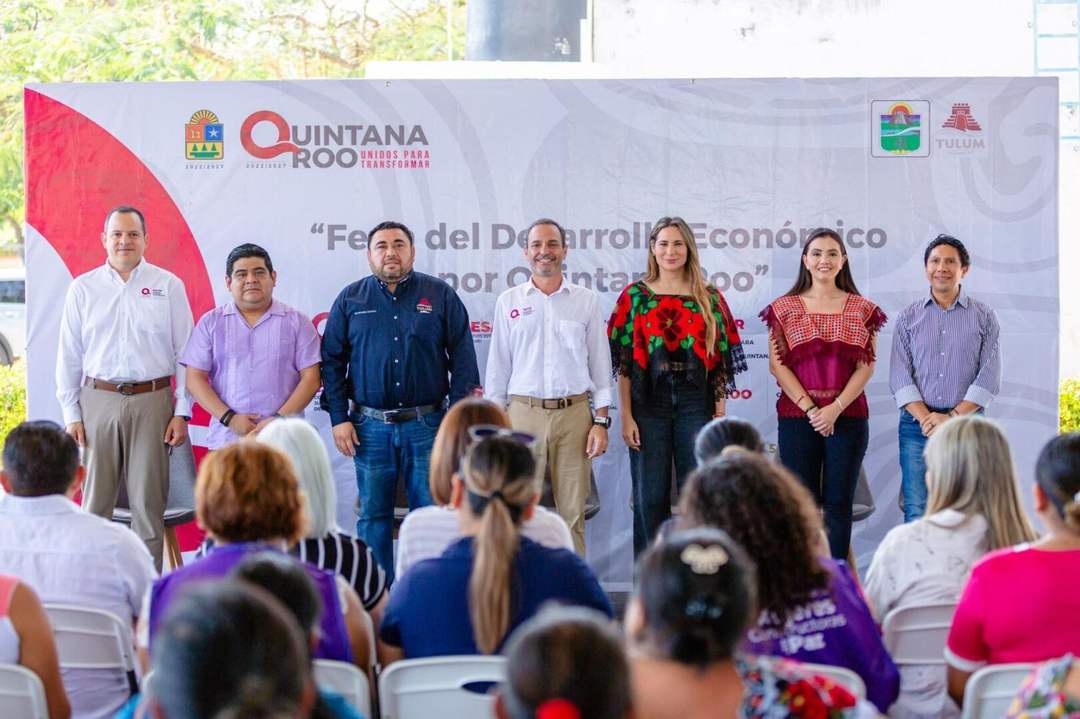
Tulum becomes the first municipality in Quintana Roo to host the state’s economic development fair, showcasing local businesses and fostering regional growth through innovative initiatives.
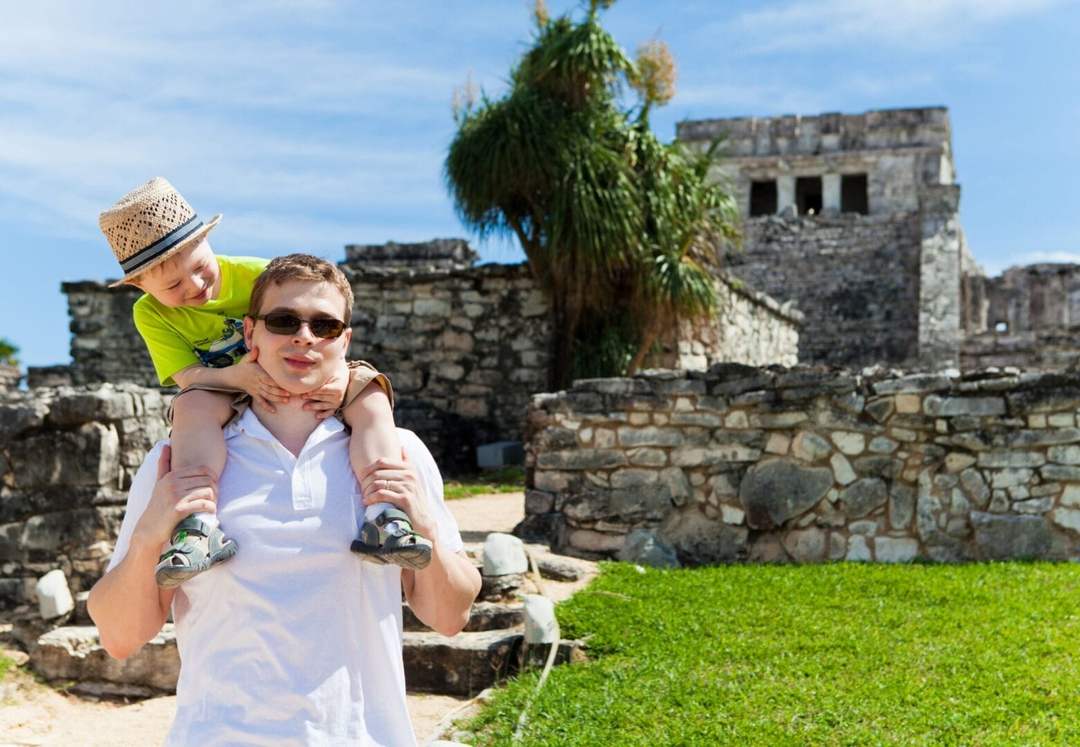
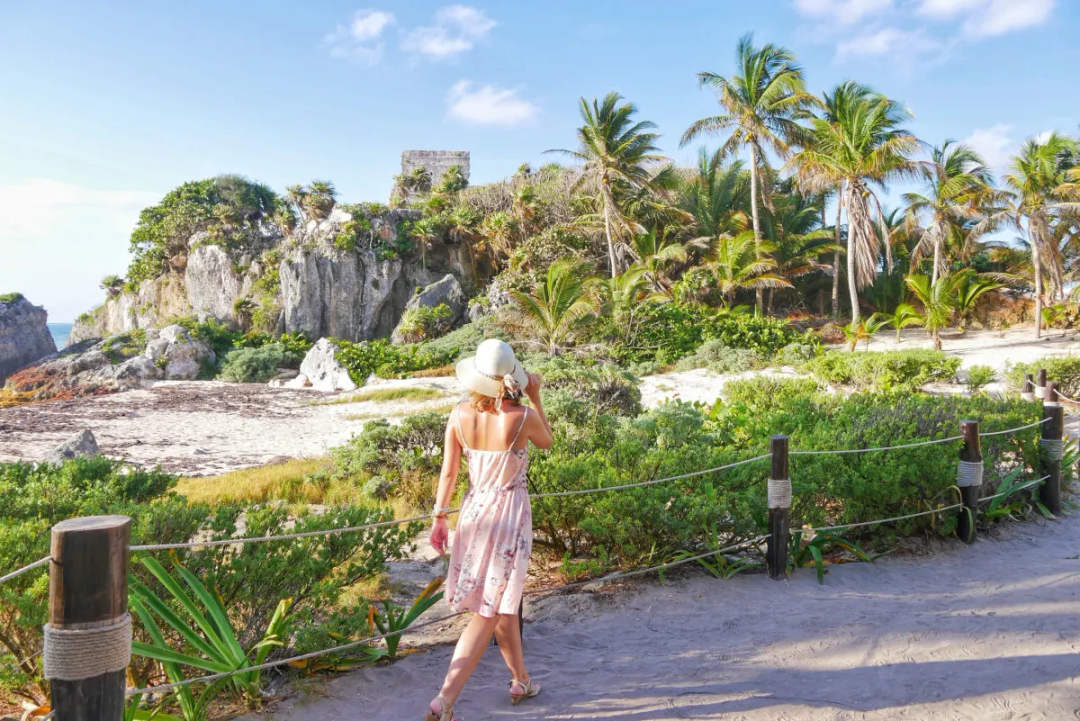
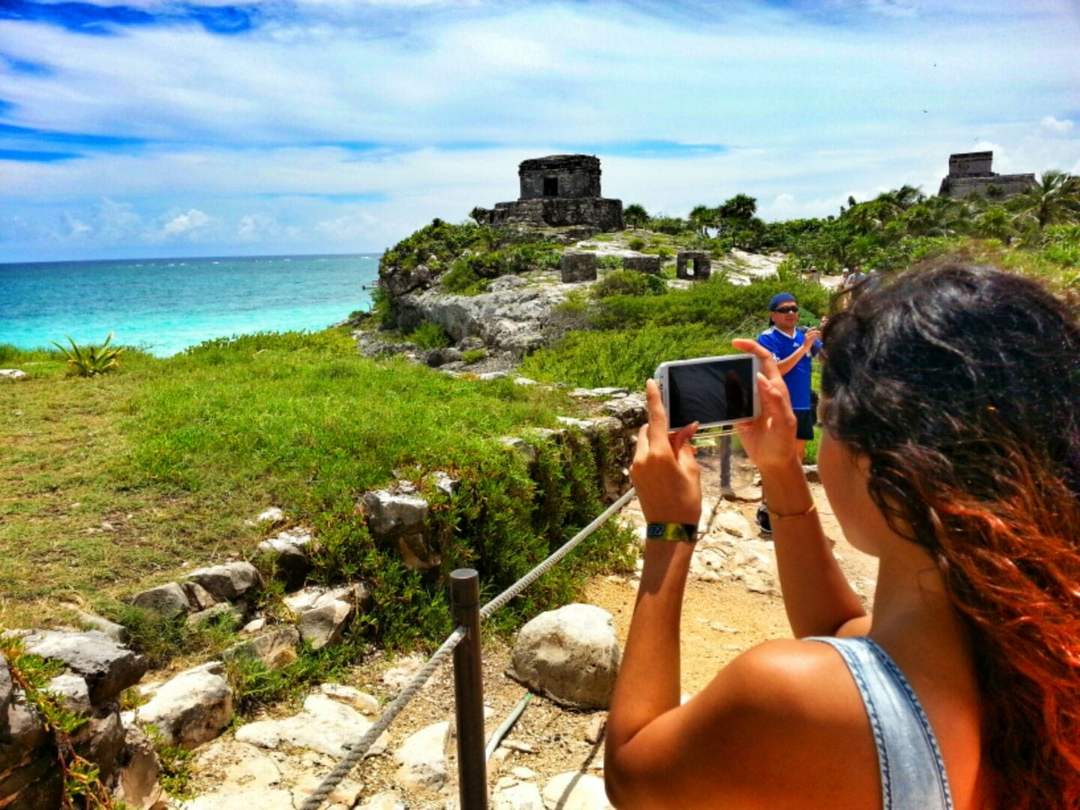
Tulum’s archaeological site ranks as Mexico’s third most visited during the Spring Equinox, drawing thousands for ancient ceremonies and celestial celebrations that highlight its cultural and historical significance.