Tourism in Mexico faces new fiscal hurdles as business leaders urge the government to replace rising taxes with investment incentives to keep the country competitive in global travel markets.
Tulum is preparing focused tourism campaigns for London’s World Travel Market and Mexico’s Pueblos Mágicos fair, showcasing its growing reputation for romance and cultural heritage.
Quintana Roo launches an integrated plan to relaunch the Tulum brand and position the Mexican Caribbean as a key player during the FIFA World Cup 2026, blending global visibility with local inclusion.
A new community market in Aldea Zamá, Tulum, connects Maya farmers with local consumers, offering fair prices and fresh produce while reviving the town’s economy amid a tourism slowdown.
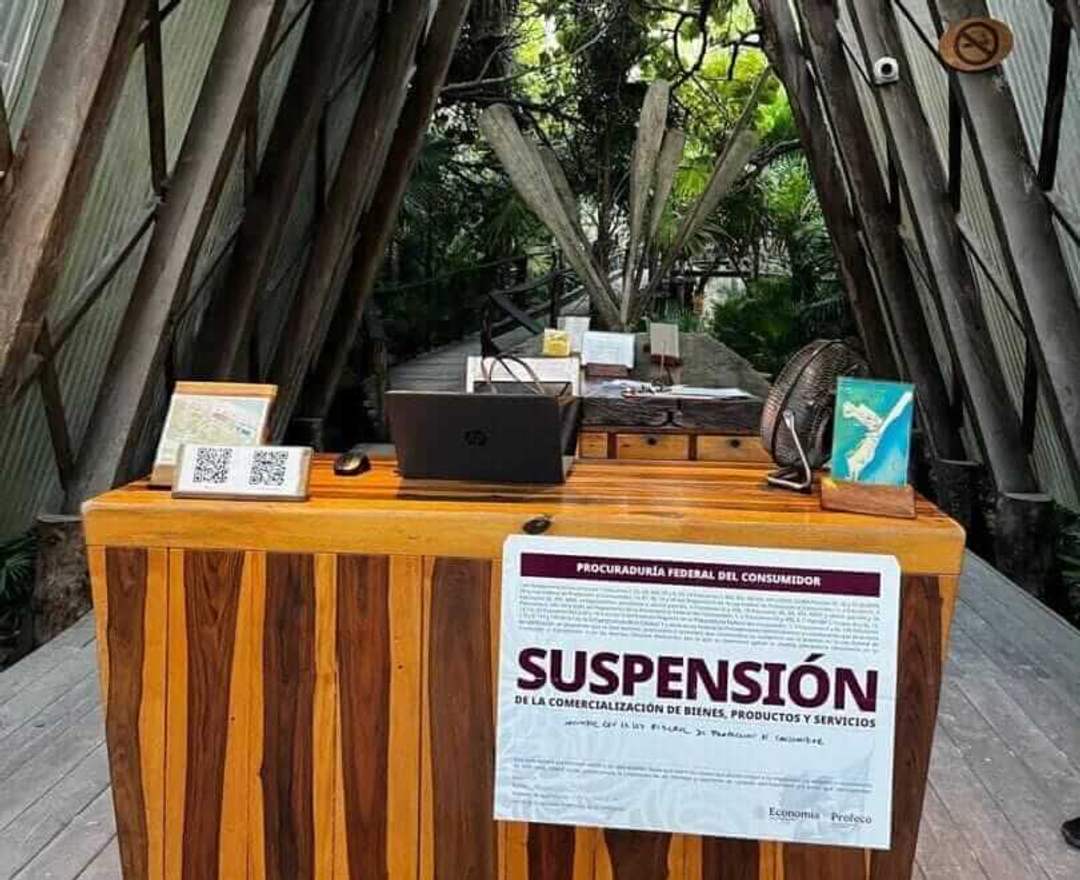
Tulum’s tourism decline highlights the tension between conservation and accessibility as new management fees at Parque del Jaguar deter visitors and disrupt the Riviera Maya’s cultural economy.
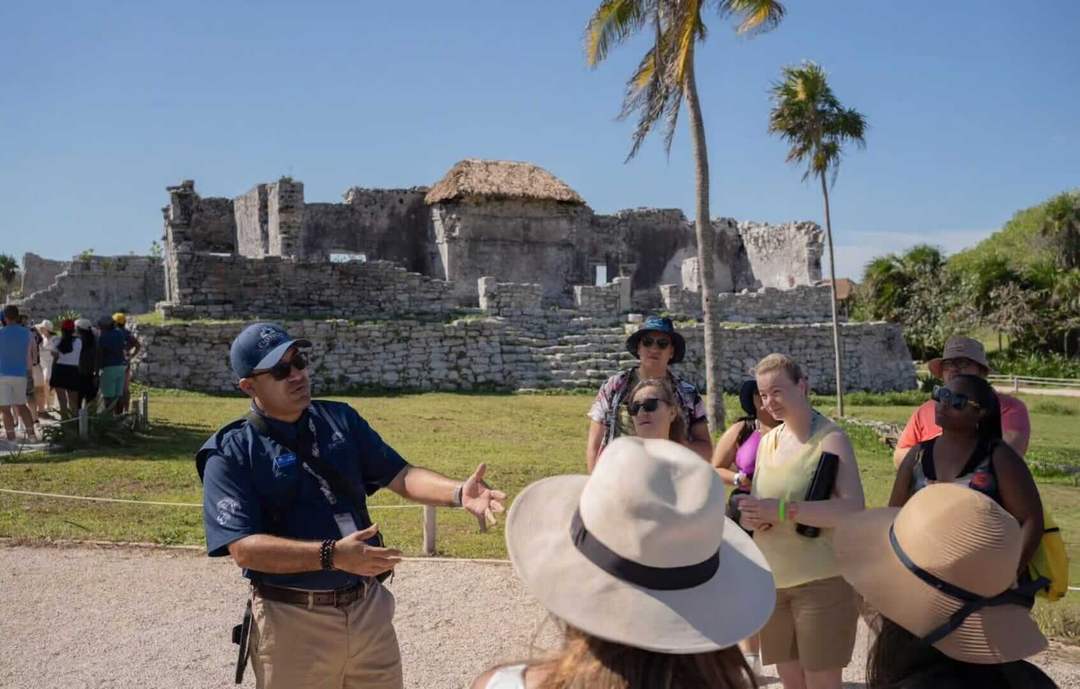
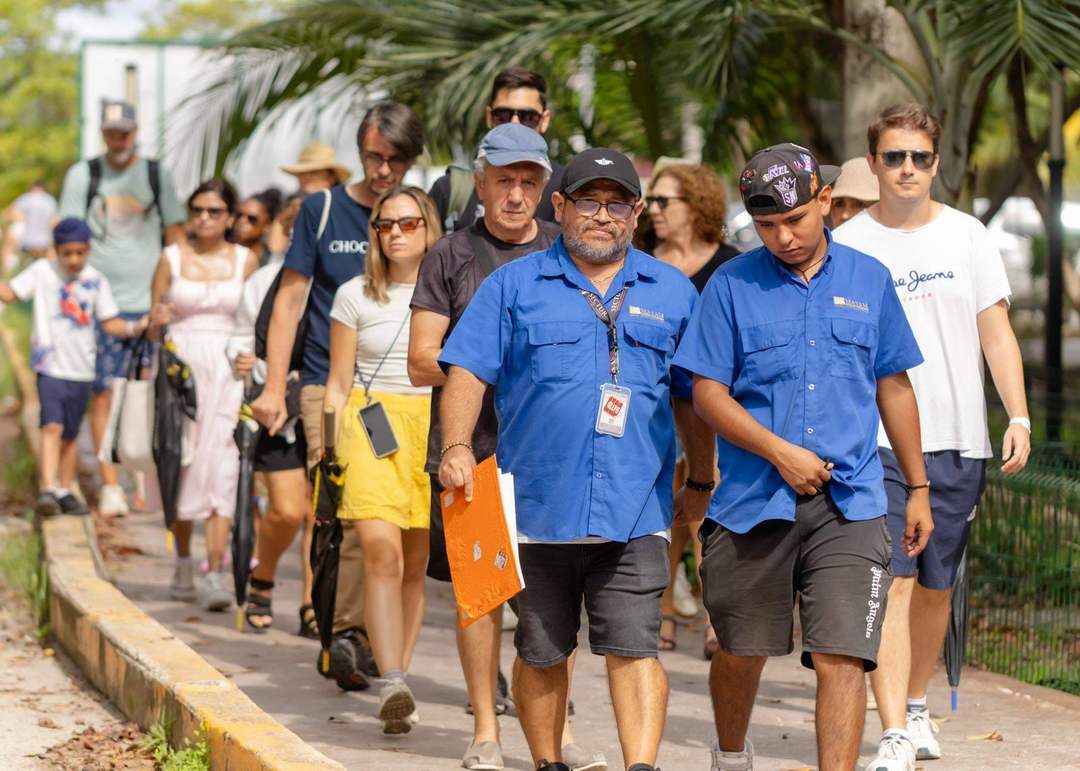
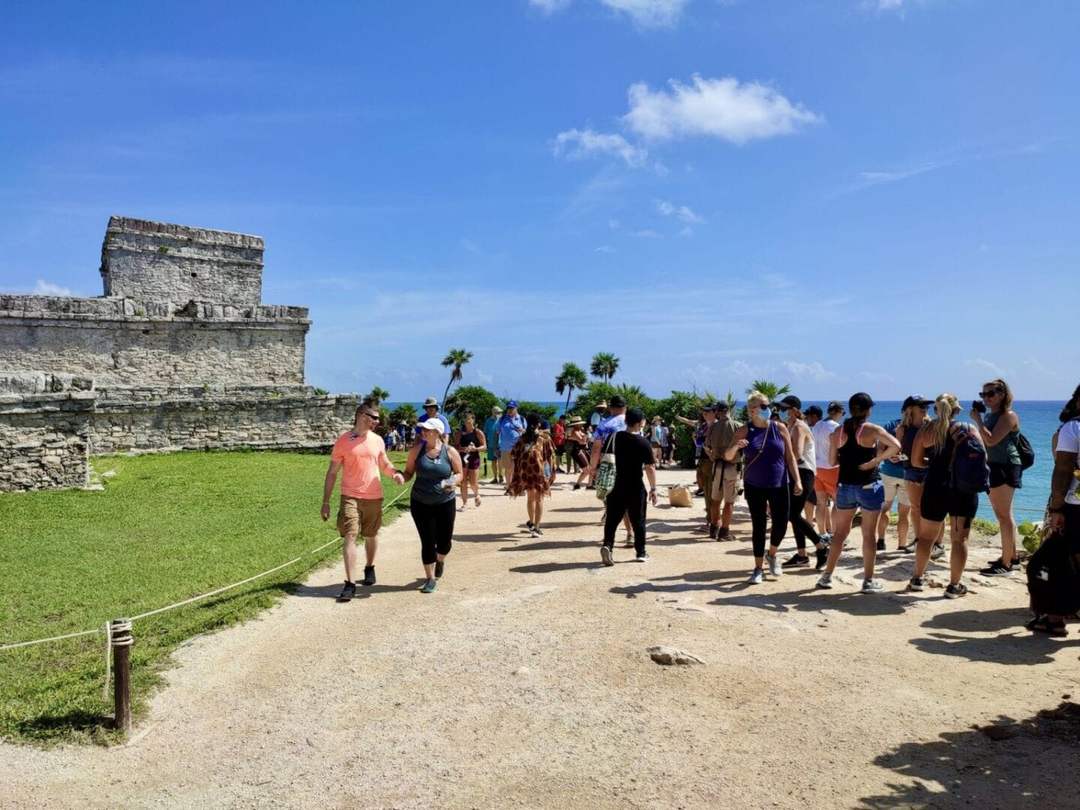
Tulum’s guides warn that Mexico’s new archaeological entry fees for foreign tourists could reduce competitiveness and arrivals, as federal policies link the increases to the Tren Maya project.
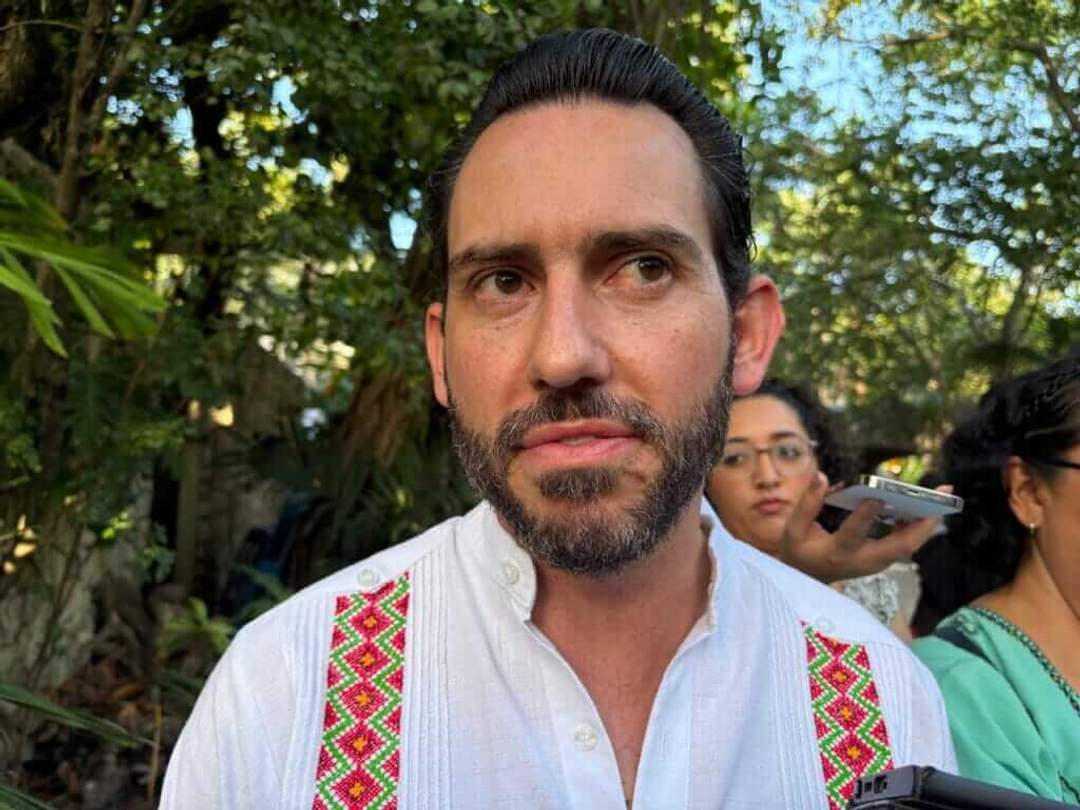
Tourism in Tulum remains strong as officials project 90% occupancy to end 2025, despite sargassum and what Mayor Diego Castañón calls a “media crisis” challenging the destination’s reputation.
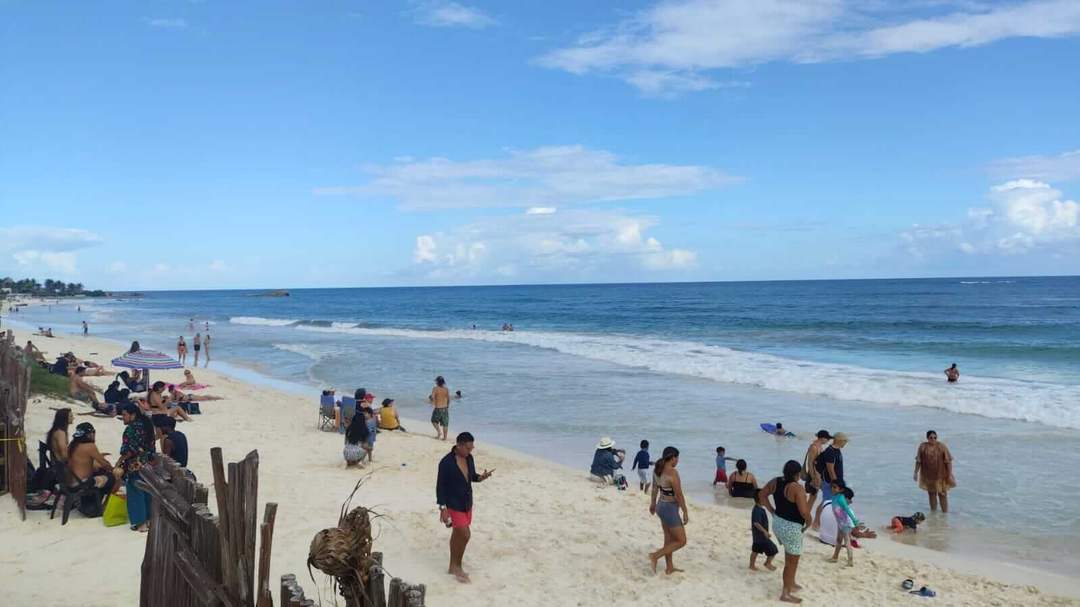
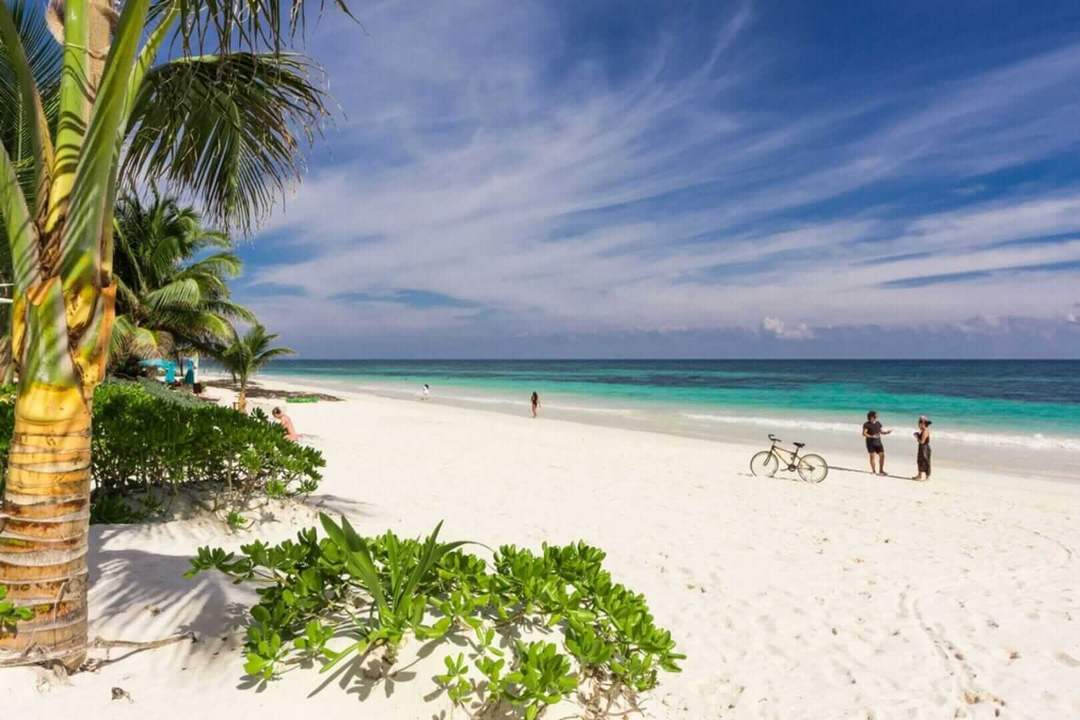
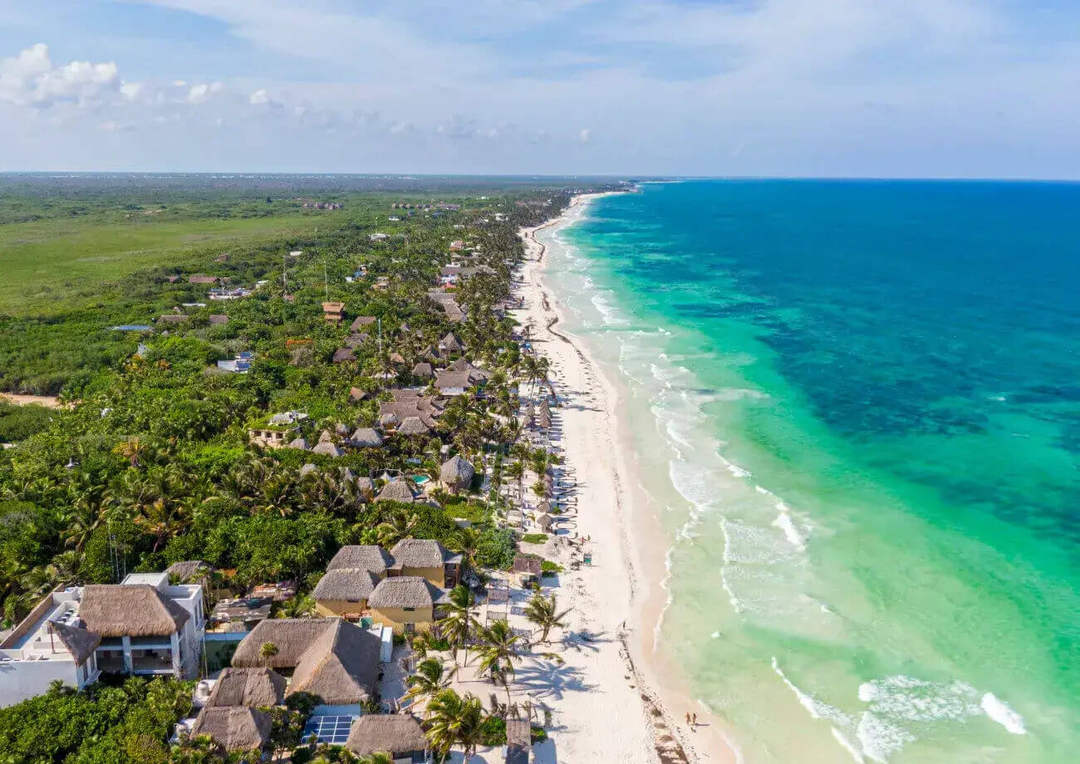
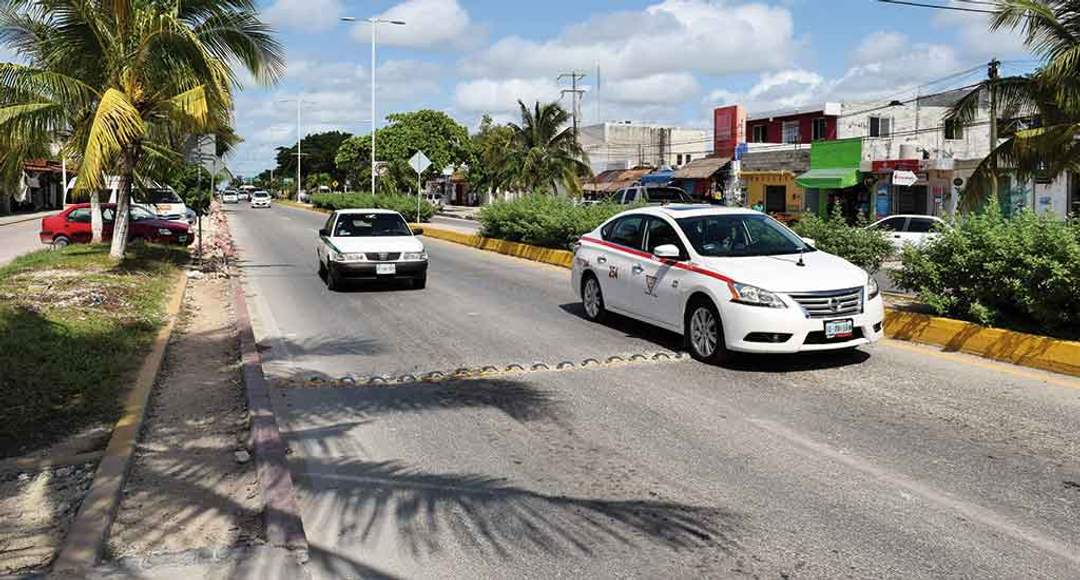
Tulum faces mounting pressure to fix beach access and infrastructure as tourism leaders call for urgent action. Officials agree: the experience must match the destination’s reputation.
Roberto Palazuelos is fighting for land inside Tulum National Park amid the town’s worst tourism slump, sparking outrage over rising prices and unchecked development in the Riviera Maya.
Tulum is entering a new phase of strategic development as tourism and real estate leaders focus on infrastructure, accessibility, and sustainable growth across the Riviera Maya.
Tulum has been named host of the First Caribbean Architecture Biennial, aiming to showcase sustainable design and cultural innovation in the heart of the Mexican Caribbean.
Tulum hotels could reach 90 percent occupancy this December, driven by Canadian and European tourists, lower rates, and cleaner beaches, signaling a strong winter season for the Riviera Maya.
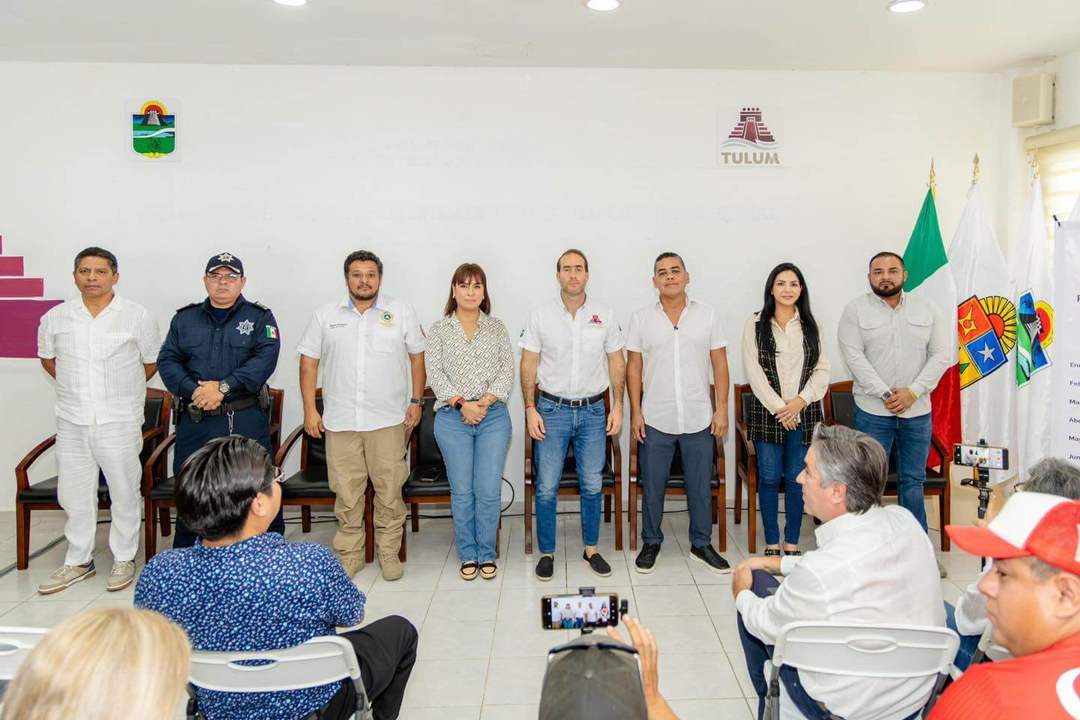
Ama Emprender gathered Tulum’s conscious entrepreneurs for a day of purpose-driven networking, storytelling, and community growth in the heart of the Riviera Maya.
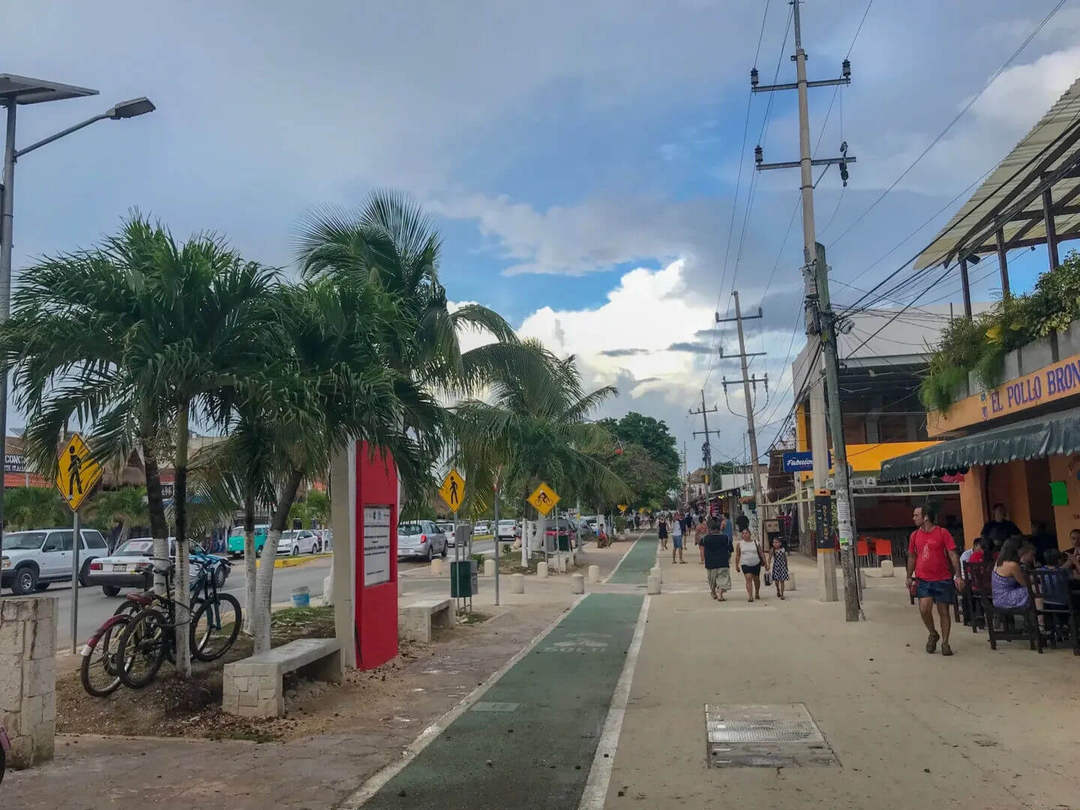
Despite the low season, construction in Tulum surges with new developments like Plaza Las Américas, La Comer, and a rise in gas stations — reshaping the Riviera Maya’s fastest-growing town.
Tulum hotel occupancy 2025 could exceed 80% as local leaders and hotel owners unite to face economic and reputational challenges affecting tourism across the Riviera Maya.
Tourism officials deny a crisis in Tulum, pointing to seasonal lows and ongoing plans to improve infrastructure, service, and public beach access in the Riviera Maya’s fastest-growing town.
Tulum hotels cautiously support Mexico’s new beach access law, but call for shared responsibility as infrastructure, regulation, and visitor experience all hang in the balance.
Tulum International Airport faces a steep drop in international routes, with poor ground connectivity threatening its role as a key player in Mexico tourism and the Riviera Maya.
The Adamar development in Tulum’s Tankah IV was halted after a judge’s order, citing environmental violations and lack of permits, sparking debate over coastal preservation in the Riviera Maya.