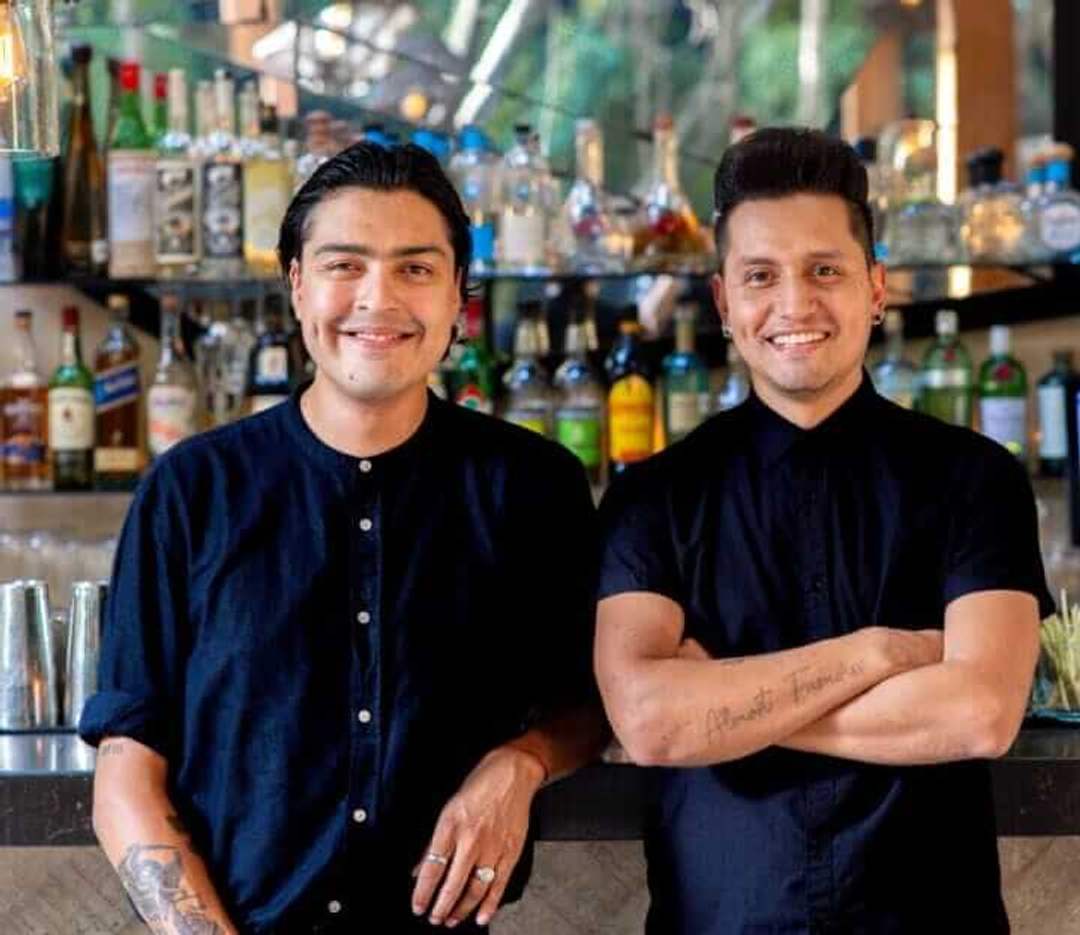

Henequen fiber hangs on the walls, and woven sisal screens filter the light. The Tulum-inspired restaurant they decorate sits on East 49th Street in Midtown Manhattan, about 1,600 miles from Tulum.
The place is called tán. It opened on December 8, 2022, at 209 East 49th Street, with a sub-level mezcal lounge called lúm, which opened later that month. PeterMax Co. designed the room around materials pulled from the Yucatán. The name over the door is a town, not a dish.
The Tulum Times covered the announcement in December 2022. Almost four years later, it is still there, still serving lunch, dinner and weekend brunch, and what it sells has not changed. An idea of a town travels better than the town does, and this year the gap between the two has become hard to ignore.
The co-creator most of the coverage leaves out
tán was never a solo project. It was built with Jonatán Gómez Luna Torres, the Mexican chef who opened Le Chique in the Riviera Maya in 2008 and turned it into one of the most decorated kitchens in the country.
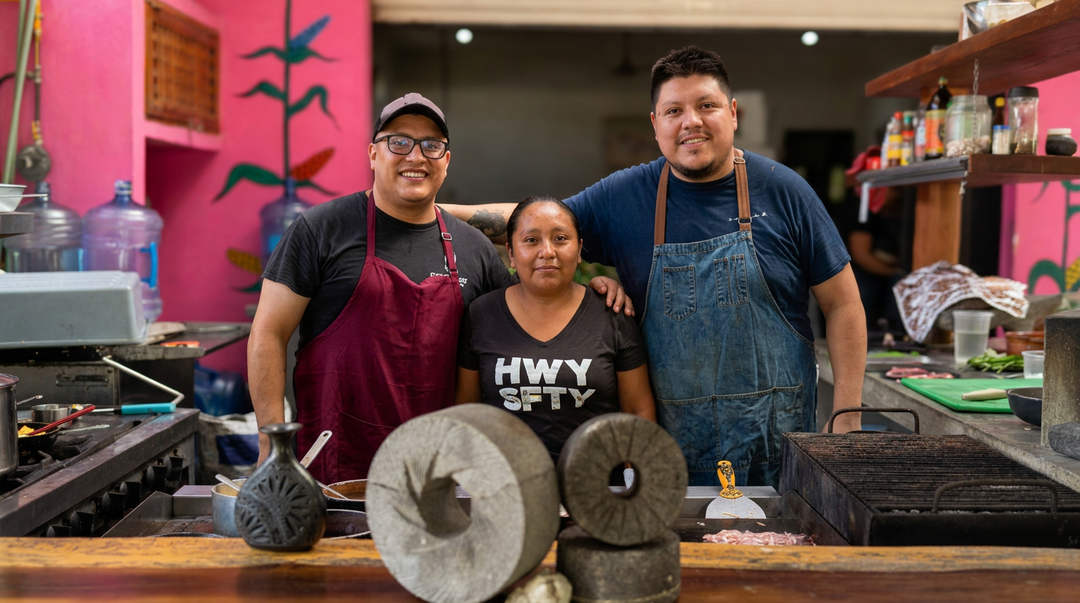
The record since then is not small. Le Chique earned a Michelin star when the guide launched in Mexico in 2024. In June 2025, the guide named Gómez Luna its Mentor Chef of the year for Mexico, describing an executive chef whose alumni had carried his method from Amsterdam to the Basque Country. Le Chique moved to Hotel Xcaret Arte in March 2026. When tán was announced, the publication reported that the restaurant ranked No. 17 on Latin America's 50 Best Restaurants for 2022.
Gómez Luna said at the time that opening a place alongside Sandoval, rooted in their shared heritage, had been a long-standing goal, and called the two venues "daring and fun" while staying true to Mexican tradition.
Read the coverage circulating now, and he is frequently absent. The restaurant's Yelp listing describes the menu as Sandoval's alone. A recent lifestyle feature runs several hundred words on the room, the family and the dishes without naming him once. OpenTable still credits both chefs.
Credit inside the family has drifted too. That same feature describes Sandoval's son, Giancarlo, as tán's chef, while Richard Sandoval Hospitality's own site lists him as a sous chef at the restaurant and a graduate of the Culinary Institute of America. His sister Isabella is described by the group as part of its leadership and, in 2024, by OpenTable as an assistant general manager.
Tikin Xic meets a Pacific adobo on one branzino
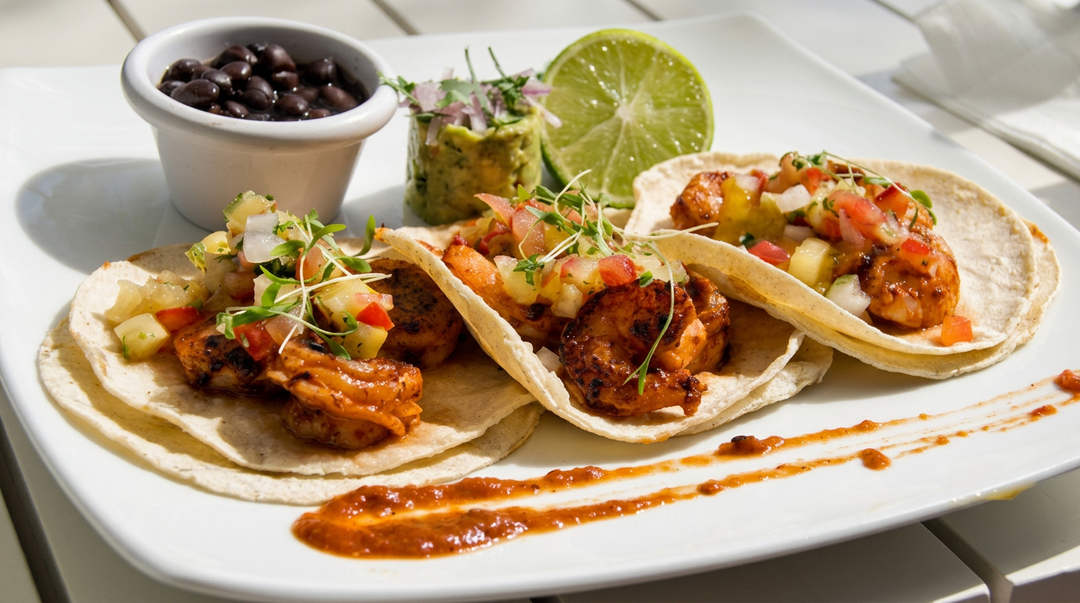
The signature dish is a whole branzino served Tikin Xic style, with zarandeado adobo and plantain purée. Two coasts are doing the work, and neither of them is Tulum's.
Tikin Xic is Yucatecan. The fish is rubbed with achiote and sour orange, then cooked, wrapped in banana leaf. Zarandeado belongs to the Pacific, to Nayarit and Sinaloa, where the fish is butterflied and grilled over wood. Folding one into the other is a modern and defensible move. It is not, in any strict sense, cooking from Tulum.
The rest of the menu runs on the same logic. Lobster tacos. An aguachile built on a crisp potato and chorizo taco. Yucatán pork belly, red snapper, a rotating set of ceviches, guacamole served with charred corn tlayudas out of Oaxaca. Dessert includes something called Tulum by the Beach, made with rum-infused pineapple, coconut foam, tapioca, and mango sorbet.
None of which is a complaint about the cooking. It is a description of what the word Tulum is being asked to carry. On this menu, it does not name a regional cuisine, because there are at least three regions on the plate and Tulum is not one of them. It names a feeling.
What a Tulum-inspired restaurant is actually selling
Sandoval has been direct about the product. He wants guests to feel transported the moment they walk through the door, he told the lifestyle feature, and he described Tulum as a different pace of life, connected to nature and understated luxury, with barefoot dinners by the ocean and mezcal under the stars.
That is a precise description of an export. Not a recipe. A pace.
Richard Sandoval Hospitality states on its website that it operates more than 60 locations across four continents, 13 countries, and 10 U.S. states. Sandoval opened Maya on the Upper East Side in 1997 and has recalled critics asking why anyone would spend $50 there when a combo plate across the street cost nine dollars. Nearly thirty years on, Tulum is one concept among dozens in that portfolio, and it is the one that needs no explaining to a New Yorker. The name arrives pre-loaded.
Houston got there first, twice
The pattern is older than tán. Casa Nomad opened in Houston's M-K-T Heights with beachy Mayan plates, a 28-seat patio and a cocktail named the Tuluminati. In 2025, Tago opened in Houston's Midtown with 4,500 square feet of tropical interior, another 2,700 square feet of patio, DJs after 9 p.m., and a room built to catch light the way a cenote does.
Three restaurants, two American cities, one town's name working as a design brief. None of them sits in Quintana Roo. None of them pays a peso in Tulum.
Tables in Tulum are emptier than the ones in Midtown
In May, this publication reported that restaurant sales in Tulum had fallen by up to 60 percent since 2025, with somewhere between eight and 15 establishments closed and municipal licenses still costing 40,000 pesos. Guillermo Fernández, who has run a Tulum restaurant for 15 years, told us the brief recovery he saw lasted a few weeks before the decline came back.
Recognition, meanwhile, keeps arriving. When the Michelin Guide handed out its Quintana Roo plaques on August 28, eight of the nineteen went to restaurants in Tulum, more than Cancún and more than Playa del Carmen. Not one of them holds a star.
Both things are true at once. The kitchens that built the reputation are running short of customers at the same moment the guide decides they are worth recognizing.
Those eight plaques sit in dining rooms that need people. On East 49th Street, the henequen is decorative, and the rent is Manhattan's problem. The name works anyway.
Should a destination have any say in how its name gets used on a menu 1,600 miles away, or is a Tulum-themed restaurant in Manhattan simply free advertising? Join the conversation and share your perspective with us on Instagram and Facebook at @thetulumtimes.

The Tulum Times · Newsletter
The story continues in your inbox.
Essential Tulum news and local insight, a few times a week. Free.
No spam. Unsubscribe anytime.
Tulum Restaurants, Beach Clubs, and Nightlife Guide
Food, dining, beach clubs, and nightlife coverage for visitors looking for practical choices, current openings, and the mood of Tulum after dark.

“The best journalists reporting from paradise, highlighting the heroes that keep Tulum the most beautiful place in the world! THANK YOU!”