El muro de control en la entrada principal del Parque del Jaguar será derribado este año, reemplazado por un corredor turístico federal que promete entrada más rápida y puestos permanentes para artesanos locales.
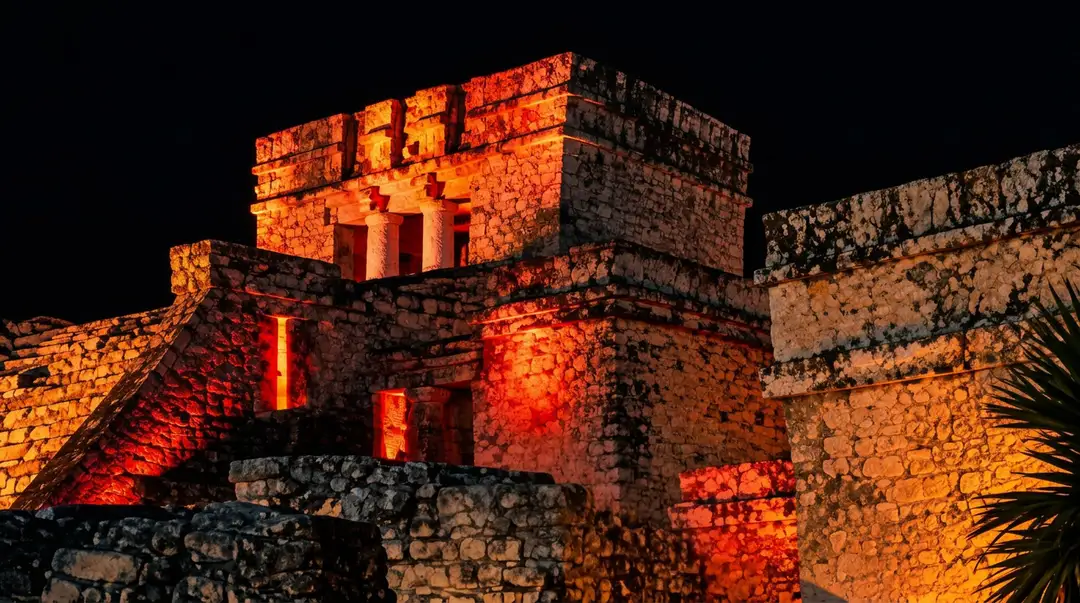
La secretaria de Turismo, Josefina Rodríguez Zamora, anunció el proyecto durante un recorrido de trabajo por el parque y la zona arqueológica de Tulum el jueves 6 de agosto, tres semanas después de que el gobierno de la presidenta Claudia Sheinbaum lanzara el programa Tulum Renace desde Tulum mismo. La construcción está programada para comenzar antes de que termine 2026, una vez que se finalice el proyecto ejecutivo que actualmente se está elaborando.
El anuncio llega al terreno más disputado del parque. Los puestos y la barrera que los rodea han generado quejas de visitantes, guías y vendedores desde que entró en vigor el esquema actual de acceso, y se encuentran en el centro del debate más amplio sobre quién controla la entrada a las ruinas y las playas. Para quien haya estado en esa fila bajo el calor de agosto, este es el elemento de Tulum Renace que cambiaría la visita en sí.
El muro cae y los puestos de entrada se reconstruyen
El plan contempla derribar la barrera actual, reconstruir los puestos y reorganizar la circulación de vehículos y peatones para que visitantes nacionales y extranjeros pasen la entrada más rápido. Los objetivos declarados son mejor movilidad, comercio ordenado a lo largo del camino de acceso y una impresión más fuerte del sitio.
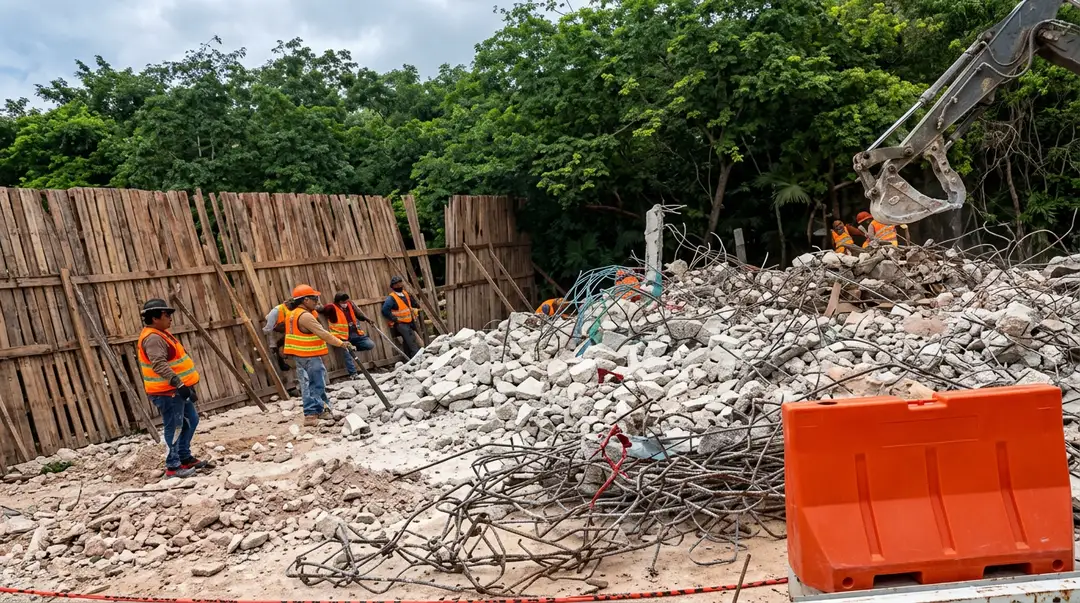
"Vamos a derribar este muro, como lo llamamos. Los puestos van a ser renovados, y vamos a darle espacios dignos a nuestros artesanos y a nuestros prestadores de servicios organizados", dijo Rodríguez Zamora.
El cronograma depende de papeleo. El proyecto ejecutivo aún está en desarrollo, y la secretaria dijo que las cuadrillas se moverán una vez que esté completo, dentro de este año.
Puestos permanentes para artesanos dentro del corredor del Parque del Jaguar
La mitad comercial del proyecto tiene tanto peso como la demolición. El corredor incluirá espacios construidos donde artesanos, comerciantes y prestadores de servicios organizados pueden vender en mejores condiciones, un grupo que ha trabajado el camino de acceso en cada versión de la administración del parque.
Rodríguez Zamora enmarcó los puestos dentro de una promesa más amplia. La transformación de Tulum, dijo, significa mejorar la experiencia del visitante, fortalecer la calidad del servicio, proteger el patrimonio del sitio y generar lo que ella llamó "prosperidad compartida para las comunidades".
10 por ciento más visitantes, tres semanas después de Tulum Renace
La secretaria utilizó el recorrido para reclamar resultados tempranos. Los reportes del sector turismo citados por Rodríguez Zamora colocan las llegadas de visitantes alrededor de 10 por ciento arriba de períodos anteriores desde que el programa lanzó el 17 de julio como un paquete de compromisos federales para el destino.
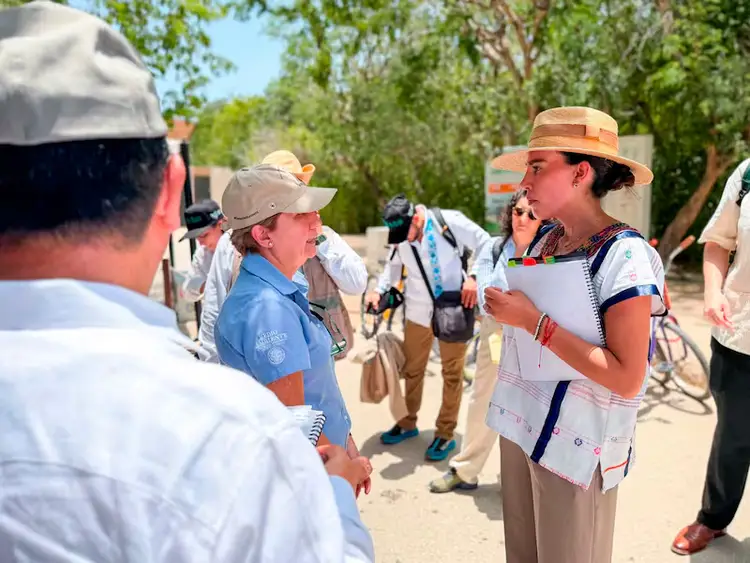
"No nos conformamos. Queremos más turistas, siempre. Eso viene de la promoción del destino, del boca a boca, y de toda la infraestructura turística en el camino", dijo.
La visita funcionó también como un ejercicio de coordinación. Rodríguez Zamora recorrió el parque con el general Ricardo Flores González, director general del Grupo Mundo Maya, realizó sesiones de revisión con representantes del sector turismo, y se reunió con funcionarios del Instituto Nacional de Antropología e Historia (INAH) y de la Comisión Nacional de Áreas Naturales Protegidas (Conanp), las dependencias cuyos roles superpuestos han definido la corta y complicada vida institucional del parque.
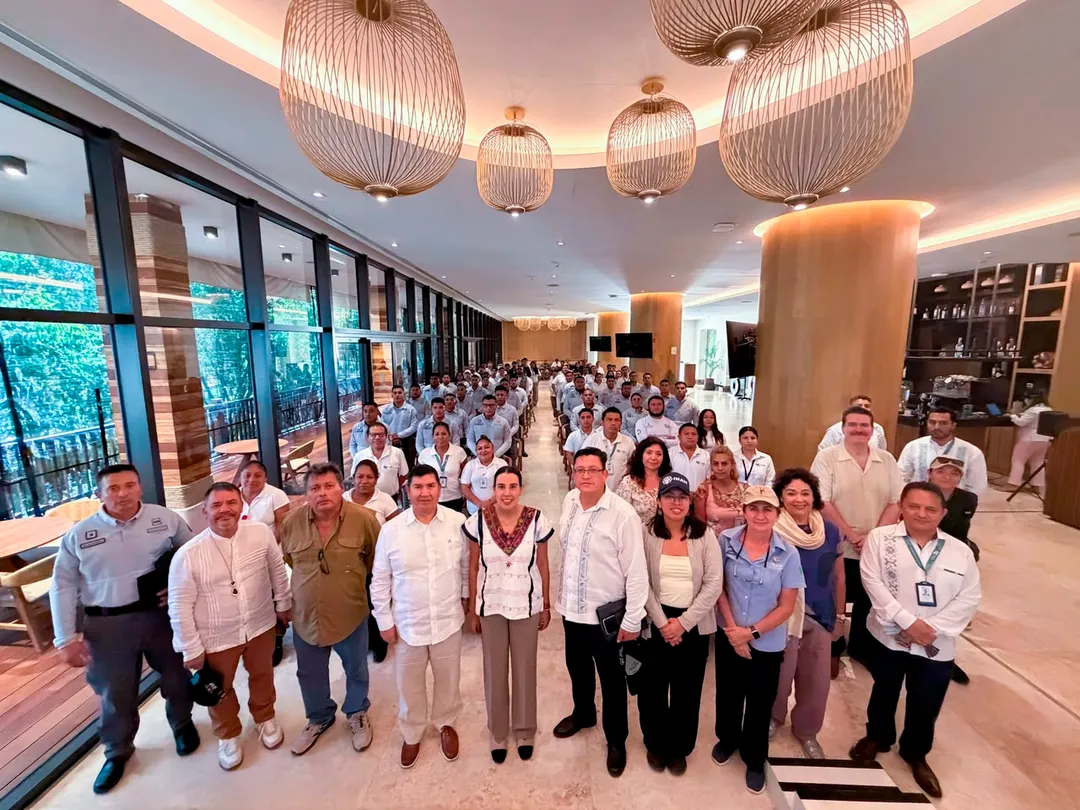
Un día de capacitación para el personal de las puertas
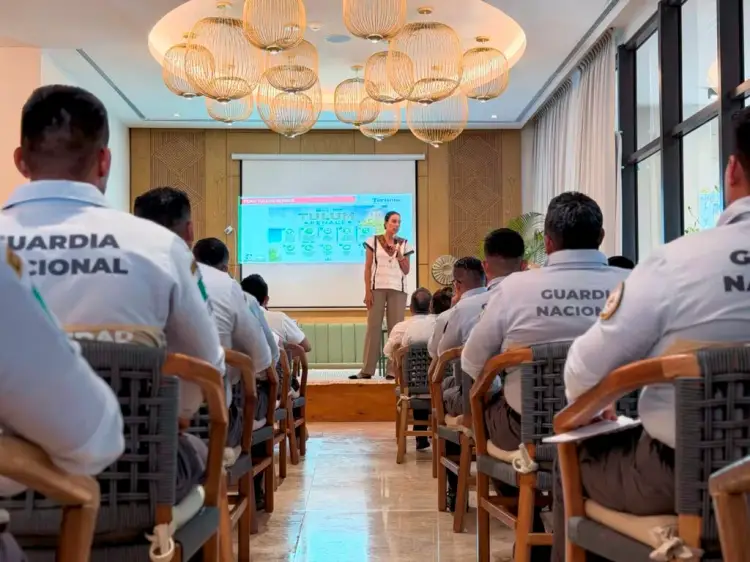
El mismo viaje incluyó una sesión de profesionalización para el personal operativo del parque, con personal del INAH, Conanp y Grupo Mundo Maya. Los cursos cubrieron hospitalidad, comunicación con visitantes, turismo accesible, atención a grupos prioritarios y herramientas digitales. La capacitación permanente, dijo la secretaria, es uno de los pilares del plan.
Playas gratis, 80 pesos para las ruinas
Rodríguez Zamora reiteró las reglas de acceso ahora en vigor. La entrada al parque es gratuita para visitantes mexicanos, una condición establecida por decreto presidencial, y pagan solo si entran a la zona arqueológica. Agregó que llegar a las playas y áreas públicas del parque no cuesta nada para visitantes que salten las ruinas.
El sitio arqueológico mantiene un arancel que el gobierno federal describe como una reducción histórica, destinada a abrir el patrimonio biocultural a más personas:
- Los visitantes mexicanos pagan 80 pesos, con entrada gratuita los domingos.
- Los visitantes extranjeros pagan 265 pesos.
- La entrada incluye acceso al área natural protegida.
Sin presupuesto hasta que se termine el proyecto ejecutivo
El número que falta en el anuncio es el precio. El gobierno federal confirmó que el trabajo comienza este año, pero la inversión total aún no tiene cifra, porque depende del proyecto ejecutivo y de los estudios técnicos aún en curso.
Sectur dice que publicará el presupuesto una vez que esos estudios cierren. Hasta entonces, el corredor existe en papel, y el compromiso más firme en la mesa es un calendario: demolición en la entrada del parque antes de que termine 2026.
¿Solucionará un nuevo corredor la experiencia de entrada en Parque del Jaguar? Únete a la conversación y comparte tu perspectiva con nosotros en Instagram y Facebook en @thetulumtimes.

The Tulum Times · Newsletter
La nota sigue en tu correo.
Lo esencial de Tulum y contexto local, un par de veces por semana. Gratis.
Sin spam. Cancelá cuando quieras.
Tulum Cenotes, Ruins, and Practical Visitor Guides
Guides, access updates, regulations, and practical planning around cenotes and the Tulum archaeological zone.

“The best journalists reporting from paradise, highlighting the heroes that keep Tulum the most beautiful place in the world! THANK YOU!”