
La entrada gratuita al Parque del Jaguar de Tulum no ha resuelto la cuestión del acceso a la playa, pues los visitantes que llegan en automóvil aseguran que la escasez de estacionamiento los obliga a gastar dinero para llegar a la orilla.
El gobierno federal hizo el parque gratuito para los nacionales mexicanos a principios de este mes como parte del Plan Tulum Renace. El anuncio se presentó como una devolución de la costa al público. Los automovilistas cuentan una historia diferente.
La queja importa porque pone a prueba una de las promesas centrales del plan. Sobre el papel, las playas dentro de la reserva pertenecen a todos. En la práctica, las personas que intentan llegar a ellas en vehículo dicen que la única forma de entrar aún pasa por un restaurante o un beach club.
Un parque gratuito sin dónde estacionar
Una cámara oculta mostró cómo funciona el proceso sobre el terreno. A los visitantes que llegan en automóvil se les dice que necesitan una reservación en un restaurante o beach club antes de poder entrar, porque el parque no tiene estacionamiento reservado para el público.
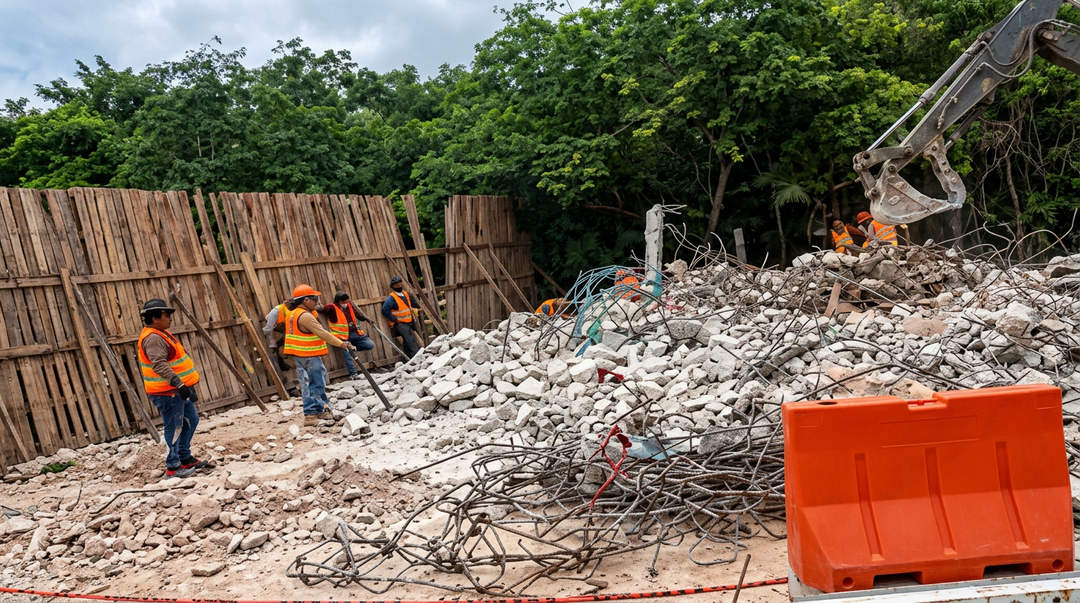
Durante la grabación, un trabajador explicó que los únicos espacios con estacionamiento son los restaurantes y beach clubs ubicados dentro del parque. Cuando se le preguntó si era posible entrar solo para visitar la playa sin hospedarse en uno de esos negocios, respondió que la reservación está vinculada al acceso a esos lugares y reconoció que el parque aún no tiene estacionamiento propio.
La respuesta no cambió cuando el reportero preguntó sobre entrar solo para caminar por la zona. El personal indicó que los visitantes no pueden transitar por la reserva natural sin un lugar para dejar el vehículo. La instrucción fue contundente. Llega con un lugar ya asegurado, o no entres en automóvil.
Lo que cambió el Plan Tulum Renace
La fricción no es nueva. El Parque del Jaguar enfrentó críticas severas cuando comenzó a cobrar a los visitantes por llegar a playas que habían estado abiertas durante mucho tiempo, un movimiento que encendió protestas en Tulum e impulsó al gobierno federal a revisar cómo se manejaba la reserva. El Plan Tulum Renace es la respuesta a esa presión.
La presidenta Claudia Sheinbaum anunció las nuevas reglas durante una visita a Quintana Roo, presentándolas como parte de un plan de diez puntos para el destino. La entrada al Parque del Jaguar se volvió gratuita para los nacionales mexicanos, mientras que los visitantes extranjeros pagan 265 pesos. El acceso a la zona arqueológica se fijó en 80 pesos para nacionales, con entrada gratuita los domingos. El transporte eléctrico dentro del parque es opcional y cuesta 20 pesos.

Las playas en sí no tienen cuota de entrada. Los funcionarios dijeron que las medidas se publicarían en el diario oficial del país para tomar efecto formal.
La reserva es más grande que las ruinas que la mayoría de los visitantes imagina. Cubre aproximadamente 2,913 hectáreas e integra el Parque Nacional Tulum, el Área de Protección de Flora y Fauna Jaguar, la Zona Arqueológica de Tulum y su museo bajo un solo grupo operativo. La escala es parte del problema. Un área protegida de ese tamaño no puede absorber automóviles particulares sin infraestructura dedicada, e esa infraestructura aún no existe.
La brecha entre entrada gratuita y acceso a playa en Parque del Jaguar
Para los dueños de negocios en Tulum, el cambio es de forma más que de fondo. Argumentan que la cuota en la entrada desapareció, pero el costo no. Cualquiera que quiera pasar el día en la playa termina pagando de todas formas, ya sea por transporte o por una mesa en un establecimiento privado.
Valeria Blanco, dueña de negocio en Tulum, dijo que la falta de estacionamiento dentro del polígono del parque deja a los visitantes con pocas opciones honestas para llegar a playas públicas como Playa Pescadores.
Al final tenemos playas gratuitas, entre comillas. Si queremos entrar con la naveta, tenemos que estacionar en el museo y pagar la naveta para llegar a las playas. La falta de estacionamiento dentro del polígono del Parque del Jaguar nos daña, porque ahora tenemos que regresar a los beach clubs. No podemos llegar a Playa Pescadores, por ejemplo, que es una playa pública, sin reservación. Eso significa que estamos obligados a gastar dinero para ir a la playa.
Su punto toca una extensión específica de arena. Playa Pescadores es pública. Llegar a ella en automóvil, por ahora, no lo es.
Lo que aún hay que construir
El plan sí toma en cuenta la pieza que falta. Pide un estacionamiento ecológico en la entrada sur y un nuevo sistema de transporte público diseñado para mover a las personas a través de la reserva. Ambos se presentan como mejoras futuras, no actuales.
Hasta que se construyan, la situación descrita por visitantes y prestadores de servicios se mantiene. La entrada gratuita elimina la taquilla, pero no coloca un espacio de estacionamiento donde no hay ninguno.
Lo que queda por verse es si el estacionamiento y transporte prometidos llegan en un cronograma que coincida con el mensaje de acceso gratuito, y si playas como Playa Pescadores se vuelven accesibles sin una reservación una vez que lo hagan. Por ahora, el trayecto a la costa aún termina en la puerta de alguien más.
¿Debería el acceso a una playa pública en Tulum depender alguna vez de una reservación en un restaurante. Únete a la conversación y comparte tu perspectiva con nosotros en Instagram y Facebook en @thetulumtimes.
This image was generated or enhanced using artificial intelligence to improve its quality.

The Tulum Times · Newsletter
La nota sigue en tu correo.
Lo esencial de Tulum y contexto local, un par de veces por semana. Gratis.
Sin spam. Cancelá cuando quieras.
Beach Access, Public Shoreline, and Coastal Rules in Tulum
Coverage of public beach access, coastal restrictions, closures, and the balance between tourism and public space.

“The best journalists reporting from paradise, highlighting the heroes that keep Tulum the most beautiful place in the world! THANK YOU!”