

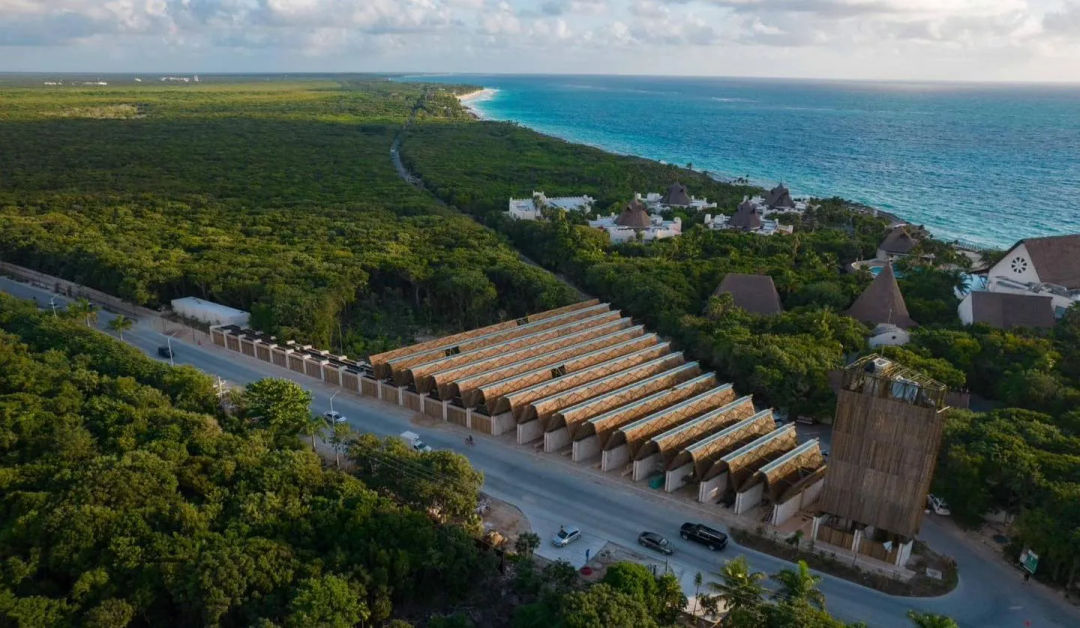
The arrival of visitors to the Parque del Jaguar, a flagship federal conservation project in Tulum’s coastal zone, has recorded a collapse so severe it is being defined as the Parque del Jaguar Tulum tourism crisis. The crisis is now directly impacting the destination’s tourism economy, with reports of business closures, investor flight, and a marked decrease in hotel activity suggesting that the transition to a regulated management model is creating unintended structural damage.
According to data shared by entrepreneurs in the sector, a recent count conducted on a typical Sunday revealed that only approximately 300 people entered the park. This figure represents a staggering 97 percent decline from previous years, when the site regularly received between 10,000 and 12,000 visitors daily during peak demand periods. The reduction in visitor flow has triggered alarms among service providers who depend on the movement of travelers toward the beaches and archaeological ruins within this protected natural area.
The Human Cost of the Parque del Jaguar Tulum Tourism Crisis
Antonio Laviada, owner of the long-standing Hotel Pocná, stated that the current outlook is increasingly dire for the coastal sector. The situation is very complicated, Laviada remarked, noting that the traditional boost from the Semana Santa holiday failed to materialize this year. We did not have tourists during Holy Week, truly, we did not, he affirmed, pointing to one of the most significant vacation periods for the Mexican Caribbean.
The empresario explained that the management program for the Parque del Jaguar currently includes various restrictions on access and use of the area. These regulations, while designed to protect the integrity of the 2,260-hectare reserve, have significantly limited the influx of visitors. This regulatory friction is compounded by a lack of basic services within the park for those who do manage to enter, further deteriorating the guest experience and discouraging repeat visits. For businesses that have operated in the zone for decades, the shift from a laissez-faire approach to a highly controlled federal perimeter has been jarring and, for some, economically fatal.
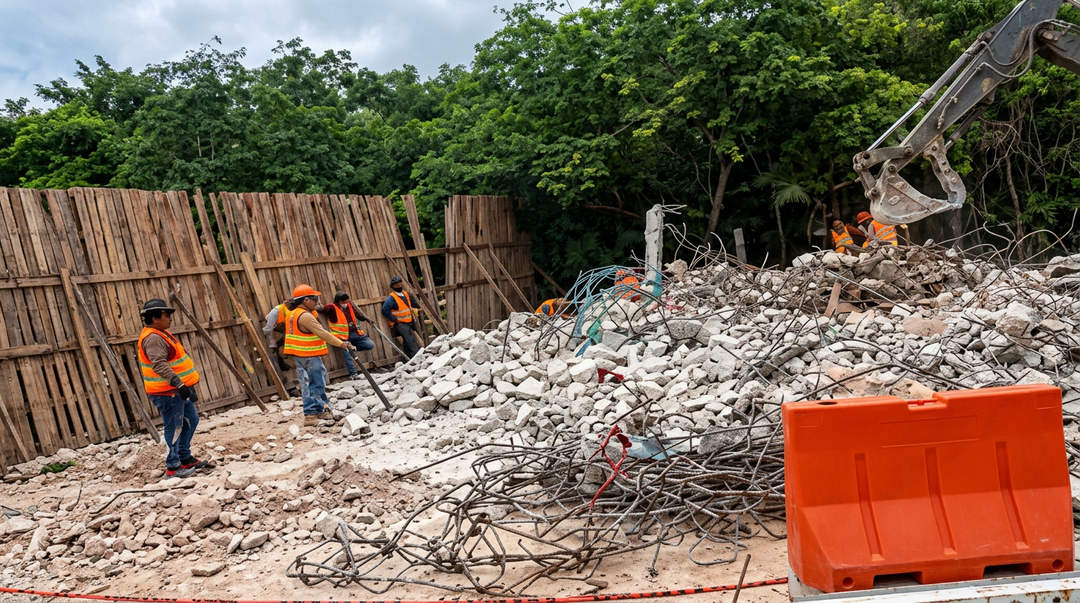
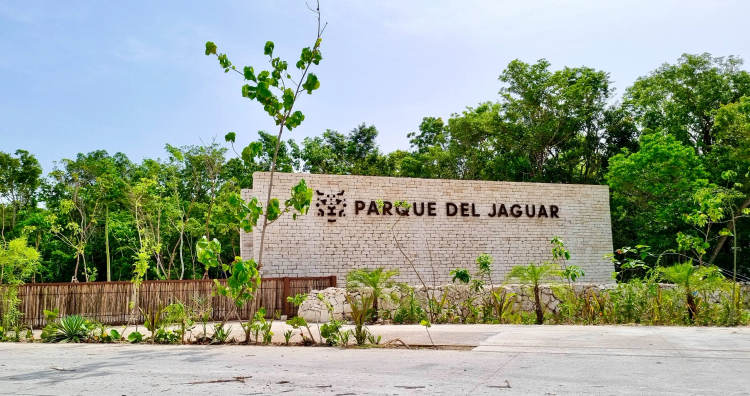
Access Paradox of the Parque del Jaguar Tulum Tourism Crisis
For decades, the coastal road of Tulum was synonymous with logistical chaos. Before the inauguration of the Parque del Jaguar in 2022, the area was plagued by traffic congestion, unauthorized parking, and environmental degradation. The federal government’s intervention was pitched as a solution to "order" the territory, consolidating 2,260 hectares into a single managed entity. However, the implementation of this order has introduced a new set of challenges: stagnation.
The current management model, which prioritizes environmental preservation and land use control, has inadvertently created a barrier to the very tourism it was meant to organize. The "Price of Order" in this context is being paid by the small and medium-sized enterprises that form the backbone of Tulum's identity. When the barrier to entry, whether physical, administrative, or financial, becomes too high, the traveler simply looks elsewhere. This is the reality facing the coastal zone today, where the once-vibrant flow of thousands has dwindled to a trickle of hundreds.
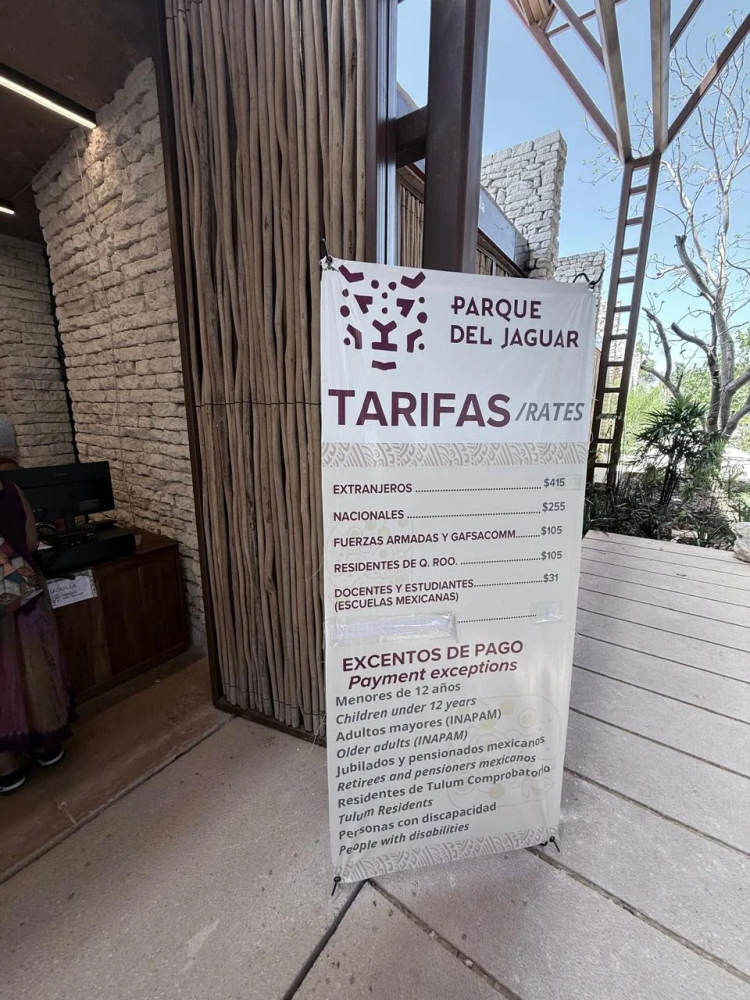
Management Gaps Fueling the Parque del Jaguar Tulum Tourism Crisis
The economic impact is already manifesting in physical closures along the coastal road. According to local business leaders, several establishments have shuttered their doors, including large-scale hotels that have historically anchored the area’s economy. Furthermore, the uncertainty has prompted some investors to relocate their capital and development projects to other destinations in Quintana Roo, such as Costa Mujeres or the southern reaches of the Riviera Maya, where they perceive more favorable and predictable conditions for operation.
The crisis is not solely a matter of regulation but of execution. In March 2026, citizens and visitors reported significant operational failures within the park. Specifically, the internal transportation service, managed by the Mundo Maya Group through electric vehicles, was suspended without prior notice on multiple Sundays. This sudden removal of mobility options left families, children, and elderly visitors to navigate the expansive park terrain on foot under intense tropical heat. Such incidents do more than just cause temporary inconvenience; they erode the trust of the global traveler and damage the premium brand that Tulum has spent years building.


Federal Oversight in the Parque del Jaguar Tulum Tourism Crisis
The Parque del Jaguar is currently under the administration of the Ministry of National Defense (SEDENA) through the GAFSACOMM group. This federal entity is also responsible for managing major infrastructure like the Felipe Carrillo Puerto International Airport and segments of the Tren Maya. The military-led management style, characterized by rigid protocols and top-down decision-making, has often clashed with the fluid and service-oriented needs of the international tourism industry.
While the centralization of management was intended to bring professionalization to a historically informal sector, the growing pains of this transition are proving costly for the private sector. The lack of coordination between environmental conservation goals and tourism logistics has created a bottleneck. For federal agencies like GAFSACOMM, the challenge is adapting a logistical mindset to the nuanced landscape of high-end hospitality. In a military context, rules are often inflexible; in a tourism context, they must be clear, but personnel must be empowered to solve problems graciously to ensure a positive visitor experience.
A Search for Equilibrium in the Parque del Jaguar Tulum Tourism Crisis
The collapse of visitor numbers at one of the most emblematic sites in the Mexican Caribbean reflects the broader tensions facing Tulum. As the municipality attempts to pivot toward a more structured and sustainable tourism model, the immediate economic fallout suggests that the pace of change may be outstripping the market’s ability to adapt. The transition from a destination defined by its wild, boho-chic freedom to one defined by federal perimeters and strictly enforced regulations is a high-stakes experiment with the town’s economy.

Representatives from the hotel sector have made an urgent call to federal environmental authorities and the park's administration to review the current regulatory scheme. They are not calling for a return to the chaos of the past, but for a recalibration that allows for a reactivation of visitor arrivals. Potential solutions discussed among local leaders include more transparent entry protocols, improved training for front-line personnel, and a guaranteed consistency in basic services like internal transport.
For entrepreneurs like Laviada, the stakes are existential. The survival of the coastal economy depends on a management model that recognizes the nuances of hospitality and accessibility. Until the operational failures are addressed and a balance is struck between preservation and promotion, the Parque del Jaguar may remain a protected area with fewer people to appreciate its value. The recovery of Tulum's tourism flow will likely depend on whether the federal government can transform its "Price of Order" into a "Promise of Professionalism."
What do you think this milestone means for Tulum's future? Join the conversation and share your perspective with us on Instagram and Facebook at @TulumTimes.

The Tulum Times · Newsletter
The story continues in your inbox.
Essential Tulum news and local insight, a few times a week. Free.
No spam. Unsubscribe anytime.
Transportation in Tulum: Taxi, Bus, Transfers, and Mobility
Taxi fares, buses, transfers, road changes, mobility updates, and practical transport guidance for Tulum.

“The best journalists reporting from paradise, highlighting the heroes that keep Tulum the most beautiful place in the world! THANK YOU!”


