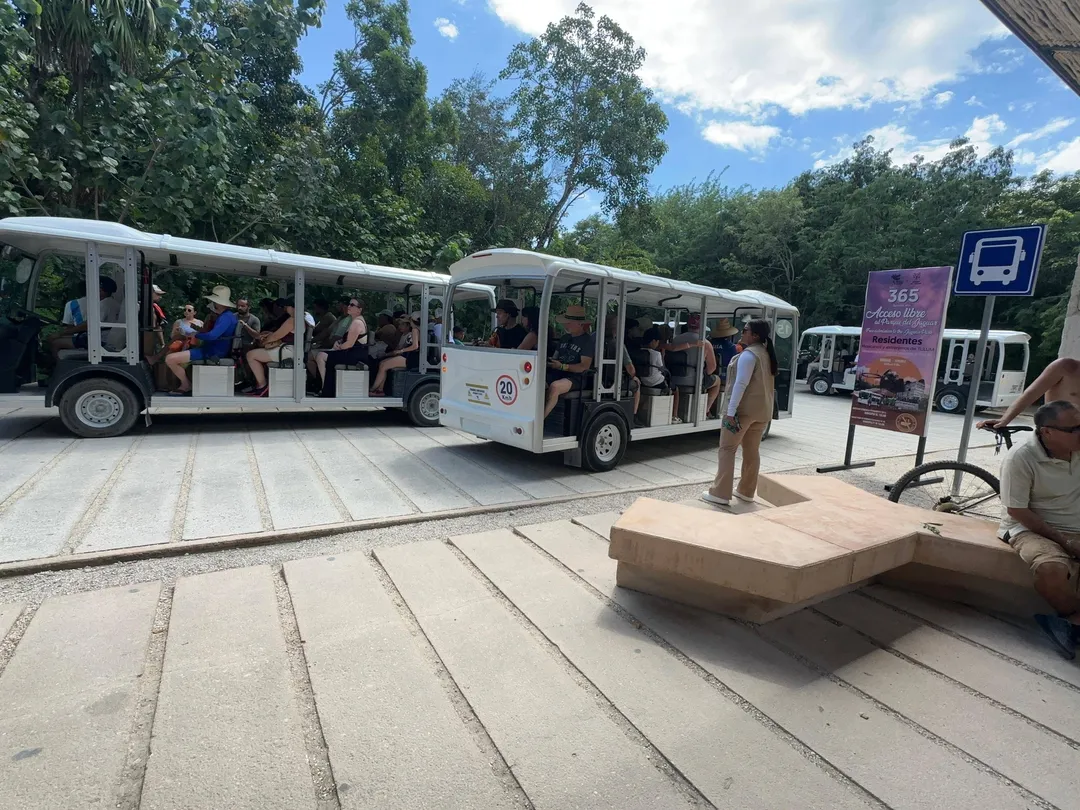
Operational disorganization at Tulum’s Parque del Jaguar is sparking fresh outrage as tourists are denied entry despite holding valid identification, exposing a damaging lack of unified criteria.
The incident, involving visitors from Veracruz, highlights a widening gap between official conservation policies and their inconsistent execution on the ground. This friction threatens the reputation of Tulum as a premium global destination. According to testimonies gathered at the scene, the confrontation occurred when the ticketing staff rejected the visitors’ identification as invalid. This happened despite security personnel previously assuring them the documentation was acceptable for entry into the natural area.
A Breakdown in Communication and Training
One person says one thing, and another says something completely different. They cannot agree, the frustrated visitors remarked to those nearby. Their expressions reflected a sentiment shared by many who have navigated the park’s new entrance protocols since their rollout. This experience is far from an isolated case in the sprawling reserve.
According to local residents and business owners who witnessed the exchange, such inconsistencies have become a recurring flashpoint. The friction exists between the park's grand conservation ambitions and its daily operational reality. Some locals, witnessing the distress of the travelers, even stepped in to offer public apologies on behalf of the community. We are a town that welcomes everyone, but when the rules are not followed uniformly, it makes us look like we are pushing people away, one resident noted.
This community-led apology underscores a growing concern among the population. The professional reputation of Tulum is at stake over basic administrative failures at its most visited sites. The specific core of the dispute centered on a driver's license. Security elements stationed at the outer perimeter informed the tourists that an expired license would not bar their entry. They stated it provided sufficient identification for the conservation area.
The Federal Oversight Challenge from GAFSACOMM
However, the civilian staff at the actual ticketing booth held a different view. This contradiction effectively left the visitors stranded at the gates of one of the municipality's most significant treasures. They had traveled hundreds of kilometers only to be turned away by a lack of internal communication. The Parque del Jaguar is currently under the administration of the Ministry of National Defense through the GAFSACOMM group.
This state-owned entity is tasked with managing strategic national infrastructure projects. These include the nearby Felipe Carrillo Puerto International Airport and sections of the Tren Maya. The federal oversight was intended to bring order and professionalization to the 2,260 hectares surrounding the Tulum Archaeological Zone. This transition has been fraught with operational growing pains that affect the visitor experience daily.
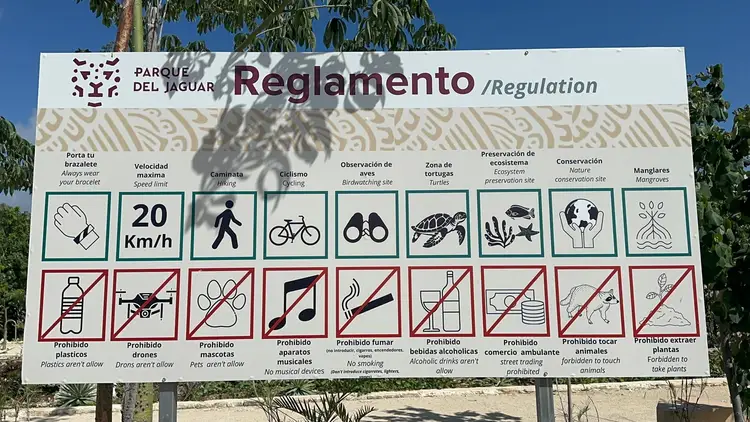
For decades, the road to the beaches of Tulum was a source of constant tension. The creation of the Parque del Jaguar in 2022 was meant to solve these conflicts by creating a unified park. Yet, as the recent incident demonstrates, the rules remain a moving target for the people responsible for enforcing them. Since 2025, the park has implemented a sophisticated tiered pricing system and specific identification requirements.
The Strategic Importance of Professionalism
Foreign visitors can expect to pay around 415 pesos for certain access areas. National tourists are charged approximately 255 pesos for the same entry. Residents of Quintana Roo are granted a discounted rate of around 105 pesos. They must prove their residency status with specific documentation to receive this benefit. The management of a national park is as much about hospitality as it is about biology.
When the federal government decided to consolidate the area, it did so with the promise of a world-class experience. This includes new bike paths and modern visitor centers. However, the human software has historically lagged behind the infrastructure hardware. For federal agencies like GAFSACOMM, the challenge is adapting a logistical mindset to the nuanced landscape of international tourism. In a military context, rules are often rigid and inflexible.
In a tourism context, rules must be clear, but personnel must be empowered to solve problems graciously. The rejection of the Veracruz tourists’ identification suggests a rigid adherence to poorly communicated rules. It does not reflect a commitment to the guest experience. While these measures are standard for high-value protected areas internationally, the lack of standardized training for front-line personnel is creating a bottleneck of confusion.
The Cost of Friction in a Global Market
In the high-competition world of Caribbean tourism, this experience friction is a strategic liability. For Tulum, a municipality whose economy is dependent on the influx of visitors, these operational lapses carry immediate and long-term costs. When a national tourist from Veracruz feels mistreated at a federal facility, they are unlikely to return. They are also more likely to voice their complaints in digital forums that influence thousands.
These inconsistencies do not just generate immediate annoyance; they change the very narrative of Tulum, noted an editorial analyst for The Tulum Times. If the gateway to our most precious natural asset feels disorganized, it erodes the premium promise. This promise justifies our prices and our position in the global market. Travelers rely heavily on instant social media feedback and travel review aggregators today.
The impact of a single negative experience at a major landmark can be amplified overnight. Potential travelers often weigh the hassle factor as much as the ticket price when choosing their next destination. The recurring issues at the Parque del Jaguar access points suggest that the solution is better execution. Experts in sustainable tourism management suggest that the park’s administration must pivot toward a visitor-centric model.
A Path Forward through Transparency
This new model must not sacrifice its conservation goals. To rectify the current situation, three immediate reforms are being called for by the local community. The first is unified and publicly accessible entry protocols. A clear set of rules regarding accepted identification must be published on official websites and displayed prominently at the physical entrance to the park.
Second, there must be inter-agency calibration. All personnel, including National Guard members and ticketing staff, must work from the same operational handbook. Finally, the establishment of an on-site relations desk would help handle disputes before they escalate. As the Parque del Jaguar matures as a flagship example of sustainable tourism, its success will be measured by the professionalism of its gates. Until the criteria for entry are as clear as the turquoise waters of the coast, Tulum risks losing its most valuable resource, the trust of the global traveler.
Have inconsistencies at Parque del Jaguar affected your travel plans? Join the conversation and share your perspective with us on Instagram and Facebook at @TulumTimes.

The Tulum Times · Newsletter
The story continues in your inbox.
Essential Tulum news and local insight, a few times a week. Free.
No spam. Unsubscribe anytime.
Parque del Jaguar Access, Fees, and Rules in Tulum
Coverage and practical guidance around Parque del Jaguar, public access rules, entry fees, closures, and the changing shoreline experience in Tulum.

“The best journalists reporting from paradise, highlighting the heroes that keep Tulum the most beautiful place in the world! THANK YOU!”