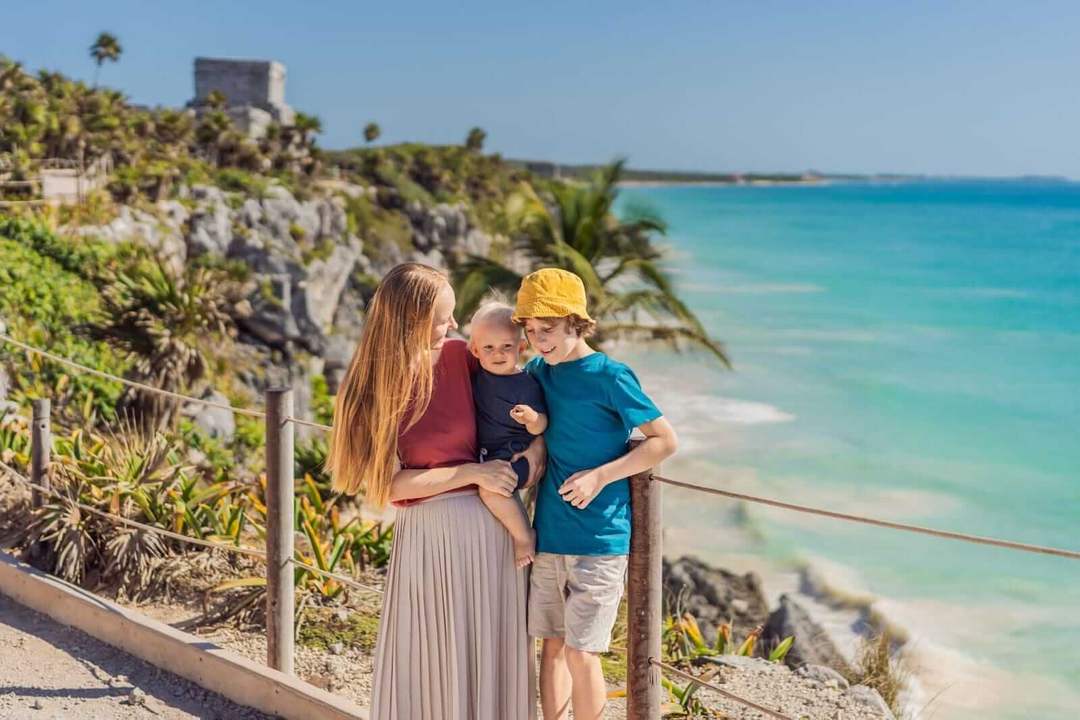

The upcoming Easter holiday brings thousands of international and domestic travelers to the Mexican Caribbean. However, the unpredictable arrival of sargassum on the coastline forces many visitors to rethink their daily itineraries. While beachfront activities naturally dominate the tourism discourse, the true crown jewels of the region lie just a few miles inland.
As visitors finalize their plans for Semana Santa in 2026, finding a reliable and pristine swimming environment is a top priority. The continuous influx of macroalgae can turn a tranquil beach day into a logistical challenge. Fortunately, the municipality of Tulum sits atop one of the most extensive and spectacular underground river systems on the planet. This geological reality offers the perfect sargassum-free alternative for travelers seeking crystal-clear waters.
Understanding the Sargassum Phenomenon
Sargassum is a type of brown macroalgae that floats in massive island-like masses across the ocean. Unlike other seaweeds that attach to the ocean floor, sargassum spends its entire life cycle floating on the surface. It originates primarily from the Sargasso Sea in the Atlantic Ocean and the Great Atlantic Sargassum Belt. This belt stretches from the coast of West Africa to the Gulf of Mexico.
The proliferation of these algae blooms has increased significantly over the past decade. Environmental researchers attribute this rapid growth to a combination of rising ocean temperatures and changes in global sea currents. Additionally, the discharge of nutrient-rich agricultural runoff from major river systems into the Atlantic creates an ideal feeding ground for the algae. As currents carry these massive mats into the Caribbean Sea, they eventually wash up against the eastern coast of the Yucatan Peninsula.

Consequences for Tulum Beaches
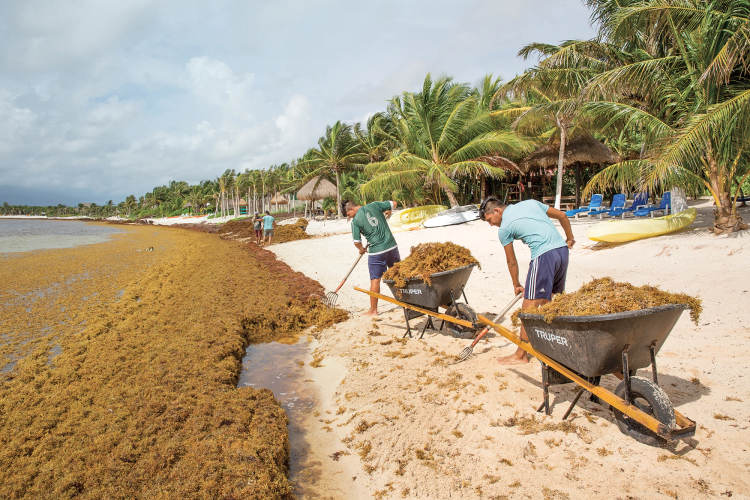
The impact of Sargassum on the coastal environment is complex. In the open ocean, these floating mats serve as vital habitats for marine life. They provide shelter for turtles, fish, and birds. However, the situation changes drastically when the algae accumulates on the beaches of Tulum.
As the sargassum begins to decompose on the shore, it consumes significant amounts of oxygen from the surrounding shallow waters. This decomposition process often harms local marine fauna and alters the color of the iconic turquoise sea. The algae also release hydrogen sulfide gas. This gas produces a strong odor that deters beachgoers and affects the overall tourist experience. Local authorities and private businesses invest heavily in daily cleaning efforts, but the massive volume of arriving algae often outpaces the removal capacity during peak seasons.
The Ultimate Alternative in Freshwater
With the beaches facing potential aesthetic and environmental challenges this Easter, tourists are turning their attention to the jungle. The Riviera Maya is renowned for its cenotes. These unique geological formations provide an otherworldly swimming experience that is entirely immune to the sargassum phenomenon.

What Are Cenotes?
A cenote is a natural sinkhole resulting from the collapse of limestone bedrock. This collapse exposes the groundwater situated underneath. The entire Yucatan Peninsula is essentially a massive limestone platform. Millions of years of rainfall have slowly dissolved the porous rock, creating an intricate network of underground rivers and subterranean caves.

When the roof of one of these underground caverns collapses, a cenote is born. They range from fully open natural pools to semi-open caves and completely enclosed subterranean caverns. The ancient Maya considered these sinkholes to be sacred portals to the underworld, known as Xibalba. Today, they serve as the most pristine and refreshing swimming locations in the region. The water filtering through the limestone is exceptionally clear and maintains a cool and refreshing temperature year-round.
Best Practices and Strict Packing List
Visiting a cenote requires a completely different preparation strategy than a typical beach day. These freshwater ecosystems are incredibly fragile and require strict conservation efforts from all visitors.
The most critical rule is to avoid the use of chemical products. Sunscreens, insect repellents, and body lotions introduce toxic chemicals into the enclosed aquatic environment, severely damaging the delicate ecosystem. Visitors must take a thorough shower in the facilities provided at the entrance before swimming. Touching the stalactites and stalagmites is strictly prohibited. The oils from human skin halt the natural mineral growth process that takes thousands of years. Bring your own towel. Rental towels run out very quickly during the peak Easter weekend, and many ecological parks do not offer them at all. * Pack a reusable water bottle. Single-use plastics are strictly banned at most locations to prevent littering in the jungle.

Semana Santa Survival Tactics: Timing and Logistics
Navigating Tulum during the peak chaos of Easter requires actionable survival tactics. Proper logistical planning makes the difference between a pristine jungle retreat and a frustrating waiting game.
First, you must understand that cash is the undisputed king in the jungle. The vast majority of cenotes do not accept credit cards or digital payments. Furthermore, automated teller machines in the hotel zone and downtown frequently run out of cash during Semana Santa. Visitors must explicitly plan to withdraw Mexican Pesos in a major bank the day before their trip. Bring small denominations to cover the typical 200 to 500 MXN entrance fees, plus extra for lockers, life jacket rentals, and local food vendors.
Second, transportation is a major hurdle. Taxis directly to cenotes during Semana Santa are exorbitantly expensive and heavily subject to surge pricing. For independent travelers, renting a scooter or a car provides the ultimate freedom to explore, though parking lots fill up instantly. Alternatively, taking a local public van from the main highway provides a highly economical choice, though it requires walking up to a mile from the drop-off point to the actual entrance under the tropical sun.
Finally, timing is everything. If you plan to visit a world-famous location, arriving directly at the opening time of 8:00 AM is non-negotiable. Arriving at 10:00 AM almost guarantees spending two hours in a standing line just to enter the water.
Top Cenotes to Visit This Easter in Tulum
Travelers looking to bypass the coastal sargassum will find an abundance of cenotes located just a short drive from the center of Tulum. Since the famous locations will be crowded, adding a few hidden gems to your itinerary provides the perfect escape hatch.
Gran Cenote and Dos Ojos: The Famous Giants
Gran Cenote and Dos Ojos are the most globally recognized sinkholes in the area. Gran Cenote features a perfect mix of open-air sections and cavernous areas shaded by stalactites, making it a favorite spot for snorkeling alongside small turtles. Dos Ojos is world-renowned among cavern divers for its extensive underwater cave systems, while snorkelers enjoy the contrast between dark caverns and bright blue water illuminated by natural light. Because these are the crown jewels of Tulum tourism, they operate at absolute maximum capacity during Easter. Only go here if you commit to arriving at the exact minute the gates open.

Cenote Taak Bi Ha: The Hidden Cavern Escape
For an experience far away from the massive crowds, Cenote Taak Bi Ha provides a stunning underground retreat. Located deep within the Dos Ojos park system, this enclosed cavern is managed by a local Mayan community. Because it requires traveling further down a dirt road, large tour buses rarely stop here. The entire cenote is housed inside a spectacular cave filled with intricate rock formations and crystal-clear shallow water. The atmosphere remains peaceful and deeply sacred, making it the perfect low-density alternative for Semana Santa.
Cenote Corazón del Paraíso: The Relaxed Alternative
Situated just a few minutes south of Tulum town, Cenote Corazón del Paraíso translates to Heart of Paradise, named for its natural heart shape when viewed from above. It acts as a massive natural swimming pool surrounded entirely by lush green jungle and wooden boardwalks. Since it is entirely open-air, the solar-heated surface water is warmer than the underground caverns. It remains highly accessible but never feels quite as commercially overwhelming as the major parks, providing an excellent relaxed spot for an afternoon picnic.

The Muyil Canals: A Float Through the Biosphere
For travelers willing to drive just 20 minutes south of Tulum town, the Sian Ka'an Biosphere Reserve offers an entirely different freshwater experience. The archaeological site of Muyil borders a series of breathtaking freshwater lagoons. Visitors can hire local cooperative boats to cross the open water and reach ancient canals carved by the Maya over a millennium ago.
Once at the canals, visitors strap on a life jacket like a diaper and simply float down the gentle, crystal-clear current as it winds through the dense mangrove forest. This serene, natural lazy river is utterly insulated from coastal seaweed issues. Because the biosphere is strictly protected, the ecosystem remains immaculate, making it one of the most unique and peaceful excursions available in the entire Mexican Caribbean.

Interactive Tulum Cenotes Guide
Navigating the extensive network of sinkholes can be challenging for first-time visitors. To assist your Easter planning, we recommend utilizing digital mapping tools to build your daily itinerary. Plotting your locations in advance helps manage travel times along the busy Highway 307.
We encourage visitors to use this Interactive Google Map of Tulum Cenotes to find the closest locations to their accommodations. This digital guide acts as a reliable companion for plotting out multiple stops in a single day, ensuring you never miss a hidden gem while avoiding the affected coastal areas.
Switching focus from the beach to the jungle transforms an unpredictable vacation into an unforgettable adventure. By understanding the logistics and knowing exactly where to go, the cenotes of Tulum stand as a testament to the diverse natural beauty of the region, guaranteeing a perfect holiday regardless of the coastal seaweed conditions.
How are you planning your Easter itinerary around the Riviera Maya jungle this year? Join the conversation and share your perspective with us on Instagram and Facebook at @TulumTimes .
The Tulum Times · Newsletter
The story continues in your inbox.
Essential Tulum news and local insight, a few times a week. Free.
No spam · Unsubscribe anytime · 100% free
Tulum Sargassum Updates and Beach Conditions
Live seaweed conditions, cleanup updates, forecasts, and practical beach planning across Tulum and the Riviera Maya.
Support The Tulum Times
Independent journalism takes time and resources. If you found this article valuable, consider supporting our work!
Buy us a taco 🌮“The best journalists reporting from paradise, highlighting the heroes that keep Tulum the most beautiful place in the world! THANK YOU!”