

Tulum now has 5,119 active vacation rental units, a figure that places it third in Quintana Roo and that has turned the destination into a warning sign for the short-term rental model just as visitor demand weakens.
The number comes from industry data cited by José Manuel Lozano Álvarez, president of the Association of Vacation Rental Managers, known as APAR. It puts Tulum behind only Cancún and Playa del Carmen in the state's short-term rental landscape.
That total matters most when measured against traditional lodging. According to the Quintana Roo Tourism Secretariat, Tulum has 11,993 hotel rooms across 239 hotels. Vacation rentals now represent close to half the size of the city's entire hotel-room inventory, crowding a market shared by visitors, owners, managers, developers, and hotels.
Why Tulum vacation rentals outgrew demand
Lozano Álvarez described Tulum as a cautionary example for the vacation rental industry. After years of rapid growth, strong returns, and investor enthusiasm, the destination is absorbing the combined weight of oversupply, high prices, weaker occupancy, security concerns, transportation complaints, beach-access frustration, and heavy sargassum arrivals.
The slowdown started about three years ago, he said, and grew far more visible in 2025.
Pricing tells part of the story. Tulum vacation rentals average roughly 2,200 pesos per night, with many stays running two to five days. That rate fit the boom years, when Tulum's image as a stylish, eco-chic escape pulled in music festivals, wellness travelers, digital nomads, luxury tourists, and real estate investors. The market it was built for no longer behaves the same way.
The real cost of a Tulum trip
Travelers now have more choices across the Mexican Caribbean, and many are weighing the full price of a trip rather than the nightly rate alone. In Tulum, that final bill also includes taxis, beach access, restaurant prices, park entrance fees, sargassum conditions, and the basic ease of getting around. For a growing share of visitors, the math has stopped adding up.
The deeper problem is structural. Tulum did not simply add rentals. It built a real estate narrative around them. Studios, lofts, jungle condos, and investment apartments were marketed with promises of high short-term income. Many were designed for visitors, platforms, and investors rather than for residents or long-term community needs.

More inventory is still coming
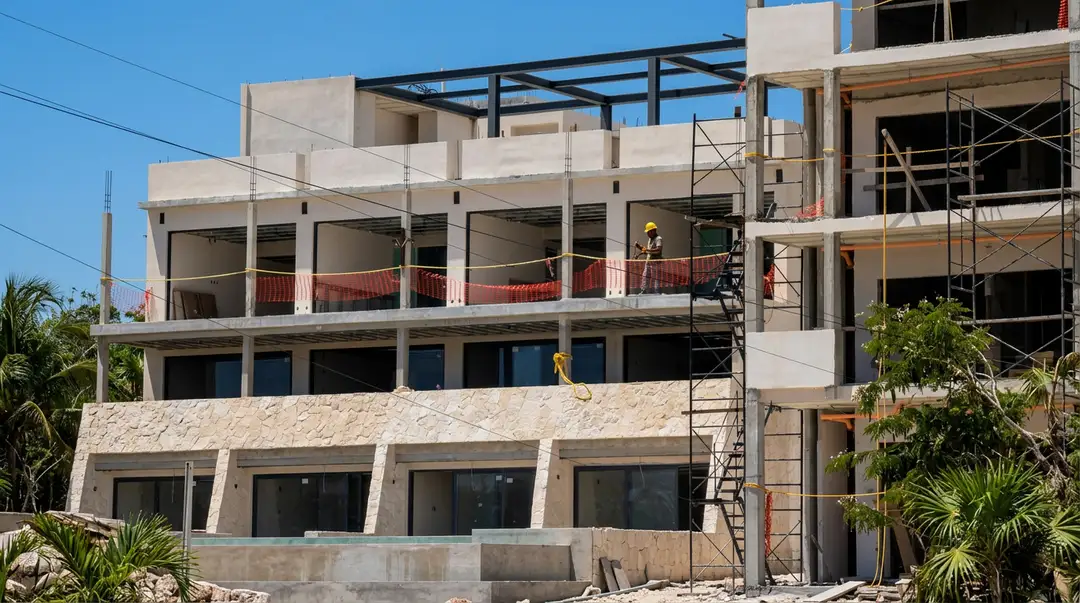
With more than 100 real estate projects reportedly still under development, the pressure looks set to continue. Additional supply could push rates lower, sharpen competition, and leave weaker properties fighting to be noticed.
The hotel sector has voiced parallel concerns. Hotels operate under stricter rules covering staffing, permits, safety standards, tax obligations, and public-facing service. Short-term rentals have been harder to regulate, fueling tension between traditional operators and rental platforms.
A slowdown bigger than rentals
The vacation rental sector is not the sole cause of Tulum's troubles. Reports through 2025 showed hotel occupancy dropping sharply against the prior year, while local businesses pointed to sargassum, high prices, reduced air connectivity, taxi fare disputes, beach-access disputes, security concerns, and a changing visitor experience.
Tulum's brand also became a casualty of its own success. The qualities that made it famous, the music, beach clubs, wellness scene, exclusivity, and curated bohemian glamour, also made it expensive and, for some travelers, exhausting. What once felt distinctive started to feel overbuilt and hard to navigate.
Lozano Álvarez tied part of Tulum's rise to the electronic music festival boom, which drew high-spending visitors and global attention. That same wave accelerated development, speculation, and a party-destination image that did not always serve the wider community.
Where Tulum goes next
APAR still sees reasons for optimism. Tulum International Airport, which began operations in late 2023 and added international flights in 2024, could support a recovery if connectivity improves and the market corrects. Direct air access gives Tulum a chance to attract visitors on its own rather than depending on arrivals through Cancún. An airport alone, though, will not fix the underlying imbalance.
The lesson is becoming clear. Growth without planning eventually turns expensive. A healthy rental market needs more than new buildings and polished photography. It needs infrastructure, fair regulation, reliable transportation, public beach access, environmental management, realistic pricing, security, and an experience that visitors believe is worth the cost.
Tulum is far from finished. It remains one of Mexico's best-known destinations, with extraordinary natural and cultural appeal. The easy-money phase of the rental boom, however, appears to be over. What follows depends on whether the destination can move from speculation to sustainability, and from selling the idea of Tulum to improving the reality of being there.
Has Tulum priced itself out of reach for the travelers who once made it famous? Join the conversation and share your perspective with us on Instagram and Facebook at @thetulumtimes.
This image was generated or enhanced using artificial intelligence to improve its quality.

The Tulum Times · Newsletter
The story continues in your inbox.
Essential Tulum news and local insight, a few times a week. Free.
No spam. Unsubscribe anytime.
Tulum Real Estate, Development, and Investment Context
Reporting and analysis on property, permits, development risk, legality, market trends, and investor context in Tulum.

“The best journalists reporting from paradise, highlighting the heroes that keep Tulum the most beautiful place in the world! THANK YOU!”