
Maya Train, Tulum Station, and Regional Connectivity
Coverage of the Maya Train, stations, routes, travel changes, and infrastructure decisions affecting Tulum.
80 linked stories · archive page 2 of 4
79 stories · Page 2 of 4
Environment & Nature
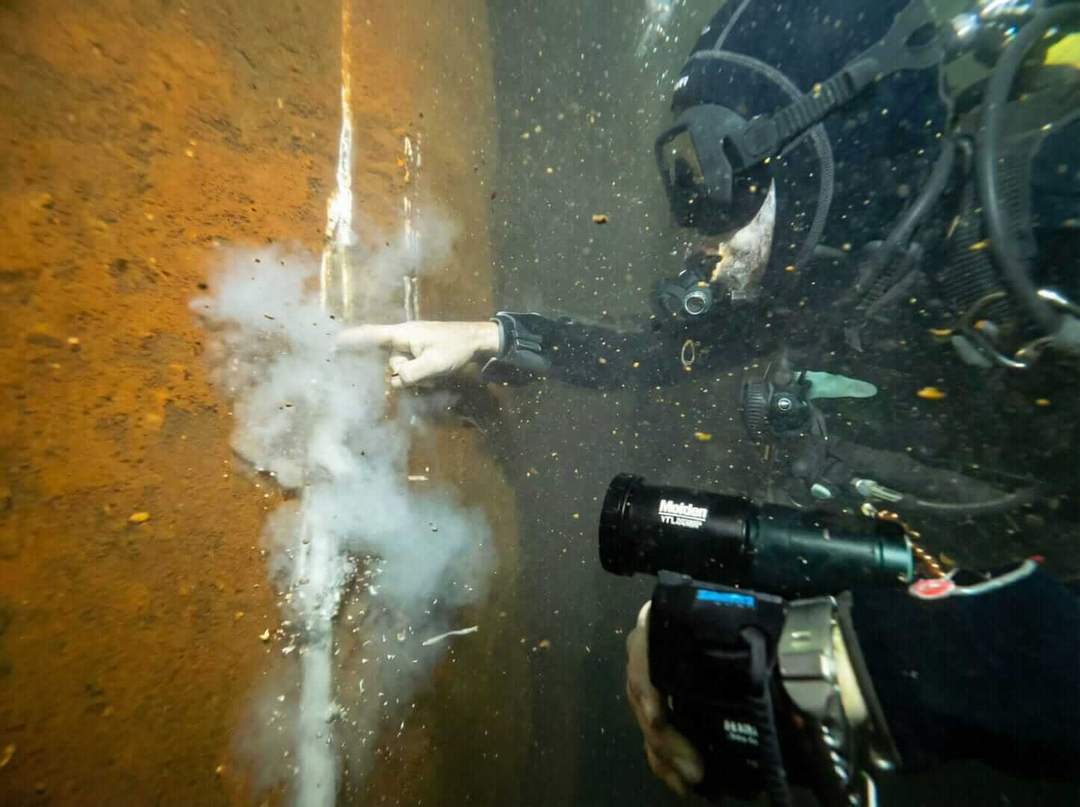
Damaged Tren Maya columns remain unrepaired on Section 5 South




Riviera Maya Travel
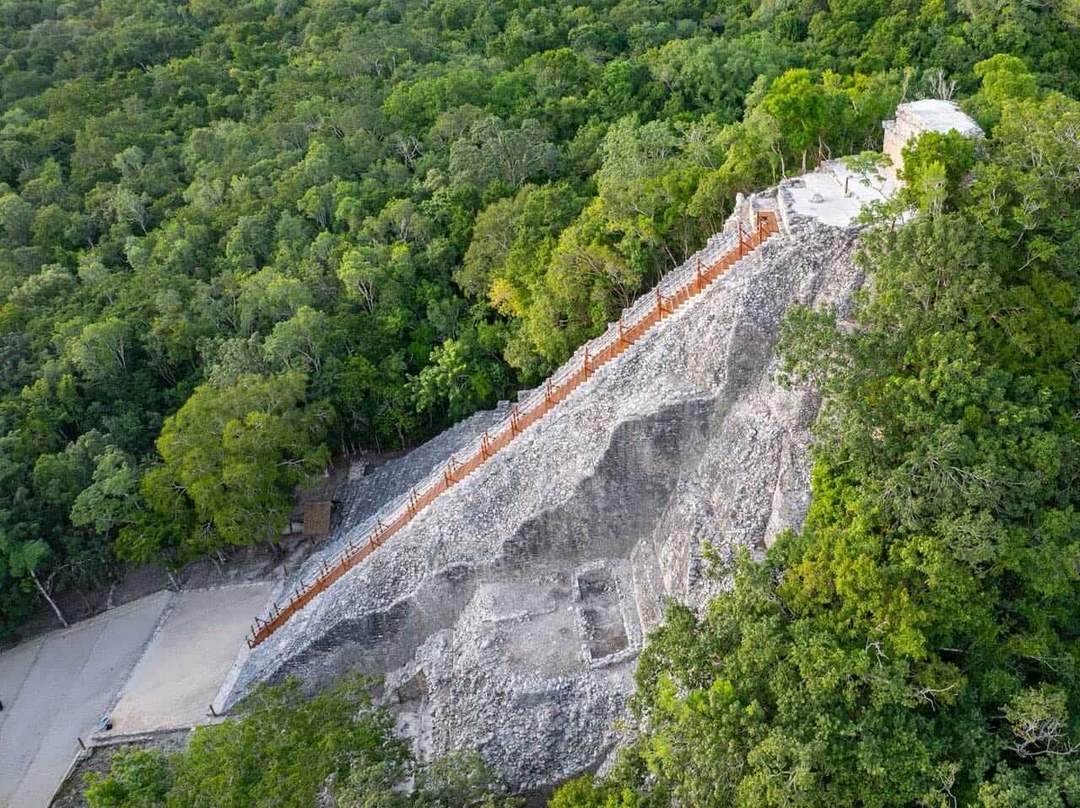
Nohoch Mul Pyramid Reopening Draws Tourists Back to Tulum

Riviera Maya Travel
Chichén Itzá leads again while Tulum struggles to rebound

Riviera Maya Travel
Tulum archaeological zone struggles to recover pre-closure visitor levels



Politics
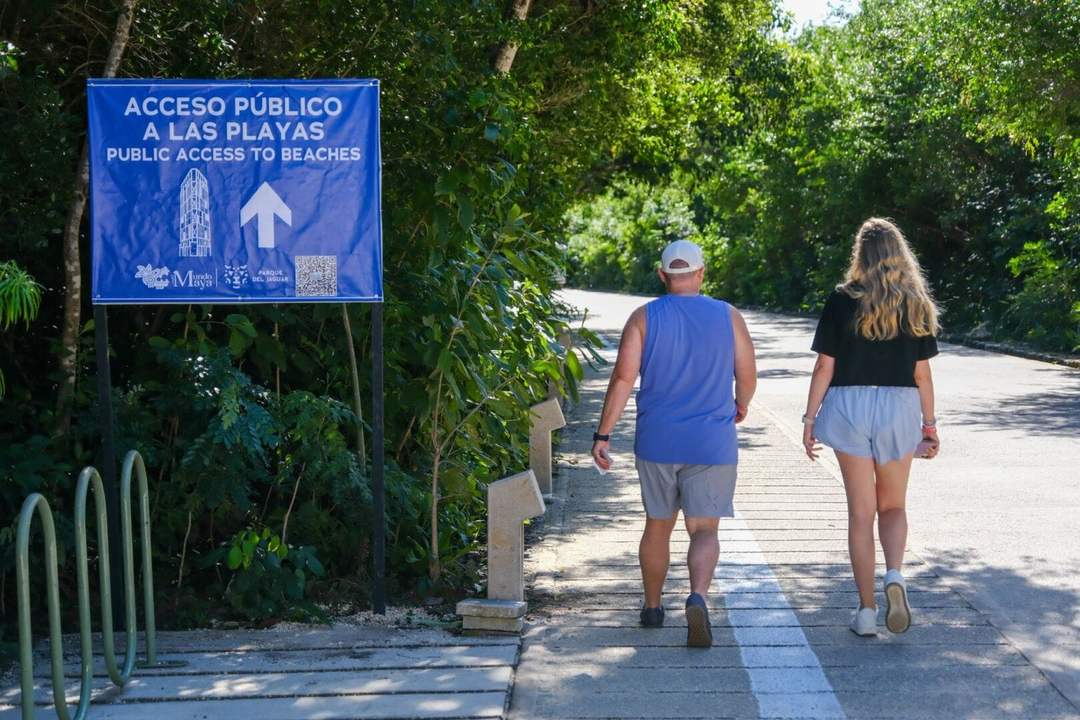
Government Confirms Free Beach Access Now Available in Tulum
Tulum opened new public access points to its beaches inside Parque del Jaguar, restoring free entry for residents and visitors.
Society
New routes give public access to beaches inside Parque del Jaguar
Tulum expands public access with new accesos libres a las playas de Tulum, opening two permanent corridors inside Parque del Jaguar for residents, tourists, and artisans.

Environment & Nature
Aktun Chen in Tulum receives green light from Semarnat
Semarnat authorized the Aktun Chen ecotourism park in Tulum after previous Profepa sanctions, granting 18 months for regularization and 50 years of operation under new environmental compliance rules.

Politics
Lessons from Tulum’s Urban Reckoning for Global Tourism
Tulum faces a tourism and urban crisis rooted in unchecked expansion. The government seeks to correct a development model that blurred the line between growth and sustainability.
Politics
Parque del Jaguar review signals shift in federal tourism policy
Tulum faces a reckoning as overdevelopment and poor planning strain its growth model, forcing Mexico to rethink how tourism, territory, and community can coexist sustainably.
Real Estate
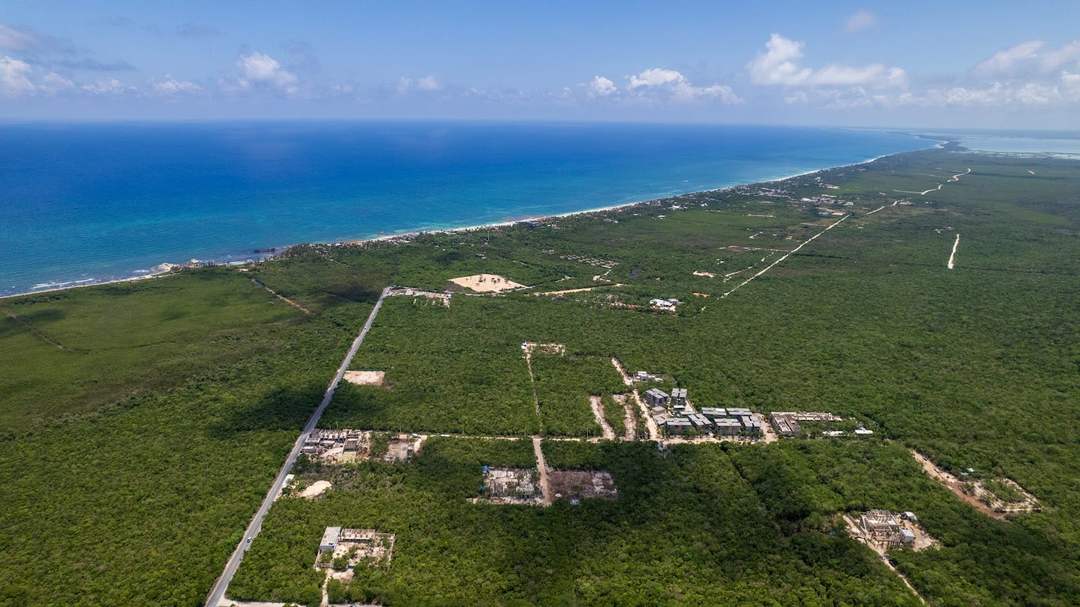
Developers warn Tulum’s growth could exceed infrastructure limits
Developers warn that the future of Tulum depends on reinforcing urban infrastructure before uncontrolled growth surpasses capacity, as real estate projects multiply across Quintana Roo.
Businesses
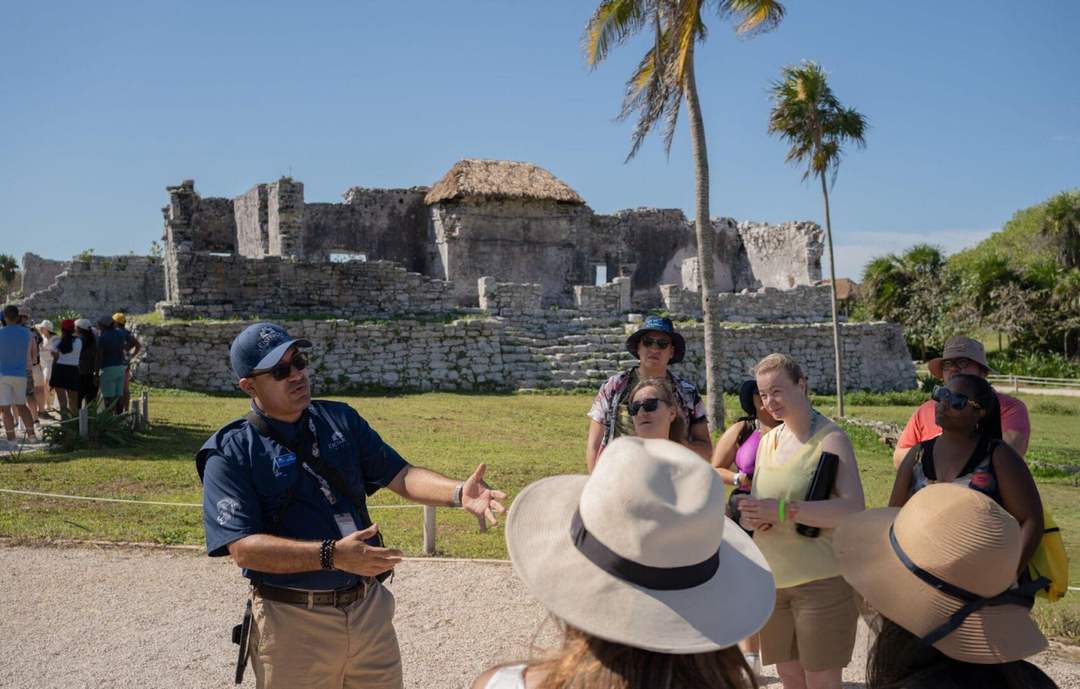
Tulum tour operators brace for visitor decline after fee hike
Tulum’s guides warn that Mexico’s new archaeological entry fees for foreign tourists could reduce competitiveness and arrivals, as federal policies link the increases to the Tren Maya project.

Society
Crisis in Tulum? The truth behind the viral video
Despite viral claims of a tourism crisis in Tulum, data reveals stable occupancy and strong arrivals, suggesting a manufactured narrative driven by politics, not reality.

Art & Culture
Maya communities in Quintana Roo fight unauthorized use of cultural heritage
Mayan communities in Quintana Roo have filed a copyright complaint to halt the unauthorized use of their cultural heritage in the Maya Ka’an tourism project.