Businesses
Tourism in Tulum rises after months of decline
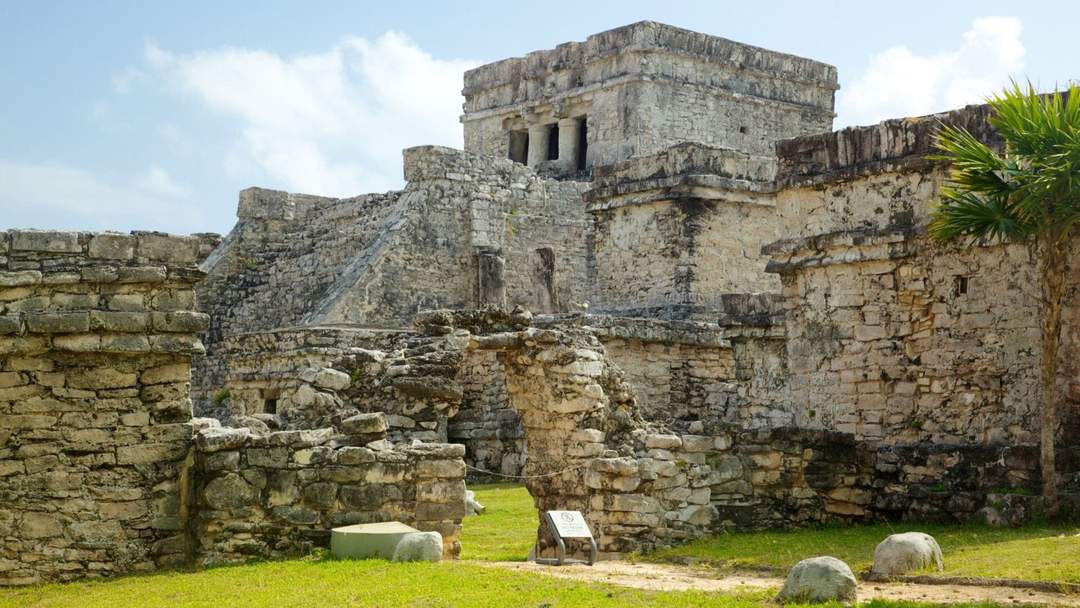
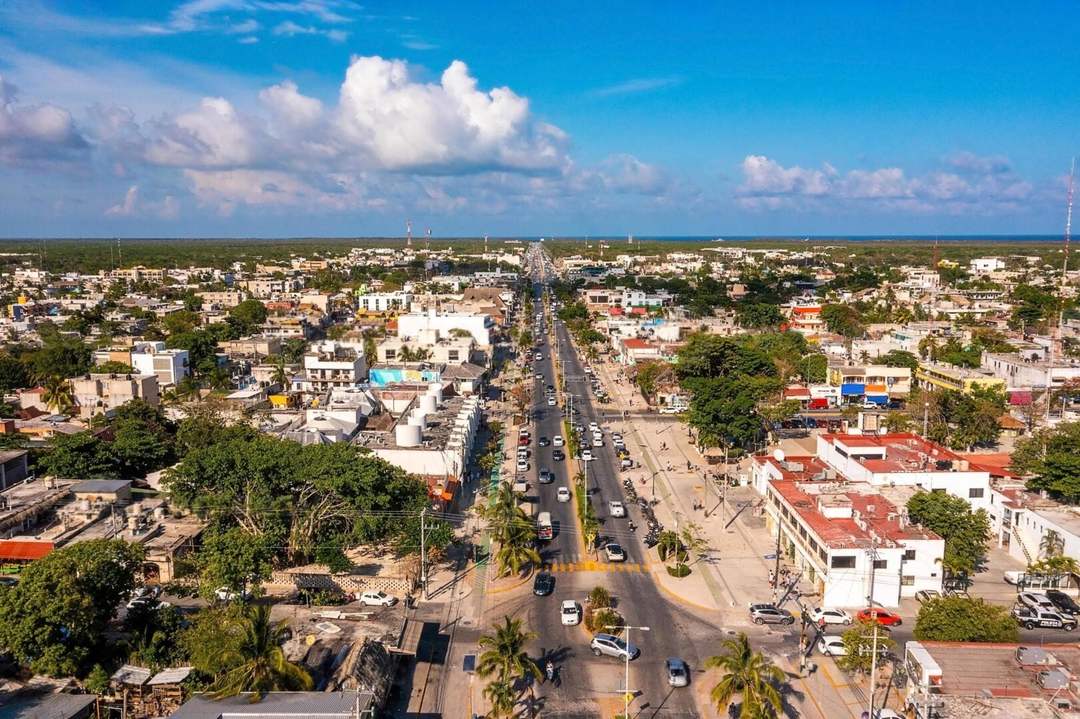
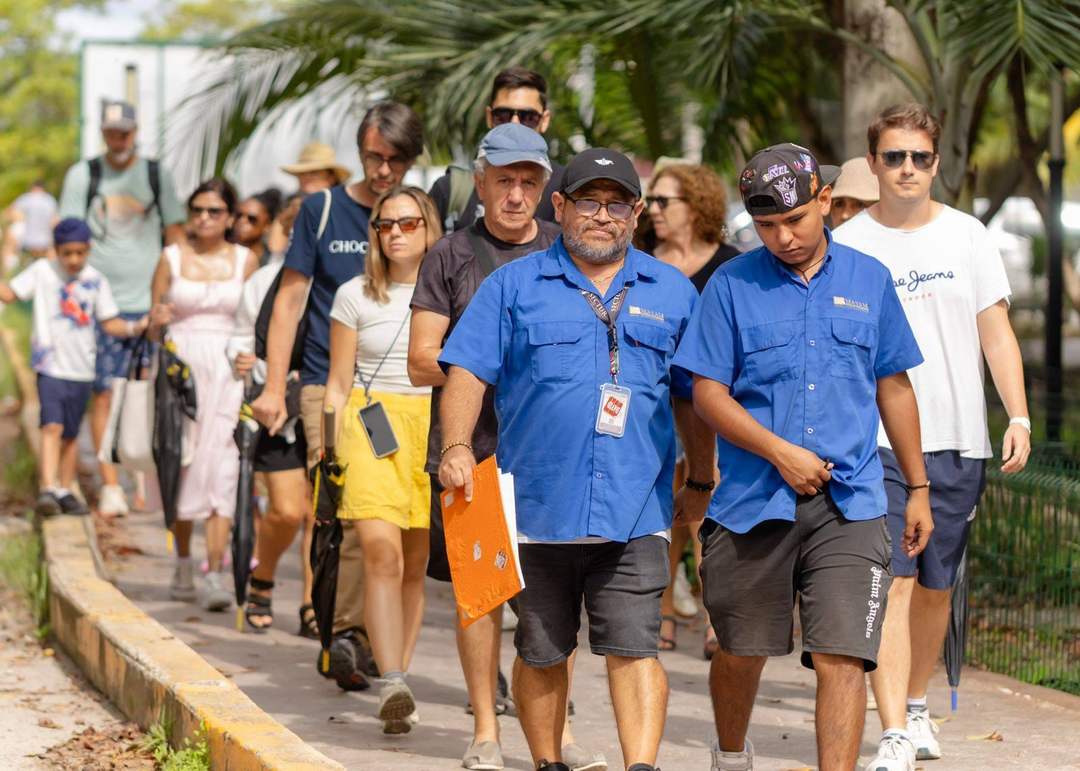
Tourism in Tulum shows a modest rebound as free entry to the archaeological site draws more visitors, offering hope for local businesses after a difficult season in Mexico’s Riviera Maya.
Guides, access updates, regulations, and practical planning around cenotes and the Tulum archaeological zone.
513 linked stories · archive page 10 of 26
Tourism in Tulum shows a modest rebound as free entry to the archaeological site draws more visitors, offering hope for local businesses after a difficult season in Mexico’s Riviera Maya.
Tulum 101 introduces a new era of sustainable luxury in the Mexican Caribbean, where design, comfort, and nature coexist. 101 Park embodies this vision, redefining modern living in the heart of Tulum.
Mexico’s tourism ministry reopens Tulum public beaches, ending restrictions by Jaguar Park and ensuring free access for visitors while aiming to revive the local economy.
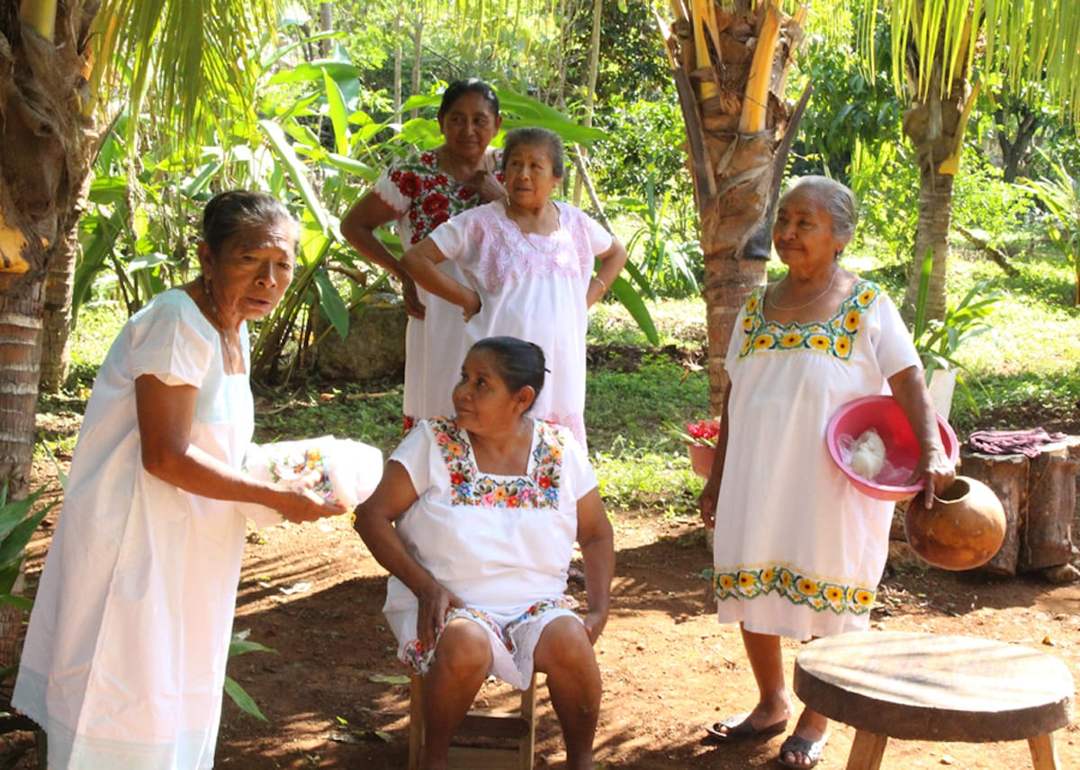
Maya communities in Tulum still lack access to clean water, lighting, and waste collection, exposing persistent inequality despite official claims of inclusion and growing tourism revenue.
Semarnat authorized the Aktun Chen ecotourism park in Tulum after previous Profepa sanctions, granting 18 months for regularization and 50 years of operation under new environmental compliance rules.
Tulum’s rapid tourism growth is polluting its underground water, as overwhelmed sewage systems leak into cenotes and the sea, threatening the Riviera Maya’s ecosystem and economy.
Tulum faces a tourism and urban crisis rooted in unchecked expansion. The government seeks to correct a development model that blurred the line between growth and sustainability.
Tulum faces a reckoning as overdevelopment and poor planning strain its growth model, forcing Mexico to rethink how tourism, territory, and community can coexist sustainably.
Tulum’s tourism decline highlights the tension between conservation and accessibility as new management fees at Parque del Jaguar deter visitors and disrupt the Riviera Maya’s cultural economy.
From Tulum to Dubai, discover how renting a car in Dubai opens the door to unforgettable adventures across the UAE’s deserts, cities, and coastline.
Mexico’s updated Federal Rights Law could double entry fees for foreign visitors at the Tulum archaeological zone, signaling a nationwide shift in how the country funds cultural heritage.
Tourism in Tulum remains strong as officials project 90% occupancy to end 2025, despite sargassum and what Mayor Diego Castañón calls a “media crisis” challenging the destination’s reputation.
Mexico’s reform to the Federal Rights Law raises admission prices at INAH museums and archaeological zones, including Tulum and Teotihuacán, sparking debate over access and conservation.
Mexico’s Tourism Ministry has launched a coordinated plan to restore visitor flow and economic confidence in Tulum after months of decline, aiming for a sustainable recovery across the Riviera Maya.
Passenger traffic to Tulum has dropped by up to 20 percent, according to ADO, as the company shifts strategy with holiday promotions and a growing digital user base in Yucatán.
With over 1.2 million visitors in 2025, Tulum is rethinking its tourism model, focusing on public beach access, sustainable transport, and shared prosperity for its local community.
Tulum faces backlash over new beach access rules as President Sheinbaum denounces illegal restrictions. With tourism in decline, the crisis raises questions about fairness and the future of the Riviera Maya.
Gerry Sánchez claims Tulum’s crisis stems from spiritual missteps, sacred spaces opened without closure, replaced rituals, and the energetic consequences of disrespecting a sacred land.
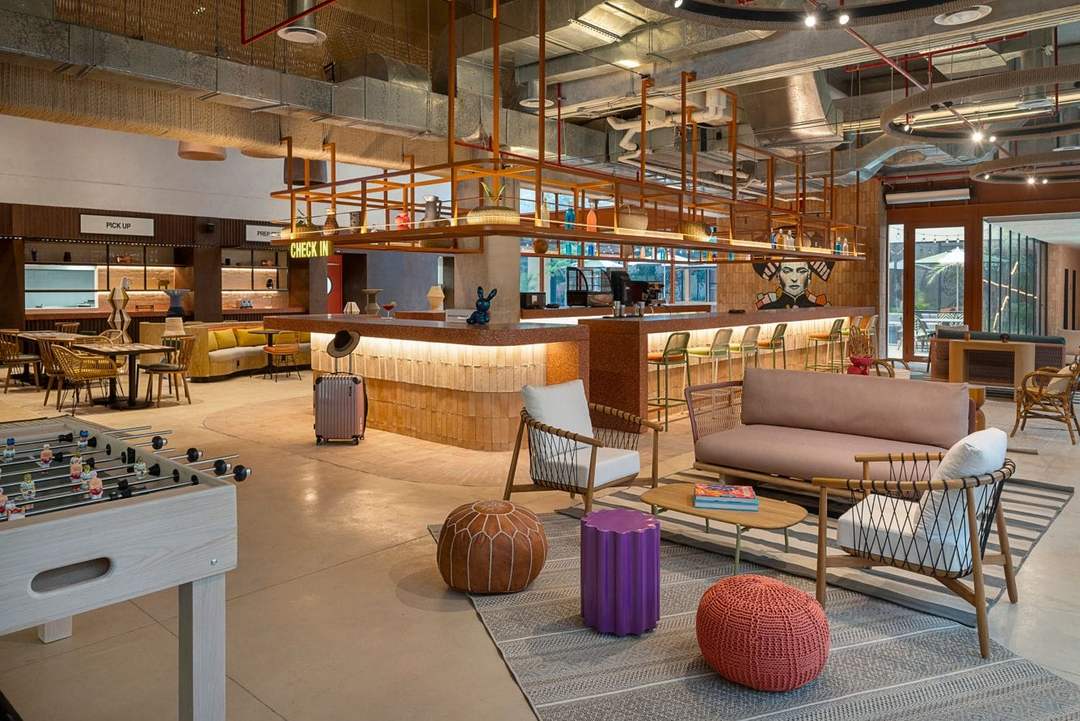
Marriott opens Moxy Tulum, its first hotel in the Caribbean and Latin America, bringing bold design and social energy to the Riviera Maya’s hospitality scene.
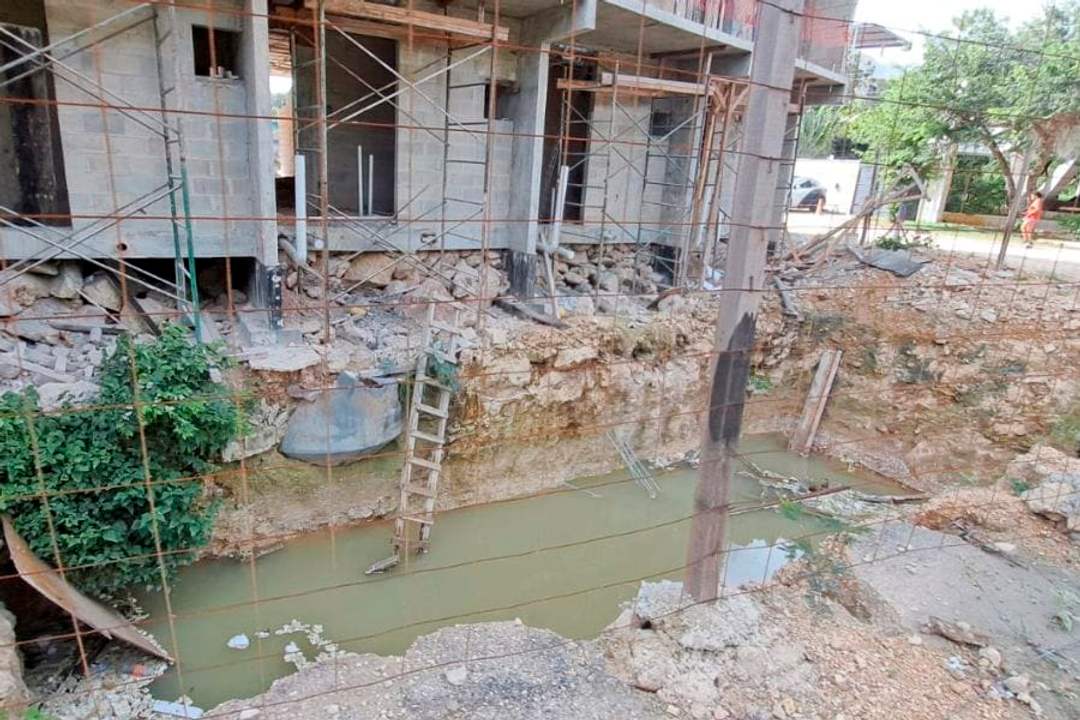
Tulum faces a critical moment with over 560 developments in progress. Real estate leaders call for a total infrastructure reengineering to avoid collapse and preserve the Riviera Maya jewel.