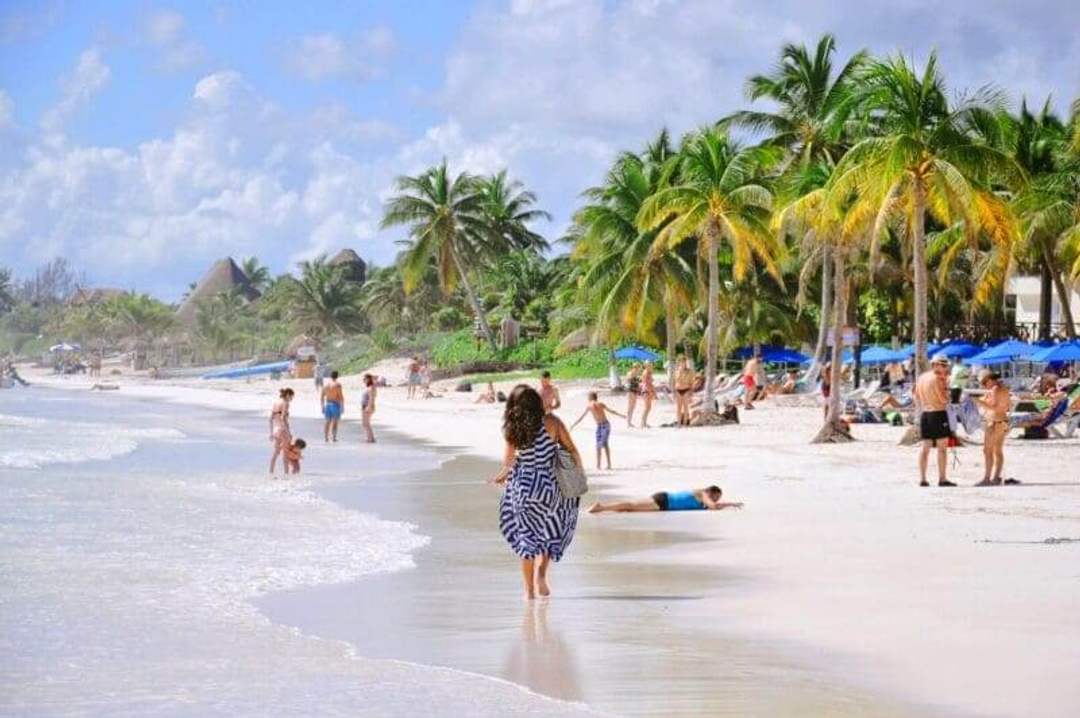
Tourism officials deny a crisis in Tulum, pointing to seasonal lows and ongoing plans to improve infrastructure, service, and public beach access in the Riviera Maya’s fastest-growing town.
Tulum is back, with clearer beaches, lower prices, and a renewed local spirit. Discover why fall 2025 might be the best time to visit this Caribbean gem in transformation.
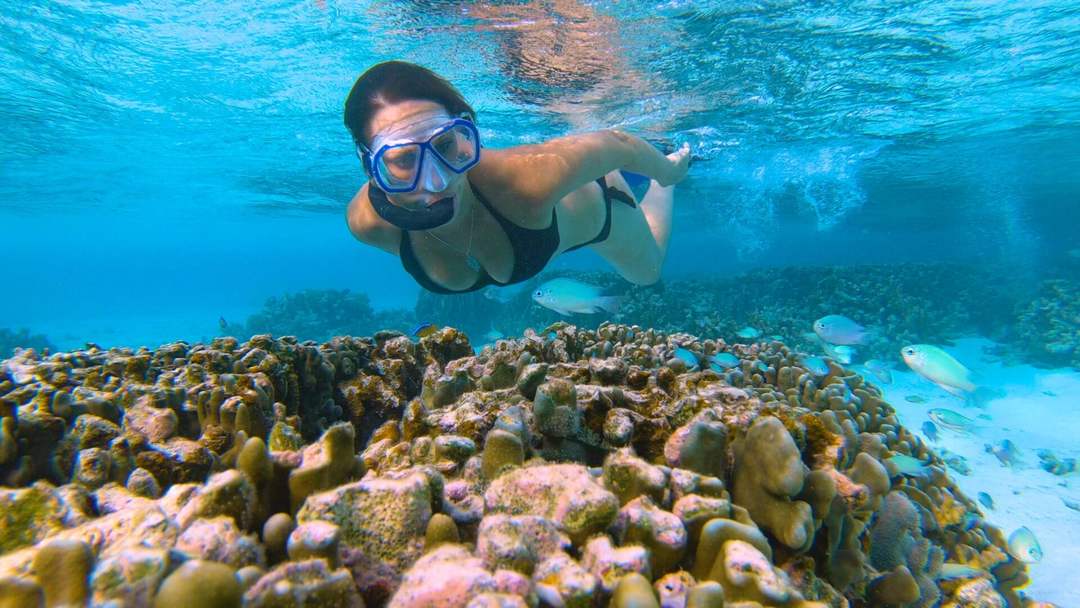
Tulum coral bleaching is spreading across shallow reefs in the Riviera Maya, with divers reporting rapid damage tied to wastewater and careless tourism, a threat to Quintana Roo livelihoods and Mexico tourism.
Tulum tourism 2025 faced a hard summer, yet locals, officials, and hotels are opening beaches, backing artisans, and rebuilding trust to welcome travelers again across the Riviera Maya and Quintana Roo.
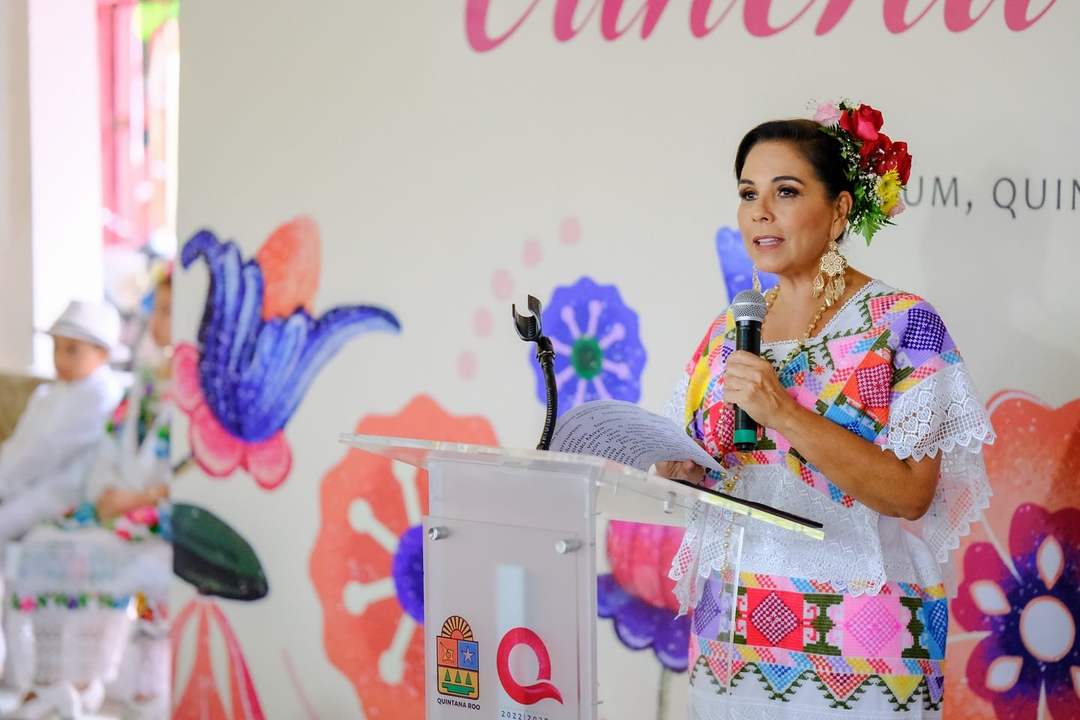
Governor Mara Lezama reaffirms her commitment to public beach access in Tulum, leading coordinated efforts to guarantee free, safe, and sustainable entry for residents and visitors in Quintana Roo.
Tulum hotels cautiously support Mexico’s new beach access law, but call for shared responsibility as infrastructure, regulation, and visitor experience all hang in the balance.
Tulum councilor Eugenio Barbachano warns that poor management of Jaguar Park and federal projects like Tren Maya and the airport are crippling local tourism and visitor numbers.
Tulum doesn’t need a rebrand, it needs to honor the promises that made it magical: public beaches, fair prices, transparent rules, and the trust that once made visitors feel at home.
Mexico’s Congress passed a reform to guarantee free public beach access. Tulum leaders praised the move, calling it a vital step for equality, tourism, and environmental justice.
Tulum Mayor Diego Castañón led the push behind a new Mexican law that guarantees free and dignified access to beaches, a historic move with nationwide impact for coastal communities.
Parque del Jaguar in Tulum faces a tourism and labor crisis as Mundo Maya begins layoffs. Deserted facilities, privatized beaches, and worker protests raise urgent questions for Quintana Roo.
Mexico approved a reform guaranteeing free access to all beaches and protected areas, following a Tulum-led initiative aiming to end private restrictions in Quintana Roo.
Mexico advances a new law for free beach access in protected areas, driven by Tulum’s mayor and supported nationwide. This could reshape tourism and public rights along the coastline.
Tulum’s beaches are legally public, but as high season nears, residents worry that recent gains like free Sundays and open beach clubs might vanish under tourist demand.
A proposed reform could guarantee free access to Mexico’s beaches once a week, challenging rising fees in places like Tulum and sparking a debate over public rights and conservation.
Over a dozen Tulum hotels and beach clubs have removed cover fees and minimum consumption rules in a joint move to make the Riviera Maya’s beaches more accessible and inclusive.
Volunteers in Tulum removed 206 kg of trash from Tankah beach, a key turtle nesting site, in a cleanup organized by the Sea Turtle Conservation Program Riviera Maya Tulum.
Spain’s ambassador met with Tulum’s mayor to strengthen tourism and tackle sargassum. The diplomatic meeting marks a potential shift in global partnerships for Quintana Roo.
Tulum will open a new public beach access within weeks, offering locals and tourists free entry, lifeguards, parking, and services—part of a push for dignified coastal access in Quintana Roo.
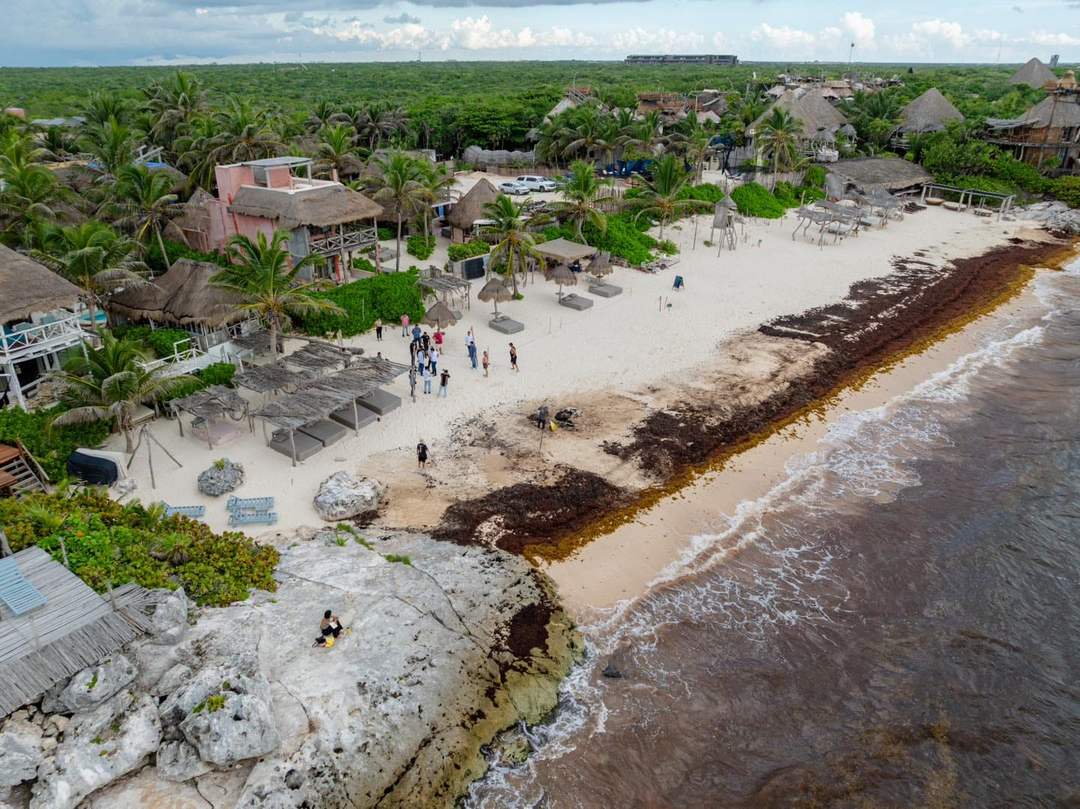
Tulum’s lancheros face a crisis as beach access fees and sargassum keep tourists away, leaving boats docked and families struggling to survive in Mexico’s once-thriving coastal hotspot.