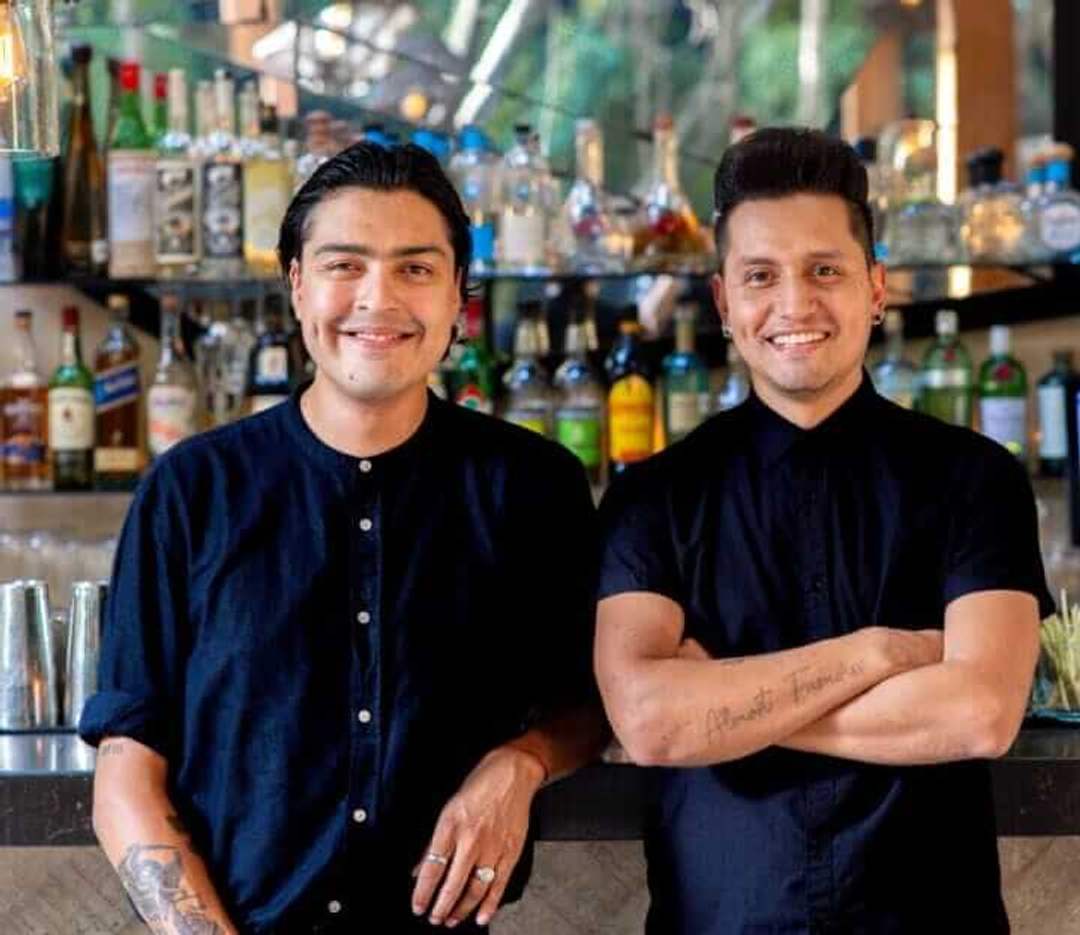
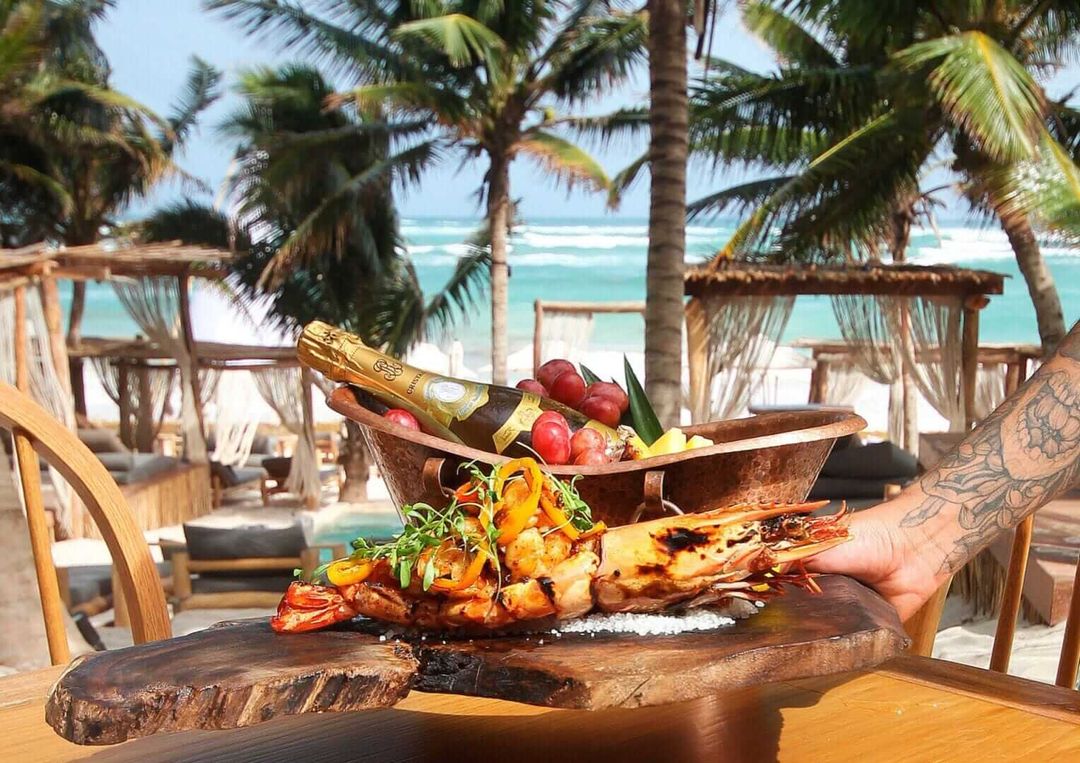
Somewhere between the hiss of a wood-fired grill and the crackle of a handmade tortilla hitting hot stone, Tulum Mexican cuisine continues to carve its legend. In 2025, it isn’t just food, it’s a reckoning. It’s where ancient agricultural wisdom collides with tasting menus, where the sacred milpa grows next to pop-up cevicherías. Where your tongue becomes the archivist of a thousand-year history, and every bite might as well be a timestamp.
Where the Ancients Still Cook
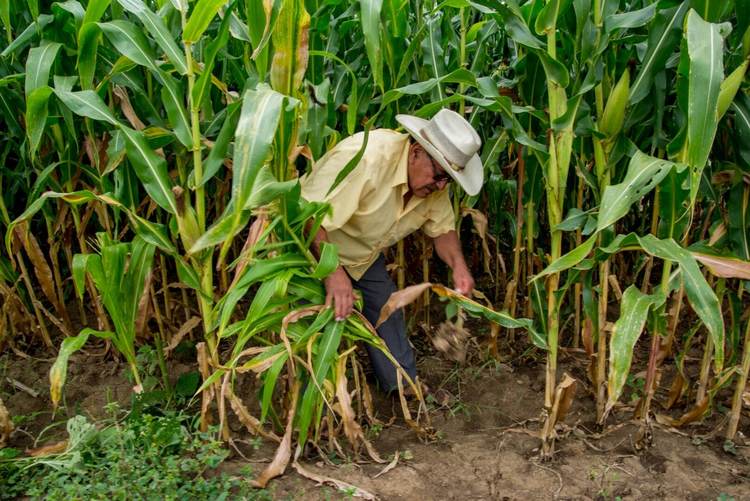
Long before the eco-resorts and mezcal spritzes, the Maya worked this land with reverence. Their system, milpa, a symbiotic planting of corn, beans, and squash, wasn’t just agriculture; it was a complex interplay of ecological relationships. It was cosmology in rows. And it’s back. In 2025, chefs in Tulum are returning to these roots, not as a gimmick, but as gospel. The milpa diet, once on the decline, is now being hailed as the Mexican answer to the Mediterranean miracle. Sustainable. Nutrient-rich. Devastatingly good when slow-roasted over hardwood.
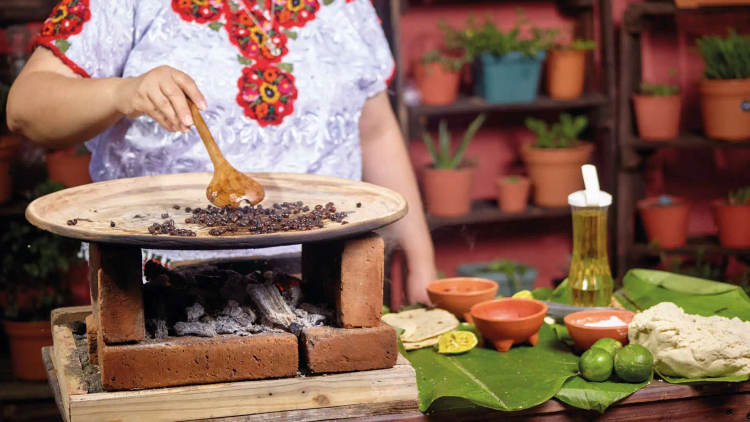
“You’ve got to plant the past if you want to feed the future,” said Luisa Mar, a young Mayan chef I met outside Chemuyil. She cooks in an open-air kitchen behind her uncle’s tienda. Her tamales come stuffed with chaya greens, and her salsas are blistered over an open flame. You want authenticity? It’s not on the tasting menu. It’s in her calloused hands.
Chefs of the Jungle and the Sea
But authenticity wears many faces here.
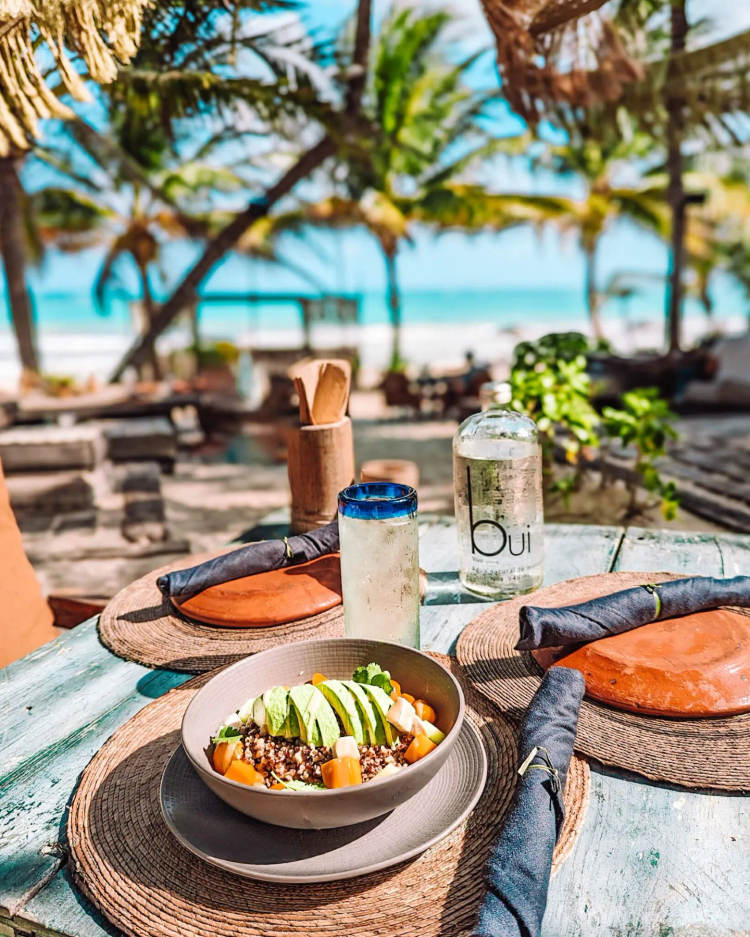
Take Arca, now ranked 67th in the 2025 World’s 50 Best Restaurants list. Chef José Luis Hinostroza, half-wild and jungle-sweaty, is still slinging dishes that look like modern art but taste like a campfire hallucination. He cooks with flame, earth, smoke, and madness. Think duck with recado negro, served under a canopy of palm trees, with fireflies for ambiance.
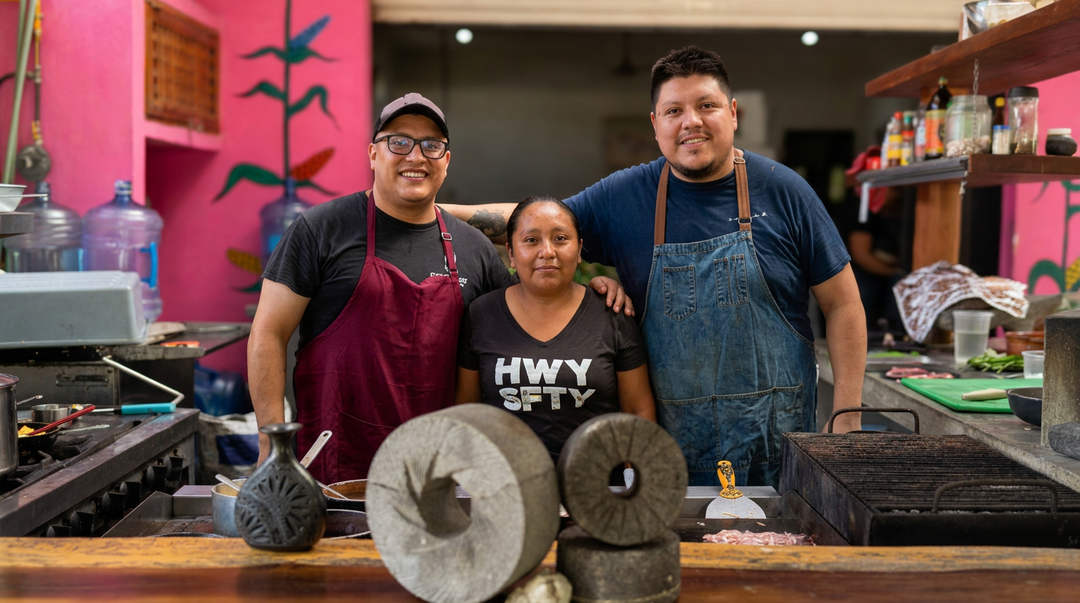
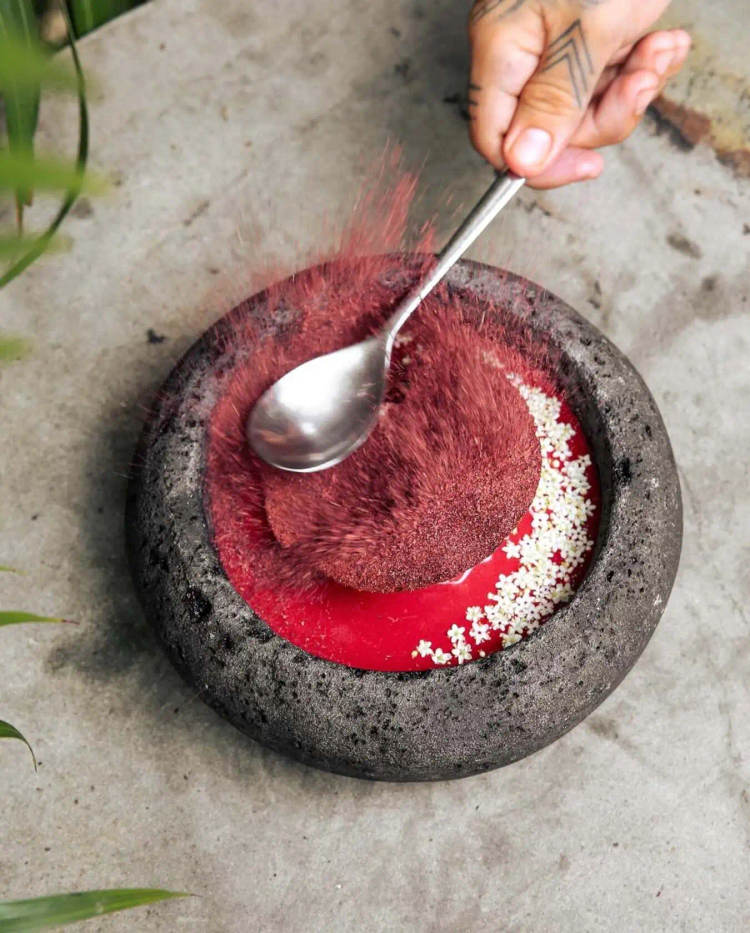
Then there’s BAK’, a 2025 newcomer tucked into the lush sprawl of Tulum’s hotel zone. It’s less rootsy, more ritual, wagyu steaks hiss on volcanic slabs. Oysters are crowned with citrus air. There’s a fire show with every meal, not metaphorical. Actual fire. For those chasing spectacle with their sashimi.
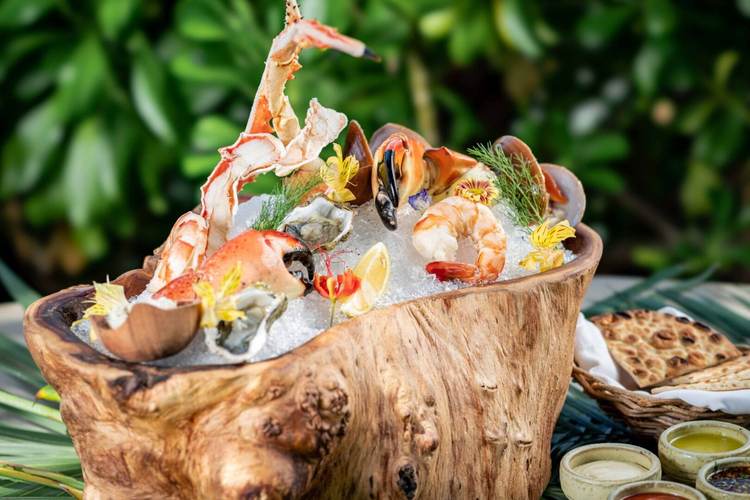
But some chefs are burning brighter by going smaller. Ana Maritza’s speakeasy-style spot, K’iin, has no sign. No menu. Just a whisper network and a nightly offering. One evening: octopus braised in sour orange and hoja santa, the next: squash blossom soup with cenote-grown herbs. “We don’t need fusion,” she says, eyes lined with ash. “We need memory.”
Street Smoke and Sacred Grease
Still, no Michelin-hunting kitchen can outshine Tulum’s street scene. Not in soul. Not in scent.
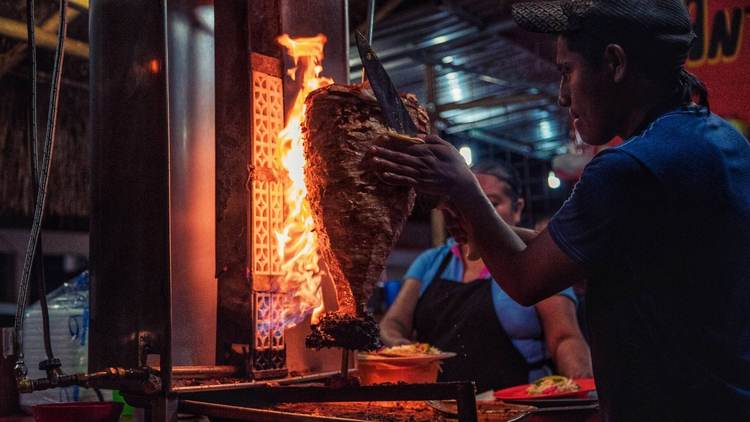
Every dusk, the streets ignite, first with grills, then with anticipation. Tacos al pastor spin under hacked-together tin roofs. Elotes steam in wheeled carts. A stand near the ADO station, manned by three generations of the same family, still sells pozol, cacao, maize, and memory in a cold clay cup.
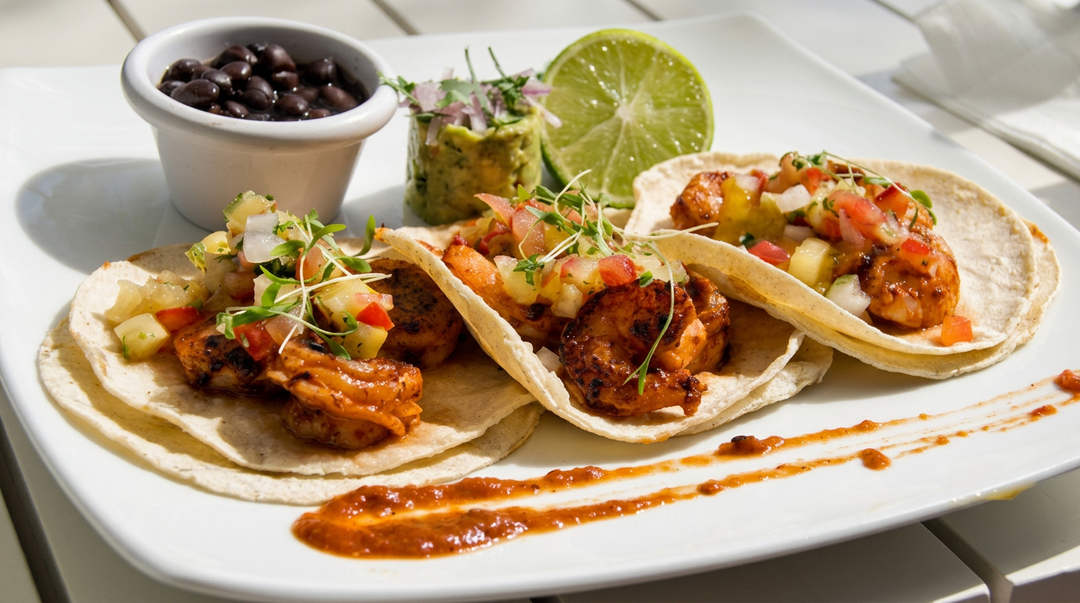
The genius of it all is how little it tries. There are no Instagram plates. No edible flowers. Just masa, meat, lime, and reverence. Here, food isn’t elevated, it’s returned to where it belongs. The street. The people. The hunger.
Tourism, Tension, and the Price of Fame
But nothing this sacred survives unscarred. Tulum’s airport, which opened in late 2023, has brought in direct flights from Los Angeles, Madrid, and even São Paulo. With them came yoga retreats, Bitcoin bros, and brunch spots serving “Mayan shakshuka” at New York prices.
The result? A two-speed town. Upscale jungle bistros for tourists in linen. And, if you know where to look, the absolute Tulum is hidden behind tinted-glass Airbnbs and valet stands.
Locals are pushing back. Some through food co-ops. Others, through culinary education, are trying to arm the next generation of Mayan chefs with both knives and power. The battlefield is a tortilla press. The stakes are cultural survival.
Tulum on the Plate in 2025
So, what does 2025 Tulum taste like?
It tastes like a contradiction. Like recado negro on imported wagyu. Like chaya greens harvested by hand, served alongside foie gras, like the smoke from a jungle hearth and the ozone of an air-conditioned tasting room.
It tastes like a place trying to remember itself while the world attempts to reimagine it.
And somewhere in the middle of all that is you, the eater, the witness. So go ahead. Bite in.

The Tulum Times · Newsletter
The story continues in your inbox.
Essential Tulum news and local insight, a few times a week. Free.
No spam. Unsubscribe anytime.
Tulum Restaurants, Beach Clubs, and Nightlife Guide
Food, dining, beach clubs, and nightlife coverage for visitors looking for practical choices, current openings, and the mood of Tulum after dark.

“The best journalists reporting from paradise, highlighting the heroes that keep Tulum the most beautiful place in the world! THANK YOU!”