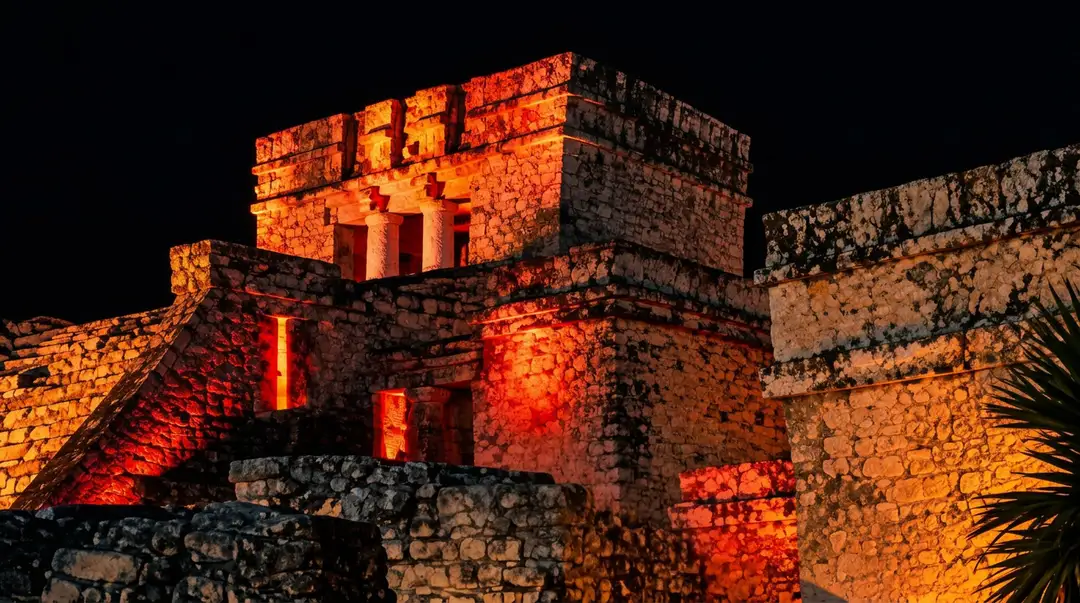
Amid the coastal breezes and crumbling stone walls of Tulum’s ancient Mayan city, the Temple of the Frescoes stands as a whispering testament to a civilization both intellectually sophisticated and deeply spiritual. Located within the Tulum Ruins archaeological zone, this structure is not only one of the site’s most intact buildings but also a rare example of Pre-Columbian mural art still hinting at its former vibrancy. Unlike the grand pyramids of Chichén Itzá or the sprawling complexes of Coba, the Temple of the Frescoes captivates visitors with its intimate scale and richly symbolic interior, offering a glimpse into the cosmological worldview of the Maya who thrived here over seven centuries ago.
A Portal to Mayan Cosmology
Built in the late Postclassic period (circa 1200–1450 CE), the Temple of the Frescoes served as both an observatory and a ceremonial space. Its name derives from the traces of intricately painted murals found on its inner walls, once vivid with pigments made from local minerals and plant extracts. The frescoes depict deities, celestial beings, and ritual scenes tied to agricultural cycles, a visual narrative of how the Maya perceived their relationship with nature and the divine. One recurring figure is Chaac, the rain god, underscoring the society’s reliance on seasonal rains in an environment where freshwater was scarce.
Archaeologists believe the temple also functioned as a solar marker. Its alignment allowed priests to track solstices and equinoxes, timing planting seasons and religious ceremonies with celestial precision. This duality of science and spirituality defines much of Tulum’s architecture, but nowhere is it more vividly preserved than here.
The Architecture of Symbolism
The temple’s design mirrors the Mayan universe in microcosm. The two-story structure features a lower gallery adorned with stucco reliefs of descending gods, representing the underworld (Xibalba), while the upper level, with its small windows and elevated position, symbolizes the celestial realm. Carved serpent motifs frame the doorways, echoing the widespread Mesoamerican reverence for Kukulkan (the feathered serpent deity), a symbol of renewal and interconnectedness.

Though weathered by centuries of humidity and salt air, traces of the original red, blue, and ochre pigments remain visible. The murals’ fragility has led to restricted interior access, but replicas and detailed scans displayed onsite help visitors envision their former brilliance. Notably, the temple’s rear wall features a niche that once held a stela or idol, likely used in rituals invoking divine intervention for abundant harvests or protection from hurricanes.
Preservation in the Face of Time
The Temple of the Frescoes faces an ongoing battle against environmental degradation. Unlike inland ruins, Tulum’s structures endure relentless exposure to tropical storms, humidity, and the corrosive effects of salty sea air. Conservationists have employed non-invasive techniques, such as protective coatings and climate-controlled barriers, to slow deterioration. In 2020, a joint initiative by Mexico’s National Institute of Anthropology and History (INAH) and UNESCO launched a digital preservation project, using 3D imaging to document the frescoes in unprecedented detail for future study.
Visitors today are urged to respect barriers and avoid touching the walls, as natural oils from human skin can accelerate erosion. While some criticize the strict access policies, experts argue these measures are vital to ensure the temple survives for generations.
Visiting the Temple of the Frescoes Today
A trip to the Tulum Ruins is incomplete without pausing at this architectural gem. Early mornings or weekdays are ideal for avoiding crowds, allowing quieter contemplation of the frescoes’ details. Guides licensed by INAH often cluster near the entrance, offering insights into the temple’s history, though a slow, self-guided walk with a reputable audio tour can be equally rewarding.
For those seeking context, the onsite museum displays artifacts excavated from the area, including pottery shards and tools used to create the murals. Pairing a visit with a swim at Tulum’s adjacent beach, once a harbor for Mayan traders, adds a visceral connection to the site’s original role as a nexus of commerce and spirituality.
Why This Temple Matters
The Temple of the Frescoes is more than a relic; it’s a bridge between past and present. Its art and architecture reflect a culture that viewed science, religion, and art as inseparable forces. In an age where climate change threatens coastal sites globally, its preservation serves as a reminder of humanity’s capacity to create beauty in fragile environments, and the responsibility to protect it.
As you walk the sunbaked paths of the Tulum Ruins, let the faded colors of the frescoes stir your imagination. Picture the priests who once charted stars from this very spot, their rituals a dialogue between earth and sky. Their legacy, though fading, remains a profound echo of resilience.
We’d love to hear your thoughts. Have you visited the Temple of the Frescoes? Share your experiences with our community on social media.

The Tulum Times · Newsletter
The story continues in your inbox.
Essential Tulum news and local insight, a few times a week. Free.
No spam. Unsubscribe anytime.
Tulum Weather, Seasonality, and Best Time to Visit
Weather context, travel timing, seasonal changes, and planning guidance for visitors and residents.

“The best journalists reporting from paradise, highlighting the heroes that keep Tulum the most beautiful place in the world! THANK YOU!”