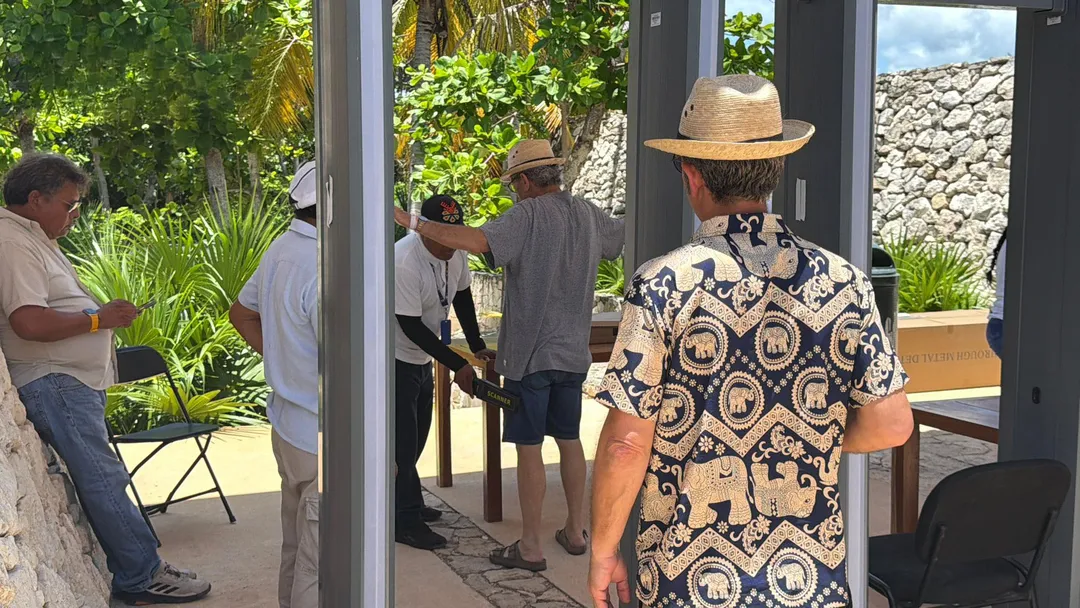
The entrance to the Tulum Archaeological Zone has transitioned to a more rigorous security posture this week, marked by the installation of metal detectors and a permanent National Guard presence as part of a significant shift in Tulum Archaeological Zone security. This operational change, visible to thousands of daily international and domestic visitors, signals a transition in how Mexico manages its most sensitive cultural heritage sites in a tightening security environment.
The deployment follows a series of national alerts concerning the protection of high-traffic patrimonial spaces. While the Tulum site remains a cornerstone of Caribbean tourism, the introduction of these hardened filters reflects a broader federal strategy to mitigate risks in areas of dense public concentration. For the first time in the site's modern history, visitors must undergo a process more akin to airport security than a casual park entry, including bag inspections and mandatory passage through electronic scanning arches.
A National Pivot in Site Protection
The timing of these measures is not coincidental. Federal authorities initiated the hardening of security protocols following a violent incident at the Teotihuacán Archaeological Zone in Central Mexico. Recently, an armed attack at that site resulted in the death of a foreign tourist and left 13 others injured, an event that sent shockwaves through the tourism industry and prompted an immediate review of security at all major UNESCO World Heritage and high-visibility sites across the country.
President Claudia Sheinbaum Pardo and Secretary of Federal Citizen Security Omar García Harfuch have underscored that the protection of these sites is a national priority. In Tulum, the strategy has moved beyond simple surveillance to active deterrence. Elements of the National Guard are now stationed permanently at the filters, providing a layer of federal oversight intended to prevent the entry of prohibited items and maintain order in a space that serves as one of Mexico’s primary global windows.
Impact on the Visitor Experience
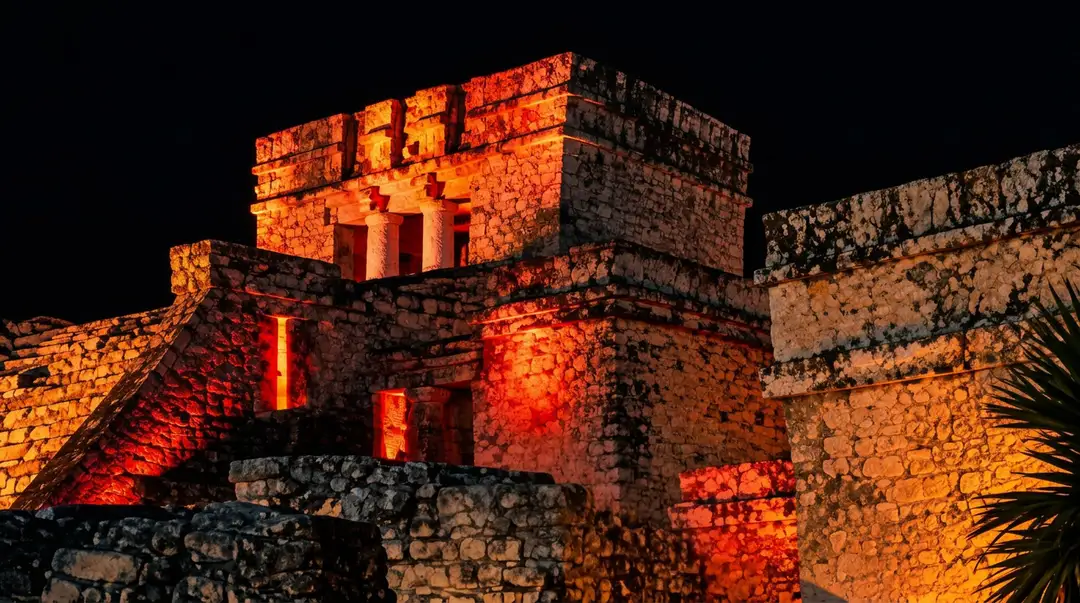
For the thousands who flock to see the iconic Castillo overlooking the turquoise waters of the Caribbean, the new reality begins well before the first glimpse of the ruins. Since Monday, wait times at the entrance have increased significantly. Visitors are reporting queues that range from 30 minutes to over an hour during peak morning sessions as security personnel conduct detailed inspections of backpacks and personal belongings.
Local guides, who manage the flow of tour groups, are already adjusting their schedules to account for the delay. Julio Villagómez, a veteran guide in the region, noted that while the initial reaction from tourists is often one of slight frustration due to the heat and the wait, most comply once the context of national safety is explained. "It is a preventive approach," Villagómez stated. "Once they understand it is for their own protection following events elsewhere in the country, the perception shifts from annoyance to acceptance."
The physical infrastructure of the new filters, including arches, tables for bag checks, and the constant presence of uniformed federal officers, has fundamentally altered the aesthetic of the site's approach. This hardened entry is part of the larger integration of the Jaguar Park (Parque del Jaguar), a federal project aimed at reorganizing the entire coastal perimeter of Tulum to balance conservation with a high volume of tourism.
The Business Perspective: Balance and Perception
The hardening of security has received support from the private sector, though with notable caveats regarding the "visitor experience." Lenin Amaro Betancourt, coordinator of the southeast region for the National Association of Regional Business Councils (ANCER), indicated that while the increase in federal forces is a positive step for safety, the execution of these protocols must be handled with precision to avoid a negative psychological impact on travelers.
Amaro Betancourt noted that in areas like the Jaguar Park, some tourists have already expressed concerns regarding an "excessive" military perception. "The challenge is finding the equilibrium between safety and comfort," he explained. "It is preferable to have more surveillance than to lack it, but we must ensure that the environment remains welcoming and not hostile."
The business leader also emphasized that these protocols must be fully optimized ahead of the high summer season and, looking further ahead, the FIFA 2026 World Cup. As Mexico prepares to host global crowds, sites like Tulum will be under intense international scrutiny, making these early security trials critical for long-term operational success.
Regional Contrast and Future Outlook
While Tulum has become the first site in the region to implement such strict electronic filters, the rest of Southern Quintana Roo remains under traditional access schemes. In Othón P. Blanco and Bacalar, sites such as Kohunlich, Dzibanché, and the newly opened Ichkabal continue to operate without metal detectors or permanent federal guards at the gates.
However, the National Institute of Anthropology and History (INAH) has not ruled out the expansion of these measures. Any decision to implement similar filters at other southern sites would depend on a risk assessment conducted by federal security agencies and the availability of equipment. For now, Tulum serves as the testing ground for this new model of high-security heritage management.
As the week progresses, the National Guard remains a constant presence among the limestone walls and palm trees. For the modern traveler, the price of seeing the ancient Maya ruins now includes a mandatory pause at the gate. This serves as a reminder that even in the most serene landscapes of the Caribbean, the realities of national security are never far away.
The federal government has indicated that these measures are permanent and will be subject to continuous review to ensure they meet both safety standards and the logistical needs of the hundreds of thousands who visit Tulum each year.
Do you believe increased security filters improve the experience in historical sites? Join the conversation in our community.
For more updates on Tulum's evolving tourism landscape, subscribe to The Tulum Times.

The Tulum Times · Newsletter
The story continues in your inbox.
Essential Tulum news and local insight, a few times a week. Free.
No spam. Unsubscribe anytime.
Tulum Cenotes, Ruins, and Practical Visitor Guides
Guides, access updates, regulations, and practical planning around cenotes and the Tulum archaeological zone.

“The best journalists reporting from paradise, highlighting the heroes that keep Tulum the most beautiful place in the world! THANK YOU!”