


The friction between federal administrative mandates and the local community of Tulum has escalated to a critical juncture. A broad coalition of residents, merchants, and tourism service providers has issued a call for a massive manifestation this Sunday, May 3, to express a definitive rejection of the operational policies and fee structures implemented within the Parque del Jaguar.
The mobilization, scheduled to begin at 9:30 AM at the iconic Glorieta de las Ruinas, represents a strategic shift in local resistance. What began as isolated grievances from specific sectors has transformed into a unified regional front, drawing support not only from the municipal seat but also from neighboring communities including Akumal, Macario Gómez, Francisco Uh May, and even Felipe Carrillo Puerto. This collective action highlights a growing sentiment of displacement among a citizenry that feels increasingly alienated from its own public spaces.
The Nut Graf: A Crisis of Legitimacy
The upcoming Tulum Parque del Jaguar protest is not merely a dispute over entry fees; it is a fundamental challenge to the legitimacy of federal oversight in the region. Since the integration of the 664-hectare reserve under the management of the Commission of Protected Natural Areas (Conanp), the promise of "environmental ordering" has, for many, translated into economic asphyxiation and social exclusion. The Sunday manifestation serves as a public audit of a project that locals argue has prioritized bureaucratic control over the organic socio-economic life of the destination.
"It is a call to participate in an orderly and respectful manner, to expose what is truly occurring on the ground," organizers stated in social media communications. By emphasizing the non-partisan, civic nature of the movement, the coalition seeks to depoliticize the issue and focus squarely on the survival of the local families whose livelihoods depend on the coastal zone.
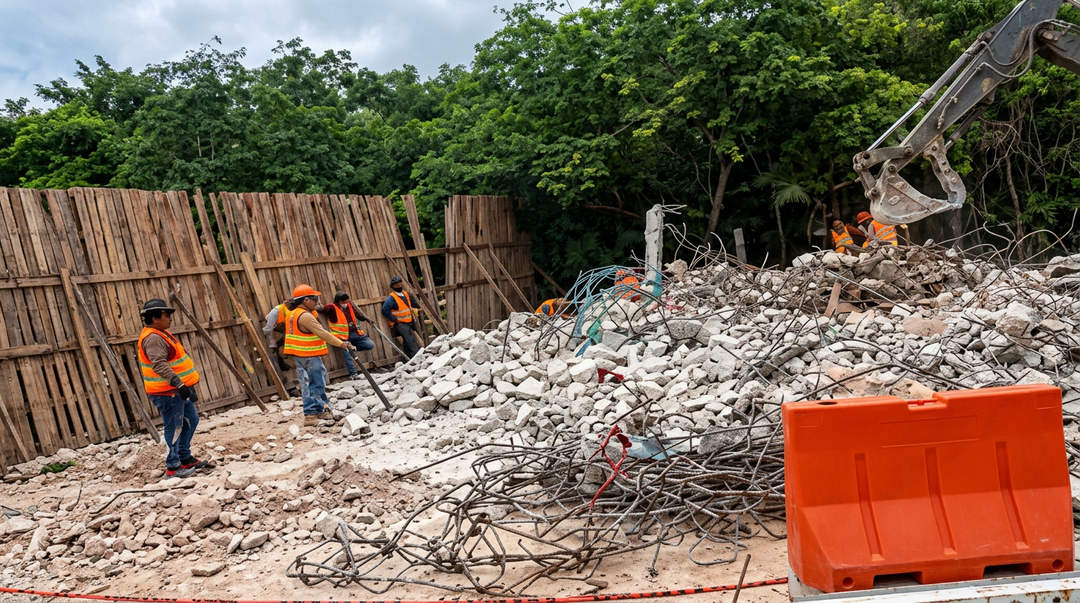
A Unified Regional Front
The geographic scope of the convocatoria is unprecedented. The inclusion of communities like Akumal and Macario Gómez underscores that the impact of the Parque del Jaguar’s policies extends far beyond the immediate perimeter of the ruins. Artisans, musicians, athletes, and workers from across the region have signaled their intent to join the march, arguing that the restrictions on tulum beach access and the imposition of new logistical barriers have disrupted a traditional economic ecosystem that has existed for decades.
For these stakeholders, the "modernization" of the park has come at the cost of accessibility. The movement argues that the right to free transit and the use of coastal zones, principles enshrined in Mexican law, are being systematically eroded by the current administration of the reserve. The protest aims to visibilize these effects, which they claim have led to a precipitous decline in the number of local visitors and a corresponding drop in sales for the small-scale businesses that form the backbone of Tulum’s economy.
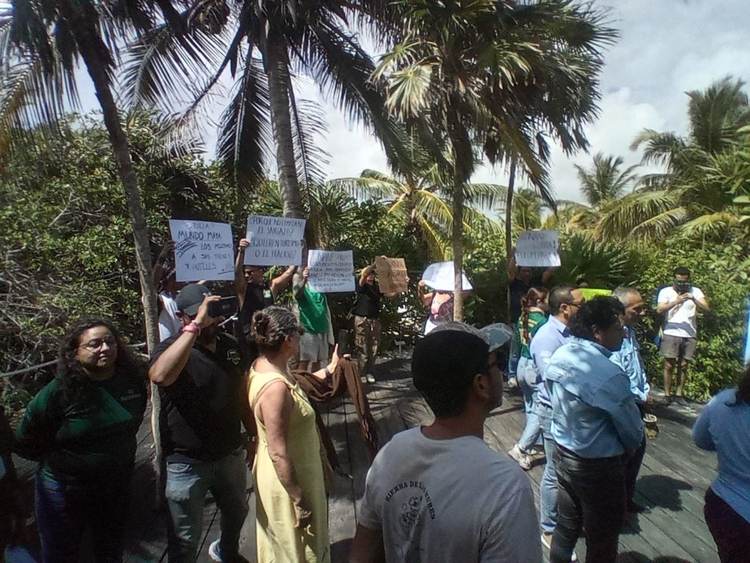
The Echo of April 23: Unresolved Grievances
The mobilization this Sunday follows a "flash protest" that occurred on April 23, during the official ceremonies marking the 45th anniversary of the Tulum National Park. That earlier demonstration served as a precursor to the current movement, signaling that the community’s patience with federal silence is wearing thin. Despite the mounting social pressure, the authorities responsible for the administration of the Parque del Jaguar have yet to issue an official stance regarding the specific demands of the population.
This lack of dialogue has only served to fuel the tension. Protesters point to a significant "transparency gap" in how resources are managed and how decisions are made. While the federal government celebrates the Parque del Jaguar as a crown jewel of environmental conservation and sustainable tourism, the locals at the Glorieta de las Ruinas see a different reality: a landscape of barriers, high costs, and administrative opacity.

Economic Asphyxiation and the "Cash Gap"
Central to the grievances is the perceived lack of reinvestment of the fees collected at the park’s entrance. Business owners in the coastal zone report that while access costs have risen, fundamental services like sargassum management and infrastructure maintenance remain inadequate. The "economic toll" of these policies is no longer theoretical; it is reflected in empty storefronts and reduced work shifts for local employees.
The coalition demanding tulum beach access is also calling for a rigorous audit of the financial resources handled by Conanp. The question of where the cash collected from thousands of daily visitors goes remains a primary point of contention. Without a clear rendering of accounts, the community’s distrust of federal management continues to deepen, transforming the park into a symbol of what many call "administrative cynicism."
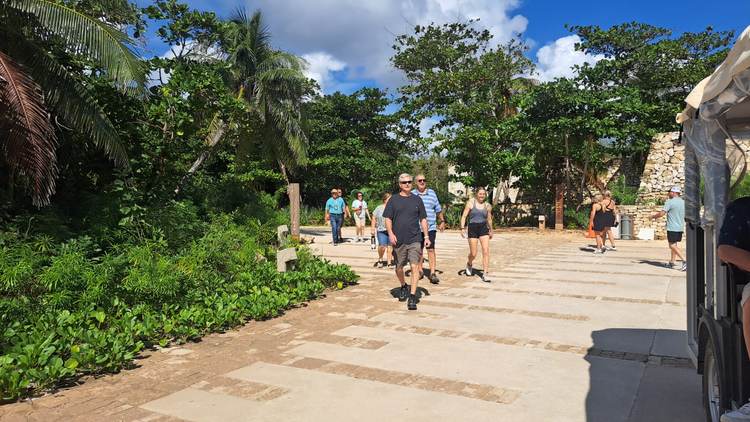
The Survival of the Tulumnense Identity
As the city prepares for the May 3rd manifestation, the conversation has shifted toward the preservation of Tulum’s local identity. The movement argues that the destination is losing the very qualities that made it a world-class attraction: its accessibility, its bohemian spirit, and its integration with the local Mayan culture. By "fencing off" the park and imposing rigid, top-down regulations, federal authorities are accused of creating a sterilized tourism product that excludes the people who built the destination.
The Sunday protest is, in essence, a struggle for the soul of Tulum. The organizers maintain that transparency and community inclusion are not just "nice-to-have" features of a management plan, but essential requirements for the long-term survival of the region. "We are not against conservation," one merchant explained. "We are against being treated like strangers in our own home."
A Pivotal Moment for Federal Policy
The outcome of the Tulum Parque del Jaguar protest will likely dictate the direction of federal policy in the region for years to come. If authorities continue to ignore the calls for dialogue, the risk of a total breakdown in cooperation between the community and the park administration becomes a reality. Conversely, the manifestation offers an opportunity for the federal government to recalibrate its approach, moving away from a model of exclusion and toward one of genuine social and environmental integration.
The eyes of the Mexican Caribbean will be on the Glorieta de las Ruinas this Sunday. As the community gathers to demand their rights, the message is clear: the success of the Parque del Jaguar cannot be measured by entry fees or institutional accolades alone, but by its ability to coexist with and support the people of Tulum.
How should federal authorities balance conservation goals with the economic needs of the local community? Join the conversation and share your thoughts with us on Instagram and Facebook at @thetulumtimes.

The Tulum Times · Newsletter
The story continues in your inbox.
Essential Tulum news and local insight, a few times a week. Free.
No spam. Unsubscribe anytime.
Parque del Jaguar Access, Fees, and Rules in Tulum
Coverage and practical guidance around Parque del Jaguar, public access rules, entry fees, closures, and the changing shoreline experience in Tulum.

“The best journalists reporting from paradise, highlighting the heroes that keep Tulum the most beautiful place in the world! THANK YOU!”


