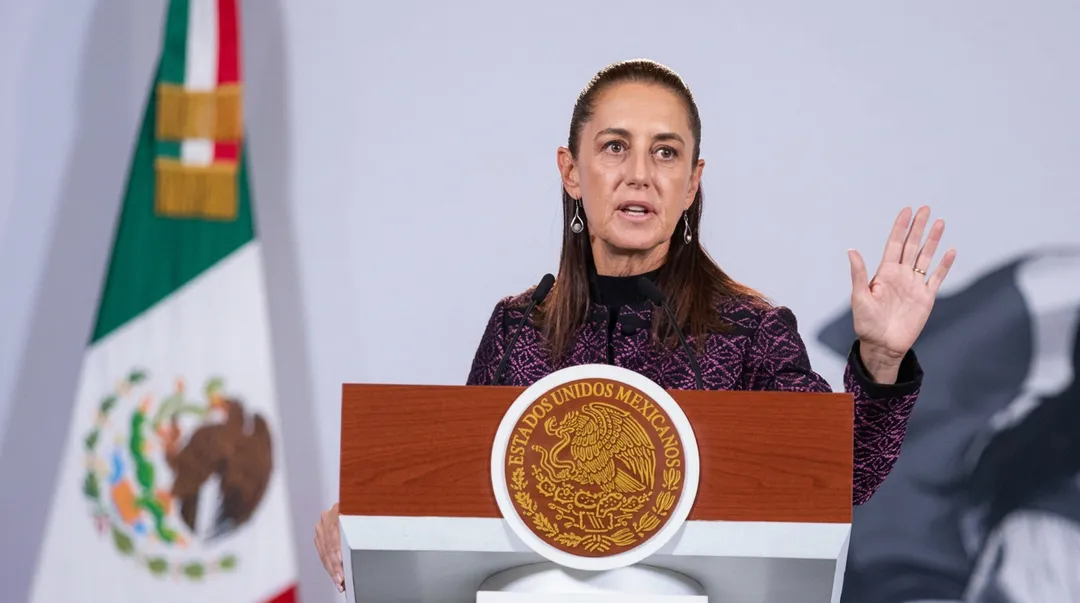
President Claudia Sheinbaum said on Monday that the global price of jet fuel explains the Tulum flights that two airlines have cut, and told reporters at Palacio Nacional that the airport will recover without issue.
The number of flights has dropped all over the world because the price of jet fuel went up, she said at her morning conference, tying the increase to the war in Iran. What Mexico did about it, she argued, was hold down the pump price of gasoline and diesel so that a fuel shock would not turn into general inflation.
Subsidizing jet fuel is more complex. That is why the number of international trips has fallen all over the world, not only in our country, but Tulum has something particular and we are going to talk about that on Thursday, and it will recover without any problem.
Both carriers that walked away had already put their reasons in writing, and fuel was one line on a longer list. The rest of that list is made in Mexico, and most of it points at the terminal itself, which is run by a company of the Defense Ministry.
What Aeroméxico and Volaris wrote on the way out
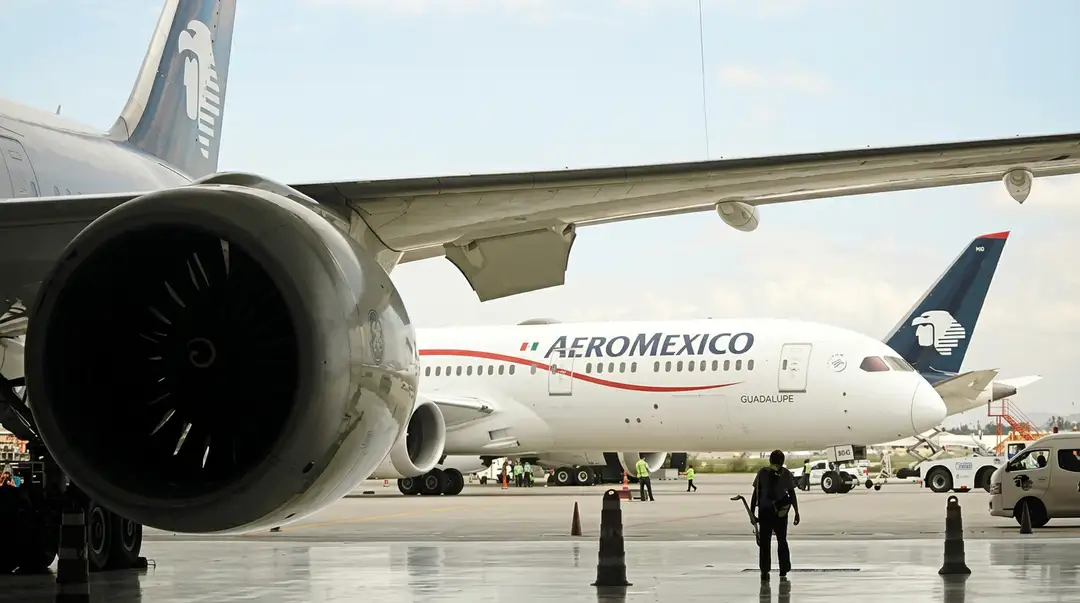
Aeroméxico announced on September 27 that it was pulling out and flew its last Tulum service three days later, on September 30. The company called the halt temporary and attributed it to current market conditions, saying it would continue to monitor demand. The route it dropped linked Tulum with both Mexico City airports.
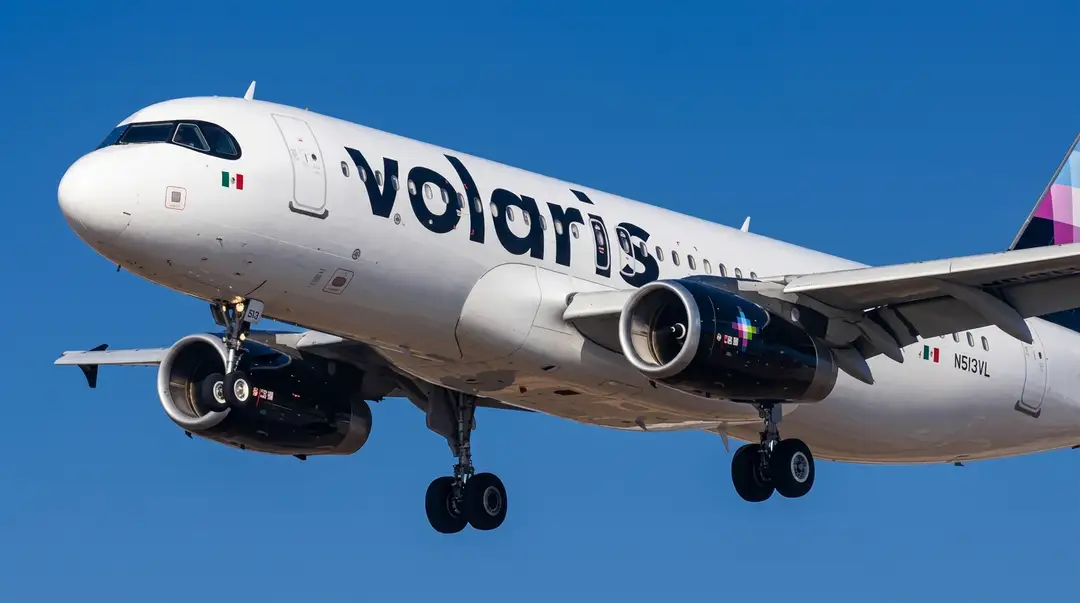
Volaris followed on September 30, with a later date. It leaves on January 7, 2027, and stopped selling seats for travel after that date over the first weekend of October. Its reasons came as a short list, and only one of them was fuel: the rise in the airport use fee, the price of fuel, the cost of air navigation services, and the non-resident fee paid by foreign visitors, which the 2027 revenue package would raise by about 35 percent and which still has to clear Congress.
Three of those four charges are set in Mexico.
Gasoline is subsidized at the pump, jet fuel is not
The distinction the president drew was between fuels, not between destinations. Regular gasoline would be selling at around 30 pesos per liter without federal support, she said, and diesel at about 35 pesos per liter, rather than the 27 it costs now. Stations that break the voluntary price agreement receive less of that support. The stimulus was a decision taken to stop an inflationary spiral, and jet fuel sits outside it.
She offered no change to what the airport charges. Her government keeps a permanent line open to Aeroméxico, Volaris and Viva over their complaint about the increase in airport fees, she said, with the transport and economy ministries in the conversation.
Tulum flights carried a third fewer passengers through June
Federal aviation figures give the size of the hole. The terminal handled 471,500 passengers between January and June, down 33.2 percent from the 705,400 it moved in the same months of 2025. International traffic fell 40.8 percent.
The first quarter set the pace, with 178,000 international passengers, down from 270,800 a year earlier. The airport closed 2025 with a total of 1.244 million passengers.
The ground is no steadier than the air. The Tulum archaeological zone drew 257,978 visitors between January and March, against 385,879 in the same quarter of 2025, a fall of 33.1 percent, after a year that ended at 1,031,443 and ranked as the weakest full twelve months in fifteen years outside the pandemic closures. Two different gates, counted by two different federal bodies, moved by almost exactly the same third.
What a missing Mexico City seat costs on the beach road
The hotels were thin before the airlines moved. Quintana Roo's tourism information system put Tulum occupancy at 45 percent for the week of September 5 to 11, and David Ortiz Mena, president of the Asociación de Hoteles de Tulum, said on September 10 that the beach properties he represents were running under 20 percent, low since May and about ten points below the same stretch of last year. The full reading is in our September occupancy report.
Domestic traffic matters here more than the brochures suggest. Mexican travelers accounted for 34 percent of arrivals in Quintana Roo during that September week, compared with 36.9 percent from the United States, and the Mexico City link is the leg that domestic operators sell. With Aeroméxico gone and Volaris leaving, Viva Aerobus is the carrier still selling it from Benito Juárez.
Four United States cities, and a Canadian season that opens this month
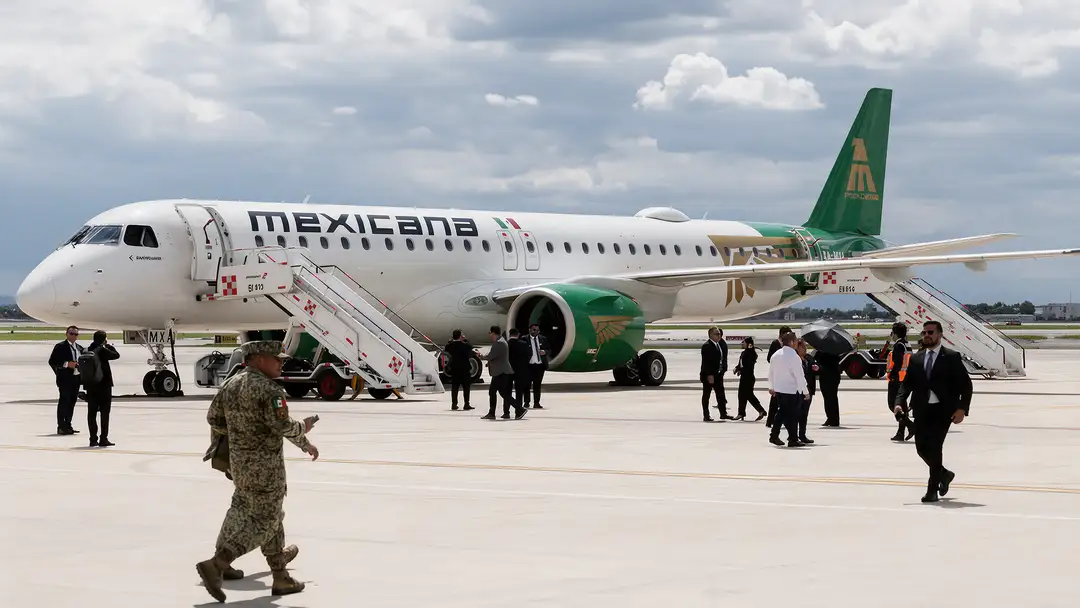
Domestic service now rests on two carriers. Viva Aerobus still sells Mexico City, and the state airline Mexicana still sells Felipe Ángeles.
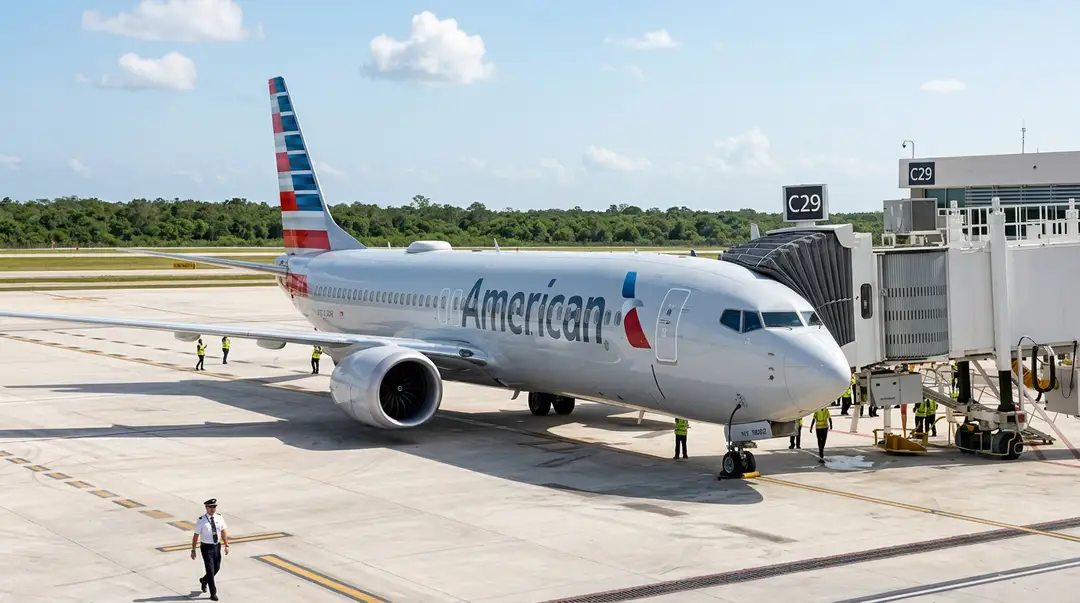
The year-round international map shows four cities, all in the United States. American Airlines flies from Dallas-Fort Worth and Miami; Delta from Atlanta; United from Houston. That map held twelve destinations in the middle of 2024.
Winter widens it again for a few months. As The Tulum Times reported on September 18 in its guide to the winter schedule, the season lists nine international cities across ten airlines, with Air Canada, Air Transat and WestJet returning from Montreal, Toronto, Quebec City and Calgary between late October and April, and United adding Newark. Most of those services run once or twice a week.
For anyone booking in the meantime, the fallback has not changed. Cancún remains the practical gateway, and the drive down the federal highway is still the arrival most visitors make.
Thursday at Palacio Nacional, the terminal operators take the question
Tulum has something particular, she said, and left it there. The explanation is booked for Thursday, October 8, when the heads of the Defense Ministry companies are due at the morning conference to go through the airport.
Those are the people who set what the terminal charges. Tulum opened on December 1, 2023, under Grupo Aeroportuario, Marítimo y de Servicios Auxiliares Olmeca-Maya-Mexica, since renamed Grupo Mundo Maya, with a use fee published at 310 pesos for domestic departures and 558 pesos for international departures. In July 2025, the same operator stretched its incentive package for airlines to three years, discounting that fee by 40 percent in the first year, 20 percent in the second, and 10 percent in the third. Fifteen months later, the airlines leaving cite the fee as a reason to go.
Thursday is three days away. Volaris keeps selling Tulum seats until January 7, and Aeroméxico's aircraft are already gone, so the useful question is narrow. Whether the charge the airlines named comes down, and by how much. That answer belongs to the executives holding the microphone, not to the podium beside them.
Have you changed how you book flights into Tulum since Aeroméxico and Volaris announced their exits? Join the conversation and share your perspective with us on Instagram and Facebook at @thetulumtimes.

The Tulum Times · Newsletter
The story continues in your inbox.
Essential Tulum news and local insight, a few times a week. Free.
No spam. Unsubscribe anytime.
Flights to Tulum and Live Arrival Updates
Live arrivals, departures, route updates, and air connectivity coverage for Tulum and the Mexican Caribbean.

“The best journalists reporting from paradise, highlighting the heroes that keep Tulum the most beautiful place in the world! THANK YOU!”